Ataşehir Mah. Feza Sk. No:3 İstanbul / Türkiye
 French
  English
  German
  Spanish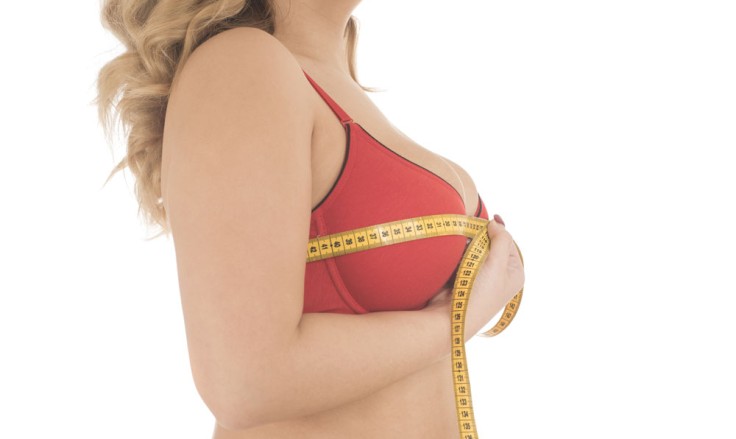
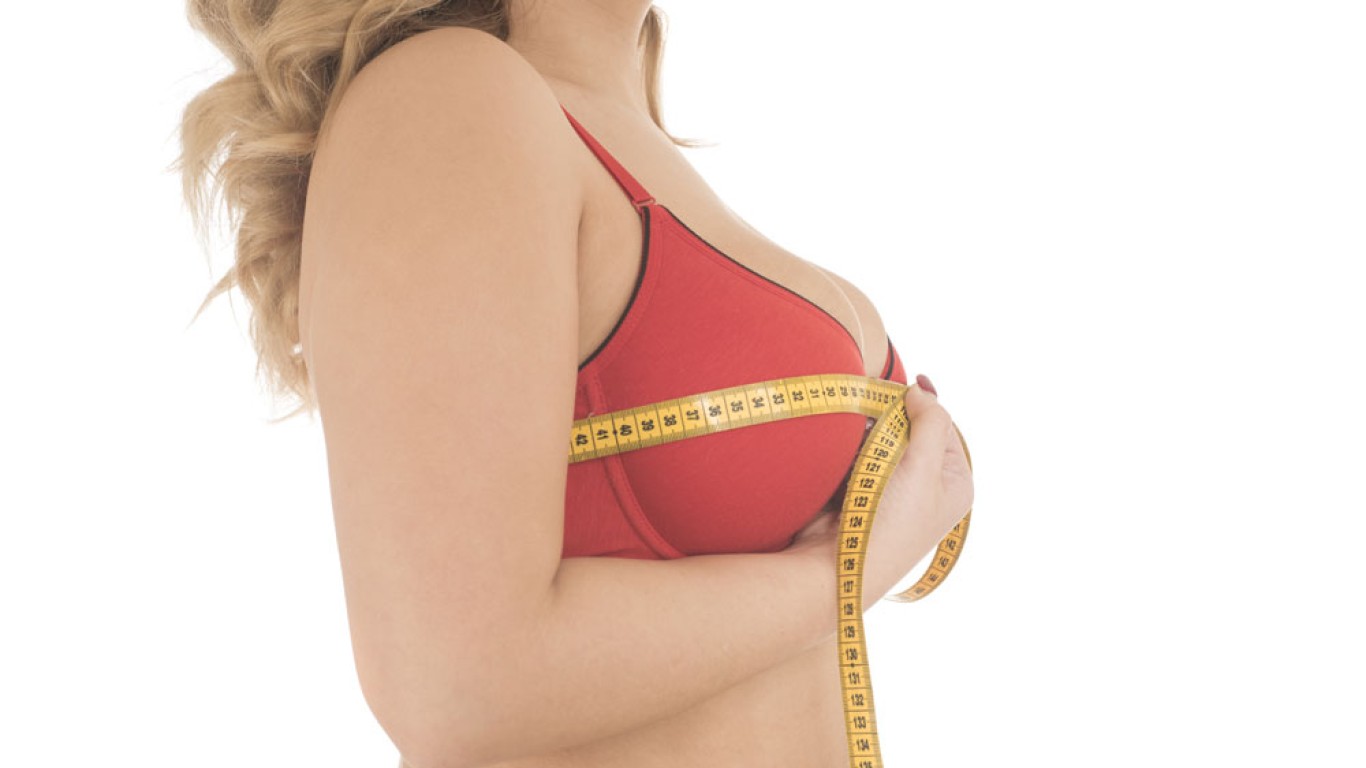
Breast augmentation techniques have evolved significantly over recent years, with greater emphasis on natural-looking outcomes. Rather than focusing purely on size, modern planning considers anatomy, tissue behaviour, and long-term balance. Dual plane breast augmentation has become a popular option because it blends structural support with aesthetic refinement. This approach allows implants to integrate smoothly with existing breast tissue. Patients increasingly seek results that enhance shape without appearing artificial. Understanding how this technique works helps clarify why it is widely recommended.
What Dual Plane Breast Augmentation Means
Dual plane breast augmentation refers to implant placement that combines two anatomical positions. The upper portion of the implant sits beneath the chest muscle. The lower portion rests beneath the breast tissue itself. This hybrid positioning allows controlled shaping across the breast. By using two planes, surgeons can manage implant coverage more precisely. Muscle support reduces visible implant edges in the upper breast. Tissue placement allows natural lower pole fullness. This balance supports smooth contours. The technique adapts well to different anatomies.
How Implant Position Influences Breast Shape
Implant position plays a major role in final appearance. Fully submuscular placement may limit lower breast projection. Fully subglandular placement can increase visibility in thinner patients. Dual plane breast augmentation addresses both concerns simultaneously. The muscle softens the upper breast transition. The lower breast gains a natural curve from tissue coverage. This creates a more anatomical slope. Shape appears balanced from multiple angles. Implant position is central to natural outcomes.
Who Is Well Suited to Dual Plane Breast Augmentation Placement
Patients with limited natural breast tissue often benefit from this approach. Those seeking subtle enhancement rather than dramatic volume are also suitable. Mild breast sagging can be addressed effectively. Anatomical differences guide recommendations. Dual plane breast augmentation adapts to varied chest shapes. Surgeons assess skin quality and tissue thickness. Implant size is chosen carefully. Personal goals influence suitability. Individual assessment remains essential.
Addressing Mild Breast Droop with Dual Plane Technique
Mild breast ptosis can affect implant positioning. Dual plane placement allows controlled expansion of the lower breast. This can improve nipple position without formal lifting. The technique reshapes the lower pole gently. By releasing the lower muscle fibres, surgeons allow natural drape. The implant fills the lower breast smoothly. This reduces reliance on more extensive procedures. Shape correction appears subtle. In this procedure, balance is prioritised over dramatic change.
Implant Selection and Dual Plane Breast Augmentation Planning
Implant choice is closely linked to technique. Shape, projection, and volume must suit the dual plane approach. Oversized implants may compromise natural results. Moderate profiles often integrate best. Surgeons select implants based on chest width and tissue response. Dual plane augmentation allows flexibility in projection. Careful selection supports long-term aesthetics. Implant planning is as important as placement.

How Dual Plane Placement Feels After Surgery
Early sensations may differ slightly from other techniques. Muscle involvement can create temporary tightness. This gradually settles as tissues adapt. Comfort improves progressively. As healing continues, the implant settles into position. Movement becomes more natural over time. Dual plane breast augmentation aims for seamless integration. Final feel develops gradually.
Long-Term Shape Stability with Dual Plane Breast Augmentation Technique
Long-term results depend on structural support. Muscle coverage helps maintain upper breast shape. Tissue support stabilises the lower breast contour. This combination supports durability. Dual plane breast augmentation often ages gracefully. Shape adapts naturally with body changes. Balanced support reduces visible shifting. Long-term planning is central to this approach.
Comparing Dual Plane to Other Implant Positions
Subglandular placement offers immediate fullness but less coverage. Submuscular placement provides coverage but may limit shape. Dual plane augmentation blends benefits from both. This hybrid approach reduces common drawbacks. It offers coverage without flattening. Shape appears fuller yet controlled. Comparison helps patients understand options. Technique selection depends on anatomy and goals.
Surgical Precision and Experience Matter
Dual plane placement requires detailed anatomical understanding. Muscle release must be controlled precisely. Over-release can affect stability - under-release may limit shape. Experienced surgeons plan carefully. Dual plane breast augmentation relies on technical accuracy. Small adjustments influence outcome significantly. Expertise supports predictable results.
Dual Plane Breast Augmentation in Turkey
Turkey has become a destination for advanced breast procedures. Clinics focus on personalised assessment and refined technique. Dual plane augmentation is frequently discussed during consultation. Centres such as Acibadem emphasise structured planning and implant selection. Treatment pathways are clearly explained. International patients value organised care. Coordinated planning enhances confidence.
Recovery Timeline and Final Results
Initial recovery focuses on comfort and support. Swelling gradually reduces over several weeks. Implant position continues settling over time. Final shape becomes clearer progressively. Dual plane breast augmentation results evolve naturally. Upper breast softness develops gradually. Lower pole fullness becomes more defined. Patience is important during healing.
How Chest Muscle Anatomy Affects Implant Behaviour
Chest muscle structure varies significantly between individuals. Muscle thickness, attachment points, and natural tension all influence how an implant settles. In some patients, stronger pectoral muscles can affect implant movement during contraction. This anatomical variation is considered carefully during planning. Dual plane augmentation accommodates these differences by partially releasing the muscle. This allows the implant to move more naturally with the body. Muscle behaviour becomes less dominant over time. The result is smoother contour during both rest and movement.
The Role of Skin Elasticity in Natural Shaping
Skin elasticity plays a major role in how the breast adapts after augmentation. More elastic skin can drape smoothly over the implant. Less elastic skin may require more strategic placement. Dual plane positioning allows surgeons to manage this variation. By supporting the upper breast with muscle and the lower breast with tissue, tension is distributed more evenly. This reduces stress on the skin. Shape develops gradually rather than abruptly.
How Dual Plane Breast Augmentation Reduces Implant Visibility
Implant visibility is a concern for many patients. Thinner upper breast tissue can make implant edges noticeable. Muscle coverage in the upper pole helps mask this. Dual plane placement specifically addresses this issue. The muscle layer softens transitions and reduces sharp outlines. This is especially beneficial in lean patients. Lower breast fullness remains natural due to tissue support. The implant blends more seamlessly with the body. Reduced visibility contributes to natural appearance.
Managing Implant Settling Over Time
Implant settling is a gradual process. Early positioning is higher and firmer. Over weeks and months, tissues relax and adapt. Dual plane placement guides this process in a controlled way. Muscle release allows the implant to descend into the lower pole. Tissue support shapes the final contour. This staged adaptation prevents abrupt changes. Final results feel organic rather than forced. Understanding this timeline helps manage expectations.
Symmetry Refinement Using Dual Plane Technique
Natural breasts are rarely perfectly symmetrical. Dual plane augmentation allows subtle adjustments between sides. Surgeons can vary muscle release or implant positioning slightly. This helps improve balance. Small differences in tissue thickness or chest shape can be addressed. The technique offers flexibility without overcorrection. Symmetry refinement is planned conservatively. The goal is harmony rather than perfection.
Long-Term Interaction with Weight Changes
Weight changes can affect breast volume and shape. Fat distribution may fluctuate over time. Dual plane placement provides structural support during these changes. Muscle coverage stabilises the upper breast. Lower breast tissue adapts more naturally to volume shifts. This balance helps maintain proportion. Implants remain well supported despite body changes. Long-term interaction with weight is considered during planning.
Why Dual Plane Technique Appeals to Active Patients
Active individuals often worry about implant movement during exercise. Fully submuscular placement can feel restrictive. Dual plane placement reduces muscle involvement over time. This improves comfort during physical activity. As the implant settles into the tissue plane below, movement feels more natural. Muscle function becomes less affected. Many active patients prefer this balance. Comfort during exercise improves confidence.
Conclusion
Dual plane breast augmentation offers a balanced approach to achieving natural breast shape. By combining muscle support with tissue placement, this technique enhances contour while maintaining subtlety. It adapts well to different anatomies and long-term changes. Implant selection and surgical precision play central roles in success. For patients seeking refined enhancement rather than dramatic change, this approach provides reliable, natural-looking results.
For more information and to book a consultation visit the ACIBADEM Beauty Center Breast Augmentation webpage.
Frequently Asked Questions
It often creates smoother upper breast transitions and natural lower fullness.
Yes, it provides additional coverage for those with limited tissue.
It can improve mild droop by reshaping the lower breast pole.
Final shape usually develops over several months.
Yes, implant size and profile must suit the dual plane approach.