Ataşehir Mah. Feza Sk. No:3 İstanbul / Türkiye
 French
  English
  German
  Spanish
Many people notice fine lines on their face and assume they are early wrinkles. However, not all lines form for the same reason. Dehydration lines and wrinkles differ in both cause and behaviour. Understanding these differences helps guide appropriate skincare and treatment choices. Some lines may fade quickly with hydration, while others develop gradually over time. Confusion between the two is common, especially around the eyes and forehead. Clarifying how they differ supports better long-term skin care decisions.
What Are Dehydration Lines?
Dehydration lines are fine surface lines caused by a lack of moisture in the skin. They often appear suddenly and may look more pronounced at certain times. Skin that lacks hydration becomes less plump and elastic. This creates shallow creases that can resemble wrinkles. These lines are usually temporary. Adequate hydration and barrier support can improve their appearance. Dehydration lines commonly appear around the eyes, forehead, and mouth. Environmental factors often play a role. Skin condition can change noticeably within days.
What Are Wrinkles?
Wrinkles are structural changes within the skin that develop over time. They form as collagen and elastin gradually decline. Repeated facial movement also contributes to their formation. Unlike dehydration lines, wrinkles are more permanent. Wrinkles can be dynamic or static. Dynamic wrinkles appear with facial expression. Static wrinkles remain visible at rest. Age, sun exposure, and genetics influence their development. Wrinkles deepen gradually rather than appearing suddenly.
Dehydration Lines vs Wrinkles: Key Visual Differences
Dehydration lines tend to look finer and more superficial. They may disappear when skin is well moisturised. Wrinkles usually appear deeper and more defined. They persist regardless of hydration levels. Lighting can exaggerate dehydration lines temporarily. Wrinkles maintain their appearance across different conditions. Texture also differs between the two. Dehydration lines affect surface smoothness. Wrinkles affect deeper skin structure.
Causes Behind Dehydration Lines
Insufficient water intake is a common factor. Harsh skincare products can strip natural oils. Cold weather and indoor heating also reduce moisture. Over-exfoliation may weaken the skin barrier. Stress and lack of sleep can worsen dehydration signs. Skin loses its ability to retain water effectively. Dehydration lines often fluctuate with lifestyle changes. Addressing causes can improve appearance quickly.
Causes Behind Wrinkle Formation
Wrinkle development is influenced by long-term factors. Sun exposure accelerates collagen breakdown. Natural ageing slows skin regeneration. Repeated muscle movement shapes expression lines. Environmental pollution can contribute over time. Smoking affects skin quality and elasticity. Genetics also play a role in wrinkle patterns. These factors act gradually.
Why Dehydration Lines Can Appear at Any Age
Dehydration lines are not limited to mature skin. Younger individuals may experience them during stressful periods. Travel, illness, or seasonal changes can trigger them. Skin barrier disruption increases susceptibility. Because dehydration affects surface layers, age is less relevant. Even healthy skin can show dehydration lines temporarily. These lines often resolve with proper care. Understanding this reduces unnecessary concern - age does not determine dehydration risk.
Why Wrinkles Progress Over Time
Wrinkles develop as skin structure changes gradually. Collagen loss reduces firmness. Elastin breakdown affects resilience. In turn, skin becomes thinner and less supportive. Movement patterns become more ingrained with time. Repair mechanisms slow with age. Wrinkles deepen rather than resolve. Prevention focuses on long-term skin protection.
Skincare Approaches for Dehydration Lines
Hydration-focused skincare is central. Humectants attract water into the skin. Occlusives help seal moisture in place. Gentle cleansing preserves the skin barrier. Avoiding excessive exfoliation is important. Consistent routines support recovery. Lines often respond quickly to care. Improvement may be seen within days.
Skincare Approaches for Wrinkles
Wrinkle-focused skincare targets collagen support. Long-term consistency is essential. Sun protection plays a key role. Skin renewal processes are supported gradually. Results develop over months rather than days. Expectations should remain realistic. Wrinkle improvement requires ongoing care.
Treatment Differences Between Dehydration Lines and Wrinkles
Dehydration lines often improve with non-invasive care. Treatments focus on restoring moisture balance. Wrinkles may require more targeted intervention. Structural support becomes the focus. Treatment choice depends on accurate assessment. Misidentifying the issue may lead to limited results. Professional evaluation can clarify differences. Appropriate planning improves outcomes.
Dehydration Lines vs Wrinkles in Turkey
Turkey has become a destination for advanced skin assessment. Clinics focus on identifying skin concerns accurately. Personalised treatment plans are common. Skin hydration and structure are evaluated carefully. Centres such as Acibadem emphasise detailed consultation. Treatment recommendations are based on skin condition rather than assumption. International patients value structured care pathways.
Preventing Dehydration Lines and Wrinkles Long Term
Prevention strategies differ slightly between the two. Hydration maintenance supports surface smoothness. Sun protection helps prevent structural damage. Balanced skincare routines are essential. Lifestyle habits influence skin quality. Sleep, nutrition, and stress management matter. Prevention is ongoing rather than immediate. Consistency delivers better outcomes. Long-term thinking supports skin health.
Dehydration Lines vs Wrinkles in Different Skin Types
Skin type plays an important role in how lines develop and appear. Dry skin is more prone to dehydration lines because it lacks natural oil support. These fine lines may appear quickly when moisture levels drop. Oily skin, while more hydrated, may still develop wrinkles over time. Combination skin can experience both issues simultaneously. Lines may appear in drier areas, while wrinkles form in expressive zones. Understanding skin type helps differentiate the cause of lines. Tailored care supports better outcomes. One-size approaches rarely work effectively.
Seasonal Changes and Their Effect on Skin Lines
Seasonal shifts can influence skin behaviour significantly. Cold weather often reduces humidity levels. This can strip moisture from the skin surface. As a result, dehydration lines become more noticeable during winter. In warmer months, sun exposure accelerates structural skin changes. Wrinkles may deepen with repeated exposure. Dehydration lines vs wrinkles can therefore fluctuate seasonally. Recognising these patterns helps guide care adjustments. Skin needs vary throughout the year.
How Makeup Can Emphasise or Mask Fine Lines
Makeup interacts differently with dehydration lines and wrinkles. Dehydration lines may appear worse under heavy or matte products. Lack of moisture causes makeup to settle into surface creases. This can exaggerate texture temporarily. Wrinkles may remain visible regardless of hydration. Certain formulations can soften their appearance. Understanding how products behave helps avoid unnecessary concern. Makeup choices influence perception rather than skin structure.
The Role of the Skin Barrier in Line Formation
The skin barrier protects against moisture loss. When compromised, dehydration lines form more easily. Harsh cleansers or over-exfoliation can weaken this barrier. Repairing it improves surface smoothness. Wrinkles are less affected by barrier condition alone. They reflect deeper changes beneath the surface. Dehydration lines vs wrinkles respond differently to barrier repair. Supporting the barrier improves hydration-related concerns. Structural issues require different strategies.
Facial Areas Where Confusion Is Most Common
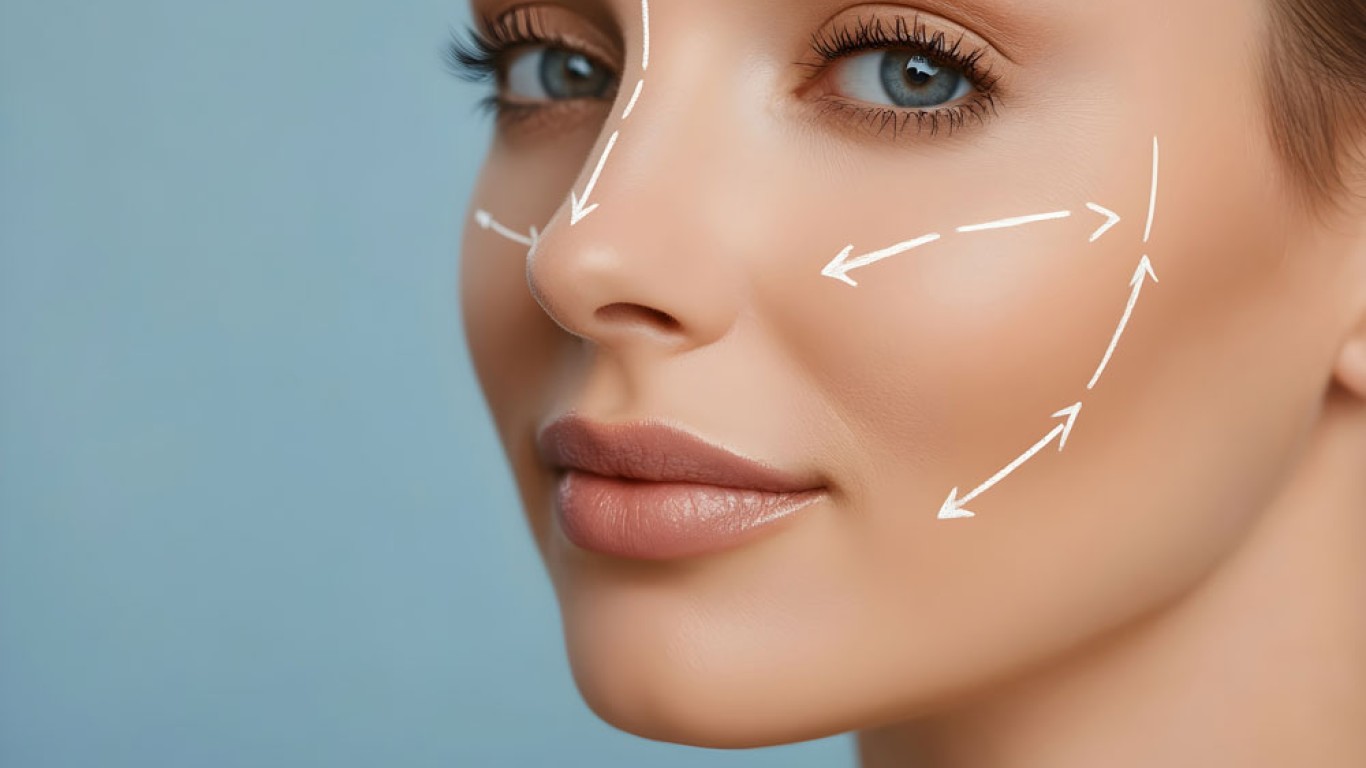
Certain facial zones are more prone to confusion. The under-eye area often shows dehydration lines due to thin skin. These may disappear after rest or hydration. The forehead can display both dehydration lines and early wrinkles. Around the mouth, repeated movement contributes to wrinkle formation. Surface dryness may overlay deeper lines. Distinguishing between causes improves treatment selection. Facial mapping helps clarify concerns.
Lifestyle Habits That Influence Line Appearance
Daily habits affect skin condition over time. Inadequate water intake can worsen dehydration lines. Long hours in air-conditioned environments reduce moisture retention. Sleep disruption also affects skin appearance. Wrinkles are influenced by long-term habits. Sun exposure plays a major role. Smoking affects skin elasticity. Dehydration lines vs wrinkles respond differently to lifestyle changes.
Why Early Intervention Depends on Correct Identification
Early care can improve long-term skin outcomes. Treating dehydration lines early may prevent repeated surface stress. This supports healthier skin texture. Misidentifying wrinkles may lead to unrealistic expectations. Wrinkles require a long-term approach. Immediate fixes are limited. Dehydration lines often resolve quickly. Correct identification guides effective planning. Early intervention works best when based on accurate assessment.
Conclusion
Dehydration lines and wrinkles may look similar, but they form for very different reasons. Dehydration lines affect the skin surface and often resolve with proper hydration. Wrinkles reflect deeper structural changes that develop gradually over time. Understanding the difference allows more effective skincare and treatment planning. Accurate assessment prevents unnecessary concern and improves results. With the right approach, both concerns can be managed appropriately.
For more information and to book a consultation visit the ACIBADEM Beauty Center Skin Treatments webpage.
Frequently Asked Questions
Dehydration does not directly cause wrinkles, but chronic dryness may affect skin quality.
They often resolve when hydration levels are restored and maintained.
Wrinkles develop naturally over time, but their appearance can be managed.
Moisturiser improves surface texture but does not reverse deeper structural changes.
Dehydration lines often improve quickly, while wrinkles remain consistent.