Ataşehir Mah. Feza Sk. No:3 İstanbul / Türkiye
 French
  English
  German
  Spanish
Introduction
Significant weight loss often brings major changes to overall body shape. While these changes are positive, they can also affect breast volume and upper body balance. Many people explore breast augmentation after weight loss to restore fullness and support proportion. This guide explains how augmentation works in post-weight-loss situations. Including what specialists assess, and how people can plan treatment with clarity and confidence.
How Weight Loss Affects Breast Shape
Breasts contain a mix of glandular tissue and fat. When body fat decreases, the breasts may lose volume. This can lead to softer contours and a flatter upper pole. The skin may also loosen depending on elasticity. These changes vary from person to person. Breast augmentation after weight loss helps restore structure by replacing volume that natural tissue no longer provides.
Why Breast Augmentation Is Common After Weight Loss
Weight loss often reshapes the torso. Some people notice clearer waist definition yet reduced fullness in the chest. Augmentation helps balance these proportions. It supports a smoother silhouette and helps clothing fit more consistently. People choose this option to align their new body shape with their preferred upper body contour.
What Specialists Assess Before Treatment
Consultation plays an essential role. Specialists examine:
- Skin elasticity
- Breast footprint
- Chest width
- Tissue thickness
- Desired level of fullness
These details guide implant selection and placement. A structured assessment ensures the chosen approach restores shape without overwhelming the natural frame.
Choosing the Right Implant Type
Several implant types suit breast augmentation after weight loss:
- Silicone implants: These provide soft, natural movement and suit many post-weight-loss bodies.
- Round implants: They help enhance the upper pole and replace lost fullness.
- Teardrop implants: These provide gentle shaping and support natural tapering.
Specialists explain which option suits each person’s structure and goals.
How Implant Size Is Selected
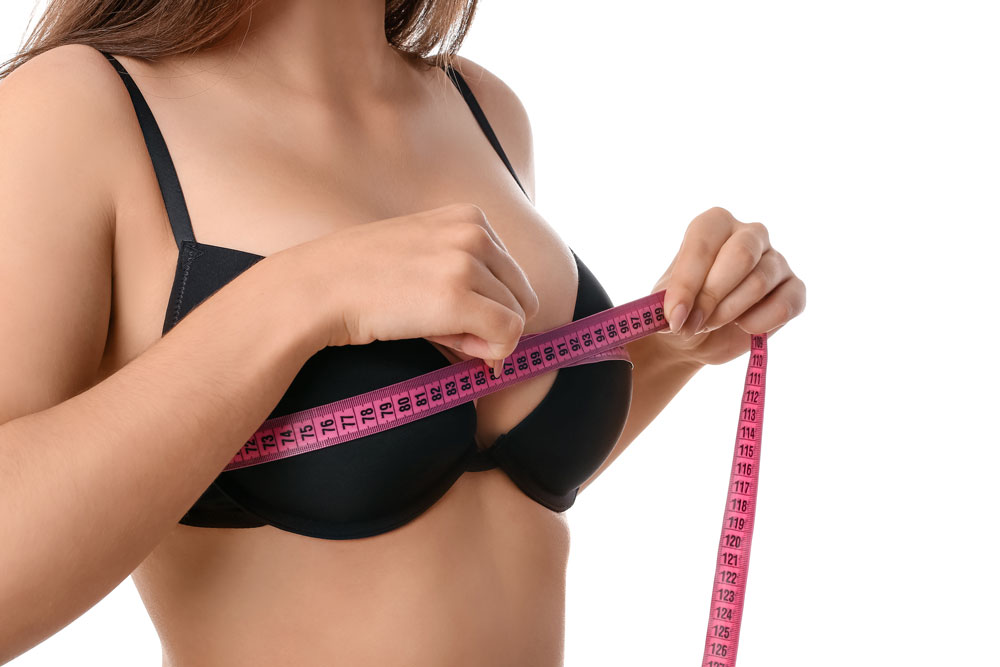
Choosing size requires careful planning. After weight loss, the chest wall, breast width, and tissue coverage can change. Specialists select implants that match the new proportions. The aim is alignment rather than volume alone. People often use size charts or digital visuals to guide selection. The goal is steady and proportional enhancement.
Implant Placement Options
Placement affects the final shape. Two options are common:
- Submuscular placement: The implant sits beneath the muscle. This method supports natural contour, especially when tissue thickness is reduced after weight loss.
- Subglandular placement: The implant sits above the muscle. This suits people with enough natural coverage. Placement is chosen based on anatomy, skin behaviour, and desired definition.
Why Skin Elasticity Matters
After weight loss, skin may not retract evenly. Elasticity affects how the breast holds its shape after augmentation. Specialists examine skin quality because it influences implant support and final contour. When elasticity is strong, implants lift the tissue smoothly. When elasticity is reduced, a combined approach may be recommended.
When a Lift Is Needed with Augmentation
Some people experience both volume loss and tissue descent. In these cases, specialists may suggest combining augmentation with a lift. The lift restores position while the implant restores volume. This combination supports balanced shape. Breast augmentation after weight loss often includes this step because it creates a long-lasting result.
How the Procedure Works
During treatment, the surgeon prepares the implant pocket based on the planned placement. The implant is inserted and positioned carefully. The goal is symmetrical alignment and smooth projection. The process follows a detailed plan created during consultation.
Recovery After Breast Augmentation
Recovery follows a structured timeline. People usually return to light routines steadily. The chest may feel tight in the early phase. Specialists provide guidance on movement, support garments, and follow-up checks. Swelling reduces across several weeks. As the tissue settles, the implants take their final shape.
Expected Results After Weight Loss Augmentation
Results appear gradually. Fuller upper pole shape returns, and the chest gains clearer contour. Clothing fits more evenly. The overall torso appears more proportional. People appreciate how augmentation completes the aesthetic changes already achieved through weight loss.
Long-Term Stability of Results
Implants maintain their structure over time. Stable weight helps preserve the final outcome. Balanced routines and supportive care also help maintain shape. Breast augmentation after weight loss offers long-term enhancement when planned carefully and matched to anatomy.
Why Turkey Is Popular for Post-Weight-Loss Augmentation
Turkey attracts many people due to structured planning, experienced surgeons, and organised treatment pathways. Clinics provide detailed assessments, clear communication, and supportive aftercare. These features help people feel prepared and informed throughout the process.
How to Prepare for Consultation
Preparation includes gathering any weight-loss history, noting goals, and reviewing reference photos. Specialists explain how each option interacts with body structure. This communication shapes a plan that matches expectations and proportions.
Combining Breast Augmentation with Other Post-Weight-Loss Procedures
Some people undergo additional contouring treatments to support full-body harmony. Common combinations include:
- Arm reshaping
- Abdominal contouring
- Back refinement
These combinations help create a cohesive silhouette that reflects overall goals.
Maintaining Results Long Term
People maintain results through steady routines and consistent support garment use during early healing. Balanced exercise and stable weight also contribute to long-lasting definition. Periodic check-ins help ensure the implants remain aligned.
Conclusion
Breast augmentation after weight loss supports balanced contour and restores natural volume. Through detailed planning, implant selection, and structured placement, the procedure enhances the torso in a predictable and proportionate way. Many people choose augmentation to complete their weight-loss results and refine their silhouette with confidence.
For more information and to book a consultation visit the ACIBADEM Beauty Center Breast Augmentation webpage.
Frequently Asked Questions
It restores lost volume and supports balanced proportions.
Not always. It depends on tissue position and elasticity.
The best choice depends on chest width and desired fullness.
People resume light routines steadily as swelling decreases.
Results remain stable with consistent habits and steady weight.