Ataşehir Mah. Feza Sk. No:3 İstanbul / Türkiye
 French
  English
  German
  Spanish
Introduction
Perfect facial symmetry is rare, yet noticeable imbalance can affect overall harmony. Small differences between the two sides of the face are normal. However, some individuals experience more pronounced variation that becomes a cosmetic concern. Facial asymmetry can involve bone structure, muscle activity, fat distribution, or skin laxity. Understanding how asymmetry develops is the first step toward effective correction. Modern techniques focus on subtle refinement and proportion.
What Facial Asymmetry Means in Aesthetic Terms
Facial asymmetry refers to uneven proportions between the left and right sides of the face. This may affect the eyes, brows, cheeks, jawline, or lips. In aesthetic medicine, asymmetry is assessed relative to overall facial balance. Minor differences are usually unnoticeable in daily interaction. More visible asymmetry can draw attention to specific features. It may affect how light reflects across the face. Aesthetic planning considers how each feature relates to the whole. The goal is visual balance rather than mirror-image perfection. Proportion guides treatment decisions.
Common Causes of Facial Asymmetry
Several factors contribute to facial imbalance. Genetics play a significant role in bone structure and muscle placement. Developmental differences can affect jaw alignment or cheek volume. Habitual facial expressions may also influence muscle strength. Injury or dental issues can alter symmetry over time. Ageing causes uneven volume loss or skin laxity. Facial asymmetry often develops gradually. Identifying the underlying cause helps guide appropriate treatment. Accurate diagnosis is essential.
How Facial Asymmetry Is Assessed Clinically
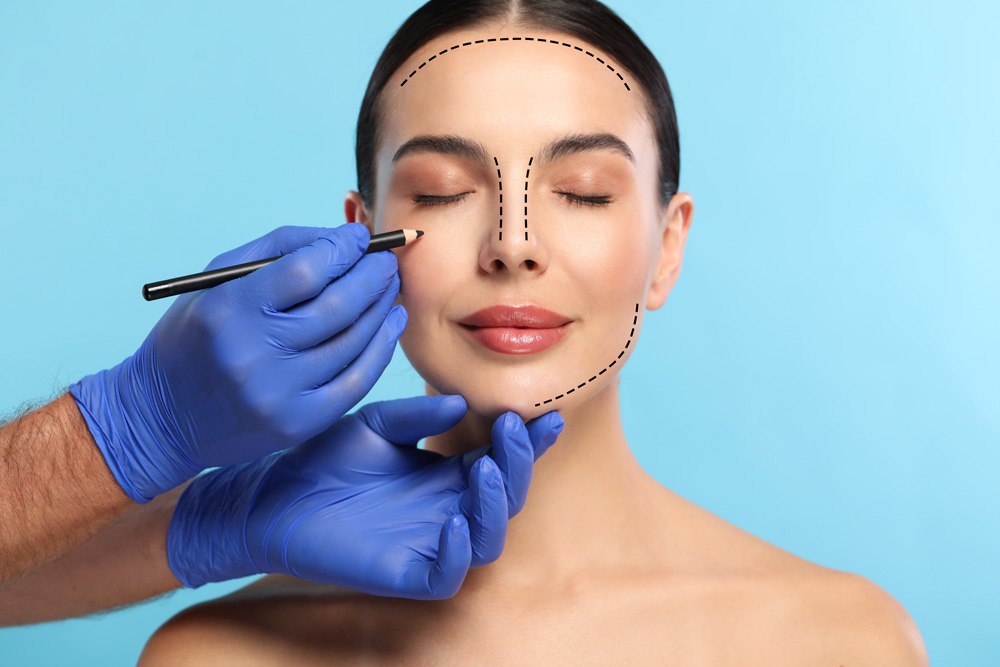
Assessment begins with detailed facial analysis. Practitioners examine facial landmarks from multiple angles. Photographs and measurements help identify imbalance. Movement patterns are also observed. Dynamic asymmetry may appear during expression. Static asymmetry is visible at rest. Understanding both is important. Assessment considers bone, muscle, and soft tissue. This comprehensive approach supports tailored planning.
Non-Surgical Treatments for Facial Asymmetry
Non-surgical options are often suitable for mild to moderate asymmetry. These treatments focus on volume adjustment or muscle balance. They allow gradual refinement without surgery. Planning prioritises subtle correction. Facial asymmetry related to volume loss may be addressed through targeted enhancement. Muscle-related imbalance can be softened with controlled intervention. Results develop progressively. Non-surgical approaches offer flexibility. Ongoing assessment supports balance.
Surgical Options for Structural Asymmetry
When asymmetry involves bone structure or significant tissue difference, surgery may be considered. Surgical approaches focus on repositioning or reshaping. These procedures require detailed planning and imaging. Structural correction aims for long-term balance. Facial asymmetry surgery is highly individualised. Surgeons evaluate skeletal alignment carefully. Soft tissue support is also addressed. Surgical correction integrates function and appearance. Long-term proportion is the priority.
The Role of Muscle Activity in Facial Imbalance
Muscle dominance can influence facial symmetry. This can affect brow height, smile shape, or jaw contour. Over time, muscle imbalance becomes more noticeable. Aesthetic treatments may focus on rebalancing muscle activity. Controlled adjustment allows the opposite side to catch up visually. Facial asymmetry caused by muscle activity responds well to precise planning. Subtle changes create noticeable improvement. Balance rather than stillness is the aim.
Volume Distribution and Facial Harmony
Uneven fat distribution can affect facial contour. One cheek may appear fuller than the other. Ageing can exaggerate these differences. Volume loss often occurs asymmetrically. Restoring balance involves careful placement rather than equal addition. Facial asymmetry treatment considers natural facial contours. Enhancing one area may be preferable to reducing another. Volume planning is conservative. Harmony guides decisions.
How Ageing Influences Facial Asymmetry
As the face ages, asymmetry often becomes more visible. Skin laxity may progress unevenly. Volume loss rarely occurs symmetrically. Muscle tone changes over time. Facial asymmetry related to ageing requires thoughtful planning. Treatments may combine tightening and volume support. The aim is to restore youthful balance. Age-related changes are addressed gradually. Long-term adaptation is considered.
Facial Asymmetry Treatment in Turkey
Turkey has become a destination for advanced facial assessment and aesthetic planning. Clinics emphasise detailed analysis before recommending treatment. Facial balance is evaluated comprehensively. Centres such as Acibadem focus on personalised care pathways. Facial asymmetry is assessed using structured consultation. Treatment plans reflect individual anatomy and goals. International patients value organised processes.
Managing Expectations and Treatment Progression
Correction of facial asymmetry often occurs in stages. Immediate perfection is not the goal. Gradual refinement allows better adaptation. Patients are guided through realistic timelines. Follow-up assessment is important. Adjustments may be made as results develop. Facial asymmetry correction benefits from patience. Clear communication supports satisfaction. Progress is monitored carefully.
Long-Term Outlook for Facial Asymmetry Procedures
Results depend on treatment type and maintenance. Non-surgical treatments may require periodic review. Surgical correction offers longer-term change. Lifestyle factors influence durability. Facial asymmetry can be managed effectively with appropriate planning. Ongoing care supports balance over time. Ageing continues, but harmony can be preserved. Long-term perspective improves outcomes. Balance evolves naturally.
The Importance of Facial Landmarks in Aesthetic Planning
Facial landmarks act as reference points for balance assessment. These include the eyes, nose, lips, and jaw angles. Practitioners study how these features align vertically and horizontally. Small deviations can influence overall harmony significantly. Precise mapping allows targeted refinement. Advanced analysis looks beyond isolated features. Relationships between structures are prioritised. Proportion often matters more than absolute size. Landmark evaluation guides subtle corrections. This approach supports natural-looking outcomes.
Dynamic Versus Static Imbalance in Facial Features
Some imbalances are visible only during facial movement. Smiling, speaking, or raising eyebrows can reveal differences. These are known as dynamic irregularities. Others remain visible even when the face is relaxed. Understanding this distinction shapes treatment planning. Dynamic differences often relate to muscle behaviour. Static differences may involve volume or structure. Addressing each type requires different strategies. Movement analysis is therefore essential.
The Role of Dental Alignment in Facial Balance
Jaw position and dental alignment influence facial proportions. Uneven bite patterns can affect chin position and lower face symmetry. Over time, this may alter muscle tension. Facial appearance can change subtly as a result. Aesthetic assessment may consider dental history. Orthodontic alignment sometimes improves facial balance indirectly. Jaw support affects soft tissue positioning. Collaboration between dental and aesthetic professionals can be beneficial. Structural harmony extends beyond surface features.
How Sleeping Habits Influence Facial Shape Over Time
Long-term sleeping positions can influence facial contours. Consistent pressure on one side may affect tissue distribution. Over many years, this can create visible differences. Skin compression contributes gradually. While subtle, these changes are cumulative. Awareness supports preventive habits. Rotating sleeping positions may help minimise progression. Lifestyle factors play a quiet but relevant role. Facial balance reflects daily routines.
Weight Fluctuations and Uneven Volume Changes
Weight changes rarely affect the face evenly. Fat loss or gain may appear more on one side. These differences can alter overall balance. Gradual weight changes are easier for tissues to adapt to. Rapid changes may exaggerate unevenness. Volume redistribution is considered during aesthetic planning. Stabilising weight supports consistent results. Long-term balance benefits from predictability.
The Psychological Perception of Facial Balance
Human perception is highly sensitive to facial proportions. Even small differences can draw attention unconsciously. Balance influences how expressions are interpreted. However, absolute symmetry is not required for attractiveness. Aesthetic planning considers visual perception rather than mathematical symmetry. The goal is ease of viewing rather than perfection. Natural variation is respected. Balance enhances expression.
Why Gradual Adjustments Often Deliver Better Outcomes
Incremental changes allow tissues to adapt smoothly. Sudden correction can feel unnatural visually. Gradual refinement supports better integration. This approach also allows assessment between stages. Staged planning improves precision. Adjustments can respond to evolving results. Long-term harmony benefits from patience. Small steps often achieve lasting balance. Controlled progression is key.
Long-Term Maintenance of Facial Proportion
Maintaining balance requires awareness over time. Ageing continues to affect structure and volume. Periodic reassessment supports proportion preservation. Maintenance strategies vary between individuals. Lifestyle, skincare, and follow-up planning all contribute. Facial balance is not static. Supporting harmony is an ongoing process. Long-term perspective improves satisfaction. Care evolves alongside natural changes.
Conclusion
Facial asymmetry is a common and multifactorial concern that affects overall facial harmony. Aesthetic treatments focus on restoring balance rather than achieving perfect symmetry. Accurate assessment of structure, muscle activity, and volume guides effective planning. Both non-surgical and surgical options can support improved proportions when tailored carefully. With realistic expectations and expert guidance, facial asymmetry can be addressed in a subtle, natural-looking way.
For more information and to book a consultation visit the ACIBADEM Beauty Center webpage.
Frequently Asked Questions
Yes, most people have some degree of natural facial imbalance.
They can improve mild to moderate asymmetry depending on the cause.
Ageing can make existing asymmetry more noticeable.
No, many cases are managed without surgery.
Duration depends on treatment type and individual factors.