Ataşehir Mah. Feza Sk. No:3 İstanbul / Türkiye
 French
  English
  German
  Spanish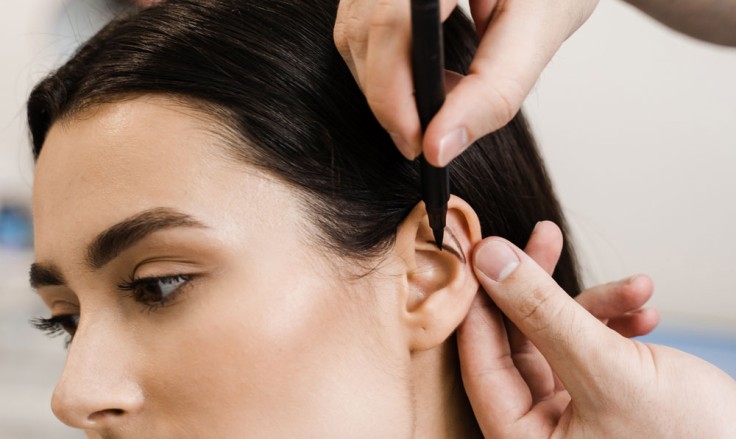
Why Ear Surgery Is Considered
Ears play a subtle yet important role in overall facial balance. When they stand out or develop irregularly, people often feel self-conscious. Ear surgery provides a way to reshape, reposition, or repair them. The reasons for seeking treatment vary, from correcting birth irregularities to addressing damage from accidents. Surgeons also consider patient age and timing, ensuring procedures align with development and lifestyle.
Types of Ear Surgery Explained
There are several types of ear surgery depending on patient needs. Otoplasty is the most common, performed to pin back protruding ears. Reconstructive procedures address injuries or congenital conditions, rebuilding ear shape and structure. Earlobe repair is also popular, especially for stretched or torn lobes caused by heavy jewellery. Each procedure is tailored to restore balance and symmetry.
Otoplasty: A Popular Option
Otoplasty remains one of the best-known types of ear surgery. Surgeons reshape cartilage through small incisions behind the ear. The procedure takes one to two hours and is typically done under local anaesthesia. Recovery is usually quick, with patients returning to light activities within a few days. This option helps reduce prominence and restore harmony to facial proportions.
Reconstructive Ear Surgery
Reconstructive techniques are used when ears have been damaged or malformed. This may involve using cartilage grafts to recreate natural structure. Sometimes rib cartilage is required for major reconstruction. Patients with microtia, a condition where the ear does not fully develop, often benefit from this approach. Reconstructive ear surgery aims to restore both function and appearance, often in multiple stages.
Earlobe Repair and Refinement
Many patients seek smaller corrections, such as earlobe repair. Heavy earrings, gauges, or accidental tears can stretch or split earlobes. Surgeons repair these issues with quick procedures under local anaesthetic. Stitches are removed after one week, and results are long-lasting. This minor form of ear surgery significantly improves confidence with minimal downtime.
How Ear Surgery Is Planned
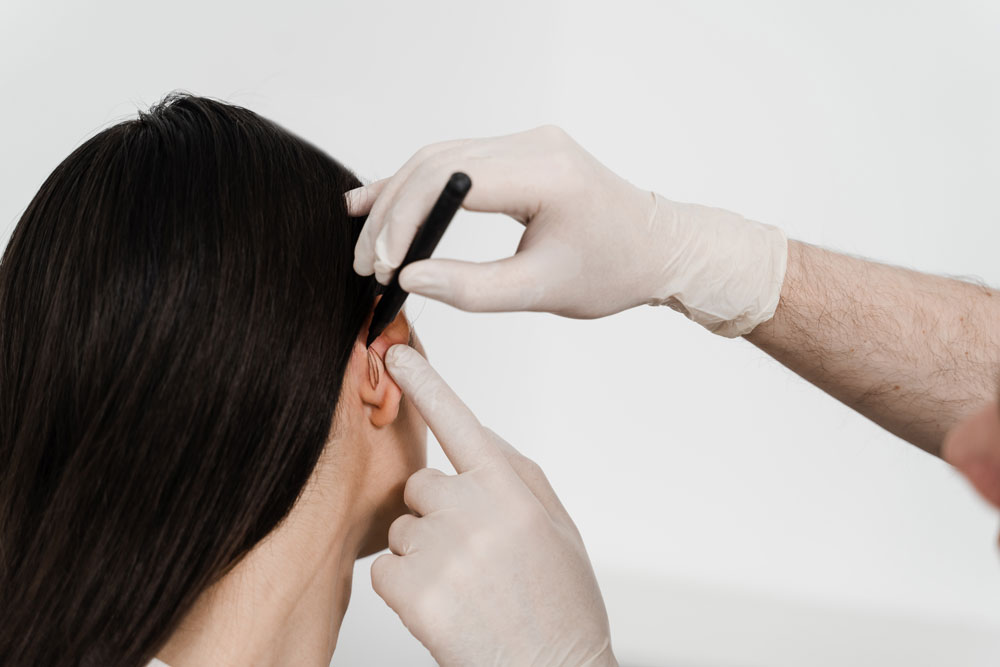
Before surgery, thorough consultation ensures patients have clear expectations. Surgeons review medical history, examine ear shape, and discuss goals. Digital imaging sometimes helps patients visualise outcomes. Planning also considers recovery time, especially for those with active lifestyles or work commitments. These discussions ensure tailored solutions for each individual.
Ear Surgery Recovery Timeline and Comfort
Recovery varies by procedure. Otoplasty patients often wear a supportive bandage for the first few days. Swelling and mild bruising typically resolve within two weeks. Reconstructive cases may require longer healing, depending on complexity. Pain is usually manageable with prescribed medication. Following aftercare instructions ensures smooth recovery and stable results.
Emotional Benefits of Ear Surgery
Beyond physical changes, the emotional benefits are significant. Patients often report improved self-esteem and greater comfort in social situations. For children, ear surgery can prevent bullying and build confidence at a formative age. Adults frequently describe feeling more balanced and less self-conscious. These psychological improvements are just as important as the physical transformation.
Cost of Ear Surgery in Turkey
Many patients travel to Turkey for ear surgery because of affordable pricing. Otoplasty costs often range between £2,000 and £3,000. Reconstructive procedures are more expensive, reflecting their complexity. In the UK or US, prices can be double or triple. Turkish clinics also provide package deals. These include accommodation, transfers and aftercare - making treatment straightforward for international patients.
Why Turkey Has Become a Leader
Turkey’s rise in medical tourism is no coincidence. Surgeons train internationally and often specialise in facial and reconstructive surgery. Clinics invest in modern facilities with strict safety standards. The combination of affordable pricing, advanced techniques, and comprehensive care explains why patients worldwide choose Turkey for ear surgery.
Cultural Perspectives on Ear Shapes
Cultural attitudes toward ears vary. In some traditions, large ears symbolise wisdom or luck. In others, proportion and symmetry are more highly valued. Regardless of cultural context, the personal impact of asymmetry or prominence can be deeply felt. Ear surgery allows patients to align their appearance with personal or cultural ideals.
Combining Ear Surgery with Other Procedures
Sometimes ear surgery is performed alongside other treatments. Rhinoplasty, facelifts, or jawline contouring are common combinations. This approach allows surgeons to harmonise the entire face. Combining procedures also reduces overall downtime, since healing occurs simultaneously. Patients seeking a balanced profile often consider this option during consultation.
Long-Term Outcomes
Results from ear surgery are typically long-lasting. Cartilage reshaping in otoplasty, for example, usually provides permanent improvement. Reconstructive surgeries also deliver stable outcomes once healing is complete. While ageing affects skin and soft tissues, the underlying structural changes remain intact. Most patients enjoy their results for life with no need for repeat surgery.
Ear Surgery Patient Journey in Turkey
International patients often describe their experience in Turkey as seamless. Clinics provide airport transfers, hotel stays, and multilingual support. Staff guide patients through every step, from consultation to aftercare. This hospitality, combined with surgical expertise, creates a positive treatment journey. Many patients also take the opportunity to explore Turkey’s cultural and historical sites during recovery.
Conclusion
Ear surgery addresses both cosmetic and reconstructive concerns, providing lasting improvements in balance, function, and confidence. Options range from otoplasty to earlobe repair and complex reconstruction. Turkey offers affordable, high-quality solutions supported by experienced surgeons and modern facilities. Patients not only improve appearance but also benefit emotionally and socially.
For more information and to book a consultation visit the ACIBADEM Beauty Center Aesthetics webpage.
Frequently Asked Questions
Otoplasty, to pin back protruding ears.
Most patients recover within two weeks, though complex cases may take longer.
Yes, when performed by experienced surgeons in accredited clinics.
Turkey offers advanced techniques, affordable costs, and comprehensive patient care.
Yes, structural reshaping typically lasts a lifetime.