Ataşehir Mah. Feza Sk. No:3 İstanbul / Türkiye
 French
  English
  German
  Spanish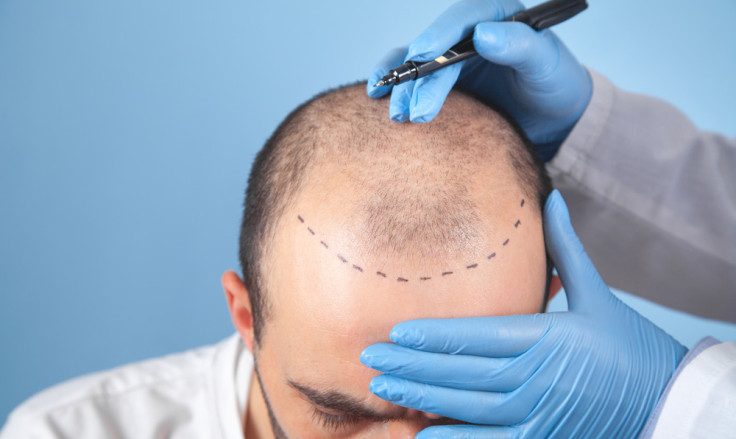
Introduction
Hair restoration has advanced greatly in recent years. Sapphire FUE (follicar unit extraction) now stands out as one of the most refined techniques available. Many individuals choose this method because it supports natural-looking density and precise placement. Understanding how the procedure works helps people decide whether it suits their hair goals. This guide explains each step and outlines the advantages. We will show what to expect before and after treatment.
What Sapphire FUE Actually Is
Sapphire FUE is a hair transplant method that uses blades from sapphire rather than steel. These blades create fine, smooth channels for graft placement. The goal is to ensure clear structure and natural alignment during implantation. Sapphire tools allow narrow incisions, which help specialists work with control. This approach supports refined shaping and steady graft placement across the scalp.
How Sapphire FUE Differs from Standard FUE
Traditional FUE also involves extracting individual grafts, yet the channel openings differ. Steel blades may create slightly wider openings. Sapphire FUE uses sharper blades that form narrow, consistent channels. This helps match the grafts to natural growth angles. Many individuals choose sapphire tools when they want enhanced detail and blending with existing hair.
How the Extraction Stage Works
During extraction, specialists remove individual grafts from the donor area. Each graft contains one to several hairs. The aim is to preserve root structure and maintain even thickness across the donor zone. This careful process supports steady coverage during implantation. The extracted grafts remain hydrated until placed.
How Specialists Create Channels Using Sapphire Blades
Channel creation remains a key stage in the procedure. Sapphire blades allow specialists to form precise openings that match the required angle and depth. This step guides how the new hair lines grow. The narrow shape of the channel helps control orientation. Because the openings remain consistent, the final pattern appears more natural.
Why Sapphire Blades Support Natural-looking Results
Sapphire blades glide smoothly, allowing even spacing and controlled direction. This supports natural flow and balanced density. Individuals choose sapphire FUE because they want grafts placed in a pattern that reflects their natural growth. The technique supports subtle detail needed for soft hairlines and clear density without visible transitions.
Suitability for Different Hair Types
Sapphire FUE suits a wide range of hair textures, including straight, wavy, and curly types. Specialists adjust angles based on natural direction. Because the channels can be tailored carefully, the method supports several scalp patterns. Suitability depends on donor density, overall coverage goals, and long-term planning. A consultation helps determine how the sapphire approach fits individual needs.
How Sapphire FUE Supports Dense Packing
Dense packing requires narrow channels and controlled placement. Sapphire FUE excels in this area because the blades allow close but balanced spacing. This helps specialists create fuller-looking hairlines. Individuals wanting high-density results often choose sapphire tools. Balanced spacing ensures airflow between grafts, which supports healthy growth.
What to Expect During the Procedure
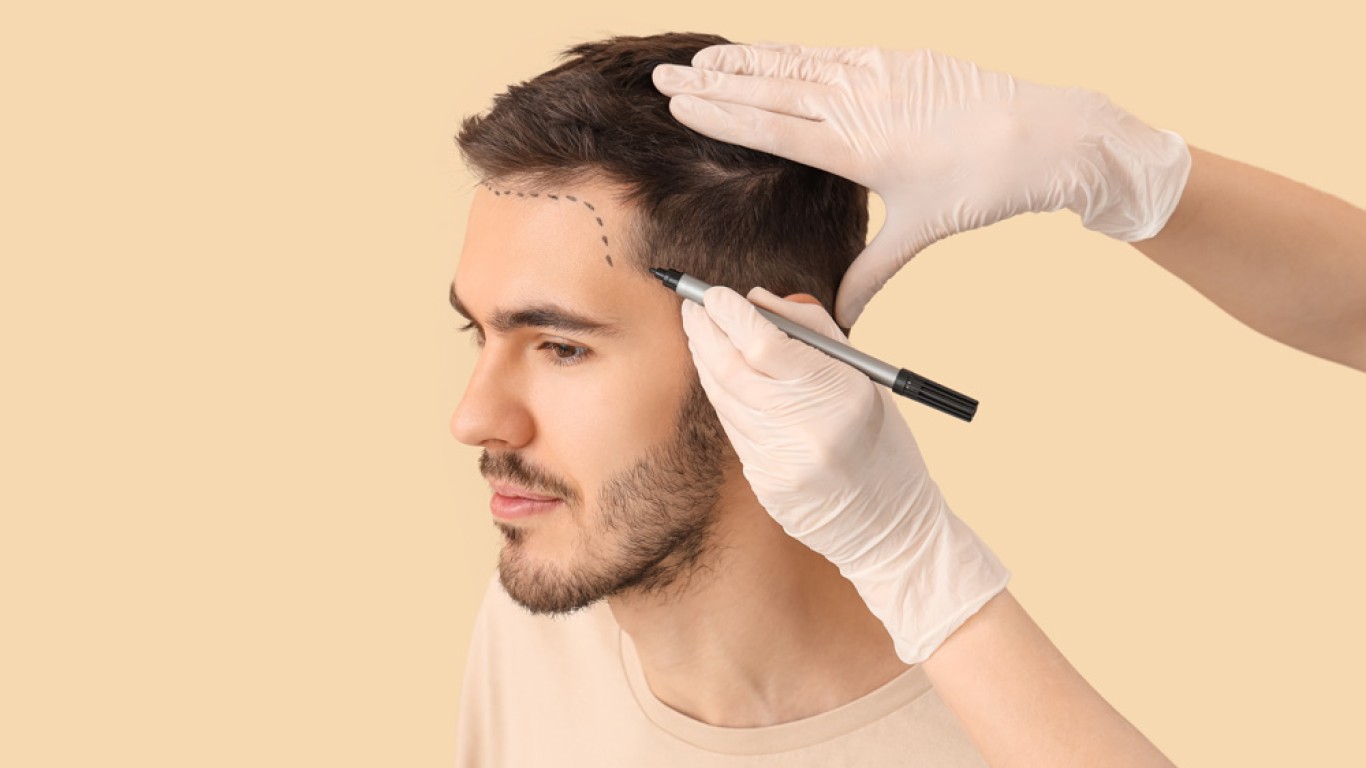
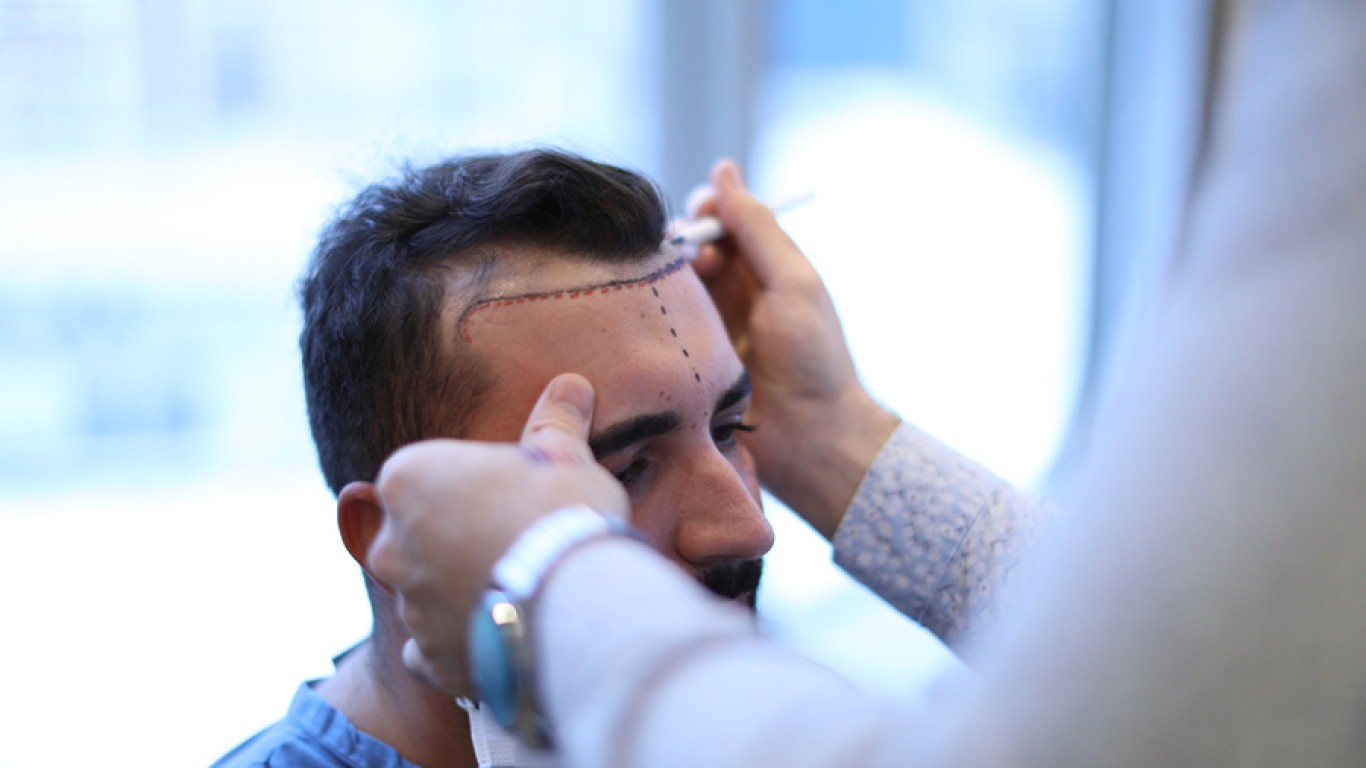
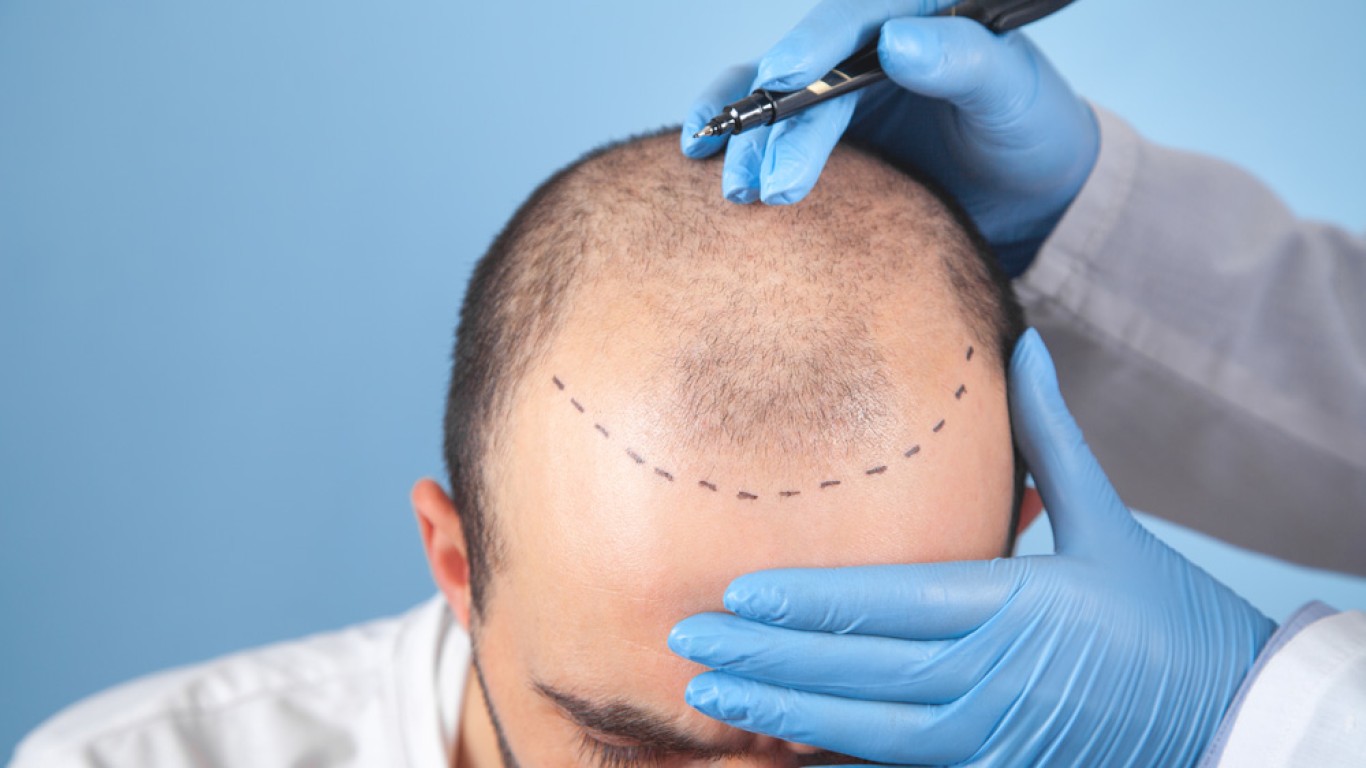
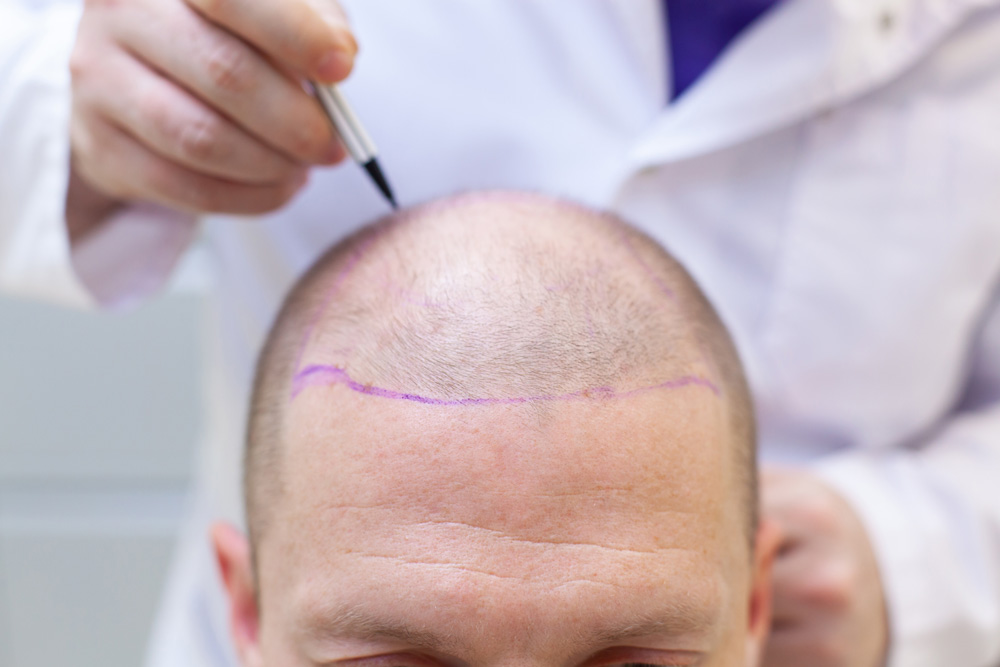
The procedure includes preparation, extraction, channel creation and graft placement. Each stage follows a structured plan. Specialists begin by marking the design. Extraction then takes place in steady intervals. Channel creation follows according to the planned density. Finally, the grafts are placed carefully. Patients will appreciate the predictable flow of the process.
How the Hairline Is Designed
Hairline design plays a major role in overall appearance. Specialists observe natural patterns, age-related shape, and facial features. They adjust angles to match existing hair. Sapphire FUE supports smooth shaping because the narrow blades allow fine detail. This helps the hairline appear soft rather than sharp. Balanced curvature completes the look.
Recovery and What Happens Next
Recovery begins immediately after graft placement. The scalp settles gradually. Small scabs form and shed naturally. Many individuals return to routine activities steadily after the procedure. The grafts enter a normal growth cycle and begin producing new hair within months. The area continues to improve visually as the hair thickens.
When Results Become Noticeable
Early changes appear after several months. The most notable results usually develop between nine and twelve months. This timeline reflects the natural growth cycle of transplanted hair. Sapphire FUE supports strong growth patterns because graft placement follows clear directional planning. As growth continues, density becomes more apparent.
How Long Sapphire FUE Results Last
Transplanted grafts remain long-term because they come from areas resistant to thinning. Once established, they continue growing as natural hair. Daily care and steady routines help maintain clarity. Many individuals enjoy lasting results when they manage overall scalp health. The structure created by sapphire channels supports stable placement.
Why People Choose Sapphire FUE Today
People choose sapphire FUE for several practical reasons. These include refined channel formation, clear angles and natural-looking density. The method supports precise shaping, especially for detailed areas like the hairline. Many prefer the control it offers during graft placement. The technique remains one of the most advanced options in modern hair restoration.
Combining Sapphire FUE with Other Treatments
Some people pair the procedure with supportive scalp treatments for additional improvement. These treatments help maintain the environment for new growth. Specialists advise which combination works best based on scalp condition and density goals. Planning ensures the right balance between restoration and maintenance.
Maintenance After the Procedure
Maintenance focuses on steady care. Gentle washing routines, hydration, and scalp cleanliness support early healing. Long-term care includes routine grooming and supportive products. A consistent schedule helps maintain clarity and balance. Many individuals also attend assessment appointments to monitor ongoing progress.
Conclusion
Sapphire FUE offers a controlled and refined approach to hair restoration. Its narrow blades support natural-looking angles, balanced density and detailed shaping. The method suits individuals wanting clear definition and steady long-term results.
For more information and to book a consultation visit the ACIBADEM Beauty Center Hair Transplant webpage.
Frequently Asked Questions
It uses sapphire blades to create narrow, precise channels.
Yes, it suits straight, wavy, and curly hair.
Early changes appear within months, with full results later.
Specialists design it according to natural direction and facial balance.
Yes, grafts continue to grow naturally long-term.