Ataşehir Mah. Feza Sk. No:3 İstanbul / Türkiye
 French
  English
  German
  Spanish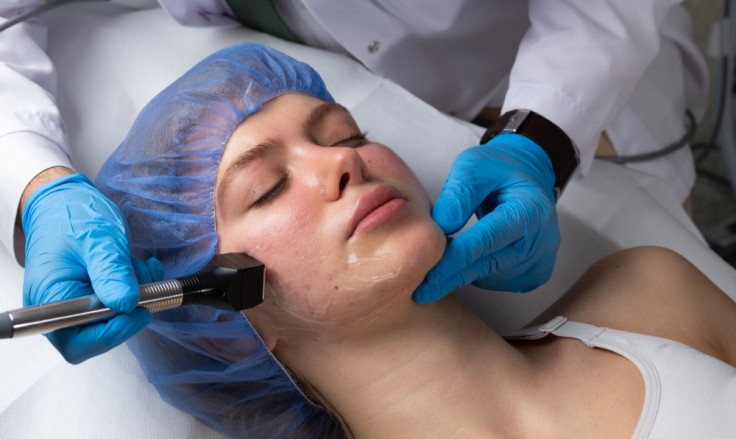
Introduction
Loose skin can affect confidence and make you look older than you feel. Fortunately, skin tightening treatments offer effective solutions. Whether from ageing, weight loss or pregnancy, loose skin can be improved non-surgically or surgically. Today’s treatments are more advanced than ever. They help firm skin, smooth texture and restore youthful contours. From ultrasound to radiofrequency, each option targets different layers of skin. In this article, we’ll explain everything you need to know about skin tightening. We’ll also cover popular methods, who it’s suitable for, and how long results last.
What Is Skin Tightening?
Skin tightening refers to treatments that firm and lift loose or sagging skin. These methods stimulate collagen and elastin production - the key proteins for skin structure. Some techniques are non-invasive, using energy-based devices. Others involve minimally invasive or surgical approaches for deeper tightening. The goal is always the same: to improve skin firmness, elasticity and overall tone. Treatments can be applied to the face, neck, stomach, arms and more.
Skin Tightening: Why Does Skin Lose Firmness?
Skin naturally loses elasticity with age. Collagen production slows in your 30s and continues to decline. Other causes include:
- Major weight loss
- Pregnancy
- Sun exposure
- Genetics
- Smoking
These factors all contribute to sagging, especially around the jawline, stomach or arms. Skin tightening aims to reverse or minimise these visible effects.
Non-Surgical Skin Tightening Treatments
Non-surgical options are very popular. They offer gradual results with minimal downtime.
Ultrasound skin tightening
This uses focused ultrasound energy to target deep layers of skin. It heats tissues and triggers new collagen production over time.
Radiofrequency (RF)
This delivers controlled heat to the skin’s surface and deeper layers. RF improves firmness and smooths fine lines.
Laser skin tightening
Laser devices use infrared light to heat the skin and encourage tightening. This is effective on mild to moderate laxity.
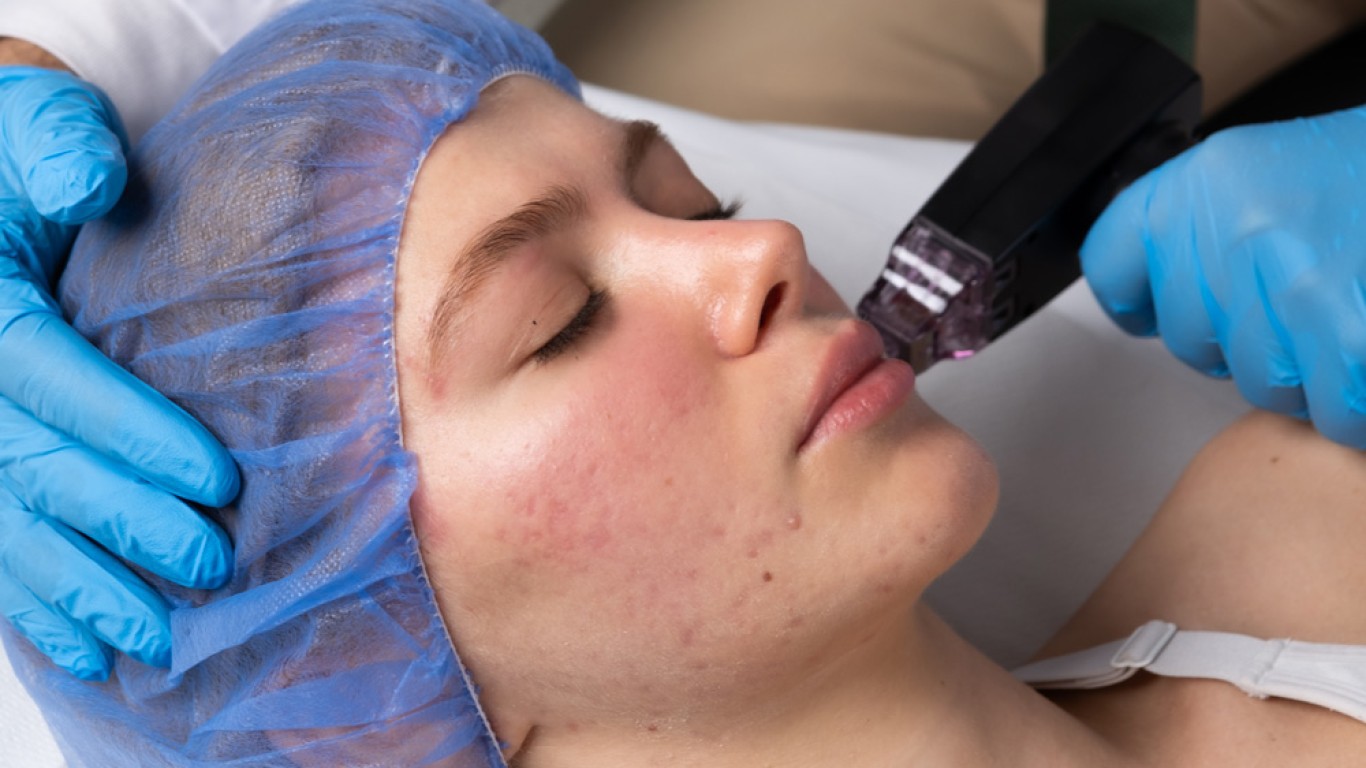
Microneedling with RF
Tiny needles create micro-injuries, combined with radiofrequency heat. This combination enhances collagen production and tightens skin.
All these treatments are performed in clinics, typically in under an hour. Multiple sessions may be needed for best results.
Surgical Skin Tightening Procedures
For more significant sagging, surgical skin tightening may be the best choice.
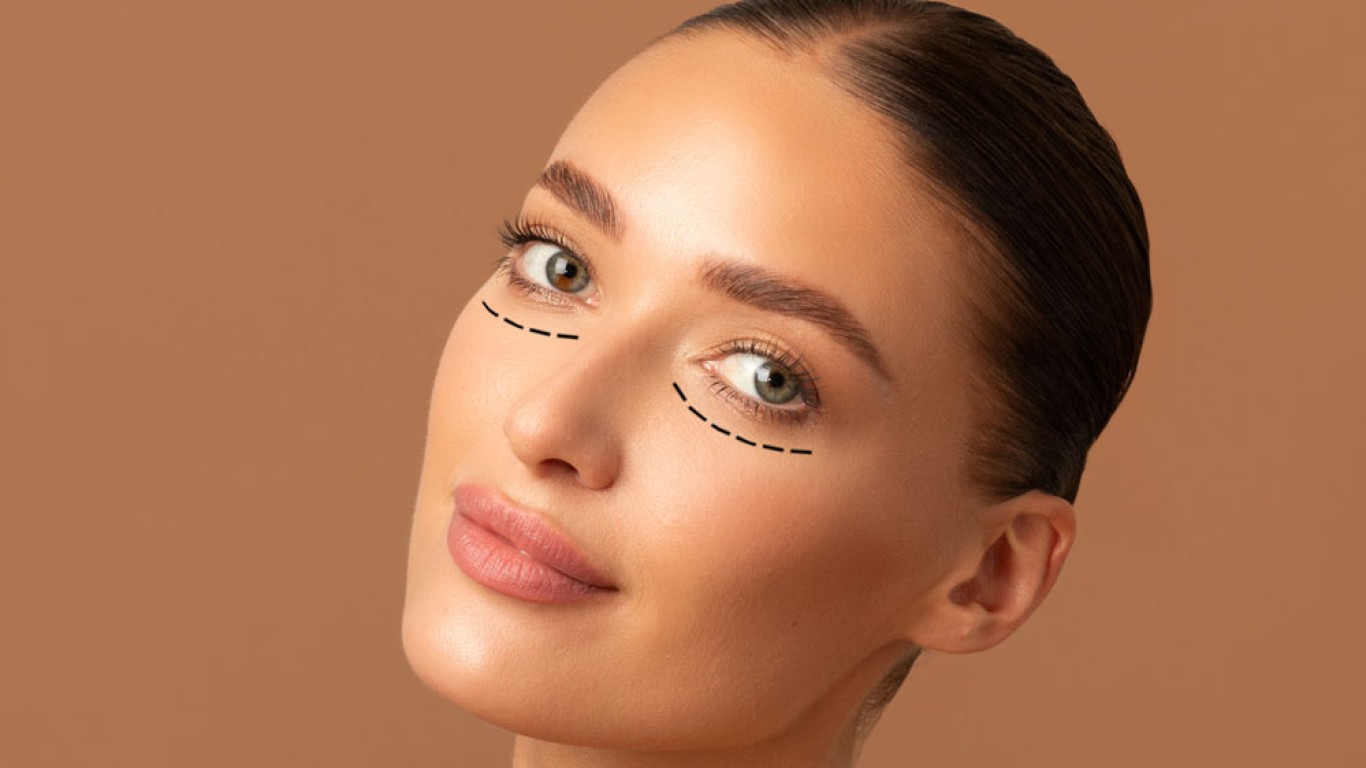
Facelift
A facelift tightens loose skin on the face and neck. Excess skin is removed and tissues repositioned.
Tummy tuck
This procedure removes sagging abdominal skin, often after weight loss or pregnancy.
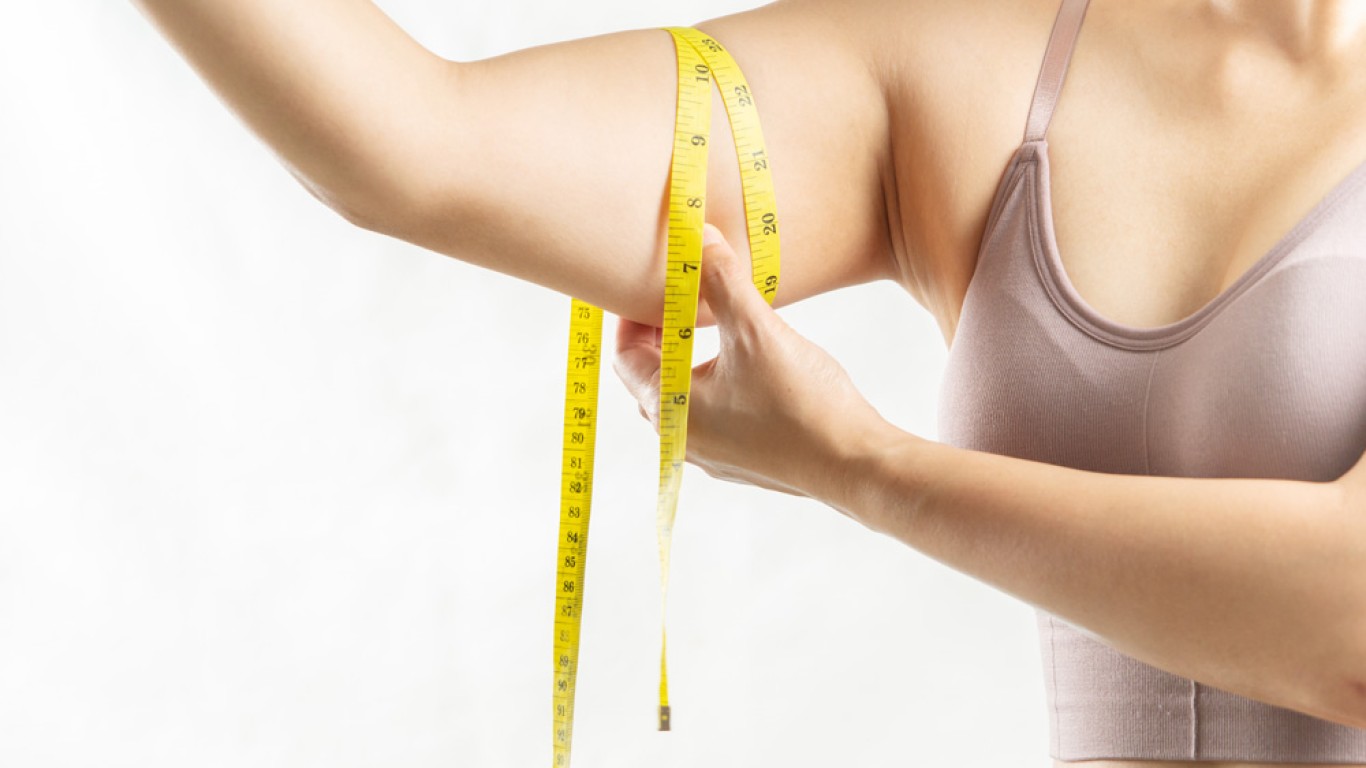
Arm or thigh lift
These remove loose skin in the upper arms or thighs for a more toned appearance.
While recovery takes longer, surgical results are more dramatic and long-lasting.
Who Is a Good Candidate?
Most people with mild to moderate skin laxity can benefit from non-surgical treatments.
Ideal candidates:
- Are in good health
- Have realistic expectations
- Want firmer skin without major surgery
- Have mild to moderate skin sagging
Surgical options are more suitable for those with significant skin laxity.
Your provider will assess your goals and skin condition to recommend the right solution.
Benefits of Skin Tightening Treatments
Skin tightening offers several benefits:
- Firmer, more lifted skin
- Improved skin texture and tone
- Reduced wrinkles and fine lines
- Enhanced jawline or body contour
- Boosted collagen and elastin production
Additionally, non-surgical methods involve little to no downtime. You can return to daily life quickly after treatment.
What to Expect During Skin Tightening Treatment
Non-surgical sessions are usually quick and comfortable. You may feel heat or tingling, but no pain. Each session lasts 30–60 minutes depending on the area. Most patients need a series of sessions, spaced a few weeks apart. Afterward, you can resume normal activities straight away. Some redness or swelling may occur but fades within hours.
How Long Do Skin Tightening Results Last?
Non-surgical results appear gradually over weeks or months. As new collagen forms, skin becomes tighter and smoother. Results can last 6–18 months, depending on the technology used and your skin type. Surgical results last longer - typically many years - but involve more recovery. To maintain non-surgical results, follow-up sessions may be needed once or twice a year.
Skin Tightening for the Face
Facial skin tightening improves:
- Sagging cheeks
- Jowls
- Wrinkles around eyes and mouth
- Laxity under the chin
Non-surgical methods like RF or ultrasound are common. They subtly lift and rejuvenate the face without incisions. For deeper results, mini facelifts or full facelifts offer longer-lasting improvement.
Skin Tightening for the Body
Loose skin on the body often results from weight loss or pregnancy. Common areas treated include:
- Abdomen
- Upper arms
- Inner thighs
- Buttocks
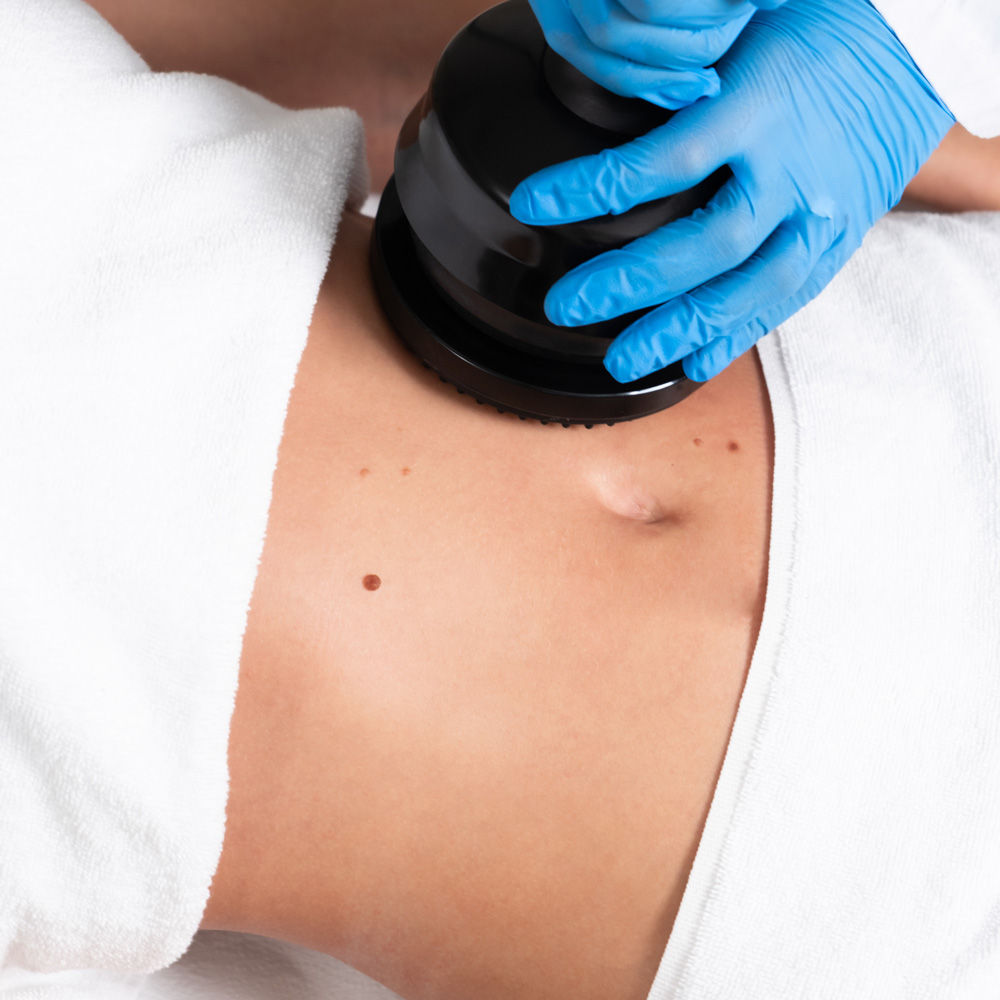
Non-surgical body tightening uses similar energy-based technologies. For extreme cases, surgical lifts may be necessary.
Combining Treatments for Better Results
Skin tightening is often combined with other aesthetic procedures for enhanced results. Examples include:
- Microneedling and RF
- Botox and fillers for facial rejuvenation
- Fat reduction and tightening for body contouring
These combinations maximise outcomes and deliver smoother, firmer skin overall.
Post-Skin Tightening Care Tips
After treatment, take care of your skin to maintain results. Helpful tips:
- Stay hydrated
- Use sunscreen daily
- Avoid harsh exfoliants for several days
- Follow aftercare instructions carefully
- Book follow-up treatments if advised
Healthy skincare habits support collagen growth and keep skin looking firm longer.
Is Skin Tightening Safe?
Yes, when performed by qualified professionals, skin tightening is safe. Non-invasive methods are approved for various skin types and tones. Side effects are usually minimal and temporary. Always choose a certified clinic with experienced practitioners for the best and safest outcome.
Conclusion
Skin tightening is an effective treatment. It helps restore firmness, reduce sagging and achieve a more youthful appearance. Whether you choose non-surgical treatments or opt for surgical procedures, today’s options offer impressive results. By stimulating collagen and targeting loose skin, these techniques can improve face and body contours. Are you considering a treatment? Consult with a qualified specialist to explore what’s right for your goals.
For more information and to book a consultation visit the ACIBADEM Beauty Center Skin Tightening page.
Frequently Asked Questions
Radiofrequency and ultrasound treatments are among the most effective for non-surgical tightening.
Most patients need 3–6 sessions, spaced a few weeks apart, for best results.
Non-surgical treatments have little to no downtime. Redness may occur briefly.
Results usually appear gradually over 2–3 months as collagen builds.
Yes, most modern devices are safe for all skin types and tones.