Ataşehir Mah. Feza Sk. No:3 İstanbul / Türkiye
 English
  German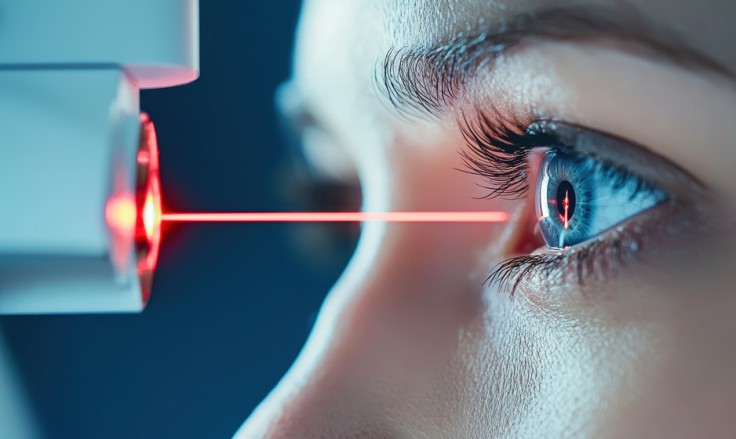
Introduction
This is one of the most widely performed elective procedures globally. Millions of patients have undergone LASIK and achieved clear vision without glasses or contact lenses. Despite its prevalence, patients approaching LASIK eye surgery for the first time have many questions. What does LASIK eye surgery involve? Who is suitable? How long does it last? What are the risks? This article answers the most frequently asked questions about LASIK eye surgery in clear, straightforward terms.
What Is LASIK Eye Surgery?
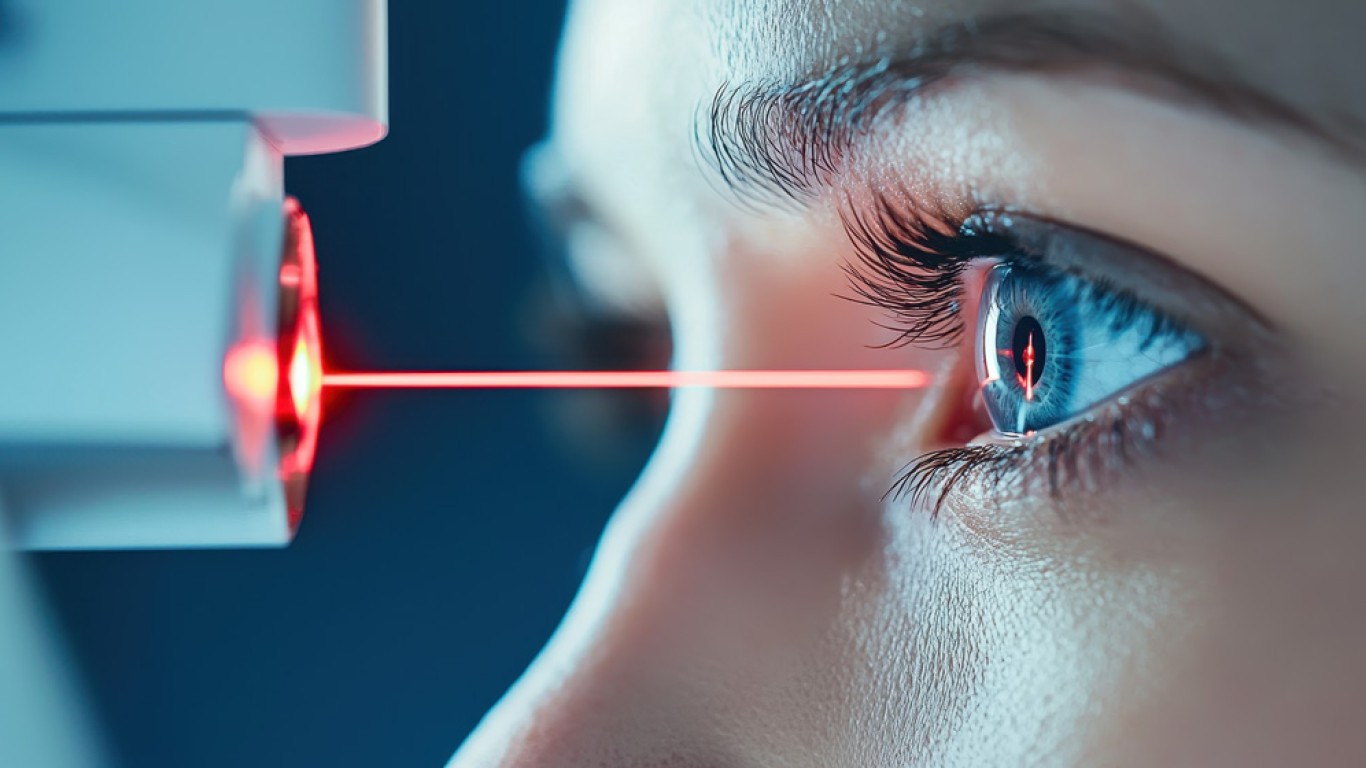
The procedure reshapes the cornea using a precision laser. The cornea is the clear dome at the front of the eye that focuses light onto the retina. When the cornea is the wrong shape, light focuses incorrectly and vision is blurry. LASIK eye surgery creates a thin flap in the outer corneal layer. The laser then removes a precise amount of corneal tissue to correct the curvature. Flap is repositioned. The cornea heals naturally around it. The procedure treats short-sightedness, long-sightedness and astigmatism. Both eyes are treated in the same session. Each eye takes fifteen to twenty minutes. Patients are awake throughout. Anaesthetic drops eliminate discomfort.
Am I Suitable for LASIK Eye Surgery?
Suitability for LASIK eye surgery is determined by pre-operative assessment. Not all patients are suitable. The key requirements are a stable prescription for at least one year and adequate corneal thickness. Patients under eighteen are not suitable because the prescription may still be changing. Patients with very high prescriptions may be better served by alternative laser or lens-based procedures. Pregnancy and breastfeeding temporarily affect both vision and suitability assessment. The pre-operative assessment measures all relevant parameters and confirms suitability for each individual.
Is LASIK Eye Surgery Safe?
This treatment has an excellent safety record across decades of use. Serious complications are rare. The most commonly reported side effects are temporary dry eye, glare and halos around lights. Most resolve within three to six months. Permanent vision loss from this procedure is extremely rare. The pre-operative assessment is the most important safety measure. Patients who meet all suitability criteria and are treated at accredited facilities have the lowest risk profile. A clinic that declines unsuitable patients rather than proceeding regardless is a key marker of quality.
How Long Do Results Last?
Results are permanent in the sense that the laser correction to the cornea does not reverse. The reshaped cornea retains its corrected curvature throughout life. However, natural age-related vision changes continue after LASIK surgery. Most patients who have LASIK in their twenties or thirties will eventually need reading glasses as presbyopia develops after forty-five. This is not a failure of the original treatment. It is a separate age-related process that affects the lens inside the eye rather than the cornea. The vast majority of LASIK patients enjoy clear distance vision for many years after treatment.
What Is Recovery Like After LASIK Eye Surgery?
Recovery is rapid. Vision improves within hours. Mild blurring and sensitivity to light are normal during the first twenty-four to forty-eight hours. Eye drops are used for several weeks. Rubbing the eyes must be avoided for at least one month. Swimming is avoided for four weeks. Most patients read and use screens within one to two days. Driving resumes when vision meets the legal standard. Work can typically resume within one to two days for desk-based roles. Physical activities with eye impact risk are avoided for several months.
How Much Does LASIK Eye Surgery Cost?
In the UK, treatment typically costs one thousand to two thousand five hundred pounds per eye. Both eyes are usually treated together. In Turkey, all-inclusive LASIK packages typically cost five hundred to one thousand five hundred pounds per eye. The cost difference reflects the structural difference in healthcare economics, not laser technology or surgeon qualification. Choosing a clinic based on lowest price alone is not appropriate. Verifying the generation of laser technology used and the surgeon's specific volume matters more than price alone.
What Vision Problems Can LASIK Eye Surgery Treat?
LASIK eye surgery corrects several common refractive errors. Short-sightedness, also called myopia, is the condition most frequently treated. Patients with myopia struggle to see distant objects clearly. Long-sightedness, known as hyperopia, can also be corrected in suitable patients. Astigmatism is another common reason for treatment. This occurs when the cornea has an irregular shape, causing blurred or distorted vision at different distances. Many patients have a combination of these conditions. LASIK surgery can often correct multiple refractive errors during the same procedure. The exact level of correction depends on corneal thickness, prescription strength and overall eye health. A detailed assessment determines whether laser treatment can achieve the desired visual outcome safely.
Preparing for LASIK Eye Surgery
Preparation begins before the day of treatment. Contact lens wearers are usually asked to stop wearing lenses before their assessment. Soft lenses are typically discontinued for one to two weeks. Rigid lenses often require a longer break. This allows the cornea to return to its natural shape before measurements are taken. Patients should attend their appointment without eye makeup, creams or perfumes around the eyes. Arranging transport home is important because driving immediately after LASIK surgery is not recommended. The ophthalmologist explains the procedure, expected recovery and aftercare in detail. Understanding every stage of treatment helps patients feel more confident and relaxed on the day of surgery.
Conclusion
LASIK eye surgery is a safe, effective and long-lasting treatment for common refractive errors. Millions of people worldwide have undergone LASIK and describe the experience as life-changing. Waking without the immediate need for glasses or contact lenses is one of the most consistently reported benefits. The freedom to swim, exercise and travel without optical aids improves quality of life in practical, meaningful ways. Patients who have worn glasses since childhood frequently describe the result as transformative. The emotional and practical benefits extend well beyond the clinical outcome figures that studies measure.
The pre-operative assessment is the most important step. It determines suitability and establishes the parameters for safe treatment. Results are excellent in appropriately selected patients. Recovery is rapid. Side effects are typically mild and temporary. Turkey offers LASIK at accredited clinics using current-generation laser technology at significantly lower cost than UK providers. Professional consultation and pre-operative assessment are the essential starting points for any patient considering LASIK eye surgery.
For more information about eye surgeries and to book a consultation visit the ACIBADEM Beauty Center Laser Eye Surgery page.
Frequently Asked Questions
LASIK corrects short-sightedness up to minus ten dioptres and astigmatism up to six dioptres. The pre-operative assessment confirms whether the prescription falls within the treatable range.
No. Anaesthetic eye drops are used before the procedure. Most patients describe a sensation of pressure rather than pain. Mild discomfort and watering eyes are normal in the hours after treatment.
Yes. Treating both eyes in the same session is standard practice. This means a single recovery period rather than two separate procedures.
The pre-operative assessment determines the most appropriate procedure for each patient's corneal characteristics and prescription. LASIK is not the only option. LASEK, SMILE and lens-based procedures are alternatives for certain patients.
Driving resumes once vision meets the legal standard for driving, typically within three to five days of treatment. The clinic confirms when driving is safe at the follow-up review.