Ataşehir Mah. Feza Sk. No:3 İstanbul / Türkiye
 French
  English
  German
  Spanish
Introduction
Otoplasty is a surgical procedure that reshapes prominent or protruding ears. The surgery is popular among both adults and children who feel self-conscious about their ear appearance. Many patients have important questions before committing to treatment. These otoplasty faqs address the most common concerns raised during consultations. Understanding the answers helps patients and parents approach the procedure with confidence. From how the surgery works through recovery, scarring and cost, these otoplasty faqs cover every essential aspect. This article provides clear, honest answers to support informed decision-making about ear correction surgery.
What Is Otoplasty?
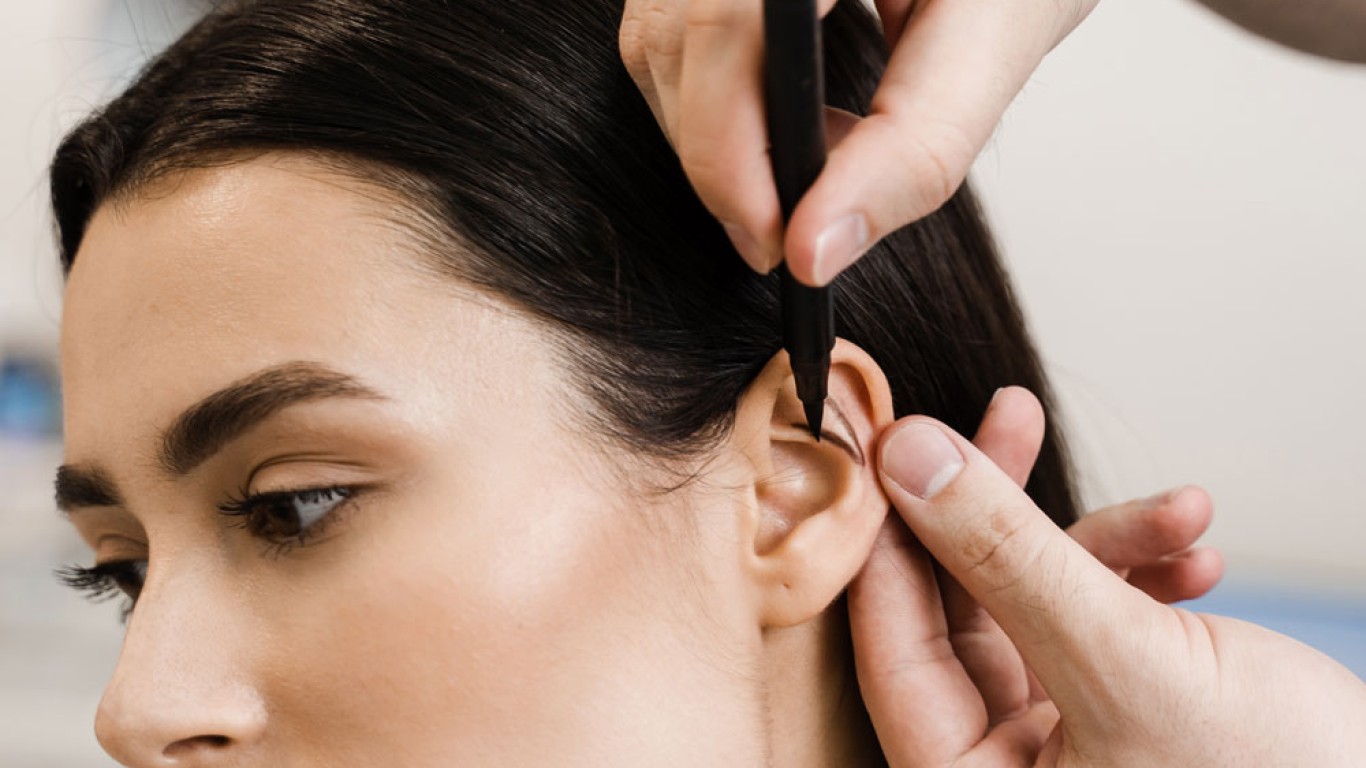
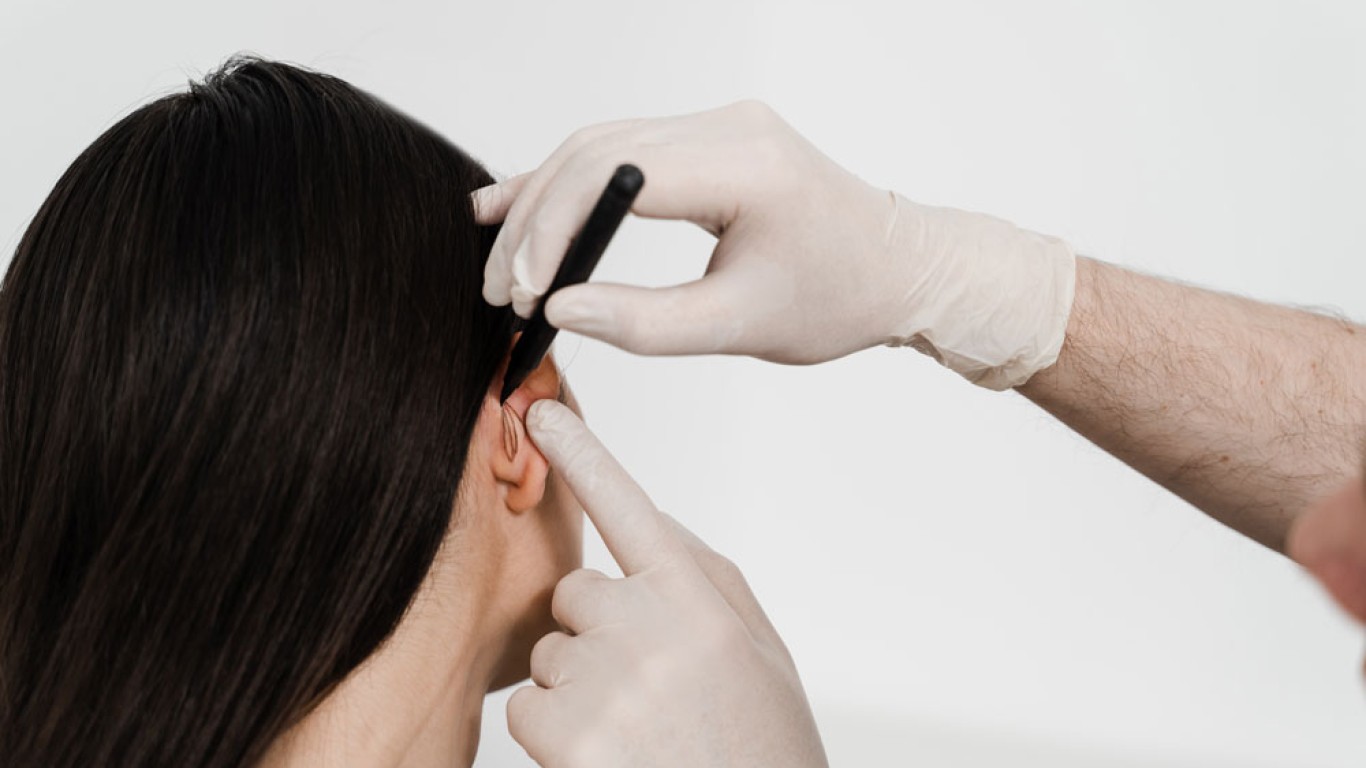
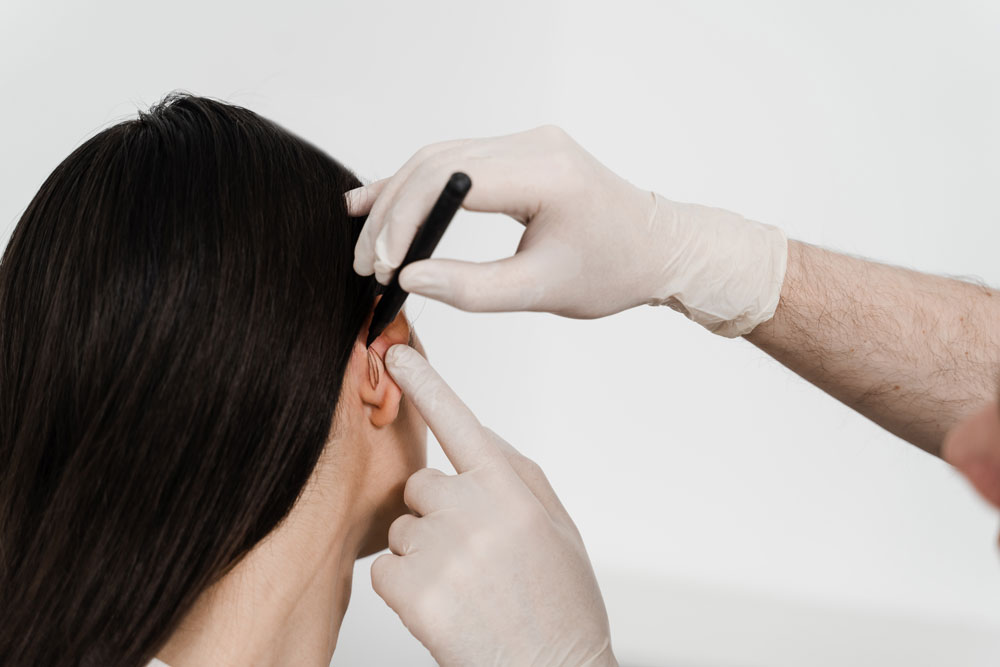
Otoplasty is a surgical procedure that repositions and reshapes the ears. The surgery corrects ears that protrude excessively from the head. The surgeon reshapes the ear cartilage through an incision behind the ear. Sutures hold the cartilage in its new position closer to the head. The procedure can reduce ear size, correct asymmetry and reshape the ear structure. Both ears are typically treated in a single session. The incision behind the ear heals discreetly and is hidden from view. The procedure takes one to two hours depending on the complexity. Results are permanent.
Otoplasty FAQs: What Age Is Appropriate?
Ear correction surgery can be performed from approximately age five onward. By this age the ears have reached about ninety percent of their adult size. Early treatment can prevent years of self-consciousness during childhood. Many parents choose otoplasty for their children before they start school. Adult otoplasty is equally common and effective. There is no upper age limit for the procedure. Adults who have lived with prominent ears for decades often describe the decision to have otoplasty as one they wish they had made sooner. The cartilage in younger patients is softer and more pliable, making reshaping slightly easier. Adult cartilage is firmer but responds well to surgical techniques. This is one of the most common otoplasty faqs from parents.
Otoplasty FAQs: How Is the Surgery Performed?
The surgical technique varies depending on the specific correction needed. The surgeon makes an incision behind the ear in the natural crease. Through this incision, the cartilage is accessed and reshaped. Scoring, suturing or removing cartilage achieves the desired shape. Mattress sutures are commonly used to fold the cartilage into a more natural position. The antihelical fold is often created or enhanced to bring the ear closer to the head. Excess cartilage may be trimmed if the ears are too large. The incision is closed with sutures. Children typically receive general anaesthesia. Adults may have local anaesthesia with sedation.
Otoplasty FAQs: Does It Hurt?
Otoplasty is well tolerated by both adults and children. During surgery, anaesthesia ensures the procedure is completely painless. After surgery, mild to moderate discomfort is common for the first few days. The ears feel tender, tight and somewhat throbbing. Pain medication manages discomfort effectively. Most patients describe the pain as manageable rather than severe. Children typically recover quickly and tolerate the discomfort well. A protective headband worn after surgery provides support and comfort. Discomfort decreases significantly after the first three to four days. By one week, most patients require only occasional pain relief. This is one of the most reassuring otoplasty faqs, particularly for parents considering surgery for their children.
Otoplasty FAQs: What Is Recovery Like?
Recovery from otoplasty follows a straightforward timeline. A protective bandage covers the ears for the first few days. A headband is then worn continuously for one to two weeks and at night for a further four to six weeks. This protects the ears during sleep. Sutures are removed at one to two weeks or dissolve naturally. Mild swelling and bruising are common during the first week. Most adults return to work within one week. Children typically return to school within seven to ten days. Contact sports should be avoided for six to eight weeks. Swimming should wait until the surgeon confirms the incisions have fully healed. Most patients describe recovery as manageable and quicker than expected. This is one of the most practical otoplasty faqs.
Otoplasty FAQs: Will There Be Visible Scars?
Scarring from otoplasty is typically very discreet. The incision is placed behind the ear in the natural crease where the ear meets the head. This location is hidden from view in all normal situations. The scar itself fades to a thin pale line over 12-18 months. Even when the hair is worn up or short, the scar is virtually invisible. In some techniques, small additional incisions on the front of the ear may be used. These heal inconspicuously within the natural ear contours. Scar care including sun protection during healing supports the best cosmetic outcome. Most patients forget about their scars entirely within a year.
Otoplasty FAQs: Are Results Permanent?
Otoplasty results are permanent in the vast majority of cases. Once cartilage has been reshaped and secured with sutures, the ears maintain their corrected position. The cartilage heals in its new shape. Partial recurrence where one ear relaxes slightly outward is uncommon but possible. This occurs in approximately 5-10% of cases and can usually be corrected with a minor revision. The ears continue to age naturally alongside the rest of the face. The corrected position is maintained throughout life. Most patients enjoy their improved ear appearance permanently without any need for further treatment. This is one of the most encouraging otoplasty faqs for patients considering the investment.
Otoplasty FAQs: How Much Does It Cost?
Otoplasty cost varies by country and surgeon experience. UK pricing typically ranges from three thousand to four thousand five hundred pounds. Turkey offers competitive all-inclusive packages for one thousand five hundred to three thousand pounds. Turkish packages commonly include surgeon fees, hospital charges, hotel accommodation and transfers. The NHS may fund otoplasty for children if prominent ears cause significant psychological distress. However, access varies by region. Private treatment offers faster access and choice of surgeon. Even with flights, most patients save significantly by choosing Turkey. The permanent nature of results means otoplasty cost represents a one-time investment in lasting confidence. This is one of the most practical otoplasty faqs for budgeting purposes.
Otoplasty FAQs: Can Both Ears Be Done at Once?
Both ears are typically corrected in a single surgical session. This is standard practice and does not significantly increase the risk or complexity of the procedure. Treating both ears together ensures symmetry is achieved during a single operation. The surgeon compares both sides throughout the procedure. Recovery from bilateral otoplasty is the same as for a single ear. The headband protects both ears equally. Some patients have asymmetry where only one ear protrudes. In these cases, only the affected ear may be treated. The surgeon assesses whether one or both ears need correction during consultation. Bilateral treatment in a single session is both practical and cost effective. This is one of the most straightforward otoplasty faqs.
Otoplasty FAQs: How Do I Choose a Surgeon?
Choosing the right surgeon is essential for otoplasty success. The surgeon should be board certified in plastic surgery with specific experience in ear correction. Before and after photographs should demonstrate consistent natural-looking results. The ears should appear proportionate rather than obviously pinned. Reviews from previous patients and parents provide honest insight. The consultation should assess ear anatomy carefully. The surgeon should explain the technique, expected outcomes and realistic limitations. Hospital or clinic accreditation provides safety assurance. Experience with both adult and paediatric otoplasty indicates versatile expertise. Taking time to compare providers supports the best decision.
Conclusion
These otoplasty faqs cover the most essential questions patients and parents ask when considering ear correction surgery. The procedure offers permanent correction of prominent ears through a straightforward surgical approach. Recovery is manageable with most patients returning to normal activities within one to two weeks. Scars are hidden behind the ear and become virtually invisible. Results last a lifetime in the vast majority of cases. Cost varies by country with Turkey offering competitive all-inclusive pricing. Professional consultation provides personalised answers to individual otoplasty faqs based on specific ear anatomy and goals. Understanding these fundamentals supports confident decision-making about this confidence-boosting procedure.
Considering otoplasty? Book a consultation via the ACIBADEM Beauty Center aesthetics page.
Frequently Asked Questions
One to two hours for both ears.
Yes, from approximately age five when ears are near adult size.
Contact sports should be avoided for six to eight weeks.
Yes, the goal is proportionate, natural-looking ears.
Continuously for one to two weeks, then at night for four to six weeks.