Ataşehir Mah. Feza Sk. No:3 İstanbul / Türkiye
 English
  German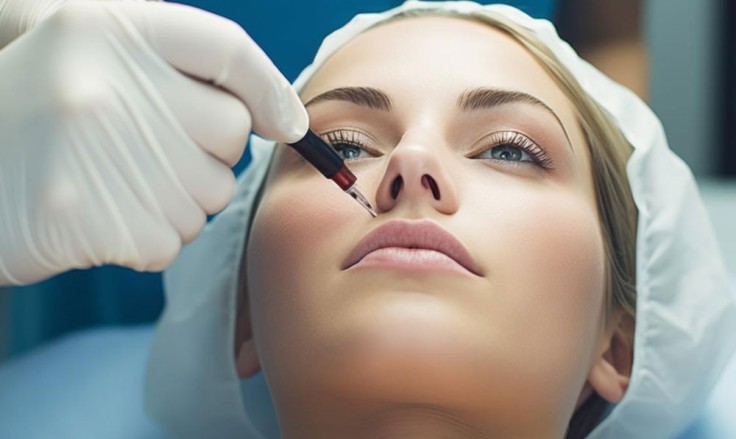
Introduction
PRP treatment has become one of the most established regenerative therapies in aesthetic medicine. It uses the patient's own blood to create a concentrated solution of growth factors, which are injected into the skin or scalp to stimulate tissue repair, collagen production and cellular regeneration. Because no foreign substances are introduced, the risk of allergic reaction is extremely low. Instead, the treatment works by supporting the body's natural healing processes. PRP is widely used for facial rejuvenation, hair loss, hair transplant recovery, joint conditions and post-surgical healing. Although each application is different, they all rely on the same biological mechanism. Concentrated growth factors encourage tissue repair and regeneration, producing gradual, natural-looking improvements rather than immediate dramatic changes.
This approach appeals to patients seeking subtle enhancements with minimal downtime. Over the past decade, the scientific evidence supporting PRP has expanded considerably. It is now recognised as a reliable treatment across several medical and aesthetic specialties. While a single session may provide some benefit, most patients achieve the best outcomes after completing a recommended course of treatment, followed by maintenance sessions when appropriate. This article answers the most frequently asked questions about PRP treatment, explaining how it works, who it suits and what results patients can realistically expect.
What Is PRP Treatment and How Does It Work?
Treatment begins with a blood draw from the patient's arm. The blood is placed in a centrifuge that spins it at high speed. This separates the blood into its components. Red cells settle at the bottom. Platelet-rich plasma is collected from the layer above. This plasma contains a concentration of platelets several times higher than in whole blood. Platelets contain growth factors including VEGF, PDGF, IGF and TGF-beta. When injected, these growth factors signal the body to repair tissue and stimulate new collagen. The process uses the patient's own biology. There is no foreign substance involved.
What Conditions Does PRP Treatment Address?
PRP treatment is used across several clinical applications. Facial PRP treatment is injected into the skin to improve texture, tone and collagen density. It is used to address fine lines, dull skin and early skin laxity. Scalp PRP injects growth factors directly into the scalp. This stimulates hair follicle activity and reduces miniaturisation. PRP after hair transplant surgery improves graft survival and accelerates growth onset. Knee and joint PRP treatment supports cartilage repair and reduces inflammation in degenerative conditions. Post-surgical PRP speeds tissue healing across surgical contexts. PRP treatment also supports recovery following certain aesthetic procedures. Improved healing may reduce downtime and enhance overall treatment outcomes.
How Many Sessions Are Needed?
The number of sessions depends on the application. Facial PRP for rejuvenation typically requires three to four sessions spaced four to six weeks apart. Scalp PRP treatment for hair loss typically requires six to eight sessions during the intensive phase. Monthly maintenance sessions sustain the result long term. PRP after hair transplant is performed in three to four sessions in the first six months. The first session is often on the day of surgery. Subsequent sessions target the dormant and early growth phase. The practitioner adjusts the protocol based on the patient's individual response. Regular reviews help determine whether maintenance sessions should be adjusted. Individual treatment plans remain flexible according to clinical progress.
What Results Can I Expect?
Results develop gradually rather than appearing immediately. Skin PRP produces visible improvement in texture and radiance within four to six weeks of each session. Cumulative improvement continues across the course and for several months after the final session as new collagen matures. Hair PRP treatment produces visible improvement in hair density after four to six sessions. The full benefit of a complete course becomes apparent three to six months after the last session. Results from PRP after hair transplant include improved graft survival and earlier onset of visible growth. PRP treatment does not produce the same level of correction as surgical or laser procedures. Healthy lifestyle habits also influence treatment outcomes. Good nutrition, hydration and avoiding smoking support the body's natural healing response. Patients should maintain realistic expectations throughout the treatment course.
Conclusion
PRP treatment harnesses the patient's own growth factors to stimulate tissue repair, collagen production and cellular regeneration. It is used for facial rejuvenation, hair loss, post-hair-transplant recovery and joint conditions. Multiple sessions are required for meaningful results. Treatment is safe, with minimal side effects. Quality of preparation is the most important variable in outcome quality. Turkey offers PRP at significantly lower cost than the UK through accredited clinics using validated preparation systems. Professional consultation establishes the most appropriate application and protocol for each patient. Consistent treatment and appropriate maintenance produce the strongest long-term improvements. Choosing an experienced practitioner ensures safe treatment, realistic expectations and personalised care throughout the entire PRP journey.
For more information about PRP and to book a consultation visit the ACIBADEM Beauty Center PRP page.
Frequently Asked Questions
Yes. PRP treatment combines very effectively with microneedling, mesotherapy and hair transplant surgery. The combination produces better results than either treatment alone. The practitioner advises on the most effective combination.
Results from facial PRP typically last six to twelve months. Hair PRP results are maintained with periodic maintenance sessions every three to six months. Results from PRP after hair transplant are permanent as they contribute to long-term graft health.
PRP treatment involves multiple small injections. Topical anaesthetic cream applied before treatment significantly reduces discomfort. Most patients describe mild stinging or pressure. Scalp PRP is slightly more uncomfortable than facial PRP for most patients.
PRP treatment is not suitable during pregnancy or breastfeeding. Patients with platelet disorders, active infection, blood-thinning medications or certain autoimmune conditions may not be suitable. The practitioner reviews medical history before treatment.
PRP treatment supports hair follicle health and can slow or reverse early miniaturisation. It is not a permanent cure for hair loss. Ongoing maintenance sessions are needed to sustain the improvement. In the context of hair transplant, PRP supports graft survival and improves the long-term health of transplanted follicles.