Ataşehir Mah. Feza Sk. No:3 İstanbul / Türkiye
 English
  German
  Spanish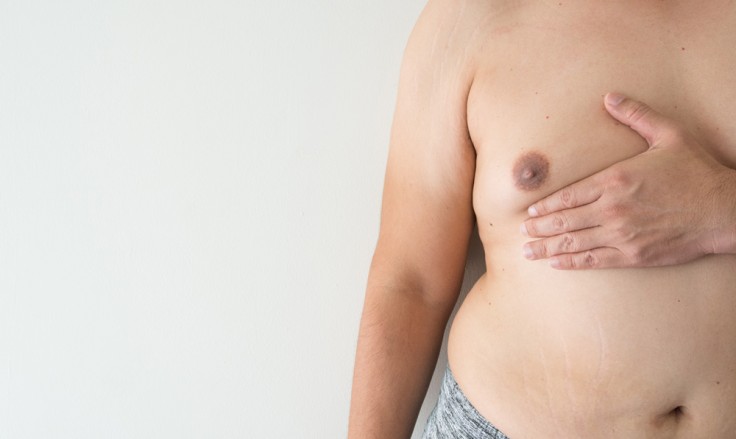
Introduction
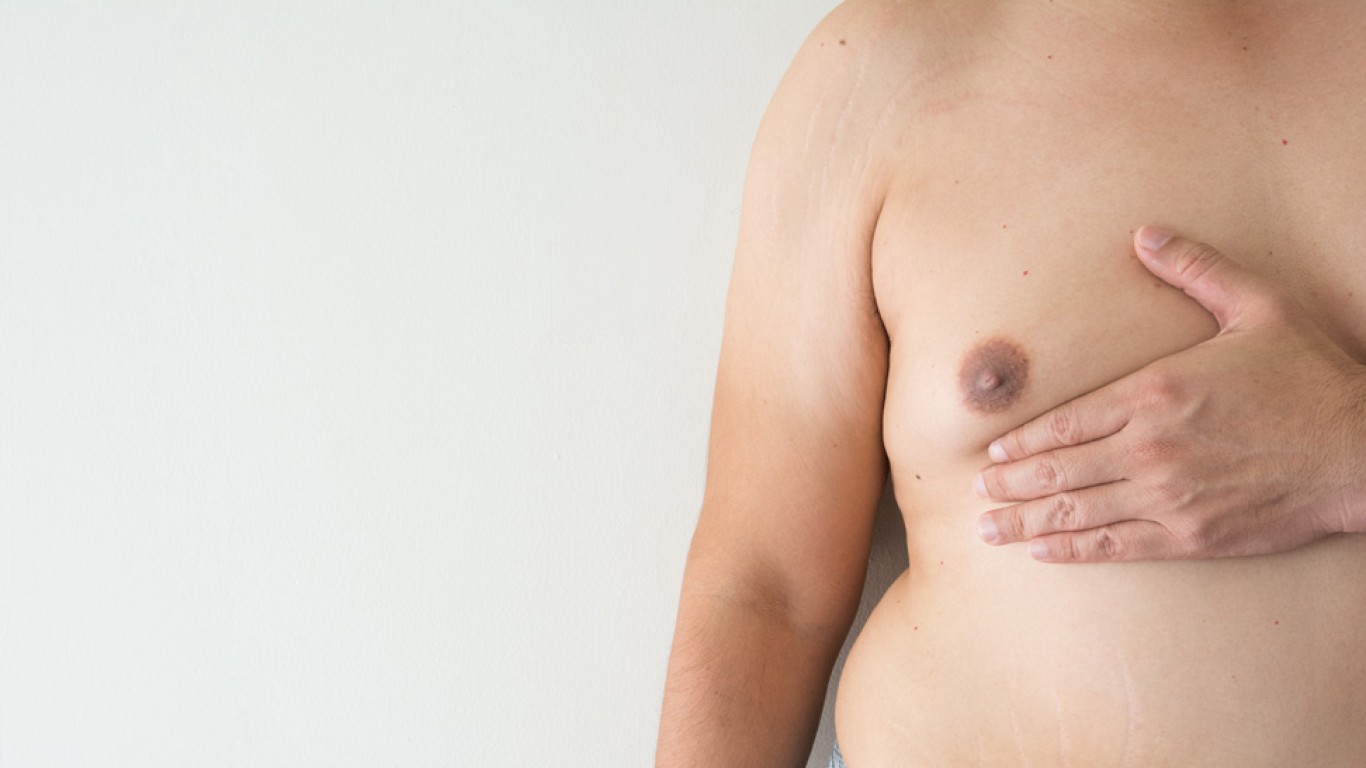
Gynecomastia is the enlargement of breast tissue in males. It is more common than many people realise. The condition affects self-confidence and comfort for many men. Despite its prevalence, gynecomastia is surrounded by questions and misconceptions. Men often delay seeking help because they feel embarrassed. Understanding the facts helps patients approach the condition with confidence. This article answers seven of the most common questions about gynecomastia clearly and practically.
1. What Causes Gynecomastia?
The condition results from an imbalance between oestrogen and testosterone. All men produce small amounts of oestrogen. When oestrogen levels rise relative to testosterone, breast tissue grows. Hormonal changes during puberty are the most common cause. Most adolescent cases resolve naturally within two years. Adult cases have several possible causes. Certain medications contribute. Antidepressants, heart medications, anti-androgens and anabolic steroids are common culprits. Weight gain increases oestrogen production from fat tissue. Liver and kidney conditions affect hormone metabolism. Ageing naturally reduces testosterone levels. The condition can also be idiopathic. This means no specific cause is identified despite investigation. It is benign and is not associated with male breast cancer in the vast majority of cases. Medical assessment confirms the diagnosis and identifies any treatable underlying cause.
2. Is Gynecomastia the Same as Excess Chest Fat?
No. The condition and excess chest fat are different. True enlargement involves firm glandular breast tissue beneath the nipple. It feels distinctly different from soft fat. Pseudogynecomastia is chest enlargement caused by fat deposits alone. No glandular tissue is present. The distinction matters when planning treatment. Glandular tissue requires surgical excision. Fat alone may respond to diet, exercise or liposuction. Many patients have a combination of both. The surgeon assesses the composition during consultation. An ultrasound or physical examination determines whether glandular tissue is present. Treatment is tailored according to these findings. Patients with pure fat deposits may achieve improvement through weight loss. Those with glandular tissue usually require surgery for definitive correction.
3. Can Gynecomastia Go Away on Its Own?
It depends on the cause and the patient's age. Adolescent cases resolve spontaneously in most patients. Hormonal fluctuations during puberty trigger temporary breast tissue growth. This usually settles within six to twenty-four months. Persistent enlargement beyond the age of eighteen is unlikely to resolve without treatment. Cases caused by medication may improve when the medication is changed. Weight loss may reduce pseudogynecomastia. However, established glandular tissue does not shrink through diet or exercise. Persistent glandular enlargement that has been present for more than twelve months is generally considered permanent. Surgery is the only effective treatment for removing this tissue. Waiting beyond this point rarely produces improvement. Patients who have lived with the condition for years should feel confident that seeking treatment is an appropriate step.
4. What Does Gynecomastia Surgery Involve?
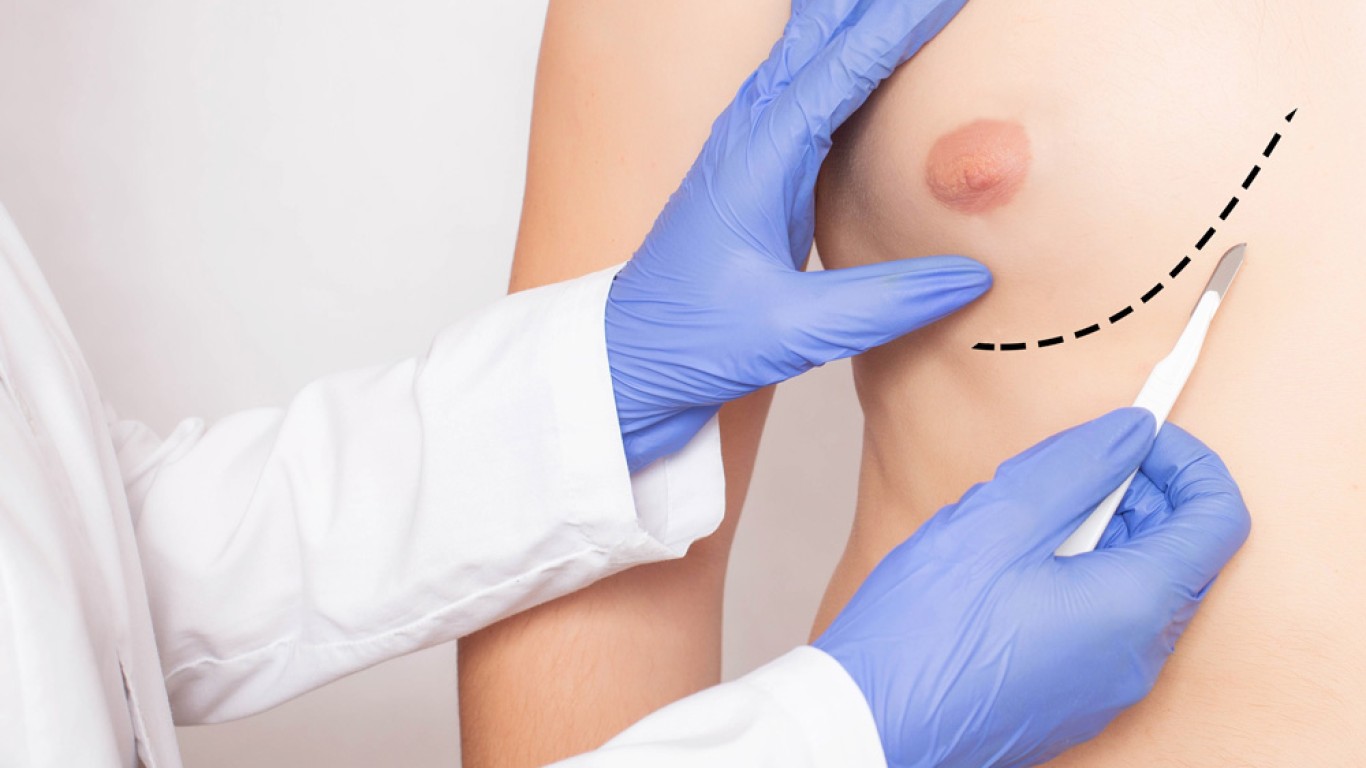
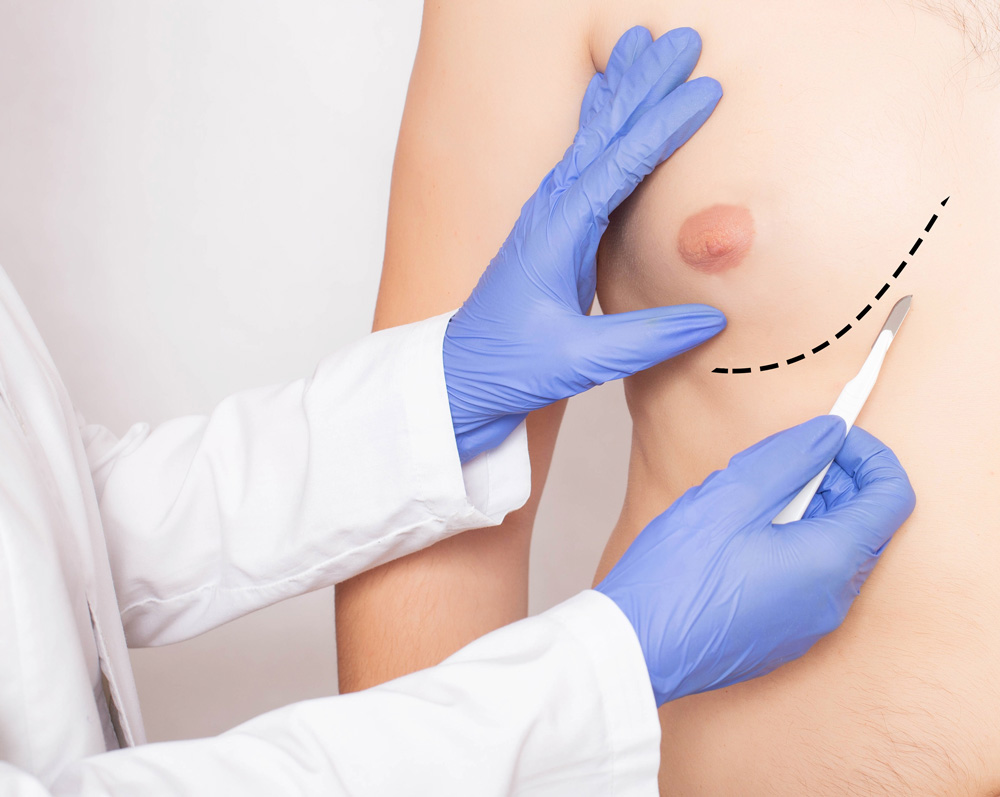
Surgery removes the excess tissue creating the enlarged chest. The procedure typically combines liposuction and glandular excision. Liposuction removes fatty tissue through small incisions. A cannula suctions the fat from beneath the skin. Glandular excision removes the firm tissue beneath the nipple. A small incision around the areola provides access. The operation takes one to two hours under general anaesthesia. Most patients go home the same day. A compression vest is fitted immediately. The vest supports the chest during healing. The procedure produces a flatter, more masculine chest contour. Removed tissue does not grow back when the underlying cause has been addressed. Results are permanent in most cases. The operation is well established with high patient satisfaction rates.
5. What Is Gynecomastia Surgery Recovery Like?
Recovery is straightforward for most patients. Swelling and bruising across the chest are expected during the first one to two weeks. Pain is managed with standard medication. The compression vest is worn continuously for four to six weeks. Most patients return to desk work within five to seven days. Driving resumes within one to two weeks. Light exercise returns at three to four weeks. Full chest exercises resume at six to eight weeks. The chest contour refines over three to six months as swelling resolves. The final result is typically visible by month six. Scarring is minimal. Incisions around the areola heal within the natural colour transition. They become virtually undetectable in most patients. Recovery is consistently described as more manageable than expected. Most men resume normal activities quickly and report significant improvement in confidence within the first few weeks.
6. How Much Does It Cost?
Pricing varies by location and technique. UK surgery typically costs three thousand five hundred to six thousand pounds. Turkey offers the procedure at significantly lower pricing. Treatment in Turkey typically costs £2,000 - £3,500 all-inclusive. Turkish packages cover consultation, surgery, compression garment, accommodation and aftercare. The pricing difference reflects lower operational costs rather than reduced quality. JCI-accredited Turkish hospitals provide international safety standards. Experienced surgeons perform the procedure at high volume. Surgery in Turkey provides strong overall value. Even after flights and travel expenses, the total investment remains substantially lower than UK pricing. Patients should confirm package inclusions before booking. Comparing total value rather than procedure price alone ensures the most informed decision.
7. Will Gynecomastia Come Back After Surgery?
Recurrence is uncommon when surgery is performed correctly and the underlying cause is addressed. The removed glandular tissue does not regenerate. The condition may return if an underlying hormonal imbalance is not identified and managed. Patients taking medications that contributed to male breast enlargement should discuss alternatives with their doctor. Significant weight gain after surgery can increase chest fat. This is pseudogynecomastia rather than true recurrence. The glandular tissue remains absent. Patients who maintain a stable weight and address contributing factors usually enjoy permanent results. Anabolic steroid use after surgery can trigger new glandular growth. Patients should avoid steroids permanently to protect their surgical result. Most men who follow these guidelines maintain their improved chest contour indefinitely. The procedure provides a lasting solution when supported by appropriate lifestyle and medical management.
Conclusion
Gynecomastia is a common condition caused by hormonal imbalance, medication or excess weight. True gynecomastia involves glandular tissue that does not respond to diet or exercise. Surgery combining liposuction and excision produces permanent correction. Recovery takes four to six weeks. Results are lasting when underlying causes are addressed. Gynecomastia surgery in Turkey offers competitive pricing with experienced surgeons. Professional consultation is the essential first step. Men should not let embarrassment prevent them from seeking the help that is readily available. Early assessment provides reassurance, confirms the diagnosis and helps patients choose the most appropriate treatment. With expert care, most men achieve lasting physical and psychological benefits.
To find out more information about gynecomastia and to book a consultation visit the ACIBADEM Beauty Center Aesthetics page.
Frequently Asked Questions
Yes. It affects a significant proportion of men at some point during their lives.
Exercise reduces fat but cannot remove glandular breast tissue. Surgery is needed for true gynecomastia.
Discomfort is moderate and well managed with standard pain relief.
Chest-specific exercises resume at six to eight weeks after surgery.
Scars are minimal and placed around the areola. They become virtually undetectable.