Ataşehir Mah. Feza Sk. No:3 İstanbul / Türkiye
 English
  German
  Spanish
Introduction
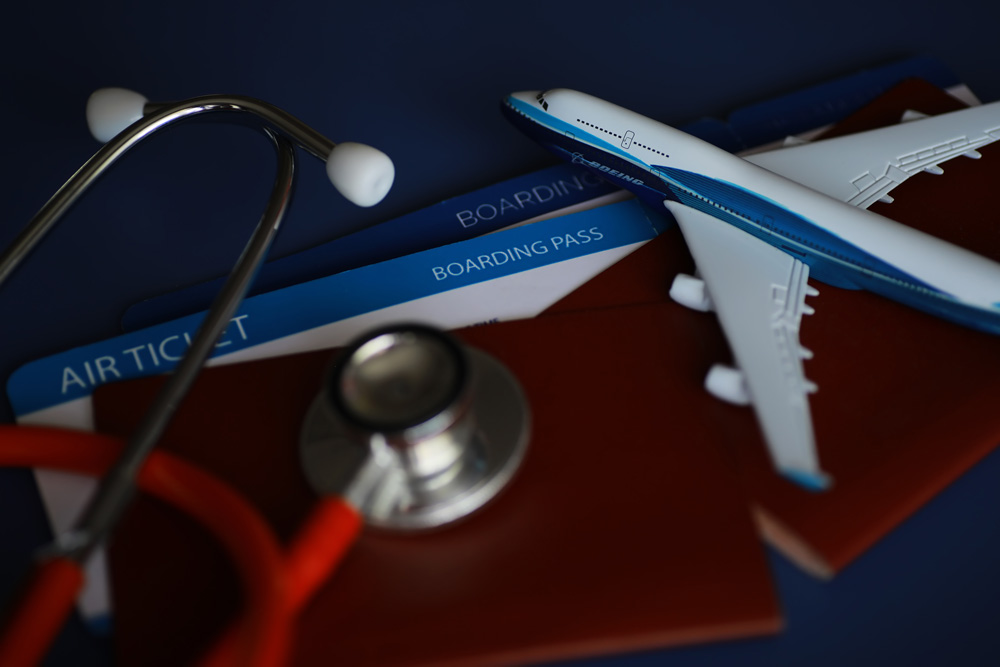
Thousands of patients travel abroad for cosmetic surgery each year. Turkey is one of the most popular destinations. After surgery, patients need to fly home. Flying after surgery involves specific considerations. Cabin pressure, reduced movement and altitude all affect the healing body. Understanding when it is safe to fly supports a comfortable and safe journey. This article explains the risks, recommended timelines and practical preparation advice. It helps patients plan their return flight with confidence.
Why Flying After Surgery Requires Caution
Air travel creates a different environment from ground level. Cabin pressure is lower than normal atmospheric pressure. This causes gases within the body to expand slightly. Swelling may increase during flight. Flying after surgery also involves prolonged sitting. Immobility increases the risk of blood clots. This risk is higher after any surgical procedure. The legs are most commonly affected. Deep vein thrombosis is a serious complication. Reduced cabin humidity can cause dehydration. Dehydration slows healing and increases discomfort. Flying after surgery requires awareness of these factors. Appropriate timing and preparation minimise the associated risks.
When Is It Safe? Flying After Surgery Timelines
The safe timeline depends on the procedure performed.
| Procedure | Minimum Wait Before Flying |
| Rhinoplasty | Seven to fourteen days |
| Facelift / blepharoplasty | Seven to fourteen days |
| Breast augmentation / reduction | Seven to ten days |
| Tummy tuck | Ten to fourteen days |
| Liposuction | Five to ten days |
| Hair transplant | Three to five days |
| Dental veneers / implants | Three to five days |
These timelines are general guidelines. Individual circumstances may require longer waits. The operating surgeon provides personalised clearance based on healing progress. Flying after surgery should never occur without surgeon approval. The follow-up appointment before departure confirms fitness to travel.
Flying After Surgery: Blood Clot Risk
Blood clot risk is the most serious concern when flying after surgery. Surgery increases clotting tendency. Immobility during flight compounds this risk. Long-haul flights over four hours carry higher risk than short flights. Flying after surgery within the first week requires extra precaution. Compression stockings reduce the risk significantly. They improve blood flow in the lower legs. Walking regularly during the flight is essential. Stand and move every hour. Ankle circles and calf raises while seated promote circulation. Staying well hydrated thins the blood naturally. Avoid alcohol during the flight. It causes dehydration. Some patients receive blood-thinning medication after surgery. The surgeon advises whether this is appropriate before flying after surgery.
Swelling Management
Swelling increases during air travel. Reduced cabin pressure causes tissue to expand slightly. Flying after surgery can temporarily worsen post-operative swelling. This is uncomfortable but usually not dangerous. Facial surgery patients may notice puffiness increasing during the flight. Body surgery patients may find treated areas feel tighter. Compression garments help control swelling during travel. Wearing them during the entire flight is recommended. Keeping the head elevated reduces facial swelling. Request an extra pillow from the cabin crew. Cold compresses applied gently provide comfort. Flying after surgery with appropriate swelling management makes the journey more comfortable. Swelling typically returns to pre-flight levels within twenty-four to forty-eight hours after landing. Reducing salt intake before travel may also help minimise fluid retention. Gentle movement during the flight encourages circulation and supports lymphatic drainage. Staying hydrated assists the body in managing post-operative swelling more effectively.
Flying After Surgery: Comfort Tips for the Journey
Several practical steps improve comfort during the flight. Choose an aisle seat for easier access to the aisle and toilet. This allows regular movement without disturbing other passengers. Flying after surgery in business class provides more space when budgets allow. Wear loose, comfortable clothing. Button-front tops suit upper body surgery patients. Slip-on shoes accommodate swollen feet. Bring prescribed pain medication in hand luggage. Take medication before boarding if discomfort is expected. A neck pillow supports comfort during rest. Bring water to stay hydrated throughout. Flying afterwards is more comfortable when patients prepare their seating area thoughtfully. A small blanket and eye mask support rest. Entertainment distracts from any discomfort during longer flights. Noise-cancelling headphones can improve relaxation during travel. Stretching the legs gently every hour helps reduce stiffness and discomfort.
Flying After Surgery: Procedure-Specific Advice
Certain procedures require specific precautions during flight. Rhinoplasty patients should avoid blowing their nose. Cabin pressure changes may cause mild nasal discomfort. Saline spray keeps the nasal passages moist. Flying after surgery on the face requires sun protection during any daytime window exposure. Breast surgery patients should wear a supportive surgical bra. Tummy tuck patients benefit from a pillow placed against the abdomen for comfort. Liposuction patients should wear full compression garments. Hair transplant patients should protect the recipient area from contact with the headrest. A neck pillow creates a buffer. Flying afterwards with procedure-specific preparation minimises discomfort and protects the healing result. Patients should follow all personalised guidance provided by their surgeon before departure.
Flying After Surgery: When to Delay Your Flight
Certain situations require delaying the return flight. Signs of infection should be assessed before travel. Redness, increasing pain, warmth or discharge from the wound need medical attention. Flying after surgery should be postponed if the surgeon withholds clearance. Excessive swelling beyond expected levels requires evaluation. Drainage from surgical sites that has not stopped should be assessed. Difficulty breathing or chest pain requires immediate medical attention. These symptoms are rare but serious. Flying afterwards with unresolved complications is unsafe. Contact the surgical team immediately if concerns arise. Rescheduling a flight is always preferable to flying with an active complication. Travel insurance covering cosmetic procedures provides financial protection for rescheduled travel. Patients should never feel pressured to travel before they are medically ready. Extra recovery time often improves comfort and confidence during the journey.
Flying After Surgery: Insurance and Preparation
Travel insurance is essential for patients flying after surgery abroad. Confirm that the policy covers cosmetic surgical procedures specifically. Standard travel insurance often excludes elective surgery complications. Specialist medical tourism insurance provides appropriate coverage. Flying after the operation with adequate insurance protects against unexpected costs. Book flexible return flights whenever possible. Schedule changes may be needed if healing requires extra time. Carry surgical discharge documentation in hand luggage. This is useful if medical attention is needed during transit. Keep the surgeon's contact details accessible. Most Turkish clinics provide twenty-four hour patient support lines. Thorough preparation removes uncertainty from the journey home. Keeping digital copies of important documents provides additional security if paperwork is misplaced. Patients should also confirm airline requirements before travelling home.
Travelling with a Companion After Surgery
A travel companion makes a significant difference when flying after surgery. Having someone to help with luggage, navigate the airport and provide general support reduces stress considerably. Airports involve walking, standing in queues and lifting bags into overhead compartments. All of these activities are more difficult during early recovery. A companion handles practical tasks so the patient can focus on comfort. They can also alert cabin crew if any concerns arise during the flight. Flying afterwards alone is possible for minor procedures. However, patients recovering from major surgery should strongly consider travelling with support. The added reassurance benefits both physical comfort and emotional wellbeing during the journey home. A companion can also assist with medication schedules during travel. They help ensure that recovery instructions are followed correctly. Delays, long security queues and unexpected travel disruptions are easier to manage with support.
Patients often feel more confident knowing someone is available to help if fatigue develops. For international patients, a companion can assist with communication and travel arrangements. This extra support contributes to a smoother and more comfortable return journey after surgery.
Conclusion
Flying after surgery requires careful planning and surgeon clearance. Timelines vary by procedure. Blood clot prevention is the most important safety consideration. Compression garments, regular movement and hydration reduce risk during flight. Swelling management and procedure-specific precautions improve comfort. Flying afterwards should never occur without medical approval. Delaying travel is always safer than flying with unresolved concerns. Travel insurance covering cosmetic procedures provides essential protection. Professional guidance from the surgical team ensures safe and comfortable travel home. Turkey's well-organised patient care supports smooth departure planning for international patients.
For more information about plastic surgery and to book a consultation visit the ACIBADEM Beauty Center Aesthetics page.
Frequently Asked Questions
Timelines vary. Most procedures require five to fourteen days before flying.
Blood clots. Compression stockings, hydration and movement reduce this risk.
Swelling may increase temporarily. It typically returns to normal within a day or two.
Yes. Flexible tickets accommodate any scheduling changes if healing requires extra time.
Yes. Standard policies often exclude cosmetic surgery. Specialist cover is recommended.