Ataşehir Mah. Feza Sk. No:3 İstanbul / Türkiye
 English
  German
  Spanish
Introduction
Anaesthesia is a critical component of any surgical procedure. The type chosen affects patient safety, comfort and recovery. General versus local anaesthesia is a common question during cosmetic surgery consultations. Both approaches are safe when administered correctly. However, they suit different procedures and patient needs. Understanding the differences helps patients feel informed and confident before surgery. This article compares general vs local anaesthesia across safety, suitability and recovery for cosmetic procedures.
What Is General Anaesthesia?
General anaesthesia renders the patient completely unconscious. The patient feels nothing during the procedure. An anaesthetist manages the airway and breathing throughout. General vs local anaesthesia comparison begins here. General anaesthesia affects the entire body. Medications are delivered through an intravenous line. The patient falls asleep within seconds. A breathing tube or airway device maintains the airway. The anaesthetist monitors heart rate, blood pressure, oxygen levels and breathing continuously. General anaesthesia is reversed at the end of surgery. The patient wakes in the recovery room. Grogginess and nausea are common during the first few hours. General anaesthesia suits longer, more complex procedures. It allows the surgeon to work without any patient movement or discomfort. The patient has no memory of the procedure.
What Is Local Anaesthesia?
Local anaesthesia numbs a specific area of the body. The patient remains fully conscious throughout. An injection delivers the anaesthetic solution to the treatment site. General versus local anaesthesia differs fundamentally here. Local anaesthesia affects only the targeted area. The rest of the body functions normally. The patient breathes independently. Heart rate and blood pressure are not directly affected by the anaesthetic. Local anaesthesia is commonly supplemented with sedation. Sedation relaxes the patient without rendering them unconscious. The patient feels calm and drowsy. They may not remember the procedure clearly. Local anaesthesia with sedation is sometimes called twilight anaesthesia. This combination suits many cosmetic procedures. It provides comfort without the risks associated with general anaesthesia. The patient recovers more quickly. Nausea is less common.
General vs Local Anaesthesia: Safety Comparison
| Feature | General Anaesthesia | Local Anaesthesia |
| Consciousness | Fully asleep | Fully awake |
| Pain control | Complete | Localised to treated area |
| Breathing | Controlled by ventilator | Patient breathes normally |
| Recovery speed | Slower (grogginess) | Faster |
| Nausea risk | Higher | Lower |
| Suitable for | Longer, complex procedures | Shorter, localised procedures |
| Anaesthetist required | Yes | Not always |
General vs local anaesthesia safety comparison favours local for lower-risk procedures. General anaesthesia carries slightly higher overall risk. Airway management, respiratory depression and cardiovascular effects add complexity. However, general anaesthesia is extremely safe in modern practice. Serious complications are rare when administered by qualified anaesthetists. General versus local anaesthesia risk is managed by patient assessment. Pre-operative health screening identifies factors that increase anaesthetic risk. Heart conditions, respiratory disease, obesity and medication interactions all influence the choice. The anaesthetist evaluates individual risk before recommending the most appropriate approach. General vs local anaesthesia safety depends more on patient health status and anaesthetist expertise than on the anaesthetic type itself. Both are safe in appropriate hands for appropriate procedures.

Which Cosmetic Procedures Use General Anaesthesia?
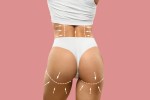
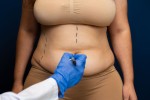
General anaesthesia suits longer and more complex procedures. Facelift, rhinoplasty and tummy tuck are typically performed under general anaesthesia. These procedures require one to four hours. Patient comfort and stillness are essential. General versus local anaesthesia choice for breast augmentation depends on the approach. Many surgeons prefer general anaesthesia. Some newer techniques use local with sedation. Body contouring procedures including liposuction of large areas and body lifts require general anaesthesia. The extent of tissue treatment demands complete comfort. Bariatric surgery is performed under general anaesthesia. The abdominal access required makes it necessary. General vs local anaesthesia selection for longer procedures consistently favours general. Patient endurance becomes a factor. Two to four hours under local anaesthesia is uncomfortable for most patients. General anaesthesia provides complete comfort regardless of procedure duration.
Which Cosmetic Procedures Use Local Anaesthesia?
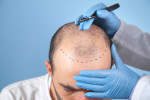
Local anaesthesia suits shorter, more focused procedures. Blepharoplasty is commonly performed under local with sedation. The procedure takes one to two hours. Otoplasty uses local anaesthesia in adult patients. Rhinoplasty tip work may be performed under local in selected cases. General versus local anaesthesia for minor procedures typically favours local. Small liposuction areas may use local anaesthesia. Gynecomastia surgery is performed under local at some clinics. Hair transplant uses local anaesthesia for the full procedure. Dental treatments including implants and veneers use local anaesthesia. Non-surgical procedures including Botox, filler and laser use topical numbing rather than injected local anaesthesia. General vs local anaesthesia for minor cosmetic surgery almost always favours local. The faster recovery and lower risk profile suit shorter procedures where patient comfort can be maintained without unconsciousness.
General vs Local Anaesthesia: Recovery Comparison
Recovery differs significantly between the two approaches. General anaesthesia produces grogginess for several hours after surgery. Patients feel drowsy and disoriented. Nausea and vomiting affect approximately thirty percent of patients. Anti-nausea medication manages this effectively. Most patients feel normal within twenty-four hours. General versus local anaesthesia recovery comparison strongly favours local for speed. Local anaesthesia wears off within two to six hours. Patients feel alert almost immediately after the procedure. Nausea is uncommon. Patients can eat and drink sooner. Discharge from the clinic happens faster. General vs local anaesthesia recovery affects the overall treatment experience significantly. Patients who recover quickly feel more positive about their procedure. They return to normal activities sooner. The faster recovery associated with local anaesthesia is one of its most appealing advantages for patients choosing between options.
General vs Local Anaesthesia: How the Decision Is Made
The decision involves both medical and personal factors. Surgeon recommends the most appropriate option based on the procedure type and duration. The anaesthetist assesses patient health and identifies any risk factors. General vs local anaesthesia medical decision-making considers body weight, respiratory health, cardiac history and medication use. Patient preference is respected where medically appropriate. General vs local anaesthesia choice should never compromise safety for comfort. If a procedure requires general anaesthesia for safety, the patient's preference for local does not override this. Similarly, if local anaesthesia provides adequate conditions, general is not necessary simply because the patient prefers it. The recommendation balances safety, surgical requirements and patient comfort. Most patients feel reassured once the reasoning behind the recommendation is explained clearly during consultation.
Conclusion
General vs local anaesthesia each suit different procedures and patient needs. General anaesthesia provides complete unconsciousness for longer, complex surgeries. Local anaesthesia with sedation provides comfort and faster recovery for shorter procedures. Both are safe in qualified hands. General vs local anaesthesia safety depends on patient health, procedure requirements and anaesthetist expertise rather than the anaesthetic type alone. Professional assessment determines the most appropriate choice. Patient preferences are respected where medically sound. Turkey offers both anaesthesia types at international safety standards within comprehensive treatment packages.
For more information about anaesthesia and to book a consultation visit the ACIBADEM Beauty Center Aesthetics page.
Frequently Asked Questions
Both are safe. Local carries slightly lower overall risk. General is safe when administered by qualified anaesthetists.
The treated area is numb. You may feel pressure but not pain. Sedation adds relaxation.
Most patients feel normal within twenty-four hours. Drowsiness resolves within a few hours.
Patient preference is respected where medically appropriate. Safety guides the final decision.
No. Sedation relaxes without rendering unconscious. General anaesthesia produces complete unconsciousness.