Ataşehir Mah. Feza Sk. No:3 İstanbul / Türkiye
 French
  English
  German
  Spanish
Introduction
Plastic surgery in Turkey has grown into a major international industry. Thousands of patients from the UK and Europe travel to Turkish cities each year for cosmetic and reconstructive procedures. The country offers a compelling combination of experienced surgeons, modern facilities and competitive pricing. However, patient safety depends on choosing the right providers. Understanding the safety standards and regulatory framework for surgery in Turkey helps patients make informed decisions. This article explains the accreditation systems, surgeon qualifications and clinical standards that protect international patients. It also covers what to expect during a treatment trip to Turkey for plastic surgery in 2026.
Safety Standards for Plastic Surgery in Turkey
Safety standards for plastic surgery in Turkey are governed by multiple regulatory frameworks. The Turkish Ministry of Health oversees all medical facilities and practitioners. Hospitals must meet defined standards for equipment, staffing, infection control and clinical governance. The ministry also licenses facilities specifically for medical tourism. International accreditation provides additional assurance. JCI accreditation is the most widely recognised international standard. Turkey has one of the highest numbers of JCI-accredited hospitals globally. These accreditation systems ensure that surgery in Turkey meets or exceeds international safety standards. Patients who choose accredited facilities benefit from standardised protocols that protect their health throughout the surgical journey.
Surgeon Qualifications for Plastic Surgery in Turkey
Surgeon qualifications are essential to safe outcomes from plastic surgery in Turkey. Turkish plastic surgeons complete a medical degree followed by a six-year residency in plastic, reconstructive and aesthetic surgery. Board certification from the Turkish Board of Plastic Surgery confirms specialist training. Many surgeons hold international memberships including ISAPS, EBOPRAS or the American Society of Plastic Surgeons. Some have completed fellowships or training programmes in the UK, USA or Europe. Patients should verify qualifications through the Turkish Medical Association register. Asking about specific experience with the planned procedure provides further reassurance. Choosing a board-certified specialist for surgery in Turkey is the most important safety decision patients make.
Hospital Accreditation for Plastic Surgery in Turkey
Hospital accreditation provides essential infrastructure for safe surgery in Turkey. JCI-accredited hospitals undergo rigorous evaluation of clinical processes, patient safety and quality management. The assessment covers infection control, medication management, surgical safety checklists and emergency preparedness. Accredited hospitals must demonstrate continuous quality improvement. The Turkish Ministry of Health also inspects and licenses facilities independently. Some hospitals hold ISO certification alongside JCI accreditation. Patients should confirm that their specific procedure will take place in the accredited facility rather than an unaccredited satellite clinic. Verifying accreditation is straightforward through the JCI website. Choosing an accredited hospital for plastic surgery in Turkey provides the strongest foundation for a safe treatment experience.
What International Patients Can Expect
International patients travelling for plastic surgery in Turkey can expect a structured and well-organised experience. Most clinics provide airport transfers upon arrival. A patient coordinator fluent in English manages scheduling, communication and logistics throughout the stay. Pre-operative consultation and assessment typically occur on the first or second day. Blood tests, imaging and any necessary evaluations are completed before surgery. The procedure takes place at the scheduled time in the accredited facility. Post-operative care follows in the hospital with nursing support. Follow-up appointments before departure ensure healing is progressing well. The coordinator remains available for questions throughout. Most patients describe the organised approach to surgery in Turkey as professional and reassuring from arrival to departure.

Common Procedures in Plastic Surgery in Turkey
Plastic surgery in Turkey covers a comprehensive range of procedures.
- Rhinoplasty is among the most popular treatments for international patients. Turkish surgeons have particular expertise in nose reshaping.
- Breast augmentation, reduction and lift procedures attract significant numbers.
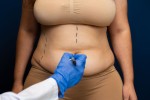
- Body contouring including liposuction, tummy tucks and body lifts are widely performed.
- Facial rejuvenation through facelifts, blepharoplasty and brow lifts is popular.
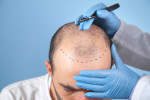
- Hair transplant surgery represents one of the highest volume specialities.
- Dental treatments including veneers, implants and smile makeovers have grown rapidly.
- Bariatric surgery including gastric sleeve and bypass attracts patients facing long NHS waiting times.
Each speciality benefits from experienced practitioners and modern equipment for plastic surgery in Turkey.
Cost Advantages of Plastic Surgery in Turkey
Cost advantages drive significant interest in plastic surgery in Turkey. Procedures typically cost forty to seventy percent less than equivalent treatments in the UK. The savings reflect lower operational costs including staffing, facilities and supply chains. High procedural volume creates efficiency that further reduces costs. All-inclusive packages simplify budgeting by bundling surgery, accommodation, transfers and aftercare into a single price. Even with flights and travel expenses included, most patients save substantially compared with UK private pricing. The cost of surgery in Turkey reflects economic factors rather than quality differences. Accredited facilities using qualified surgeons and modern equipment deliver outcomes comparable to UK providers at a fraction of the price.
Follow-Up Care After Plastic Surgery in Turkey
Follow-up care is an important consideration for patients having surgery in Turkey. Most clinics provide in-person follow-up appointments before the patient returns home. Detailed aftercare instructions are provided in writing in English. Remote follow-up through video consultation is standard at international-facing clinics. Photographs and progress updates can be shared electronically for ongoing assessment. Patients should also inform their GP about treatment received abroad. Having a local healthcare provider available for any emergencies provides additional security. Some Turkish clinics maintain partnerships with practitioners in the UK for in-person follow-up if needed. Planning for follow-up before travelling ensures comprehensive ongoing care after plastic surgery in Turkey.
Red Flags to Avoid
Several warning signs should prompt caution when researching plastic surgery in Turkey. Prices significantly below the market average may indicate compromised quality in materials, facilities or surgical time. Clinics that guarantee specific results should be viewed cautiously because no surgery can guarantee outcomes. Surgeons unwilling to share qualifications or before and after photographs raise concern. High-pressure sales tactics prioritise commercial interests over patient welfare. Social media advertisements featuring only heavily filtered images may misrepresent typical results. Limited aftercare provision suggests volume-focused practice. Patients should take their time researching options for surgery in Turkey. Rushing the decision to save money risks poor outcomes that cost significantly more to correct.
Travel Insurance and Legal Considerations
Travel insurance and legal protections matter when planning surgery in Turkey. Standard travel insurance typically excludes elective cosmetic procedures. Specialist medical tourism insurance policies are available and strongly recommended. These cover complications, extended hospital stays, repatriation and emergency care. Reputable clinics carry professional indemnity insurance. Written consent documents should be provided in English before surgery. Patients should keep copies of all medical records and correspondence. Understanding the Turkish legal framework for medical complaints provides additional context. A well-insured and transparent approach to plastic surgery in Turkey protects both patient and provider. Taking time to arrange appropriate coverage before travelling provides essential peace of mind.
Patient Satisfaction with Plastic Surgery in Turkey
Patient satisfaction with plastic surgery in Turkey is generally high when providers are chosen carefully. Published reviews on independent platforms provide valuable insight into typical experiences. Many patients describe professional, caring staff and well-organised treatment journeys. The quality of facilities often exceeds expectations, particularly at JCI-accredited hospitals. Clinical results compare favourably with UK outcomes for equivalent procedures. The all-inclusive package model simplifies the experience and reduces stress. The combination of quality outcomes and significant cost savings creates excellent perceived value. Patients who research thoroughly and choose accredited providers with verified surgeons consistently report the most positive experiences from surgery in Turkey.
Conclusion
Plastic surgery in Turkey offers international patients access to quality surgical care at competitive pricing supported by robust safety standards. JCI-accredited hospitals, board-certified surgeons and structured patient journeys provide strong foundations for safe treatment. The range of available procedures is comprehensive. Cost savings of forty to seventy percent attract patients from across Europe and beyond. Thorough research, verification of credentials and selection of accredited providers are essential for the best outcomes. Follow-up care through remote consultations ensures continuity after returning home. Plastic surgery in Turkey delivers excellent results for patients who invest time in selecting the right surgeon and facility for their individual needs.
Want to find out more about plastic surgery in Turkey? Visit the ACIBADEM Beauty Center homepage.
Frequently Asked Questions
Yes, when patients choose JCI-accredited hospitals and board-certified surgeons.
Procedures typically cost forty to seventy percent less than in the UK.
Check the Turkish Medical Association register and ask for board certification.
Most clinics offer remote follow-up through video consultation after patients return home.
Most patients stay five to fourteen days depending on the procedure.