Ataşehir Mah. Feza Sk. No:3 İstanbul / Türkiye
 English
  German
  Spanish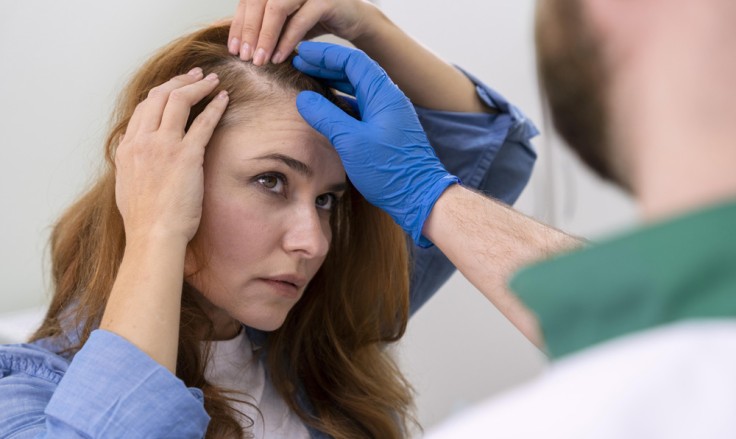
Introduction
Hair loss in women is more common than many people realise. It affects approximately forty percent of women by age fifty. The emotional impact is often profound. Hair is closely linked to identity and femininity. Thinning can cause significant distress. Women’s hair loss differs from male pattern baldness in important ways. The pattern, causes and treatment options are all distinct. Understanding these differences helps women seek appropriate support. This article explains why women’s hair loss occurs and what treatments are available in 2026.
Why Hair Loss in Women Occurs
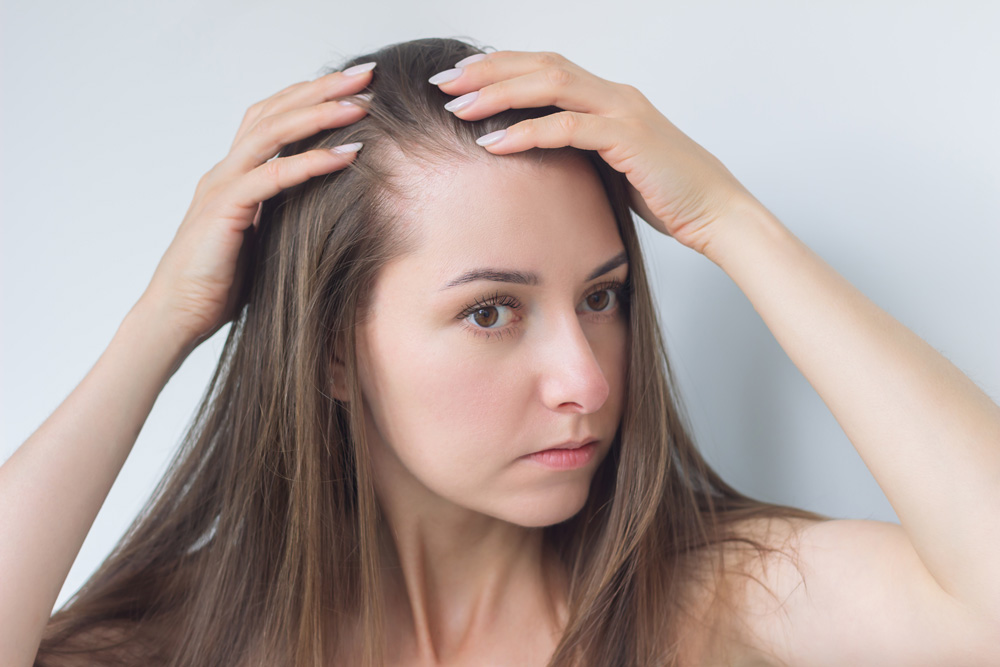
Multiple factors contribute. Women’s hair loss is rarely caused by a single issue. Hormonal changes are among the most significant drivers. Fluctuations during pregnancy, menopause and thyroid conditions affect hair growth cycles. Androgens play a role in female pattern hair loss. The follicles become sensitive to hormonal influences. Women’s hair loss from hormonal causes produces diffuse thinning rather than the defined patches seen in men. The parting widens. Overall density decreases. The hairline typically remains intact.
Women’s hair loss also results from nutritional deficiencies. Iron deficiency is one of the most common causes. Ferritin levels should be checked in every woman presenting with thinning. Vitamin D, B12 and zinc deficiencies also contribute. Crash dieting and restrictive eating patterns deplete these nutrients. Stress triggers telogen effluvium. Large numbers of follicles shift into the resting phase simultaneously. Significant shedding follows two to three months later. This type of hair loss in women is usually temporary once the trigger resolves.
Types of Hair Loss in Women
Several patterns exist. Female pattern hair loss is the most common. It produces diffuse thinning across the top of the scalp. The hairline is usually preserved. Women’s hair loss with this pattern follows the Ludwig scale classification. Telogen effluvium causes widespread shedding. It is triggered by stress, illness, surgery or hormonal change. Women’s hair loss from telogen effluvium is temporary. Regrowth occurs once the trigger is addressed. Alopecia areata is an autoimmune condition. It causes circular patches of hair loss. It can affect women at any age. Traction alopecia results from tight hairstyling. Braids, ponytails and extensions place chronic tension on follicles. Women’s hair loss from traction alopecia is preventable by changing styling habits. Medical conditions including thyroid disease, polycystic ovary syndrome and anaemia also cause hair loss. Identifying the specific type guides effective treatment. A thorough medical assessment is the essential first step.
Diagnosing Hair Loss in Women
Accurate diagnosis is critical. Women’s hair loss has many possible causes. Treatment cannot be effective without identifying the right one. A dermatologist or trichologist performs a clinical examination. The scalp and hair are assessed. The pattern of thinning is evaluated. Blood tests check iron, ferritin, vitamin D, B12, zinc, thyroid function and hormonal levels. Women’s hair loss from nutritional deficiency is treatable once identified. Hormonal imbalance may require specialist input. A scalp biopsy is occasionally needed for unclear cases. Dermoscopy allows magnified examination of the hair follicles. Women’s hair loss is diagnosed through systematic investigation. The GP can initiate basic blood tests. Specialist referral follows if initial results do not explain the thinning. Self-diagnosis based on internet research is unreliable. Professional assessment ensures the correct cause is identified and the most appropriate treatment is selected.
Treatments for Hair Loss in Women in 2026
| Treatment | How It Works | Suitability |
| Minoxidil (topical) | Improves scalp blood flow | First-line for most women |
| Spironolactone | Blocks androgen activity | Hormonal hair loss in women |
| PRP therapy | Growth factor stimulation | Early to moderate thinning |
| Hair transplant | Follicle relocation | Stable loss with good donor |
| Low-level laser therapy | Cellular energy stimulation | Supportive treatment |
| Nutritional supplementation | Addresses deficiencies | Deficiency-related loss |
Hair loss in women treatment has expanded significantly. Multiple effective options exist in 2026. The right approach depends on the cause and severity. Nutritional deficiencies are corrected through supplementation. Hormonal causes may respond to medication. PRP stimulates follicle activity. Transplant provides permanent coverage for suitable candidates. Hair loss in women treatment is most effective when started early. Follicles that are thinning but still active respond better than those that have been dormant for years. Early intervention preserves more density and produces stronger long-term results.
Minoxidil for Hair Loss in Women
Minoxidil is the most established topical treatment. Women’s hair loss responds to both two percent and five percent formulations. The product is applied to the scalp once or twice daily. It improves blood flow to the follicles. The growth phase of the cycle is prolonged. Women’s hair loss treated with minoxidil shows improvement in approximately sixty percent of patients. Results develop over three to six months. Shedding may increase temporarily during the first weeks. This is a recognised response. It resolves quickly. Women’s hair loss requires ongoing minoxidil use. Stopping allows thinning to resume. Oral minoxidil at low doses is increasingly used in 2026. It provides systemic hair growth support. The convenience of a daily tablet appeals to many patients. Side effects including mild facial hair growth and fluid retention should be discussed with the prescribing doctor. Women’s hair loss treatment with minoxidil forms the foundation of most management programmes.
PRP and Regenerative Treatments for Hair Loss in Women
PRP therapy suits hair loss in women with early to moderate thinning. The treatment uses concentrated growth factors from the patient's blood. These are injected across thinning areas of the scalp. Hair loss in women treated with PRP shows improved density and thickness in most studies. Three to six sessions are recommended. Maintenance every three to six months sustains the benefit. PRP is particularly appealing for women. It avoids systemic medication. It uses the body's own biological material. Women’s hair loss treatment with PRP carries essentially no allergy risk. The treatment complements other approaches effectively. PRP alongside minoxidil produces stronger results than either alone. Women’s hair loss from early female pattern loss responds most favourably. Advanced thinning responds less dramatically. Exosome therapy is an emerging option gaining attention in 2026. It delivers growth signals to follicles through cell-derived vesicles. Early evidence is promising.
Conclusion
Women’s hair loss is common, emotionally impactful and treatable. Multiple causes exist including hormonal changes, nutritional deficiency and genetic factors. Accurate diagnosis guides effective treatment. Minoxidil, PRP, nutritional supplementation and hair transplant are all available in 2026. Women’s hair loss treatment is most effective when started early. Professional assessment ensures the correct cause is identified. Emotional support complements clinical treatment. Turkey offers comprehensive hair loss treatment for women at competitive pricing with experienced practitioners.
To find out more information about women's hair loss and to book a consultation visit the ACIBADEM Beauty Center Hair Transplant page.
Frequently Asked Questions
Yes. Approximately forty percent of women experience noticeable thinning by age fifty.
Hormonal changes, nutritional deficiency, stress, genetics and medical conditions all contribute.
Yes, for suitable candidates with stable loss and adequate donor density.
Topical minoxidil is the most established first-line option for most women.
Yes. Blood tests identify treatable causes. Professional assessment guides effective treatment.