Ataşehir Mah. Feza Sk. No:3 İstanbul / Türkiye
 French
  English
  German
  Spanish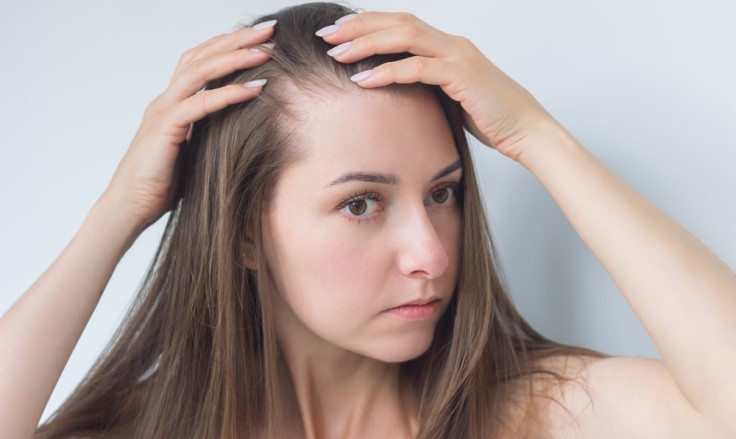
Introduction
Hair loss in women is more common than many people realise. Approximately forty percent of women experience noticeable hair thinning by age fifty. The emotional impact can be significant because hair is closely linked to identity and self-image. Many women suffer in silence, unaware that effective treatments exist. Women’s hair loss differs from male pattern baldness in both pattern and underlying causes. Understanding these differences is essential for effective treatment. This article examines the causes of hair loss in women, the diagnostic process and the treatment options available in 2026. The information helps women identify their specific type of hair loss and explore appropriate solutions. Early assessment and professional support often improve treatment success and long-term hair preservation significantly.
Common Causes of Hair Loss in Women
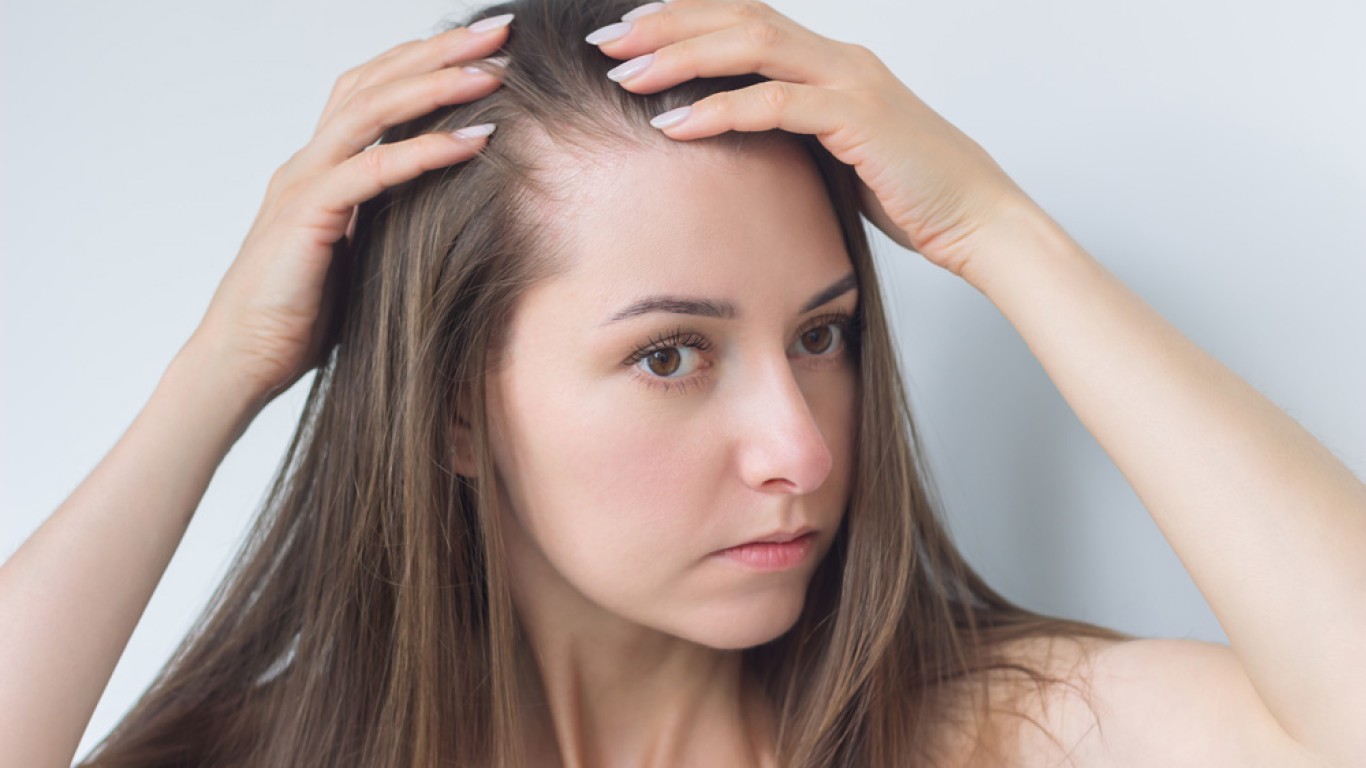
Women’s hair loss has multiple potential causes. Female pattern hair loss, also called androgenetic alopecia, is the most common type. It causes gradual diffuse thinning across the top and crown rather than the receding hairline pattern seen in men. Hormonal changes during menopause, pregnancy and thyroid dysfunction can trigger or accelerate hair loss in women. Polycystic ovary syndrome affects hormone levels and can cause thinning. Telogen effluvium causes temporary shedding after stress, illness, surgery or significant weight loss. Alopecia areata is an autoimmune condition causing patchy hair loss. Traction alopecia results from tight hairstyles that pull on the hair follicles. Nutritional deficiencies including iron, vitamin D and biotin can contribute to women’s hair loss. Identifying the specific cause guides treatment selection. Certain medications and chronic medical conditions may also influence hair growth and shedding patterns.
Diagnosing Hair Loss in Women
Accurate diagnosis is essential for effective treatment of women’s hair loss. A dermatologist or trichologist should conduct the assessment. The evaluation includes medical history, family history of hair loss and current medications. Blood tests check for thyroid function, iron levels, vitamin D, hormonal profiles and inflammatory markers. The scalp is examined for signs of inflammation, scarring or follicular damage. A pull test assesses active shedding. Dermoscopy uses a magnifying device to evaluate follicle miniaturisation and scalp condition. Scalp biopsy may be performed in complex cases. The diagnosis determines whether hair loss in women is genetic, hormonal, autoimmune, nutritional or stress-related. Each type requires a different treatment approach. Thorough diagnosis prevents wasted time and money on inappropriate treatments. Early diagnosis also increases the likelihood of preserving existing follicles and achieving stronger treatment outcomes.
Medical Treatments for Hair Loss in Women
Several medical treatments address hair loss in women. Minoxidil is the most widely used topical treatment. Available in two and five percent concentrations, it extends the hair growth phase and stimulates follicles. Results take three to six months to become visible. Spironolactone is an oral anti-androgen medication used off-label for female pattern hair loss in women. It blocks the effects of androgens on hair follicles. Low-dose oral minoxidil is gaining popularity as an alternative to topical application. Iron supplementation addresses deficiency-related hair loss. Thyroid medication normalises hormonal imbalances affecting hair. Corticosteroid treatments address autoimmune-related hair loss in women. Each medication targets a specific cause. Prescription treatments require medical supervision to monitor effectiveness and side effects. Consistent use is important because many treatments require ongoing maintenance to preserve hair growth improvements.
Regenerative Treatments for Hair Loss in Women
Regenerative treatments offer additional options for hair loss. PRP therapy concentrates platelets from the patient’s blood and injects them into the scalp. Growth factors stimulate follicle activity and support hair quality. Exosome therapy delivers concentrated regenerative signals to follicle cells. Both treatments are administered through a course of sessions over several months. Low-level laser therapy uses specific wavelengths of light to stimulate cellular activity in the scalp. These regenerative approaches are most effective for early to moderate hair loss in women where follicles are still present but underperforming. They can be combined with medical treatments for a comprehensive approach. Results develop gradually and maintenance sessions help sustain improvements over time. Patients appreciate that regenerative treatments support natural processes involved in hair growth and scalp function.
Hair Transplant Options for Hair Loss in Women
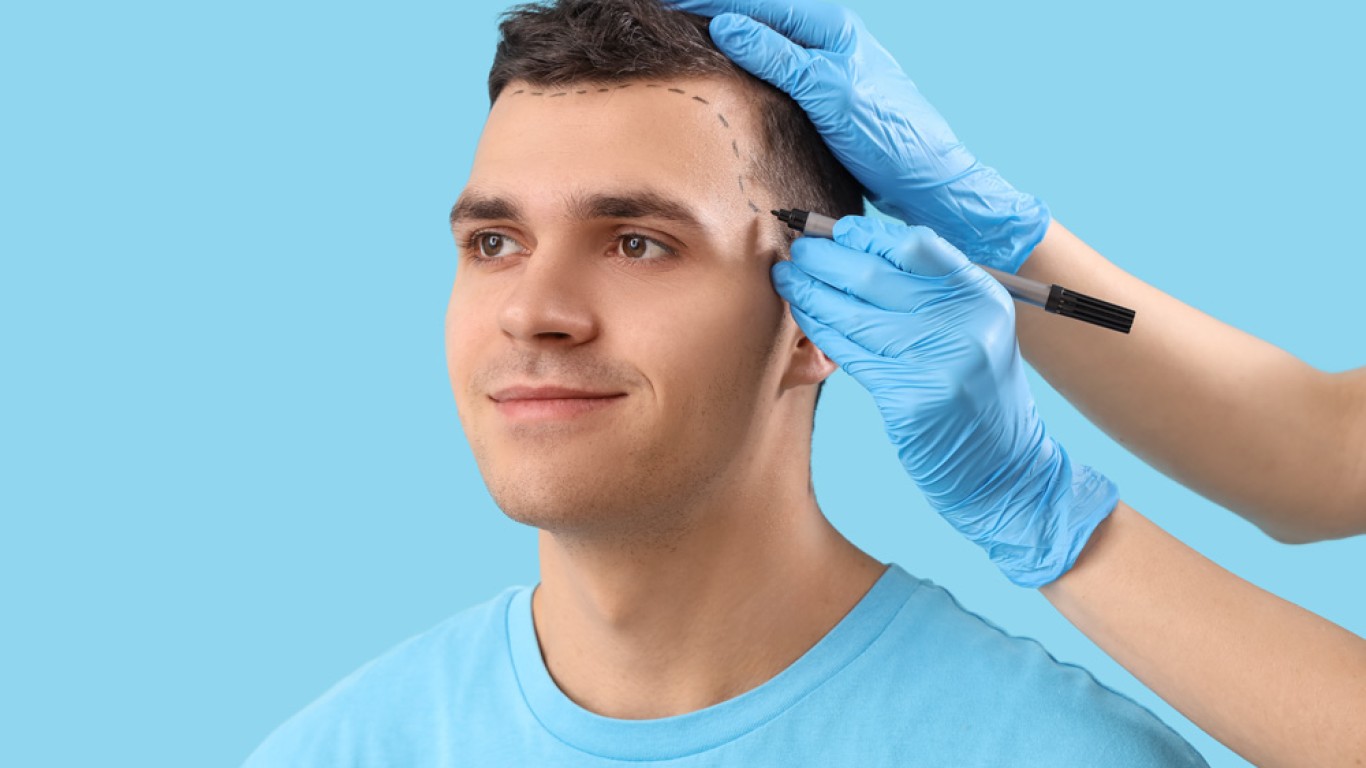
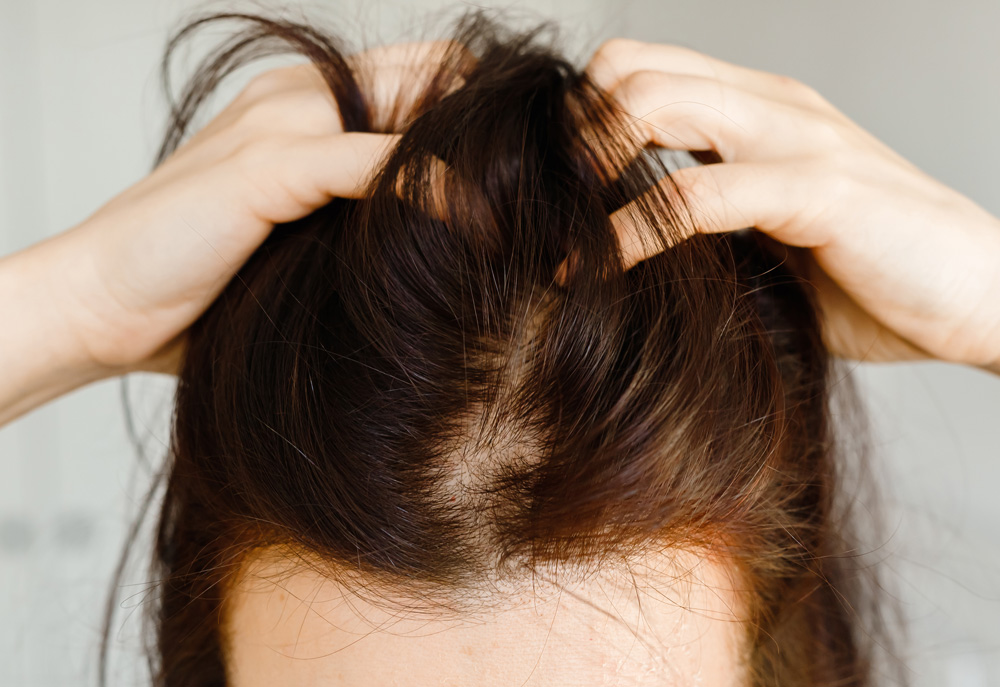
Hair transplant surgery is an option for some women experiencing hair loss. Female candidates require careful evaluation because hair loss differs with women compared to men. Diffuse thinning without a clearly defined bald area makes transplantation more complex. The donor area must have adequate density. Women with localised thinning at the temples, hairline or part line may be good candidates. Those with traction alopecia affecting specific areas can benefit. FUE technique extracts individual follicles for precise placement. Results are permanent for transplanted hair. Not all women with hair loss are suitable for transplantation. The diffuse nature of female pattern loss means the donor area may also be affected. Specialist consultation evaluates individual suitability based on loss pattern and donor supply. Modern techniques create natural-looking density while preserving the overall appearance of the surrounding hair.
Lifestyle Factors AffectingHair Loss in Women
Lifestyle factors play a meaningful role in hair loss in women. Chronic stress triggers telogen effluvium by pushing follicles prematurely into the shedding phase. Nutritional deficiencies from restrictive diets or poor absorption affect hair quality. Adequate protein intake supports hair structure. Iron-rich foods and vitamin D are particularly important. Gentle hair care practices protect against mechanical damage. Avoiding tight hairstyles prevents traction-related hair loss in women. Reducing heat styling limits thermal damage. Adequate sleep supports the hormonal balance that influences hair growth. Regular exercise improves circulation to the scalp. Addressing lifestyle factors alongside medical treatment produces the most comprehensive improvement for hair loss in women. Long-term healthy habits often improve scalp condition and the overall appearance of the hair.
The Emotional Impact of Hair Loss in Women
The emotional impact of hair loss in women is significant and deserves acknowledgment. Hair is closely tied to feminine identity and self-expression. Thinning hair can affect confidence, social interactions and psychological wellbeing. Many women feel isolated by hair loss because the condition is less openly discussed than male baldness. Some avoid social situations, change hairstyles frequently to conceal thinning or experience anxiety about the condition progressing. Professional support from a dermatologist provides both clinical treatment and reassurance. Hair loss in women is a medical condition rather than a cosmetic vanity concern. Seeking help is appropriate and encouraged. Support groups and online communities connect women experiencing similar challenges. Addressing the emotional component alongside medical treatment supports the most complete recovery. Open discussion and professional guidance often help reduce anxiety surrounding the condition and its progression.
Choosing a Treatment Approach
Choosing the right treatment approach for hair loss in women starts with accurate diagnosis. The underlying cause determines which treatments are appropriate. Female pattern hair loss typically responds to minoxidil, anti-androgen medication and regenerative treatments. Hormonal causes need the underlying imbalance addressed. Nutritional deficiencies require supplementation. Autoimmune hair loss needs immunological treatment. Most patients benefit from a combination approach addressing multiple contributing factors simultaneously. Early intervention produces better outcomes because treating hair loss in women before significant follicle loss preserves more options. Professional consultation provides a personalised treatment plan based on individual diagnosis and goals. Patience is important because most hair restoration treatments require several months to show visible improvement. Regular follow-up appointments allow treatments to be adjusted according to individual progress and response.
Conclusion
Women’s hair loss affects a significant proportion of the female population and has multiple potential causes. Accurate diagnosis is essential for effective treatment. Medical options including minoxidil and anti-androgen medications address hormonal causes. Regenerative treatments including PRP and exosome therapy support follicle health. Hair transplantation suits carefully selected candidates. Lifestyle factors contribute to both the cause and the solution. The emotional impact deserves recognition and support. Early intervention produces the best outcomes. Women’s hair loss is a treatable condition with multiple effective approaches available in 2026. Professional consultation provides personalised guidance for choosing the most appropriate treatment plan based on individual diagnosis and goals. Regenerative medicine continue to expand the options for women seeking long-term hair restoration.
For more information about hair transplants and hair loss in both men and women. Or, to book a consultation, visit the ACIBADEM Beauty Center Hair Transplant page.
Frequently Asked Questions
Female pattern loss, hormonal changes, stress, nutrition and autoimmune conditions.
Yes, carefully selected candidates with localised thinning can benefit.
Treatment depends on the cause; most patients benefit from a combined approach.
Approximately forty percent of women experience noticeable thinning by age fifty.
As soon as thinning is noticed; early intervention produces better outcomes.