Ataşehir Mah. Feza Sk. No:3 İstanbul / Türkiye
 English
  German
  Spanish
Introduction
Mesotherapy for hair is a treatment that patients frequently ask about when exploring non-surgical hair restoration options. The approach uses microinjections of vitamins, minerals and medications into the scalp. It aims to nourish hair follicles and support healthier growth. The treatment has been used in aesthetic medicine for several decades. Its popularity has grown alongside increasing demand for non-surgical approaches. Mesotherapy for hair is available at clinics worldwide including Turkey. Understanding the evidence behind the treatment helps patients make informed decisions about whether it suits their needs. This article examines how mesotherapy works, what the evidence says and what patients can realistically expect.
What Is Mesotherapy for Hair?
Mesotherapy for hair involves microinjections into the scalp using fine needles. The injected solution contains a cocktail of active ingredients tailored to the patient's needs. These typically include vitamins, minerals, amino acids and vasodilators. Some formulations contain medications such as finasteride or minoxidil alongside the nutrient blend. Hyaluronic acid may be included to improve scalp hydration. The solution is injected into the mesoderm layer of the scalp. Mesotherapy delivers nutrients directly to the follicle environment. This bypasses the digestive system and reaches the target tissue efficiently. The treatment aims to improve the conditions that support healthy hair growth. It is generally considered a complementary approach rather than a standalone solution.
How Mesotherapy for Hair Works
Mesotherapy for hair works by improving the follicular environment at a local level rather than systemically. The injected nutrients support cellular function within the hair follicles directly. Vitamins and minerals address nutritional deficiencies in the scalp tissue. Vasodilators improve blood circulation to the follicle region. Better blood flow delivers more oxygen and nutrients to hair roots. Amino acids support keratin production which forms the hair shaft. Mesotherapy aims to extend the active growth phase of the cycle. It may slow the transition of follicles into the resting phase. The microinjections also create a mild inflammatory response in the tissue. This can stimulate the body's natural repair mechanisms. The combined nutritional and stimulatory effect supports healthier production.
Is Mesotherapy for Hair Effective?
The effectiveness of mesotherapy for hair is a topic of ongoing clinical discussion and research. Some studies report positive outcomes including increased hair density and thickness over the treatment course. Patient satisfaction surveys often show favourable self-reported improvement. However, large-scale randomised controlled trials remain limited in number. The evidence base is not as strong as for established medical treatments like finasteride and minoxidil. Mesotherapy shows promise but the scientific support is still developing. Results vary significantly between patients and practitioners. The specific formulation used affects outcomes because ingredients differ between clinics and protocols. Patients should approach the treatment with realistic expectations. It is best viewed as a supportive treatment within a broader hair care programme.
Mesotherapy for Hair: The Treatment Process
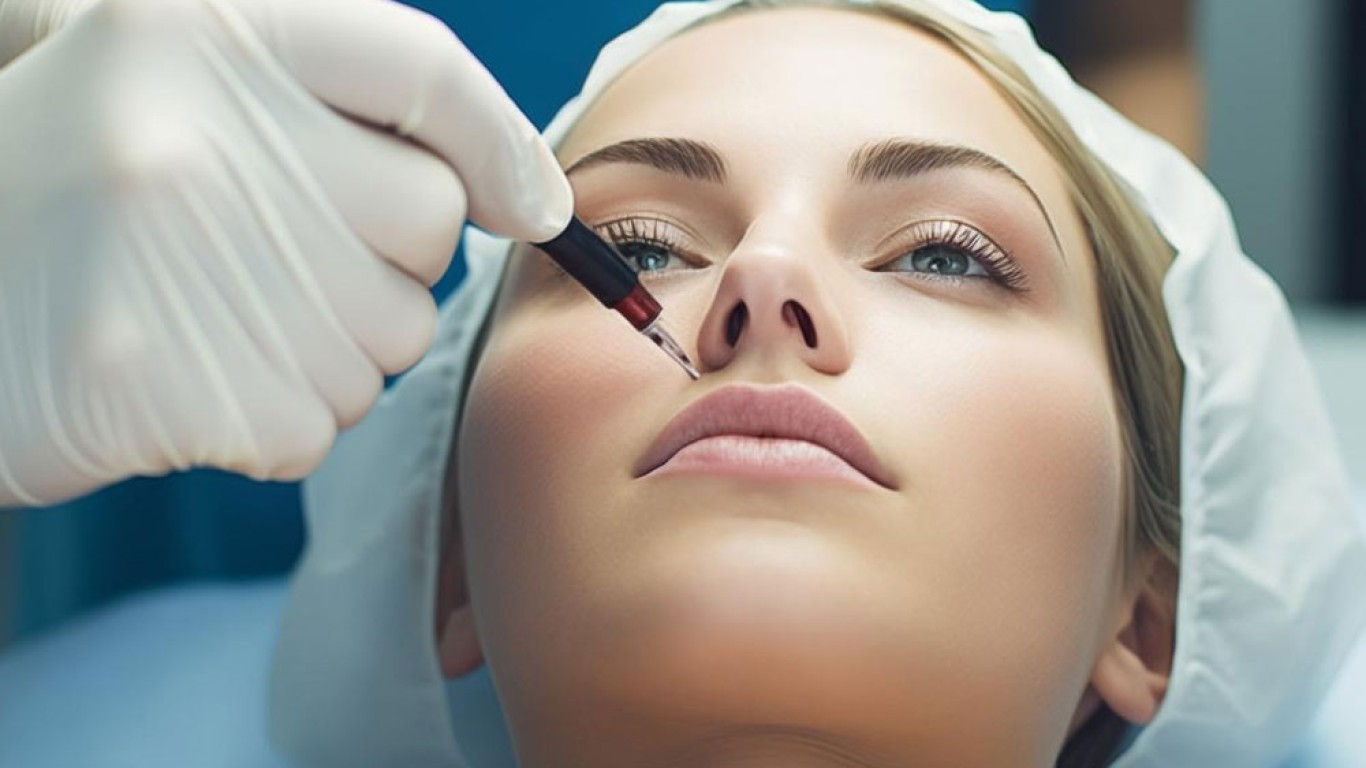
The treatment process is relatively quick and straightforward for most patients. The scalp is cleansed before each session begins. A topical anaesthetic may be applied to reduce discomfort. The practitioner uses a fine needle or specialised injection device to deliver the solution. Multiple small injections are placed across the thinning areas. Mesotherapy for hair typically takes thirty to forty-five minutes per session. Most patients describe mild stinging or pressure during the procedure. No significant downtime is required after treatment. Mild redness or tenderness on the scalp may last several hours but resolves quickly. Patients return to normal activities immediately after most sessions. Washing the hair should be avoided for twelve to twenty-four hours. The practitioner provides specific aftercare instructions for each patient.
Mesotherapy for Hair: How Many Sessions?
A typical treatment course involves six to twelve sessions depending on the severity of hair loss. Sessions are usually spaced one to two weeks apart during the initial intensive phase. The intensive phase aims to deliver maximum nutritional support to the follicle environment. After the initial course, maintenance sessions are recommended on an ongoing basis. These are typically scheduled every one to three months. Mesotherapy for hair produces cumulative results that develop progressively across the treatment course. Early improvement in hair quality may be noticed within four to six weeks. Visible changes in density develop over three to six months. Commitment to the full course supports the best possible outcomes. Stopping treatment prematurely reduces the likelihood of meaningful improvement. The practitioner adjusts the course based on individual response.
Mesotherapy for Hair vs PRP Therapy
Mesotherapy for hair and PRP therapy are frequently compared by patients exploring non-surgical options. Both use scalp injections to support hair growth and follicle health. PRP uses concentrated platelets from the patient's own blood exclusively. The growth factors in PRP are autologous and biologically active. Mesotherapy uses externally sourced vitamins, minerals and medications. PRP has a stronger evidence base from published clinical research at this stage. Mesotherapy offers flexibility in the ingredients that can be combined within each formulation. Some practitioners use both approaches together within a single treatment programme. PRP may be more effective for stimulating dormant follicles directly. Mesotherapy may better address nutritional deficiencies in the scalp. The choice depends on individual circumstances and practitioner recommendation. Combining both approaches may produce more comprehensive results.
Who Suits Mesotherapy for Hair?
Mesotherapy for hair suits patients with early thinning where follicles remain active and responsive. Those experiencing diffuse thinning rather than complete baldness respond most favourably to the treatment. Patients with nutritional deficiencies contributing to hair loss may benefit specifically from the targeted nutrient delivery. Those wanting to complement other hair loss treatments often consider adding mesotherapy to their plan. It suits patients who prefer a non-surgical approach to supporting hair quality overall. Mesotherapy is less likely to benefit patients with advanced baldness. Completely lost follicles cannot be revived by nutritional supplementation. Medical causes of hair loss should be investigated before starting any treatment. Consultation evaluates individual suitability based on hair loss type and severity. Realistic expectations about what mesotherapy can achieve are important.
Safety and Side Effects
Mesotherapy for hair has a generally favourable safety profile when performed by qualified practitioners. The most common side effects relate to the injection process itself rather than the ingredients. Temporary redness, tenderness and mild swelling at injection sites are typical. Bruising may occur occasionally but resolves within a few days. Allergic reactions to the injected ingredients are possible but considered rare. Mesotherapy should be performed in a clean clinical setting with sterile equipment. Patients should disclose any allergies before treatment begins. Infection risk is low when proper clinical protocols are followed. The treatment is considered low-risk for most suitable candidates. Choosing an experienced practitioner with knowledge of scalp anatomy reduces the likelihood of complications.
Conclusion
Mesotherapy for hair uses scalp injections to deliver vitamins, minerals and active ingredients directly to follicles. The treatment aims to improve the environment that supports healthy hair growth at a local level. Evidence shows promise but is less robust than for established medical therapies like finasteride. Six to twelve sessions are typically recommended across the initial treatment course. Results develop gradually with visible improvement over three to six months. The treatment suits early thinning where follicles are still present and active. Mesotherapy works best as part of a comprehensive programme rather than a standalone solution. Combining it with PRP or medical treatments may enhance overall outcomes. Professional consultation determines whether the approach suits individual hair loss concerns and goals. Turkey offers the treatment at competitive pricing with experienced practitioners.
For more information and to book a consultation visit the ACIBADEM Beauty Center Hair Transplant page.
Frequently Asked Questions
Evidence shows promise but is less robust than for finasteride or minoxidil.
Six to twelve sessions during the initial phase with ongoing maintenance.
No significant downtime; mild redness resolves within hours.
No, it is a supportive treatment rather than a standalone restoration solution.
PRP has stronger clinical evidence; both can be used together for best results.