Ataşehir Mah. Feza Sk. No:3 İstanbul / Türkiye
 French
  English
  German
  Spanish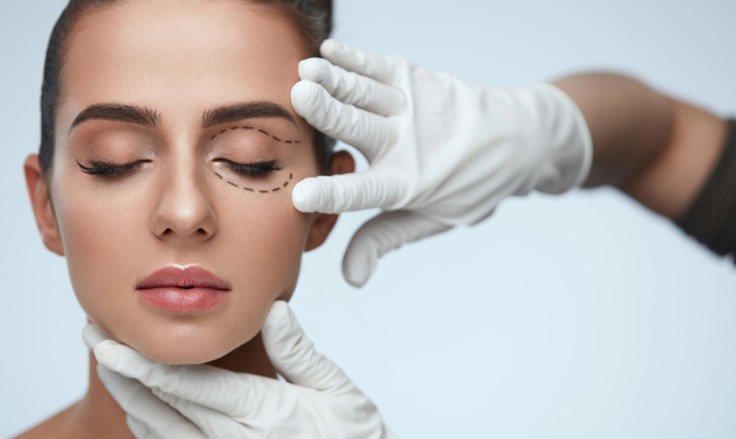
Introduction
The upper eyelid plays a significant role in overall facial expression and perceived alertness. Even subtle changes in this area can influence how rested or youthful someone appears. When excess skin folds over the natural crease, the eyes may look smaller, heavier or shadowed. Hooded eyelid surgery addresses this concern by refining the upper lid contour and restoring visible lid space. The goal is not to change eye shape but to restore clarity, balance and natural definition. Many patients seek improvement in both aesthetics and daily comfort. Understanding how the procedure works helps ensure realistic expectations and long term satisfaction.
What Causes Hooded Eyelids?
Hooding can develop for several reasons, and it often results from a combination of factors. Age related collagen decline contributes to gradual skin laxity and thinning over time. As elasticity reduces, the upper lid skin may descend and fold over the crease. Genetics also play a significant role in eyelid structure and fat distribution.
Some individuals naturally have heavier upper lids from a young age without age related changes. Muscle weakness or mild brow descent may further exaggerate the fold. Identifying the underlying cause guides appropriate surgical planning. Assessment ensures that hooded eyelid surgery targets the correct tissue layer rather than overcorrecting superficially.
How Hooded Eyelid Surgery Is Performed
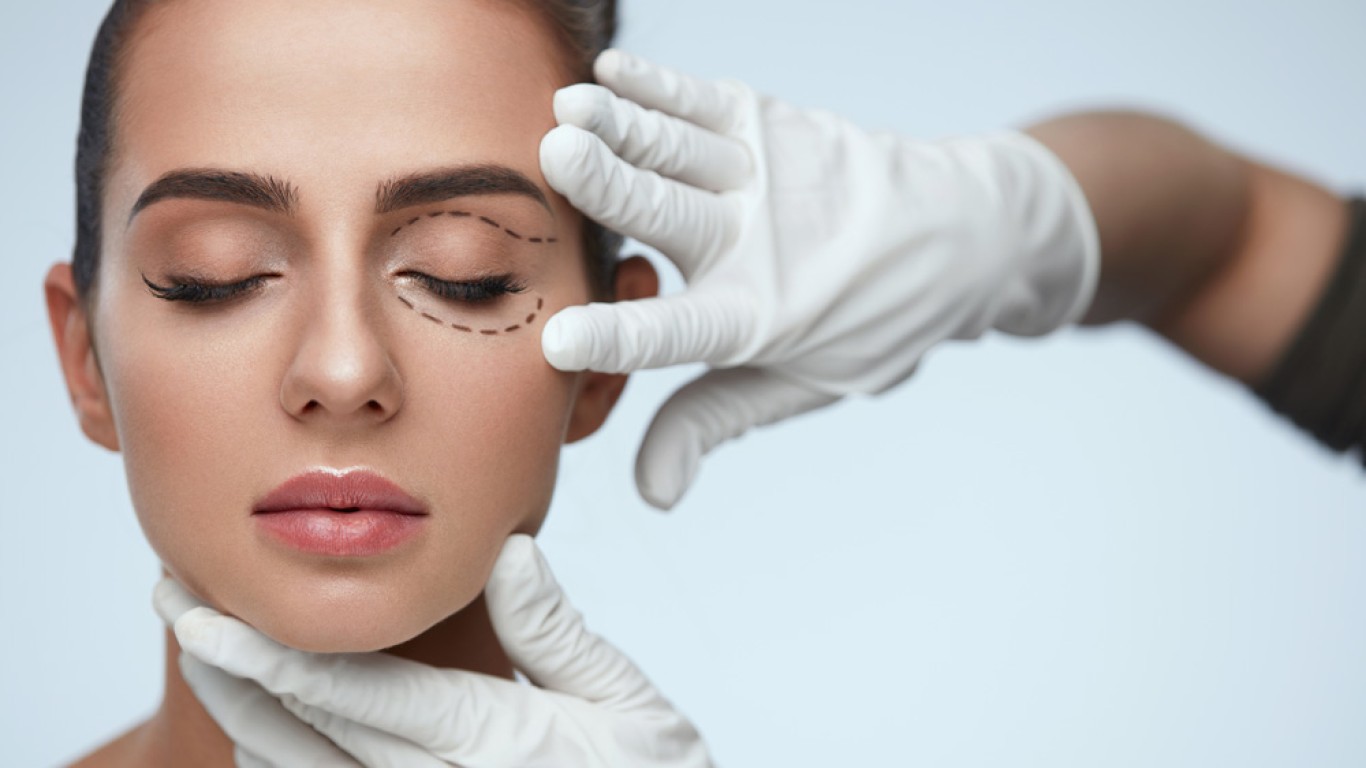
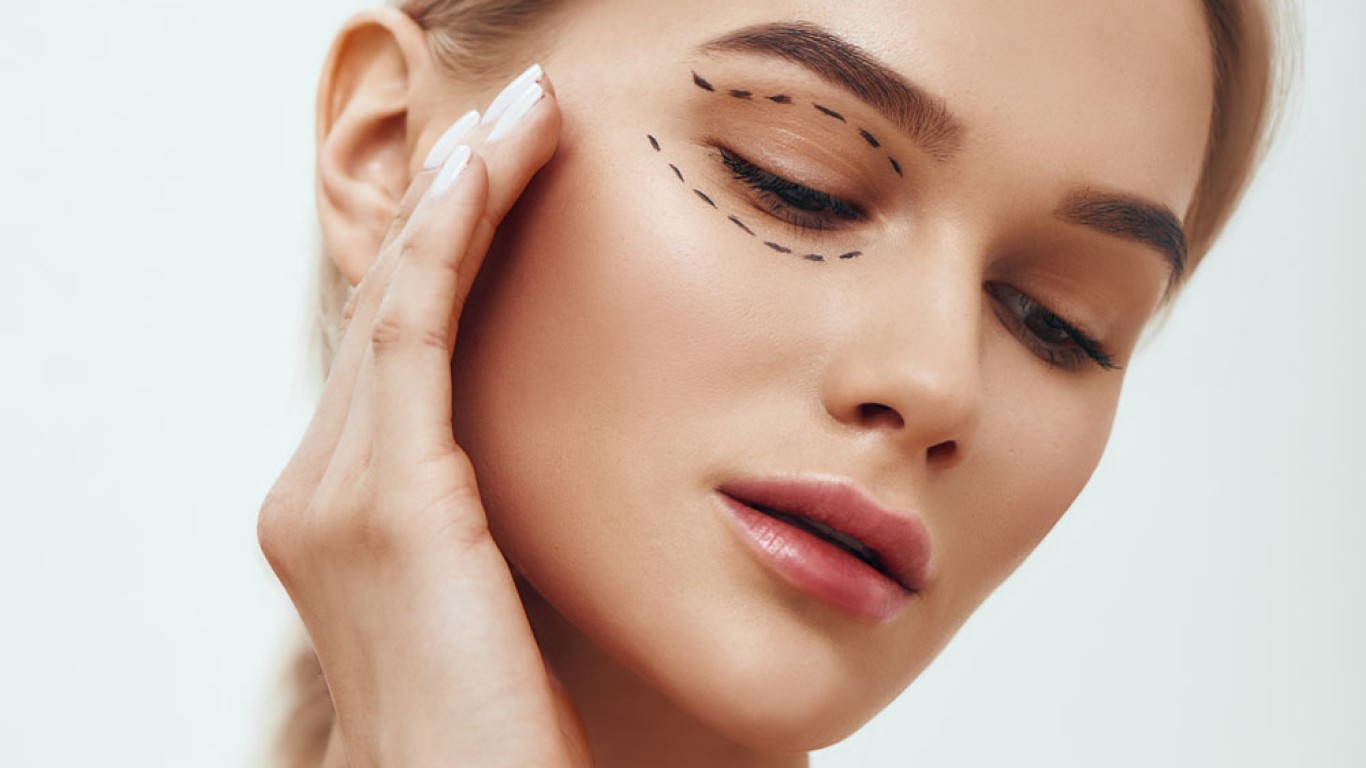
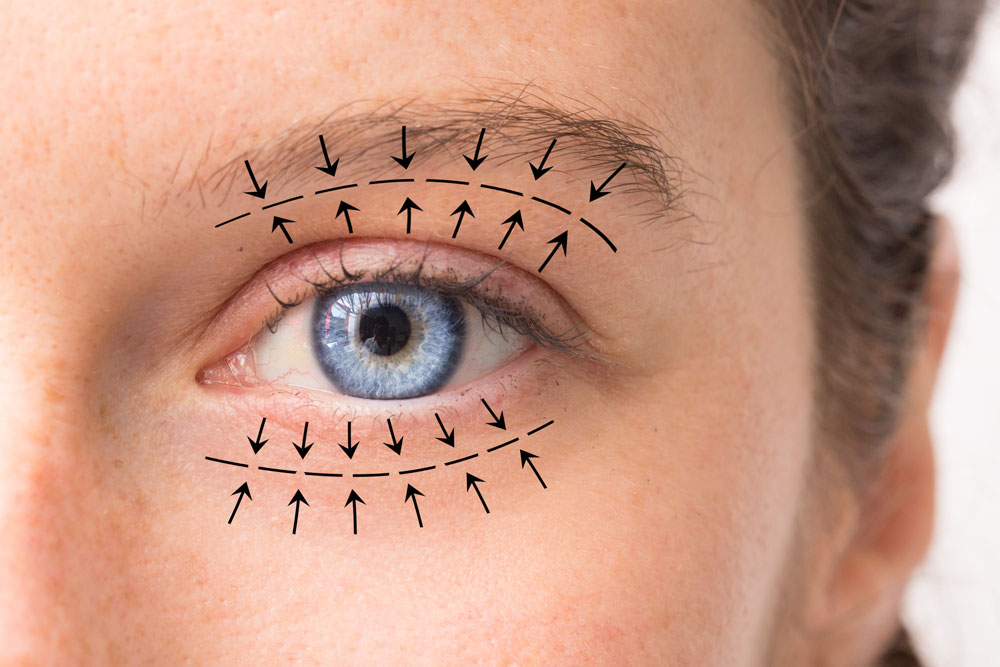
Hooded eyelid surgery typically involves removing excess skin from the upper lid through a carefully placed incision. This incision follows the natural crease to allow discreet healing once recovery progresses. Sometimes, small amounts of fat may be adjusted to refine contour and reduce heaviness.
The procedure focuses on restoring balance rather than aggressive tissue removal. Careful measurement ensures symmetry between both eyes. Precise tissue handling preserves natural eyelid movement and blinking function. The aim is structural refinement that appears effortless and proportionate.
Functional Benefits of Hooded Eyelid Surgery Beyond Aesthetics
While many pursue hooded eyelid surgery for cosmetic reasons, functional benefits may also be significant. Excess upper eyelid skin can sometimes restrict peripheral vision, particularly in the outer upper field. This may become more noticeable when reading or driving. Removing redundant tissue can improve the visual field in selected cases. Patients often report feeling less heaviness at the end of the day. Reduced skin overhang may also decrease irritation caused by friction. Improving both comfort and clarity supports overall quality of life. Balanced correction enhances function while maintaining natural eyelid movement.
How Hooded Eyelid Surgery Creates a More Open Eye Appearance
By removing redundant skin, more of the eyelid surface becomes visible when the eyes are open. This increased exposure enhances light reflection and improves crease definition. Hooded eyelid surgery enhances the natural contour without altering eye shape dramatically. The eyes often appear brighter, more alert and less fatigued. Subtle improvement in upper lid space can significantly influence overall facial harmony. Balanced correction avoids a tight or overcorrected look. Restoring natural proportions ensures the result appears refreshed rather than artificial.
Maintaining Natural Eye Expression
Preserving natural expression is a key priority in any form of eyelid surgery. The eyes communicate emotion, so movement must remain fluid. Hooded eyelid surgery removes excess tissue without tightening excessively. Maintaining proper eyelid closure and blink function is essential. Overcorrection can disrupt comfort and natural dynamics. Conservative technique ensures that refinement appears subtle. The objective is enhancement rather than dramatic alteration.
Differences Between Skin Excess and Fat Prominence
Not all hooding is caused solely by loose skin. Some patients have prominent fat pads within the upper eyelid. This can create fullness even without significant skin laxity. Hooded eyelid surgery may involve subtle fat adjustment when necessary. Removing too much fat can create hollowing, so conservative technique is essential. Distinguishing between fat and skin excess supports natural contour. Balanced correction ensures smooth transitions across the eyelid surface.
Understanding Brow Position and Its Influence
Upper eyelid appearance is closely linked to brow position. In some individuals, mild brow descent contributes to apparent hooding. When the brow sits lower, additional skin gathers over the upper lid. Hooded eyelid surgery focuses on removing redundant eyelid skin, but brow position must also be evaluated. If brow descent is significant, addressing it separately may enhance overall balance. Careful assessment ensures the treatment plan targets the correct anatomical source. Coordinating brow and eyelid proportions prevents incomplete correction.
Who Is a Suitable Candidate for Hooded Eyelid Surgery?
Suitable candidates are individuals bothered by persistent upper lid heaviness or shadowing. Some experience difficulty applying eye makeup due to excess folding. Others feel their eyes look tired even when well rested. In certain cases, hooding may interfere with peripheral vision. Good skin quality and stable health support smoother healing. Realistic expectations are essential for long term satisfaction. A detailed consultation evaluates eyelid thickness, muscle tone and brow position carefully before recommending hooded eyelid surgery.
Impact of Hooded Eyelid Surgery on Eye Makeup and Daily Routine
Many patients pursue surgery because hooding affects cosmetic application. Excess skin may smudge eyeliner or conceal eyeshadow. After hooded eyelid surgery, more lid surface becomes visible. This can make applying makeup easier and more precise. The crease appears clearer, enhancing definition naturally. Improved lid space often simplifies daily grooming routines. Subtle structural change can create practical as well as aesthetic benefits.
Recovery and Early Healing
Swelling and mild bruising are common during the first week after surgery. Most visible swelling decreases within two weeks, although subtle puffiness may remain longer. Stitches are usually removed after several days if non dissolvable sutures are used. The incision line may appear slightly pink initially as healing begins. Over time, scars typically blend within the natural crease and become difficult to detect. Gentle aftercare and sun protection support optimal scar quality. Patience during healing ensures the crease settles naturally and symmetrically.
Long Term Results and Maintenance
Hooded eyelid surgery provides long lasting improvement by removing excess tissue permanently. Natural ageing continues, but restored lid clarity often remains stable for many years. Maintaining skin health through hydration and sun protection supports longevity. Avoiding excessive sun exposure helps preserve collagen strength. Most patients don’t require repeat procedures for a long period. Gradual ageing changes may occur, but the structural refinement achieved typically endures.
Combining Hooded Eyelid Surgery With Other Eyelid Procedures
In some cases, hooding is accompanied by brow descent or lower lid concerns. Combining hooded eyelid surgery with a brow lift may improve overall upper face balance. Lower eyelid treatment may also be discussed if under eye laxity or puffiness exists. Treatment combinations depend on individual anatomy and aesthetic goals. Comprehensive planning ensures cohesive and harmonious results rather than isolated correction.
Why Many Patients Choose Turkey for Hooded Eyelid Surgery
Turkey offers experienced surgeons and advanced facilities specialising in delicate facial procedures. Detailed consultation supports tailored surgical planning based on anatomy and personal preference. Hooded eyelid surgery is performed conservatively to preserve natural expression and blinking function. Patients value structured aftercare and attentive follow up support. Precision technique and thoughtful planning enhance balanced outcomes.
Psychological Confidence and Facial Balance
Upper eyelid heaviness can influence self perception significantly. Some individuals feel their eyes appear fatigued or aged prematurely. Hooded eyelid surgery often restores a sense of alertness and clarity. This improvement may enhance personal confidence in social and professional settings. Facial balance plays an important role in overall self image. Subtle refinement can positively influence how individuals feel about their appearance.
Overall, hooded eyelid surgery is a carefully tailored procedure designed to restore upper lid clarity and balance. By addressing skin excess, fat distribution and structural proportion, the eyes appear more open and refreshed. When planned thoughtfully and executed precisely, results remain natural and harmonious.
Conclusion
Hooded eyelid surgery refines the upper lid by removing excess skin and restoring natural definition. By increasing visible lid space, the eyes appear more open, refreshed and proportionate. Careful planning ensures subtle enhancement without altering identity. With realistic expectations, precise technique and proper healing, patients achieve long lasting clarity in the eye area.
For more information about hooded eyelid surgery, and to book a consultation, visit the ACIBADEM Beauty Center website.
Frequently Asked Questions
It is a procedure that removes excess upper eyelid skin.
Most swelling improves within two weeks.
Incisions are placed within the natural crease for concealment.
Results are long lasting though ageing continues naturally.
In some cases, removing excess skin may improve peripheral vision.