Ataşehir Mah. Feza Sk. No:3 İstanbul / Türkiye
 French
  English
  German
  Spanish
Introduction
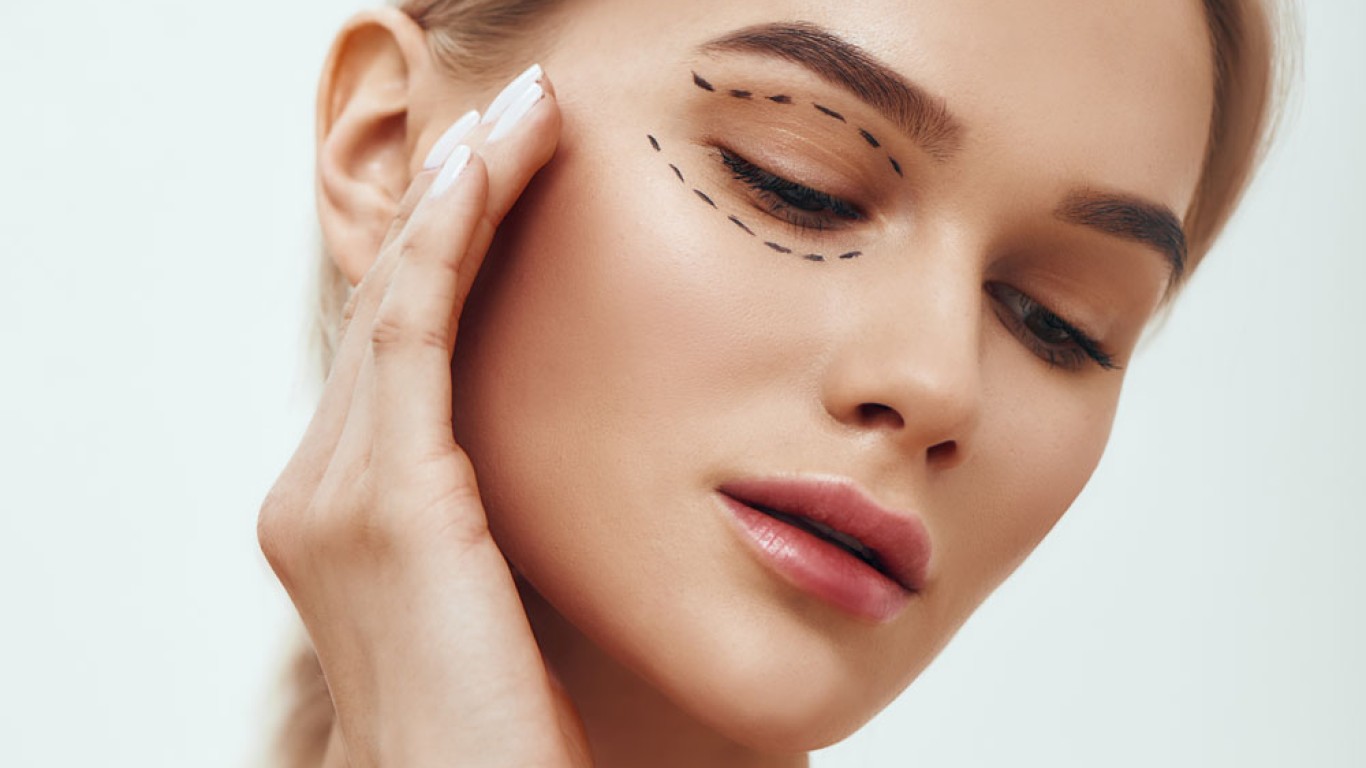
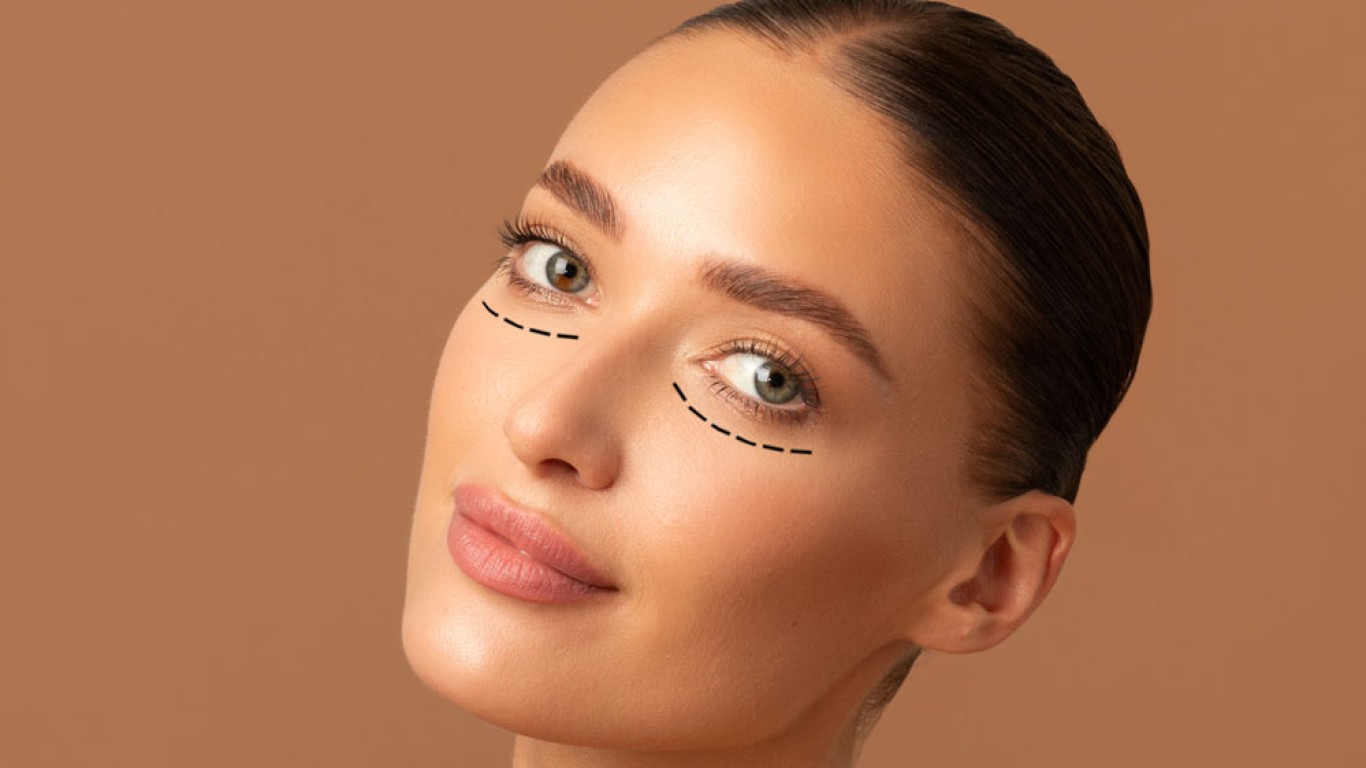
A droopy eyelid can affect appearance and create an uneven look across the eyes. Many people want to understand whether non-surgical options can help correct this concern. Modern aesthetic medicine now offers several approaches that lift, support and refine eyelid shape without invasive steps. This guide explains the most effective non-surgical methods, how they work and how clinics design personalised plans.
What Causes a Droopy Eyelid?
A droopy eyelid can develop for several reasons. Muscle strength may reduce over time, while eyelid skin can become looser or heavier. Fat distribution may also shift across the upper eye area. Digital assessment tools help clinics study shape, symmetry and movement. These scans help specialists understand the underlying pattern. This makes it easier to match the correct treatment method with individual needs.
Can a Droopy Eyelid Be Improved Without Surgery?
Many cases allow improvement through non-surgical treatments. The right option depends on the cause and the degree of droop. Some methods focus on tightening skin, others support the eyebrow position. Some target muscle activity that influences eyelid shape. Modern clinics now use detailed digital tools to analyse each case before offering a tailored plan.
Skin-Tightening Treatments for a Droopy Eyelid
Non-surgical skin-tightening systems use focused energy to contract fibres and improve elasticity. These treatments target loose skin that contributes to a droopy eyelid. They help create a firmer look across the upper eyelid. Results develop gradually as the body responds to the energy. Many clinics use these treatments for mild to moderate looseness.
Laser Treatments to Refine Eyelid Appearance
Laser devices support improved texture and firmness. They work by stimulating surface renewal - this makes the eyelid look smoother and more lifted. Clinics also use laser mapping systems to target precise areas. These tools ensure that energy reaches the correct depth. Lasers work well when the droopy eyelid is caused by surface changes.

Injectables for Eyelid and Brow Support
Injectables can help to lift the brow area - a supported brow creates a more open eyelid shape. When used carefully, injectables relax targeted muscles and improve upper-face symmetry. They work well for droopy eyelids linked to muscle balance. Digital mapping helps specialists plan injection points with accuracy.
Energy-Based Devices for Droopy Eyelid Rejuvenation
Energy-based devices use ultrasound or radiofrequency to target deeper support structures. These devices strengthen upper-face tissues. Improved support helps reduce the appearance of a droopy eyelid. Clinics will often combine these treatments with digital tracking tools to measure progress over time.
Plasma-Based Eyelid Tightening
Plasma devices lightly treat the skin surface, they create micro-thermal points that support tightening. This technique helps lift light droop in the eyelid area. Plasma methods suit individuals seeking a targeted approach, and many people find this option useful when the eyelid droop is mild.
Brow-Lifting Treatments for Eyelid Support
A supported brow often improves the look of the eyelid. Non-surgical brow treatments help refine shape and lift surrounding tissue. Clinics use digital facial mapping to study brow movement and placement - these insights guide treatment design. Even a slight brow lift can create noticeable improvement in eyelid openness.
Droopy Eyelids: AI-Enhanced Eyelid Assessment
AI tools analyse symmetry, movement patterns and eyelid shape. These systems provide detailed data that supports planning. AI also tracks progress during follow-up, which helps specialists refine treatment plans. Digital tools are now used widely due to their accuracy and because they allow precise analysis of subtle changes in the eyelid area.
Choosing the Right Non-Surgical Method for Droopy Eyelids
Choosing the correct option depends on eyelid structure, skin quality, muscle patterns and brow placement. Scans and digital models help specialists assess these factors clearly. Combining this information helps clinics select the most effective approach for each case. This personalised process improves treatment accuracy.
How Long Do Results Typically Last?
Longevity depends on the method selected. Skin-tightening and laser treatments often provide long support while injectables need ongoing maintenance. Plasma-based procedures last for varied periods depending on individual factors. Clinics use digital follow-up to track results and advise on maintenance schedules.
When Non-Surgical Options Work Best
Non-surgical treatments work well for mild and moderate cases, and suit individuals seeking gradual refinement. Those wanting subtle changes find these approaches ideal. Clinics confirm suitability during digital assessment sessions. This ensures that each case receives a tailored plan that matches structural needs.
When Eyelid Surgery May Be Suggested for Droopy Eyelids
In some situations, eyelid surgery may offer a more direct solution. This usually applies to more advanced cases. Digital analysis helps specialists identify when non-surgical methods may not deliver enough lift. In these cases, clinics may discuss surgical options. However, many individuals choose to begin with non-surgical approaches.
Benefits of Starting with Non-Surgical Eyelid Treatments
Non-surgical eyelid treatments allow controlled refinement. They offer flexibility, gradual progress and structured maintenance. Many people also prefer treatments that don’t require significant downtime. Modern tools make non-surgical correction more accurate than ever, and AI and digital imaging continue to improve the process each year.
Long-Term Planning for Eyelid Care
Long-term planning may include regular skin-tightening sessions, brow support treatments or injectables. Clinics use digital records to guide these plans. Regular assessments help maintain a balanced and refreshed look. Consistent planning supports steady improvement over time.
Conclusion
A droopy eyelid can be improved with several non-surgical methods. Laser devices, injectables, tightening systems and digital assessment tools all support natural refinement. These approaches offer structured pathways for individuals seeking subtle improvement without surgery. With modern technology and detailed planning, clinics can design tailored programmes for long-term eyelid support.
For more information about solutions for droopy eyelids, and to book a consultation, visit the ACIBADEM Beauty Center eyelid surgery page.
Frequently Asked Questions
Yes, several non-surgical methods offer improvement.
It depends on eyelid structure and assessment findings.
Yes, they support brow position and eyelid openness.
Yes, lasers refine texture and firmness.
Yes, AI mapping and imaging improve accuracy.