Ataşehir Mah. Feza Sk. No:3 İstanbul / Türkiye
 English
Introduction
Laser skin resurfacing is a popular treatment for lines, scarring, uneven texture and sun damage. It works by removing or heating layers of skin to trigger repair and new collagen. Because the treatment creates controlled injury, a period of healing always follows. The length of that healing period varies widely between patients and between treatments. Some people return to work within a day or two, while others need around two weeks. Redness can also continue for several weeks or months after the skin has closed. This guide explains what affects laser skin resurfacing healing time and what each stage of recovery looks like. It also covers aftercare steps that support the skin as it repairs.
What Is Laser Skin Resurfacing?
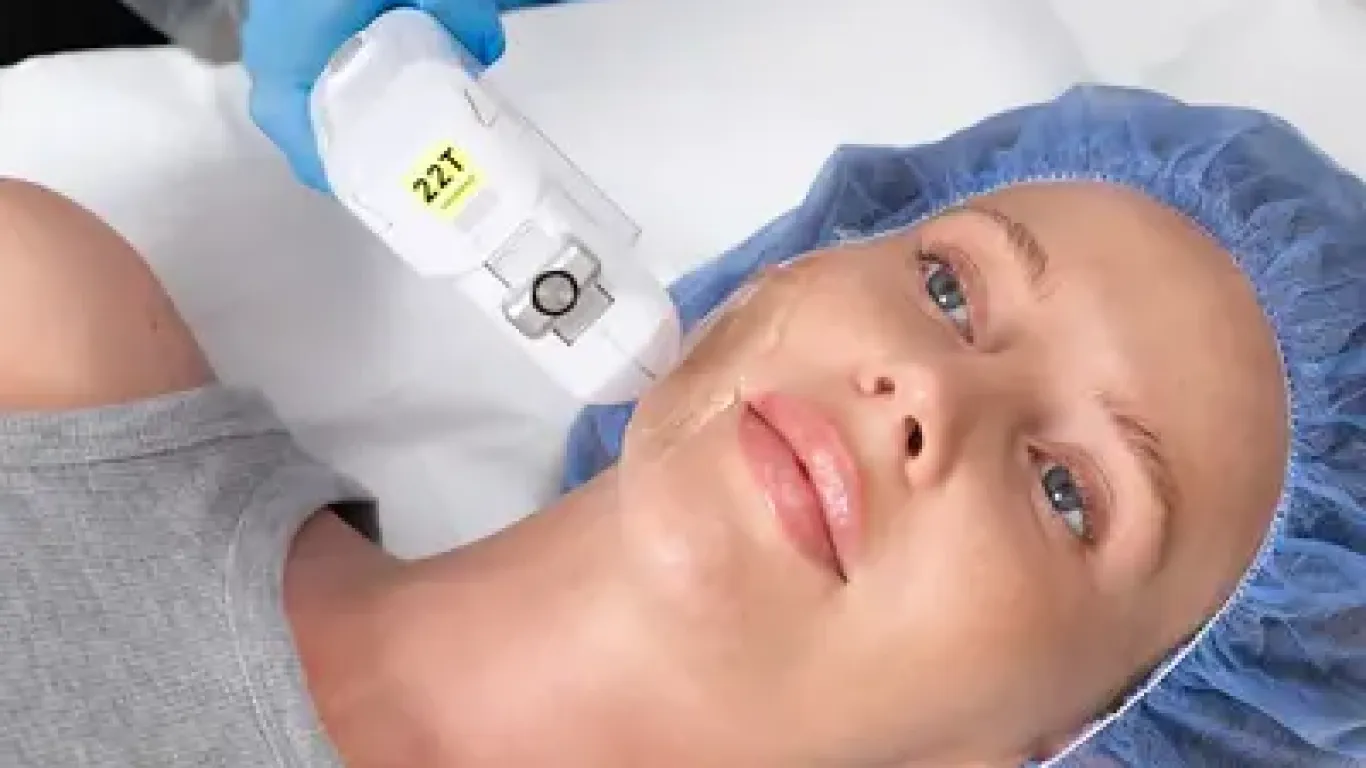
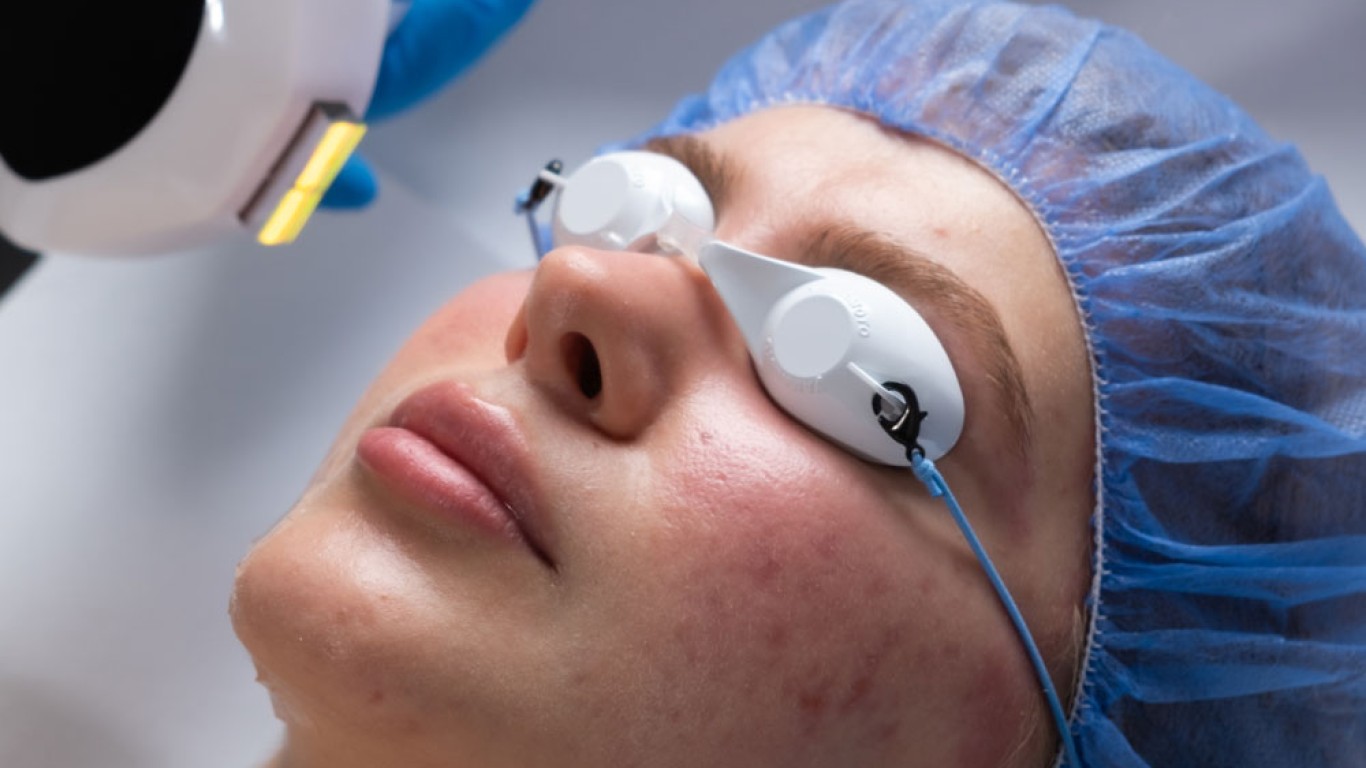
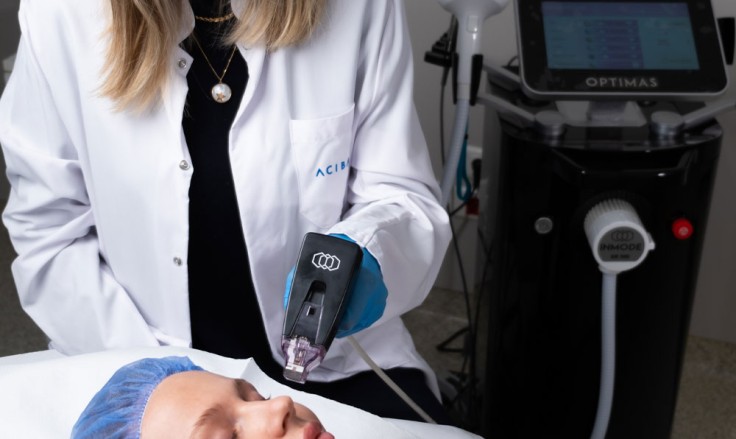
Laser skin resurfacing uses concentrated light energy to treat the surface and deeper layers of the skin. The aim is to remove damaged cells and stimulate fresh collagen production underneath. There are two broad categories of laser used for resurfacing treatments. Ablative lasers remove the outer layer of skin and heat the layer beneath it. Common examples include carbon dioxide lasers and erbium lasers. Non-ablative lasers heat the deeper tissue while leaving the surface intact. Many modern treatments are also fractional, which means the laser treats tiny columns of skin. The untreated skin between those columns helps the treated areas heal more quickly. Fractional treatments can be either ablative or non-ablative, depending on the device used.
Laser Skin Resurfacing Healing Time by Laser Type
The single biggest factor in laser skin resurfacing healing time is the type of laser used. Deeper, more intensive treatments usually give stronger results but need longer recovery.
| Laser Type | Typical Downtime | Redness May Last |
| Fully ablative (CO2 or erbium) | 10 to 21 days | Several weeks to a few months |
| Fractional ablative | 5 to 10 days | 2 to 6 weeks |
| Non-ablative fractional | 1 to 3 days | A few days to 1 week |
These figures are general guides rather than fixed timelines. The depth and density of the treatment set by the clinician also play a significant role. Your own skin type and general health will influence how quickly you recover.
Laser Skin Resurfacing Healing Time: Days 1 to 3
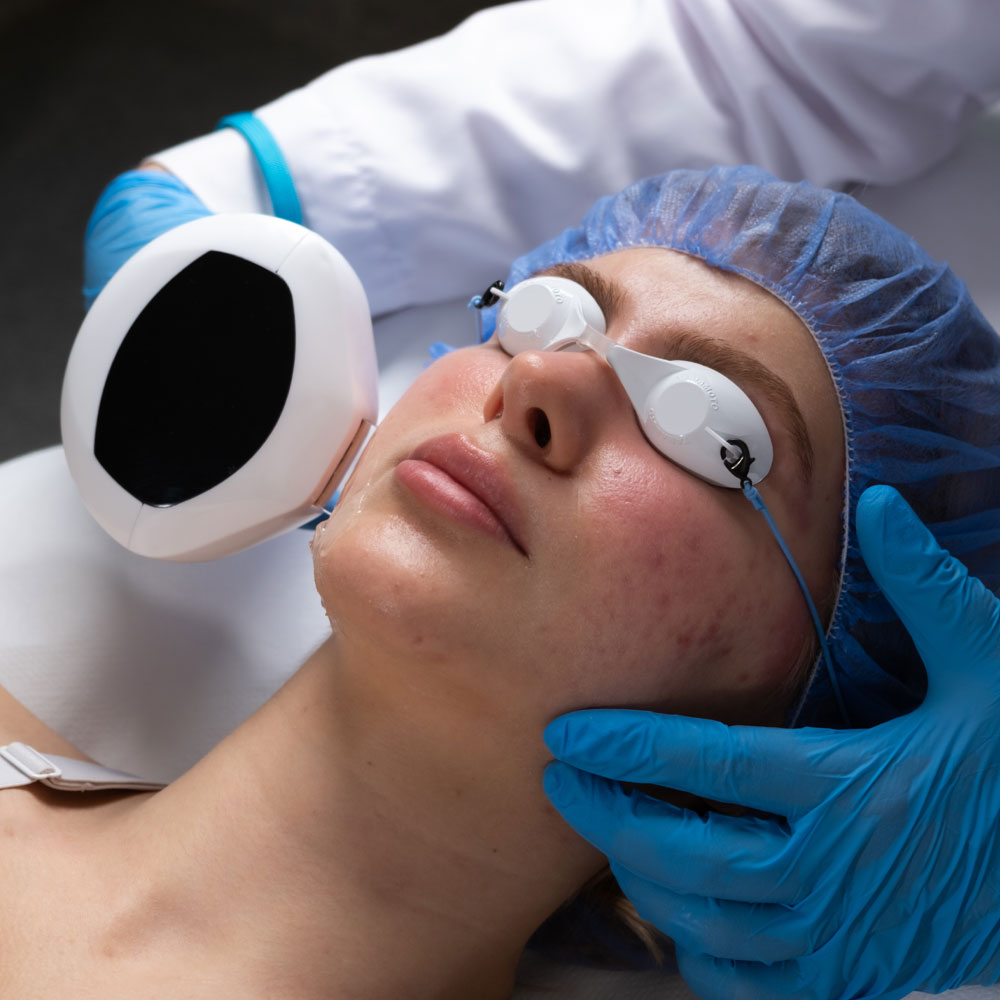
The first few days after treatment are usually the most noticeable part of recovery. After ablative treatments, the skin often looks red and swollen and may feel similar to sunburn. Some patients notice light oozing or weeping as the surface begins to repair. Swelling tends to be most visible around the eyes and is often worse in the mornings. Sleeping with the head slightly raised on extra pillows can help to reduce it. After non-ablative treatments, the skin is usually pink and slightly warm rather than raw. Most patients can return to their normal daily activities within one to three days. During this early phase, gentle cleansing and a protective ointment are usually recommended. The clinic will provide specific instructions based on the treatment you have had.
Laser Skin Resurfacing Healing Time: Days 4 to 14
Between days four and seven, the skin often starts to peel, flake or form light crusting. This is a normal sign that old, damaged skin is shedding to reveal new skin underneath. It is important not to pick or scratch the skin during this stage. Doing so can increase the risk of infection, pigment changes and scarring. After fractional ablative treatments, most peeling settles within about one week. After fully ablative treatments, the new surface layer often takes ten days to two weeks to form. Once this layer has formed, many patients feel comfortable using mineral make-up again. By the end of this stage, most of the obvious visible downtime is usually over. However, the new skin remains delicate and needs careful protection for some time.
Laser Skin Resurfacing Healing Time: Weeks 2 to 12
Once the surface has healed, the skin often stays pink or red for some time. This redness fades gradually and is usually easy to cover with make-up. After fully ablative treatments, redness can last for one to three months in many patients. In some cases, a mild pink tone can persist for longer than this. Underneath the surface, the skin is busy producing new collagen during this period. This is why results continue to improve for several months after the visible healing has finished. Many patients see the full effect of treatment between three and six months afterwards. Factors That Affect Laser Skin Resurfacing Healing Time Several personal factors can make laser skin resurfacing healing time shorter or longer. Understanding them can help you plan around work, travel and social commitments.
- Treatment depth and intensity set by the clinician
- The size of the area treated, such as the full face or a smaller zone
- Skin type, as darker skin may need more cautious settings
- Age and general health, which influence the speed of repair
- Smoking, which reduces blood flow and can slow healing
- How closely aftercare instructions are followed at home
Patients with a history of cold sores may be prescribed antiviral medication before treatment. This is because laser treatment can sometimes trigger an outbreak around the mouth.
Aftercare Tips to Support Healing
Good aftercare is one of the most effective ways to support smooth and steady recovery. The clinic should give clear written instructions, and these should always come first. General aftercare advice often includes the following steps:
- Clean the skin gently with lukewarm water and a mild, fragrance-free cleanser
- Apply the recommended ointment or moisturiser to keep the skin from drying out
- Avoid make-up until the clinic confirms that the surface has fully healed
- Avoid saunas, swimming pools and intense exercise during early recovery
- Use a broad-spectrum sunscreen every day once the skin has closed
Sun protection is especially important for several months after treatment. New skin is more sensitive to ultraviolet light and more likely to develop dark patches.
Conclusion
Laser skin resurfacing healing time depends mainly on the type and depth of treatment. Non-ablative treatments may need only a few days, while fully ablative treatments often need two weeks. Redness can last longer, and results continue to develop for several months. A personal consultation is the best way to understand your likely recovery and expected results.
Explore laser skin resurfacing healing time at ACIBADEM Beauty Center to learn more about the laser options available.
Frequently Asked Questions
Most patients can wear make-up once the new surface layer has fully formed. This is often within a few days after non-ablative treatments. After ablative treatments, it is usually between one and two weeks.
Most clinics use numbing cream or local anaesthetic to keep the treatment comfortable. Deeper ablative treatments may need stronger pain relief or sedation. Afterwards, the skin may feel hot and tight, similar to sunburn.
Fully ablative treatments often require only one session to achieve a significant result. Non-ablative treatments usually need a course of several sessions spaced weeks apart. Your practitioner will recommend a plan based on your goals.
This is often possible after a light non-ablative treatment. After ablative treatments, most patients prefer to take at least one week off. The visible peeling and swelling can make work uncomfortable during this time.
Some improvement is usually visible once the skin has healed and the redness has faded. However, collagen continues to rebuild for several months after treatment. The final result is often clearest between three and six months later.