Ataşehir Mah. Feza Sk. No:3 İstanbul / Türkiye
 French
  English
  German
  Spanish
Introduction
LASIK is one of the most widely performed surgical procedures in the world. It corrects common vision problems including short-sightedness, long-sightedness and astigmatism. LASIK cost in Turkey is significantly lower than in the UK. This has made Turkey an attractive destination for patients seeking high-quality laser eye surgery at accessible prices. Understanding what drives pricing and what to expect from treatment helps patients plan confidently. This article covers LASIK cost in Turkey in 2026. It explains the procedure and what packages include. It also covers how prices compare internationally and what to know before travelling.
LASIK Cost in Turkey 2026: Pricing Overview
LASIK cost in Turkey in 2026 typically ranges from £800 to £1,500 for both eyes. This covers the full treatment at accredited ophthalmology clinics. In the UK, LASIK is priced at £1,500 to £2,500 per eye. Treating both eyes in the UK therefore costs between £3,000 and £5,000 or more. Turkish pricing for both eyes is often less than the UK price for a single eye. Even accounting for travel costs, patients from the UK frequently make significant savings. The table below provides a general comparison.
| Country | LASIK Cost (Both Eyes) | Notes |
| Turkey | £800 – £1,500 | All-inclusive |
| UK | £3,000 – £5,000 | Both eyes, procedure only |
| USA | £3,500 – £6,000 | Both eyes, procedure only |
What Influences LASIK Cost in Turkey?
Several factors influence the final LASIK cost in Turkey. The laser technology used is the most significant variable. Standard LASIK using an excimer laser is generally less expensive. Femto LASIK uses a femtosecond laser to create the corneal flap. This bladeless approach offers greater precision. It is typically priced slightly higher than standard LASIK. SMILE is another minimally invasive technique available in Turkey. It suits certain prescriptions and avoids creating a full corneal flap. Each technique involves different technology and operating time. The prescription strength being corrected also influences complexity. Higher prescriptions may require additional mapping and precision. Clinic accreditation and ophthalmologist experience also play a role in pricing.
What Does the LASIK Procedure Involve?
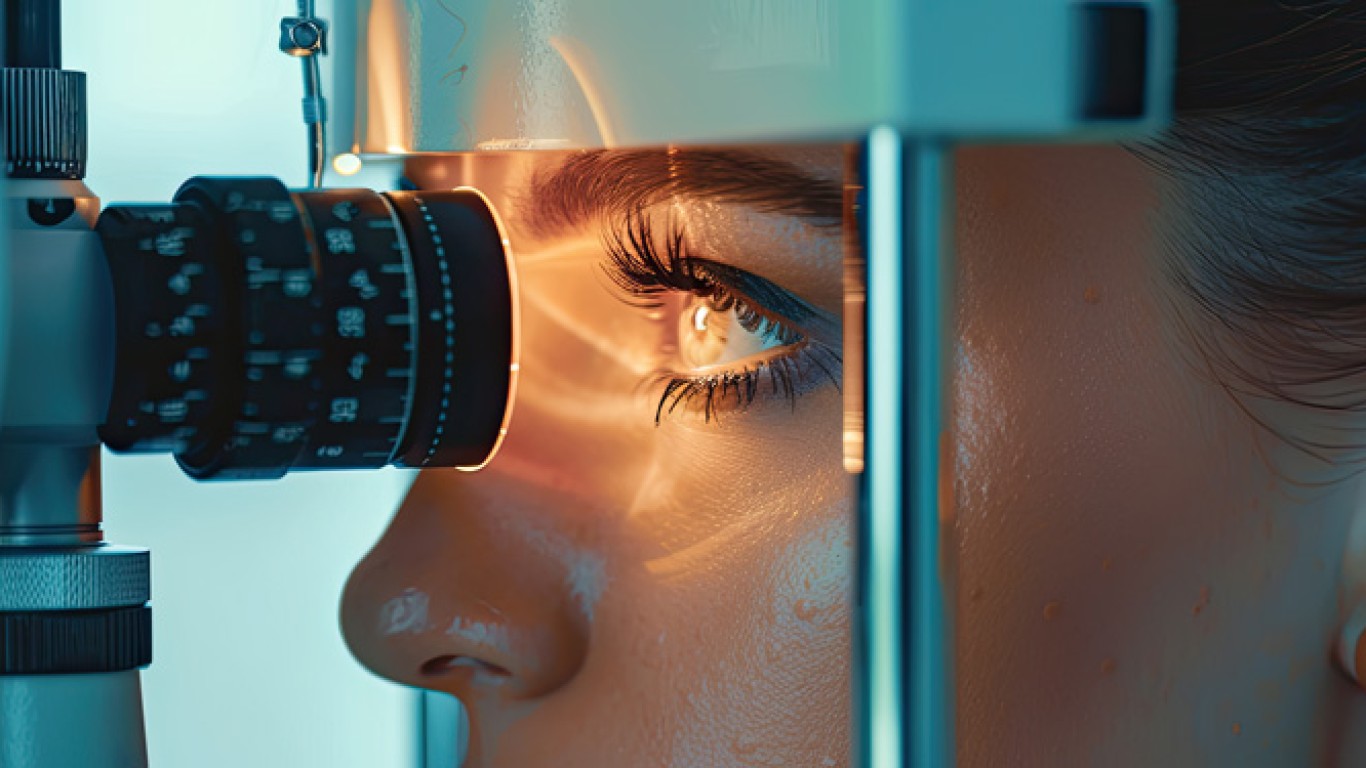
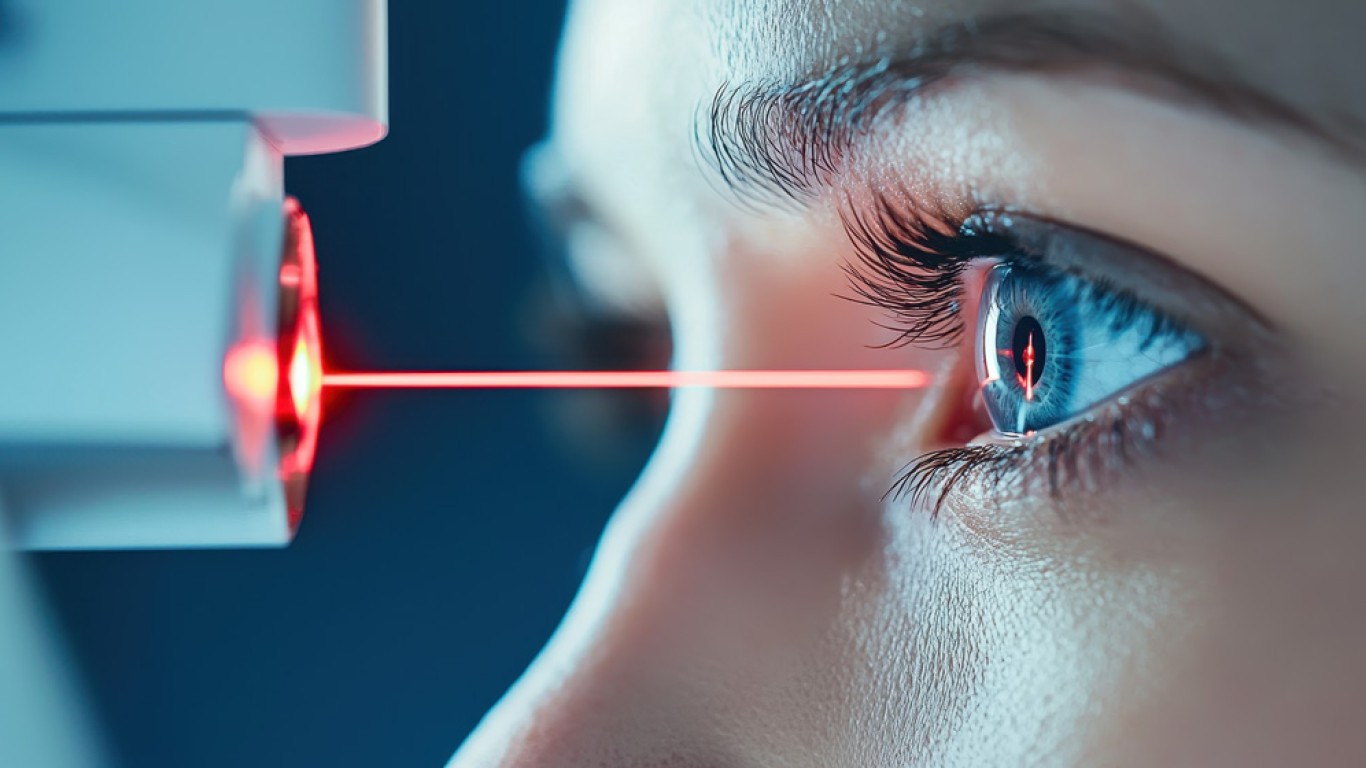
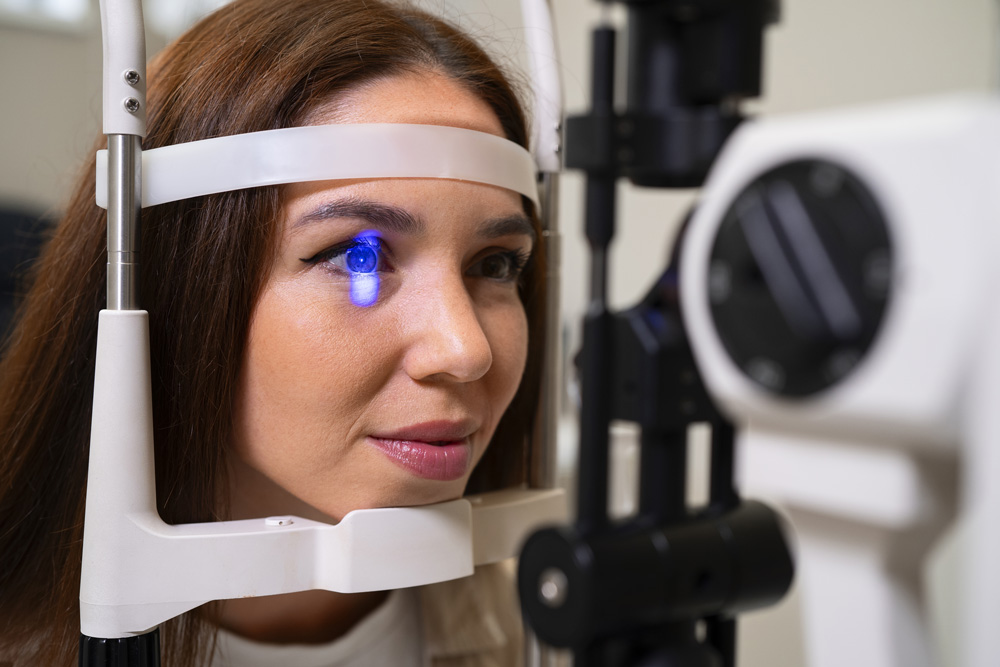
LASIK corrects vision by reshaping the cornea using a laser. The procedure begins with a detailed eye examination. Corneal thickness, prescription and eye health are all assessed. Topical anaesthetic drops numb the eye. No injections or general anaesthesia are used. A femtosecond or microkeratome instrument creates a thin flap in the cornea. The flap is gently lifted. An excimer laser then reshapes the corneal tissue according to the patient's prescription. The flap is repositioned and adheres naturally without stitches. The entire procedure takes approximately ten to fifteen minutes per eye. Most patients notice improved vision within twenty-four hours. The eyes feel slightly dry and sensitive for the first few days.
LASIK Cost in Turkey: What Packages Include
All-inclusive packages enhance the overall value of LASIK cost in Turkey. Pre-operative eye examination and mapping are included. Ophthalmologist consultation and suitability assessment form part of the package. The laser surgery on both eyes is covered. Post-operative eye drops and medications are provided. Follow-up assessments on the day after surgery are included. A review before departure confirms that healing is progressing as expected. Hotel accommodation during the stay in Istanbul is commonly bundled. Airport transfers and patient coordination in English are provided. Remote follow-up through a video call or photograph review continues care after the patient returns home. Most reputable Turkish clinics also offer a guarantee policy covering enhancement procedures if needed.
Who Is a Suitable Candidate for LASIK in Turkey?
Good candidates for LASIK share several characteristics. Vision should be stable for at least twelve months before surgery. The cornea must be of sufficient thickness to allow safe reshaping. The prescription should fall within the treatable range. This typically covers up to ten dioptres of short-sightedness and lower degrees of long-sightedness and astigmatism. Patients should be at least eighteen to twenty years old. Eye health must be good and free from conditions such as glaucoma or keratoconus. Pregnancy and breastfeeding can affect eye prescription stability and may delay suitability. A thorough pre-operative eye examination determines whether LASIK or an alternative technique is most appropriate for each individual patient.
Femto LASIK vs Standard LASIK Cost in Turkey
Patients considering LASIK cost in Turkey will often encounter both standard and Femto LASIK options. Standard LASIK uses a microkeratome blade to create the corneal flap. Femto LASIK uses a femtosecond laser for this step. The laser approach is bladeless and allows more precise flap creation. It is associated with a lower risk of flap-related complications. Femto LASIK is generally priced slightly higher within the overall Turkish LASIK cost range. For many patients, the additional precision justifies the modest price difference. SMILE is a third option available at some Turkish clinics. It involves a different technique that does not require a full corneal flap. The ophthalmologist recommends the most appropriate technique after reviewing the detailed pre-operative assessment.
LASIK Cost: Why Choose Turkey?
LASIK cost in Turkey reflects a well-developed ophthalmology sector with high procedural volumes. Turkish eye clinics invest in modern laser platforms including the latest femtosecond and excimer systems. Ophthalmologists at leading clinics hold international certifications. Many have trained or practised in European institutions. The high volume of procedures develops precision and consistency. Clinics are equipped with advanced diagnostic tools for thorough pre-operative mapping. English-speaking teams support international patients throughout. Istanbul is easily accessible from the UK. Flights typically take three to four hours. This combination makes Turkey one of the most compelling destinations for laser eye surgery. LASIK cost in Turkey consistently attracts patients from across Europe in 2026.
Planning Your LASIK Trip to Turkey
Planning a LASIK trip to Turkey is straightforward. Most patients stay three to five days. The first day covers the detailed pre-operative eye assessment. Surgery takes place on the second day. A review the following morning checks healing progress. Most patients are cleared to fly home on day four or five. Stop wearing contact lenses before travelling. Soft lenses should be removed at least one week before assessment. Hard lenses require two to four weeks without wear. This allows the cornea to return to its natural shape for accurate mapping. Arrange comfortable, close-fitting sunglasses for after surgery. The eyes are sensitive to light during early recovery. Avoid rubbing the eyes at all times during the healing phase. Follow all prescribed eye drop schedules precisely. Attend any local optician appointments recommended by the Turkish clinic after returning home.
Conclusion
LASIK cost in Turkey in 2026 ranges from £800 to £1,500 for both eyes. This compares with £3,000 to £5,000 for both eyes in the UK. All-inclusive packages cover pre-operative assessment, surgery, post-operative care and accommodation. Femto LASIK and SMILE are available alongside standard LASIK. The right technique is recommended based on individual eye assessment. Turkish ophthalmology clinics use modern laser platforms and follow international safety standards. Most patients notice improved vision within twenty-four hours. Recovery is quick, with most patients returning to normal activities within a few days. Turkey offers exceptional value for patients seeking high-quality, permanent vision correction in 2026. LASIK cost in Turkey reflects a well-developed ophthalmology sector rather than any compromise in standards. Thousands of patients from the UK choose Turkey each year for exactly this reason.
For more information and to book a consultation visit the ACIBADEM Beauty Center Laser Eye Surgery page.
Frequently Asked Questions
LASIK for both eyes typically ranges from £800 to £1,500 all-inclusive. The UK equivalent for both eyes costs £3,000 to £5,000.
Femto LASIK uses a femtosecond laser for bladeless corneal flap creation. It is slightly higher in price but offers greater precision and is recommended for most patients.
Most patients notice significantly improved vision within twenty-four hours. Full stabilisation takes several weeks as the cornea heals.
Most patients stay three to five days. This allows time for pre-operative assessment, surgery, and the following day review before returning home.
LASIK permanently reshapes the cornea. Results are long-lasting. Age-related changes such as presbyopia can affect near vision in later years regardless of previous LASIK treatment.