Ataşehir Mah. Feza Sk. No:3 İstanbul / Türkiye
 English
  German
  Spanish
Introduction
Rosacea is a chronic skin condition that causes facial redness, visible blood vessels and sometimes bumps. Millions of people are affected worldwide. The condition is frustrating to manage. Flare-ups are unpredictable. Many patients search for a permanent cure. The honest answer is that it cannot be permanently eliminated. However, it can be managed very effectively. Modern treatments significantly reduce symptoms. Long-term control is achievable for most patients. Understanding what the procedure is and how to manage it helps patients take control of their condition. This article explains the reality of the treatment and what patients can realistically achieve.
Can Rosacea Be Cured Permanently?
No. It is a chronic condition. There is currently no permanent cure. The underlying inflammatory process cannot be switched off completely. However, it can be managed to the point where symptoms are minimal. Many patients achieve long periods with little or no visible redness. Effective management feels close to a cure in practical terms. Treatment aims for sustained control rather than permanent elimination. Flare-ups can be minimised. Triggers can be avoided. Visible symptoms can be dramatically reduced. Most patients who engage with a structured management plan experience significant improvement. The goal is a stable, comfortable complexion maintained through consistent care. Rosacea does not have to dominate a patient's daily life or self-confidence.
Understanding Rosacea Triggers
Trigger management is foundational to rosacea control. Common triggers include sun exposure, heat, alcohol, spicy food and stress. Hot drinks and extreme temperature changes provoke flushing. Exercise can trigger flares in some patients. Certain skincare ingredients irritate prone skin. Identifying individual triggers is essential. Not every trigger affects every patient equally. Keeping a diary of flare-ups helps identify personal patterns. Management becomes more effective once triggers are understood. Avoiding confirmed triggers reduces flare frequency. Sun protection is universally important. UV exposure is the most common trigger across all patient groups. Daily SPF application protects the skin and reduces baseline redness over time. Mineral sunscreens containing zinc oxide are generally well tolerated by prone skin.
Topical Treatments for Rosacea
Topical medications are the first-line of treatment. Metronidazole gel or cream reduces inflammation and redness. It is applied once or twice daily. Results develop over several weeks of consistent use. Azelaic acid reduces redness, bumps and inflammation. It also improves skin texture. Ivermectin cream addresses the Demodex mite population that contributes to inflammation in some patients. It is applied once daily. Brimonidine gel provides temporary redness reduction. It constricts blood vessels in the skin. The effect lasts approximately twelve hours. Topical treatment requires patience. Improvement develops gradually over weeks to months. Consistent daily application produces the best results. Stopping treatment often allows symptoms to return. Most patients use topical medication as an ongoing maintenance strategy. The products become part of the daily skincare routine rather than a short-term course.

Oral Treatments for Rosacea
Oral medications suit moderate to severe cases. Low-dose doxycycline is the most commonly prescribed oral treatment. At anti-inflammatory doses, it reduces redness and bumps without acting as an antibiotic. Side effects are minimal at these lower doses. The treatment responds well to this approach. Treatment courses typically last two to three months. Some patients require longer-term use. Other oral antibiotics may be prescribed for papulopustular rosacea. Isotretinoin is reserved for severe cases that do not respond to standard treatments. It reduces oil production and inflammation significantly. The treatment with isotretinoin requires careful monitoring due to side effects. Oral medications are typically used alongside topical treatments. The combination produces stronger improvement than either approach alone. Once symptoms are controlled, oral medication is often reduced. Topical maintenance continues long term.
Laser and Light Treatments for Rosacea
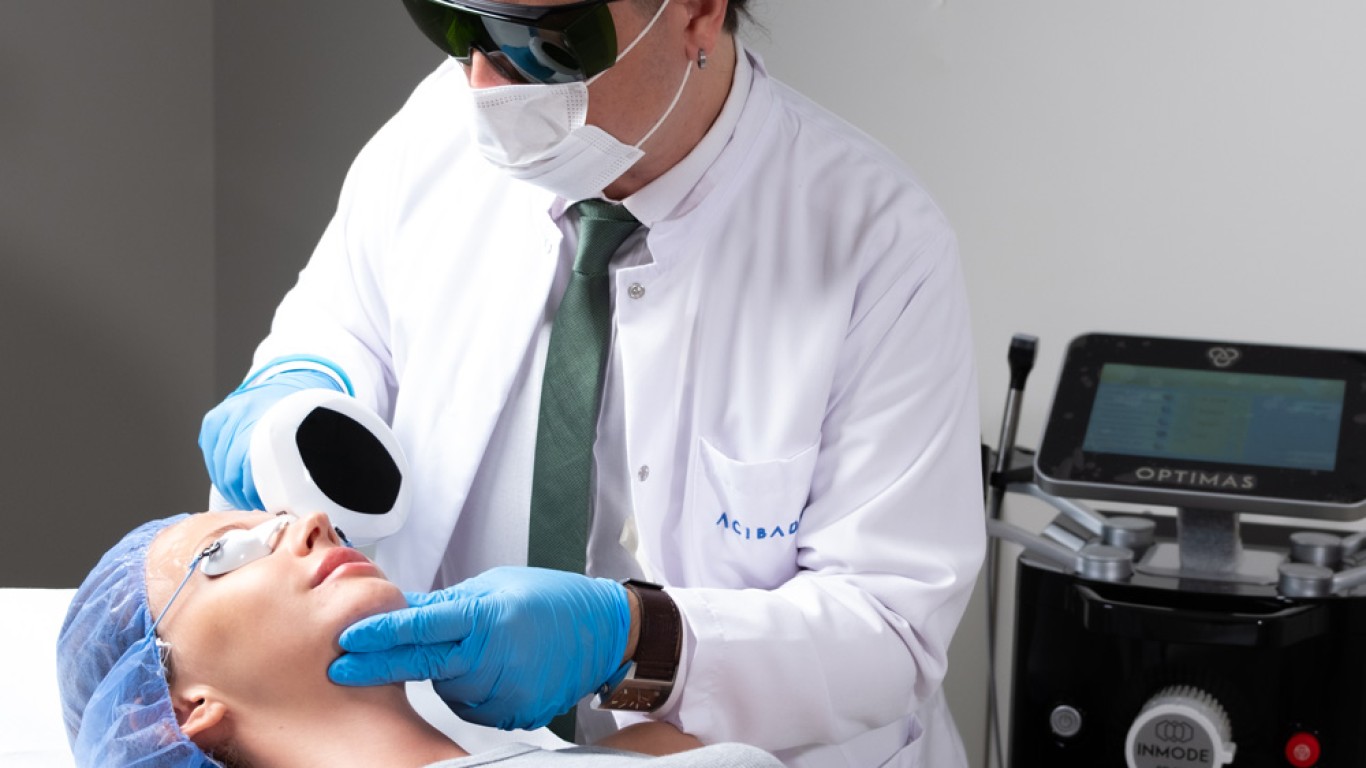
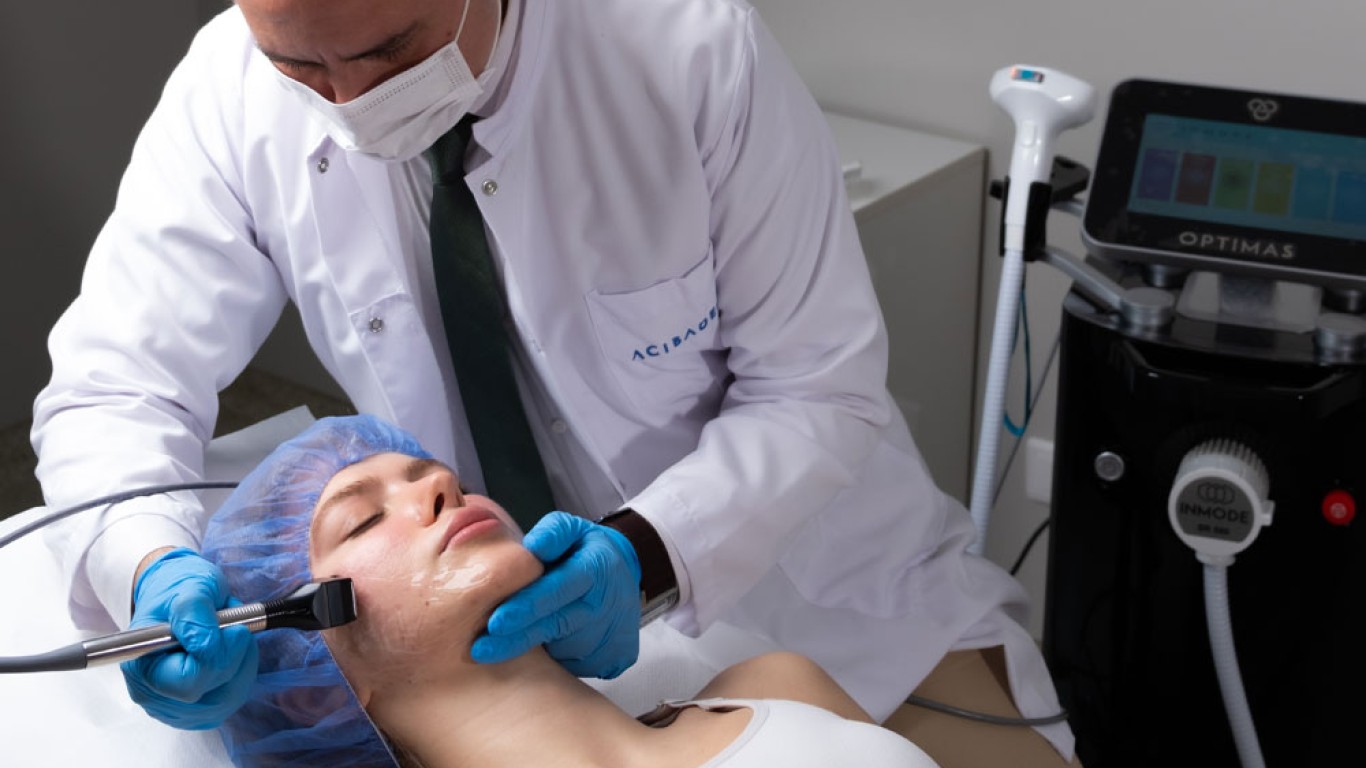
Laser treatment addresses the vascular components of this procedure most effectively. Pulsed dye laser targets visible blood vessels. The laser energy collapses the vessel walls. The body absorbs the treated vessels over the following weeks. Redness and visible vessels reduce significantly. IPL treats diffuse redness across larger areas. It addresses background flushing effectively. Two to four sessions produce meaningful improvement. Treatment with laser shows fifty to seventy-five percent improvement in most patients. Results are long lasting. However, new vessels can develop over time. Maintenance sessions every six to twelve months sustain the improvement. Laser treatment does not cure it. It manages the visible vascular symptoms effectively. The underlying inflammatory tendency remains. Laser is most effective when combined with trigger avoidance and topical medication. This multi-layered approach produces the most stable long-term control.
Skincare for Rosacea Management
Appropriate skincare supports control significantly. Gentle, fragrance-free products are essential. Harsh cleansers strip the skin barrier and worsen redness. A mild, non-foaming cleanser suits prone skin. Moisturisers containing ceramides and niacinamide strengthen the skin barrier. A compromised barrier allows irritants to trigger inflammation more easily. Suitable skincare avoids common irritants. Alcohol, menthol, witch hazel and strong fragrances should be eliminated. Exfoliating acids should be used cautiously if at all. Physical exfoliants are too abrasive. Mineral SPF is applied daily as the final skincare step. Helpful skincare is about protection and repair. The skin barrier must be maintained in the best possible condition. Strong, healthy skin resists triggers more effectively. Simple, consistent routines outperform complex regimes. Fewer products with proven gentle formulations produce the most stable results.
Diet and Lifestyle for Rosacea Control
Diet and lifestyle modifications support rosacea management. Anti-inflammatory foods may reduce baseline inflammation. Omega-three fatty acids from fish, nuts and seeds support skin health. Processed foods and excess sugar promote systemic inflammation. Patients often report improvement when dietary triggers are reduced. Alcohol is a well-documented trigger. Red wine affects many patients. Reducing or eliminating alcohol consumption often produces noticeable improvement. Stress management supports stable skin. Chronic stress increases inflammatory markers. Mindfulness, exercise and adequate sleep all contribute to lower stress levels. The treatment responds to holistic management. Addressing diet, stress and skincare alongside medical treatment produces the most comprehensive improvement. Patients who adopt a full lifestyle approach consistently report the greatest satisfaction with their outcomes.
Conclusion
Rosacea cannot be permanently cured. It can be managed very effectively through a combination of approaches. Topical and oral medications reduce inflammation and redness. Laser treatment addresses visible vessels and background flushing. Trigger avoidance and appropriate skincare maintain stability. Diet and lifestyle modifications support overall skin health. Long-term management produces sustained control that feels close to a cure in daily life. Professional guidance ensures the most effective personalised plan. Turkey offers treatment at competitive pricing with experienced dermatology practitioners. Early treatment often prevents progression and improves long-term comfort. Consistent care helps patients enjoy clearer, calmer skin with greater confidence.
For more information about rosacea and to book a consultation visit the ACIBADEM Beauty Center Skin Treatments page.
Frequently Asked Questions
No. It is a chronic condition. It can be managed very effectively with sustained treatment.
A combination of topical medication, trigger avoidance and laser treatment produces the best results.
Laser reduces visible symptoms significantly. It does not cure the underlying condition.
Sun, heat, alcohol, spicy food, stress and harsh skincare are common triggers.
Yes. Professional guidance ensures the most effective personalised management plan.