Ataşehir Mah. Feza Sk. No:3 İstanbul / Türkiye
 English
  German
  Spanish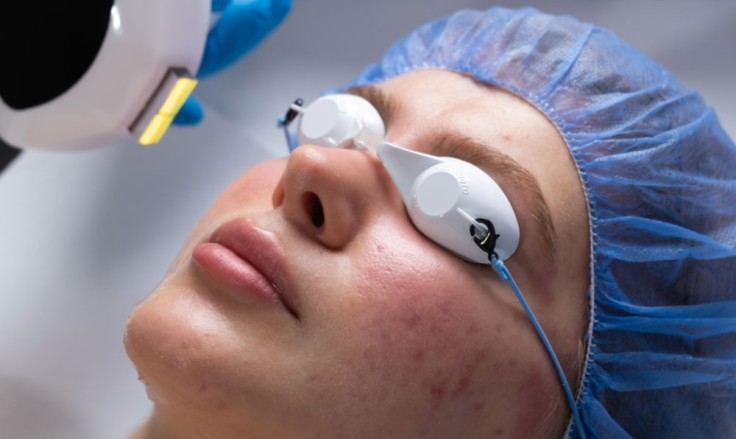
Introduction
Rosacea is a chronic skin condition affecting millions of people. It causes persistent redness, visible blood vessels and sometimes bumps on the face. The condition is frustrating to manage. Topical treatments provide partial relief for many patients. Laser treatment for rosacea has become one of the most effective options for reducing visible redness and blood vessels. The technology targets the specific features of the condition. Understanding how laser treatment works helps patients evaluate this approach. This article explains the available laser types, expected results and what patients should know before treatment.
What Is Rosacea?
Rosacea is a chronic inflammatory skin condition. It primarily affects the central face. Cheeks, nose, chin and forehead are most commonly involved. The condition presents in several subtypes. Erythematotelangiectatic rosacea involves persistent redness and visible blood vessels. Papulopustular rosacea includes bumps and pimple-like lesions. Phymatous rosacea causes skin thickening, most commonly on the nose. Ocular rosacea affects the eyes. Laser treatment for rosacea addresses the vascular components most effectively. Redness and visible blood vessels respond well to laser energy. The condition is chronic. It cannot be cured. However, symptoms can be managed effectively. Laser treatment provides one of the most significant visible improvements available for the vascular subtype.
How Laser Treatment for Rosacea Works
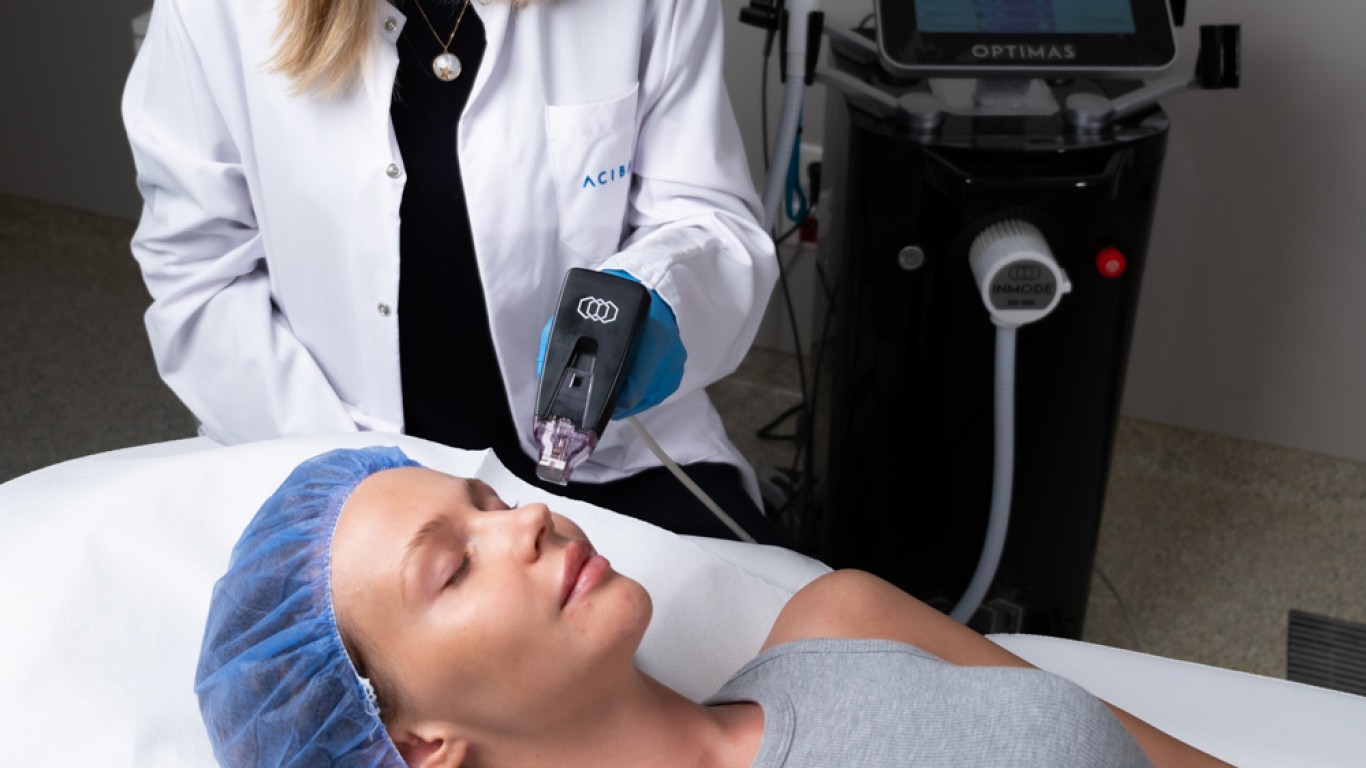
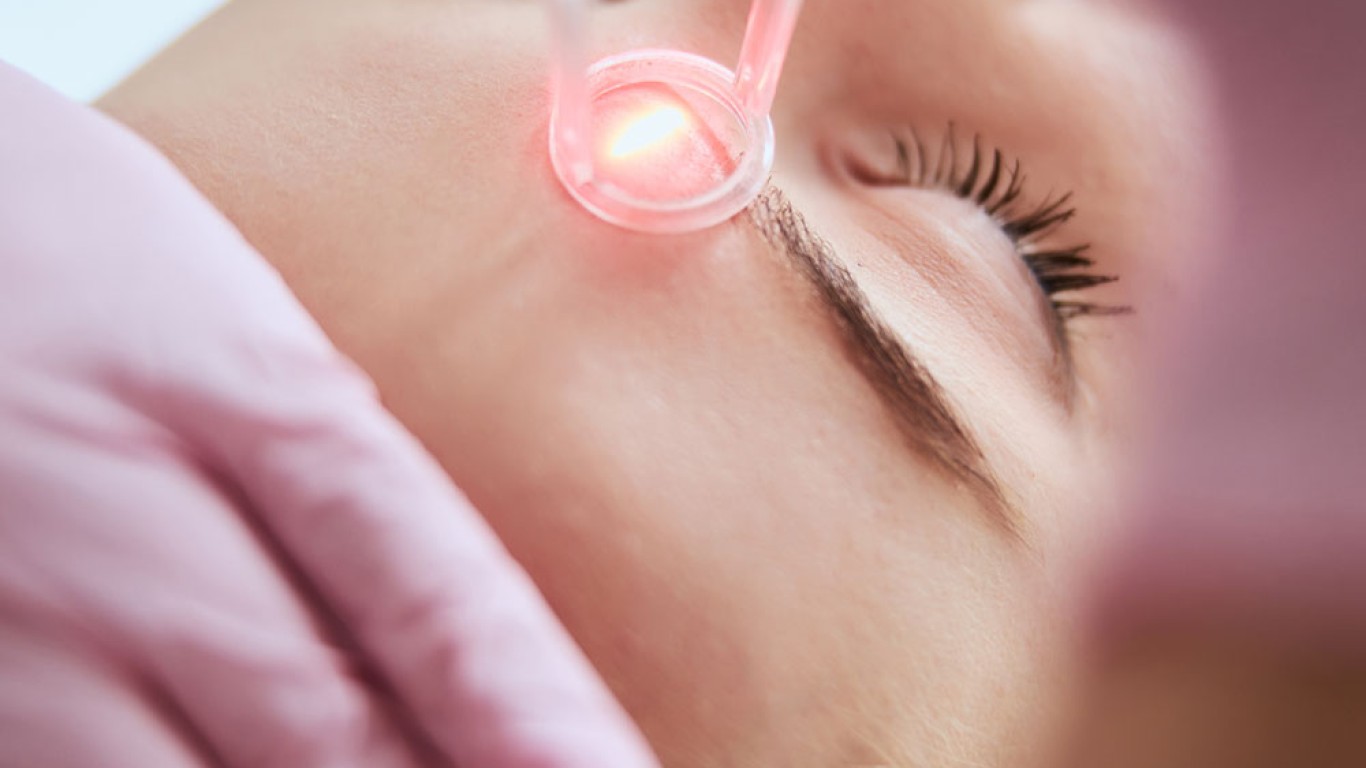
Laser treatment for rosacea uses targeted light energy to address visible blood vessels and diffuse redness. The laser emits a specific wavelength absorbed by haemoglobin in the blood. Blood vessels absorb this energy. The heat causes the vessel walls to collapse. The body then absorbs the treated vessels over the following weeks. Surrounding tissue is largely unaffected. Laser treatment also reduces background redness. The overall inflammatory flush that characterises the condition diminishes. Different laser types target different vessel sizes and depths. The practitioner selects the most appropriate laser based on individual rosacea presentation. The precision of modern lasers allows effective treatment with minimal risk of damage to surrounding skin.
Laser Treatment for Rosacea: Types of Laser Used
Several laser and light-based technologies treat rosacea effectively. Pulsed dye laser is the most established option. It targets small blood vessels using a five hundred ninety-five nanometre wavelength. PDL is considered the gold standard for rosacea-related redness and visible vessels. IPL, intense pulsed light, uses broad-spectrum light. It treats diffuse redness and smaller vessels across larger areas. Laser treatment for rosacea may also use KTP laser for very fine superficial vessels. Nd:YAG laser treats deeper, larger vessels. Some patients benefit from combining different technologies. The practitioner assesses vessel size, depth and distribution during consultation. Rosacea laser treatment is personalised based on individual presentation. The right technology for each patient produces the best outcome with the least risk.

What Results Does Laser Treatment for Rosacea Produce?
Results are visible and clinically meaningful for most patients. Visible blood vessels reduce significantly after treatment. Background redness diminishes. The face appears calmer and more even-toned. Rosacea laser treatment typically produces fifty to seventy-five percent improvement in redness and vessels. Some patients achieve greater improvement. Complete elimination of all redness is not typical. Rosacea is a chronic condition. New vessels may develop over time. However, the improvement from laser treatment is substantial and long lasting. Results develop over two to four weeks after each session. Treated vessels are absorbed by the body during this period. Laser treatment for rosacea produces progressive improvement across the full treatment course. Patients frequently describe the improvement as transformative for their confidence and daily comfort.
Laser Treatment for Rosacea: Treatment Course
Most patients require two to four sessions. Sessions are spaced four to six weeks apart. Each session builds on the vessel clearance from previous treatments. Rosacea laser treatment improvement is cumulative. Some patients notice visible reduction after the first session. The most significant change typically appears after two to three sessions. Maintenance sessions may be needed every six to twelve months. New vessels develop as part of the chronic condition. Periodic treatment maintains the improved appearance. Laser treatment for rosacea is an ongoing management strategy rather than a one-time cure. Patients who combine laser with topical treatments and trigger avoidance achieve the most stable long-term results.
Recovery After Laser Treatment for Rosacea
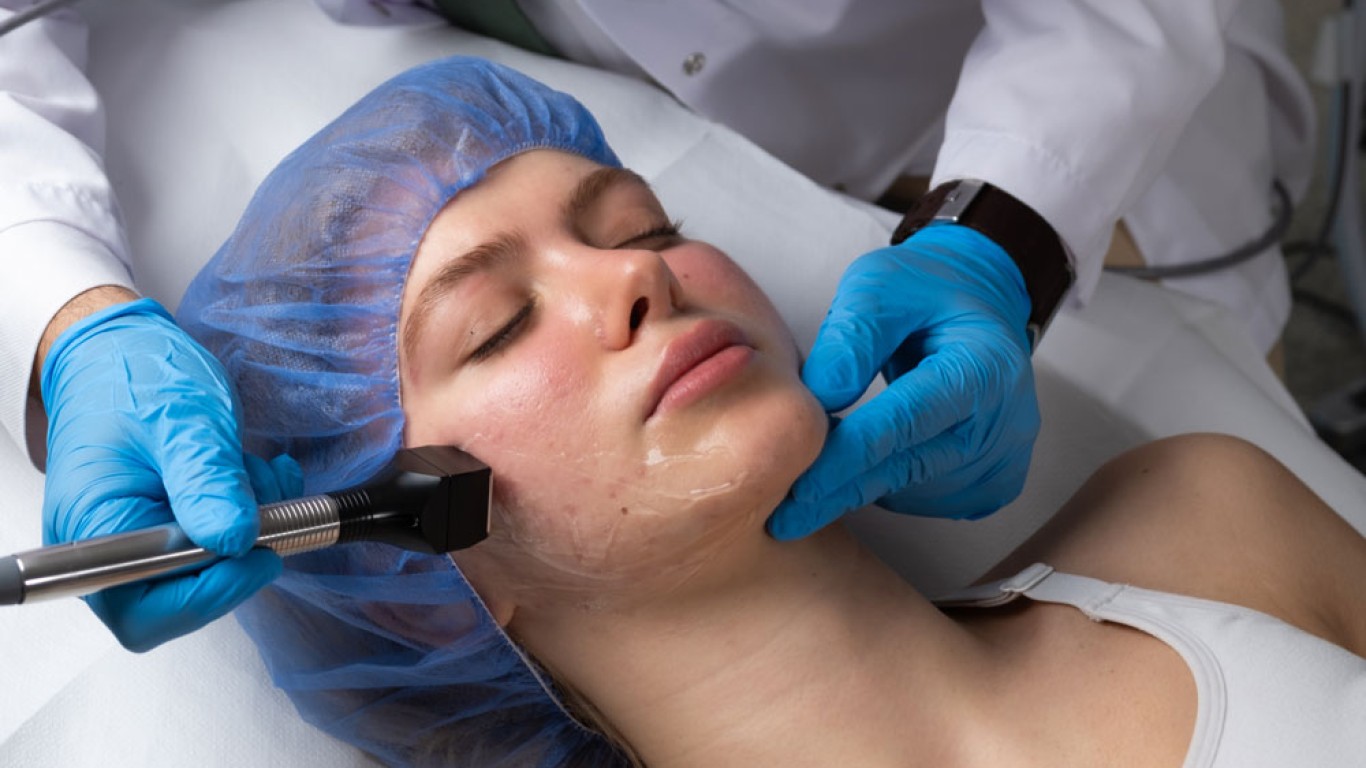
Recovery is straightforward for most patients. Redness and mild swelling are expected immediately after treatment. The skin may feel warm. These effects resemble a mild sunburn. Redness resolves within one to five days depending on the laser used. Laser treatment for rosacea with PDL may cause temporary purpura. These are small bruise-like marks at the treatment sites. Purpura resolves within seven to ten days. IPL typically causes less purpura. The practitioner explains expected downtime based on the chosen technology. Makeup can usually be applied from the following day. Sun protection is essential during healing. SPF fifty should be applied daily for at least four weeks. Laser treatment for rosacea recovery allows most patients to resume normal activities within one to two days.
Who Suits Laser Treatment for Rosacea?
The treatment suits patients with specific rosacea features. Those with persistent facial redness benefit significantly. Visible blood vessels on the cheeks and nose respond well. Laser treatment for rosacea is most effective for the erythematotelangiectatic subtype. Patients with papulopustular rosacea may need topical or oral treatment alongside laser. The inflammatory bumps respond to medication rather than laser. Lighter skin types typically respond more predictably to laser treatment. Darker skin tones require careful wavelength selection to avoid pigmentation changes. Laser treatment for rosacea suits patients who have not achieved adequate improvement with topical treatments alone. It is not a substitute for trigger management. Avoiding known rosacea triggers remains important alongside laser therapy. Consultation evaluates individual suitability based on rosacea subtype, skin type and treatment history. Patients with stable rosacea usually achieve the most predictable outcomes. A personalised assessment identifies the most appropriate treatment approach.
Laser Treatment for Rosacea: Safety and Considerations
Laser treatment for rosacea has a strong safety profile when performed by experienced practitioners. Side effects are generally mild and temporary. Redness and swelling resolve within days. Purpura from PDL treatment is temporary. Blistering is rare with correct settings. Pigmentation changes are uncommon in lighter skin types. Darker skin tones carry slightly higher risk of temporary pigmentation change. The practitioner adjusts laser parameters based on skin type. Laser treatment for rosacea should be performed by qualified dermatologists or laser specialists. Experience with rosacea-specific protocols is important. Test patches may be performed before full treatment for patients with higher skin sensitivity. Eye protection is worn during all laser procedures. Following aftercare advice carefully reduces irritation and supports comfortable healing. Sun protection remains essential throughout the treatment course.
Laser Treatment for Rosacea: Cost and Availability
The treatment is available at dermatology and laser clinics. UK pricing ranges from one hundred fifty to four hundred pounds per session. A full course of two to four sessions represents the total investment. Turkey offers laser treatment for rosacea at competitive pricing. Turkish dermatology clinics use modern laser platforms. Experienced practitioners perform the treatment at accredited facilities. The treatment can be combined with other skin treatments during a visit to Turkey. All-inclusive packages simplify the experience. The lower pricing makes completing the recommended course more accessible. Professional consultation determines the right laser type and treatment plan for individual rosacea concerns. Many clinics offer treatment plans tailored to individual rosacea severity. Flexible scheduling makes completing the recommended sessions more convenient.
Conclusion
Laser treatment for rosacea is one of the most effective options for reducing facial redness and visible blood vessels. Pulsed dye laser and IPL are the most commonly used technologies. Two to four sessions produce significant improvement. Results are long lasting with periodic maintenance. Laser treatment for rosacea cannot cure the condition. It manages the visible symptoms effectively. Recovery is minimal. The treatment is safe for most patients when performed by qualified specialists. Professional consultation ensures the right technology and treatment plan. Turkey offers laser rosacea treatment at competitive pricing with experienced dermatology practitioners. Ongoing skincare and trigger avoidance help maintain improvements between maintenance sessions. Combining treatments often produces the most consistent long-term control of rosacea symptoms.
For more information about laser treatment and to book a consultation visit the ACIBADEM Beauty Center Skin Treatments page.
Frequently Asked Questions
No. It manages visible symptoms effectively. Rosacea is a chronic condition.
Two to four sessions spaced four to six weeks apart.
Most patients describe a snapping or warming sensation. Discomfort is mild.
Pulsed dye laser is the gold standard. IPL also produces effective results.
Results are long lasting. Maintenance every six to twelve months sustains the improvement.