Ataşehir Mah. Feza Sk. No:3 İstanbul / Türkiye
 French
  English
  German
  Spanish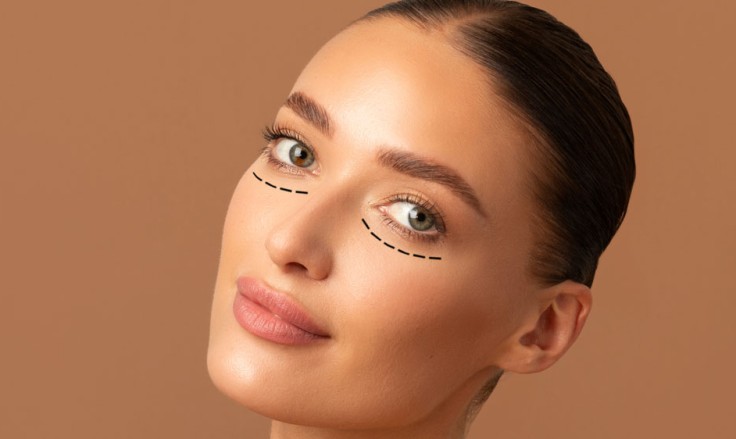
Introduction
Eyelid concerns can affect both appearance and daily comfort in subtle yet meaningful ways. Some individuals experience heaviness, puffiness or drooping that alters facial balance over time. Others struggle with reduced upper field vision caused by excess tissue resting over the pupil. These changes may develop gradually or appear earlier due to genetics. Understanding how to qualify for eyelid surgery helps patients determine suitability before consultation. Qualification depends on both functional and aesthetic factors working together. A structured medical and anatomical assessment ensures the procedure is appropriate, safe and beneficial.
Understanding the Purpose of Eyelid Surgery
Before exploring how to qualify for eyelid surgery, it is important to understand the objective of the procedure clearly. Eyelid surgery, also known as blepharoplasty, removes excess skin or adjusts fat distribution around the eyes. In functional cases, it may improve vision when drooping obstructs sight. In aesthetic cases, it enhances symmetry and definition while preserving natural expression. The intention is refinement rather than dramatic alteration. The goal is to restore proportion and clarity in the eye area. Clear expectations support appropriate candidacy and long term satisfaction.
Medical Criteria for Qualification
General health plays a central role in determining eligibility for surgery. Individuals should be free from uncontrolled medical conditions that affect healing. Stable blood pressure, good circulation and appropriate immune function are important factors. Certain eye conditions, such as dry eye syndrome or glaucoma, may require specialist clearance. Understanding how to qualify for eyelid surgery includes reviewing medical history carefully and transparently. A preoperative assessment ensures safety, minimises complications and supports predictable recovery.
Functional Qualification Factors
Some patients seek eyelid surgery due to measurable vision impairment rather than appearance alone. When excess upper lid skin partially covers the pupil, daily activities such as reading or driving may be affected. Visual field testing can measure this obstruction objectively. Documented functional limitation may strengthen qualification, especially when peripheral vision is restricted. How to qualify for eyelid surgery in these cases often involves ophthalmic evaluation and formal testing. Addressing functional concerns can significantly improve comfort and clarity.
Aesthetic Qualification Considerations
Many patients pursue eyelid surgery primarily for cosmetic reasons. Qualification in these cases depends on realistic expectations and anatomical suitability. Excess skin, fat prominence or asymmetry may justify intervention. Skin quality, elasticity and muscle tone influence expected outcomes. How to qualify for eyelid surgery aesthetically involves assessing proportion, balance and harmony with surrounding features. Subtle enhancement is prioritised over dramatic change. Personal goals should align with achievable and natural results.
Age and Timing
There is no strict age limit for eyelid surgery, as qualification is based on tissue condition rather than years. However, most candidates are over thirty when age related changes become visible. Younger individuals may qualify if genetic factors cause early heaviness or puffiness. Older patients may benefit when skin laxity progresses significantly and affects comfort. Understanding how to qualify for eyelid surgery includes evaluating tissue elasticity, brow position and muscle strength. Timing should align with both clinical need and personal readiness.

Psychological Readiness and Expectations
Emotional preparedness is an essential qualification factor often overlooked. Patients should have realistic expectations regarding both outcome and recovery. Eyelid surgery enhances existing features rather than transforming facial identity. Understanding how to qualify for eyelid surgery includes honest discussion about goals and motivations. Clear communication between patient and surgeon prevents dissatisfaction. Confidence in decision making supports long term satisfaction and emotional comfort.
Lifestyle and Recovery Commitment
Candidates must be willing to follow postoperative instructions carefully. Swelling and mild bruising are part of normal healing and require patience. Taking appropriate time for recovery ensures optimal results. Smoking cessation may be recommended before surgery to support circulation. How to qualify for eyelid surgery also involves commitment to aftercare and follow up appointments. Compliance improves healing quality, scar refinement and overall outcome stability.
Upper Versus Lower Eyelid Qualification
Qualification differs depending on whether the upper or lower eyelid is treated. Upper eyelid surgery often addresses skin excess, drooping or visual obstruction. Lower eyelid surgery may focus on puffiness, fat prominence or under eye laxity. Assessment considers anatomy, muscle tone and skin support carefully. Understanding how to qualify for eyelid surgery involves identifying which area requires correction and whether combined treatment is beneficial. Each case is evaluated individually to ensure balanced results.
When Additional Procedures Are Considered
In some cases, brow position significantly influences eyelid appearance. Mild brow descent may mimic upper lid heaviness and affect perceived eligibility. Addressing the brow may improve overall balance and refine results. How to qualify for eyelid surgery sometimes includes evaluating surrounding facial structures comprehensively. Comprehensive assessment prevents incomplete correction and supports proportionate planning. Combined approaches are discussed only when necessary.
Why Many Patients Choose Turkey for Eyelid Surgery
Turkey offers experienced surgeons and advanced facilities specialising in delicate eyelid procedures. Detailed consultation ensures personalised assessment and structured planning. How to qualify for eyelid surgery is evaluated carefully through medical review and anatomical examination. Patients value professional guidance, transparent communication and comprehensive aftercare. Precision technique and supportive recovery pathways enhance confidence throughout the process.
The Importance of Skin Elasticity in Qualification
Skin elasticity plays a significant role in determining how to qualify. Elastic skin tends to respond more predictably to tightening and contour adjustment. When elasticity is reduced significantly, results may require more conservative planning. Surgeons assess how the skin retracts and supports underlying tissue. Good elasticity supports smoother contour after excess tissue removal. Reduced elasticity does not exclude eligibility but may influence expectations. Understanding tissue quality ensures realistic planning and balanced correction.
Assessing Fat Distribution Around the Eyes
Fat distribution in the upper and lower eyelids affects surgical suitability. Prominent fat pads may create puffiness that appears as swelling. In some cases, repositioning rather than removing fat preserves natural fullness. Evaluating fat compartments helps determine how to qualify accurately. Excessive removal may create hollowing if not planned carefully. Conservative reshaping supports natural contour. Anatomical analysis ensures proportional refinement rather than overcorrection.
Medical Imaging and Preoperative Testing
In certain cases, additional evaluation may be recommended before surgery. Visual field testing can document functional impairment objectively. Photographic documentation helps track asymmetry and surgical planning. Blood tests may be required to confirm general health stability. These steps support safe qualification and preparation. Understanding how to qualify for eyelid surgery includes meeting safety criteria as well as anatomical suitability. Comprehensive preparation reduces risk and improves predictability.
Smoking and Healing Considerations
Smoking affects circulation and tissue oxygenation, which can influence healing quality. Patients who smoke may be advised to stop before surgery. Adequate blood flow supports incision healing and scar refinement. How to qualify for eyelid surgery may include lifestyle adjustments prior to scheduling. Surgeons prioritise optimal healing conditions to support stable outcomes. Commitment to preoperative guidelines strengthens eligibility.
Realistic Outcome Assessment
Understanding achievable outcomes is an essential part of qualification. Eyelid surgery improves contour and proportion but does not eliminate all signs of ageing. Skin texture and pigmentation may require additional treatments separately. Learning how to qualify for eyelid surgery involves accepting natural anatomical limits. Clear discussion prevents unrealistic expectations. Balanced improvement often produces the most satisfying results.
Functional Versus Cosmetic Documentation
In cases where vision is affected, documentation becomes important. Visual testing can confirm upper field restriction caused by drooping tissue. This may influence insurance eligibility in certain healthcare systems. Cosmetic qualification focuses more on proportion and balance. Understanding how to qualify for eyelid surgery differs depending on whether the goal is functional correction or aesthetic refinement. Proper classification ensures appropriate planning.
Long Term Maintenance After Qualification
Qualification does not end at the time of surgery. Maintaining skin health supports longevity of results. Sun protection and gentle skincare preserve tissue quality. Regular follow up ensures early monitoring of changes. How to qualify for eyelid surgery includes readiness for long term care. Commitment to maintenance supports durable improvement. Qualification ensures the procedure aligns safely and proportionately with individual needs. With thorough assessment and preparation, eyelid surgery can deliver refined and meaningful results.
Conclusion
Understanding how to qualify for eyelid surgery involves evaluating medical health, functional needs and aesthetic goals comprehensively. Careful assessment ensures the procedure aligns with anatomy, expectations and safety standards. Qualification is based on suitability rather than age alone. With accurate evaluation and realistic planning, eyelid surgery can enhance both appearance and daily comfort effectively.
For more information and to book a consultation visit the ACIBADEM Beauty Center webpage.
Frequently Asked Questions
Uncontrolled medical conditions may delay eligibility.
No, it can also improve vision when drooping obstructs sight.
Through medical evaluation and anatomical assessment.
Yes, if structural concerns justify treatment.
Coverage may apply when functional impairment is documented.