Ataşehir Mah. Feza Sk. No:3 İstanbul / Türkiye
 French
  English
  German
  Spanish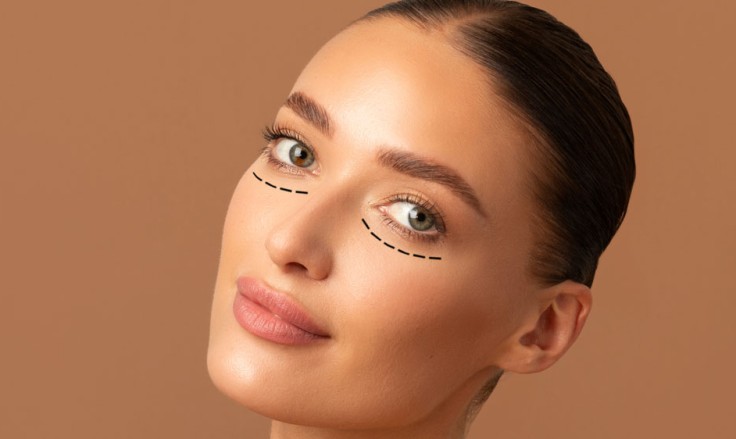
Introduction
Eyelid surgery is widely chosen by people seeking refreshed, more open looking eyes. As awareness grows, many patients begin researching how to qualify for eyelid surgery before arranging a consultation. Changes around the eyes often develop slowly, creating heaviness, puffiness, or a tired appearance that feels difficult to correct with non surgical options. Blepharoplasty can be highly effective, although suitability is carefully assessed. Surgeons evaluate anatomy, health, and personal goals in detail. Understanding how to qualify for eyelid surgery helps patients approach the process with clarity, confidence, and realistic expectations from the outset.
What Eyelid Surgery Is Designed to Treat
Eyelid surgery is designed to address excess skin, fat, and laxity affecting the upper or lower eyelids. Upper eyelid procedures often focus on drooping skin that creates heaviness. Lower eyelid surgery may address under eye bags or loose skin. These concerns may result from ageing, genetics, or lifestyle factors. The aim is to restore a rested appearance rather than dramatically change eye shape. Knowing what the procedure treats is essential when learning how to qualify for eyelid surgery accurately.
Common Reasons Patients Explore Blepharoplasty
Patients pursue eyelid surgery for both aesthetic and functional reasons. Some experience visual obstruction caused by heavy upper eyelids. Others feel under eye bags make them appear constantly fatigued. Makeup application may become challenging due to skin folds. Facial balance can also feel affected. These concerns often lead patients to research how to qualify for eyelid surgery and whether surgery aligns with their needs. Motivation should always be personal and well considered.
Age and Eligibility Considerations
There is no strict age requirement for eyelid surgery. Understanding age related factors supports realistic expectations when considering whether or not you qualify. Most candidates are over thirty, although younger individuals may qualify. Genetic factors can cause early eyelid changes. Surgeons focus on skin quality, muscle tone, and fat distribution rather than age alone. Younger candidates require particularly careful evaluation.
Physical Signs Surgeons Look For
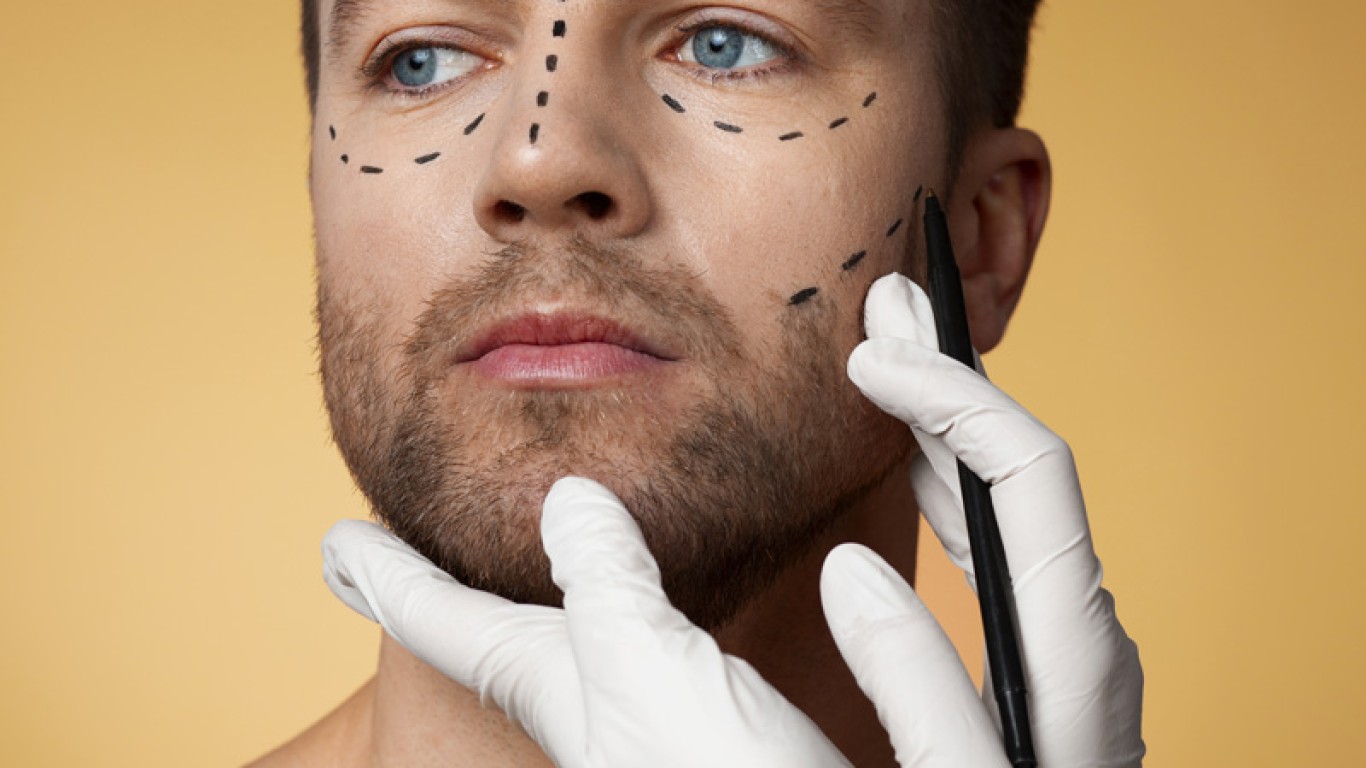
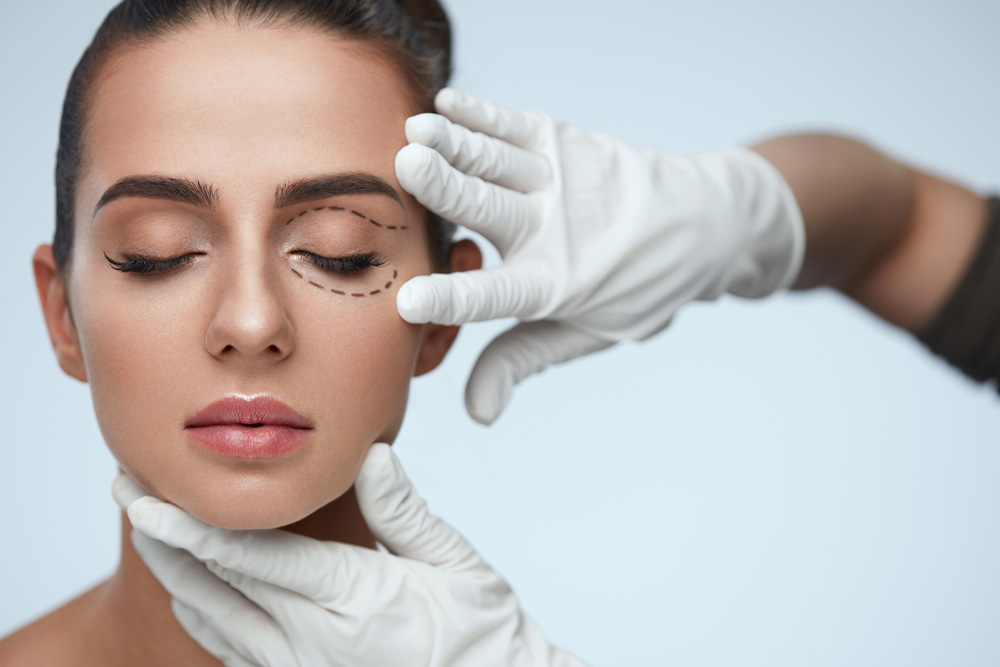
Surgeons assess several physical indicators during consultation. Excess upper eyelid skin resting near the lashes is a common sign. Lower eyelid puffiness or laxity may also indicate suitability. Skin elasticity and eyelid support are examined carefully. Eye symmetry and shape influence planning decisions. These physical findings help determine how to qualify for eyelid surgery safely and effectively.
Skin Quality and Healing Ability
Skin elasticity plays a significant role in outcomes and recovery. Elastic skin adapts more smoothly following tissue adjustment. Reduced elasticity may limit refinement or prolong healing. Surgeons gently assess how the skin responds during examination. Healing ability influences candidacy decisions. Skin quality therefore remains central to understanding how to qualify for eyelid surgery.
Eye Health and Vision Factors
Eye health is an essential consideration before surgery. Surgeons may assess tear production, eyelid closure, and general eye comfort. When drooping eyelids interfere with vision, eligibility may be strengthened. Some patients may require an eye examination before proceeding. Clear eye health supports safe treatment planning. These assessments form part of how to qualify for eyelid surgery responsibly.
General Health Requirements
Overall health plays an important role in surgical suitability. Candidates should be in stable physical condition. Chronic conditions must be well controlled. Smoking status may be discussed due to its impact on healing. Surgeons review medical history carefully. Health evaluation is a key part of qualifying for eyelid surgery.Good general health supports smoother recovery and predictable results.
Lifestyle Factors That Affect Candidacy
Lifestyle habits can influence both eligibility and recovery. Smoking may impair healing and increase downtime. Poor sleep patterns can affect swelling and comfort. High stress levels may influence recovery experience. Surgeons discuss lifestyle openly during consultation. Healthy routines support better outcomes and contribute to how to qualify for eyelid surgery holistically.
Upper Eyelid Surgery Eligibility
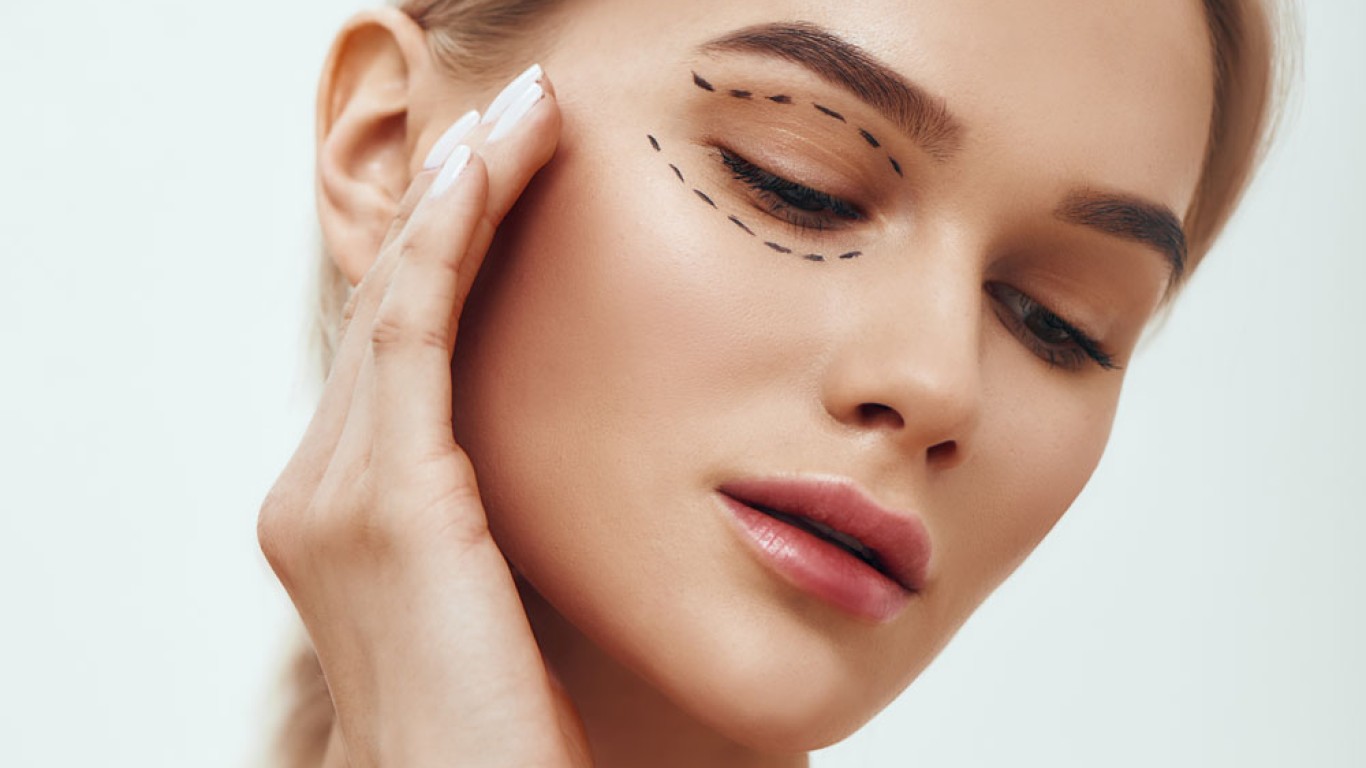
Upper eyelid surgery candidates often experience heaviness or drooping skin. Skin may obscure the natural eyelid crease. Visual field reduction can occur gradually. Makeup applications may become difficult. These factors suggest suitability for upper blepharoplasty. Upper eyelid evaluation forms a major part of determining qualifying for eyelid surgery.
Lower Eyelid Surgery Eligibility
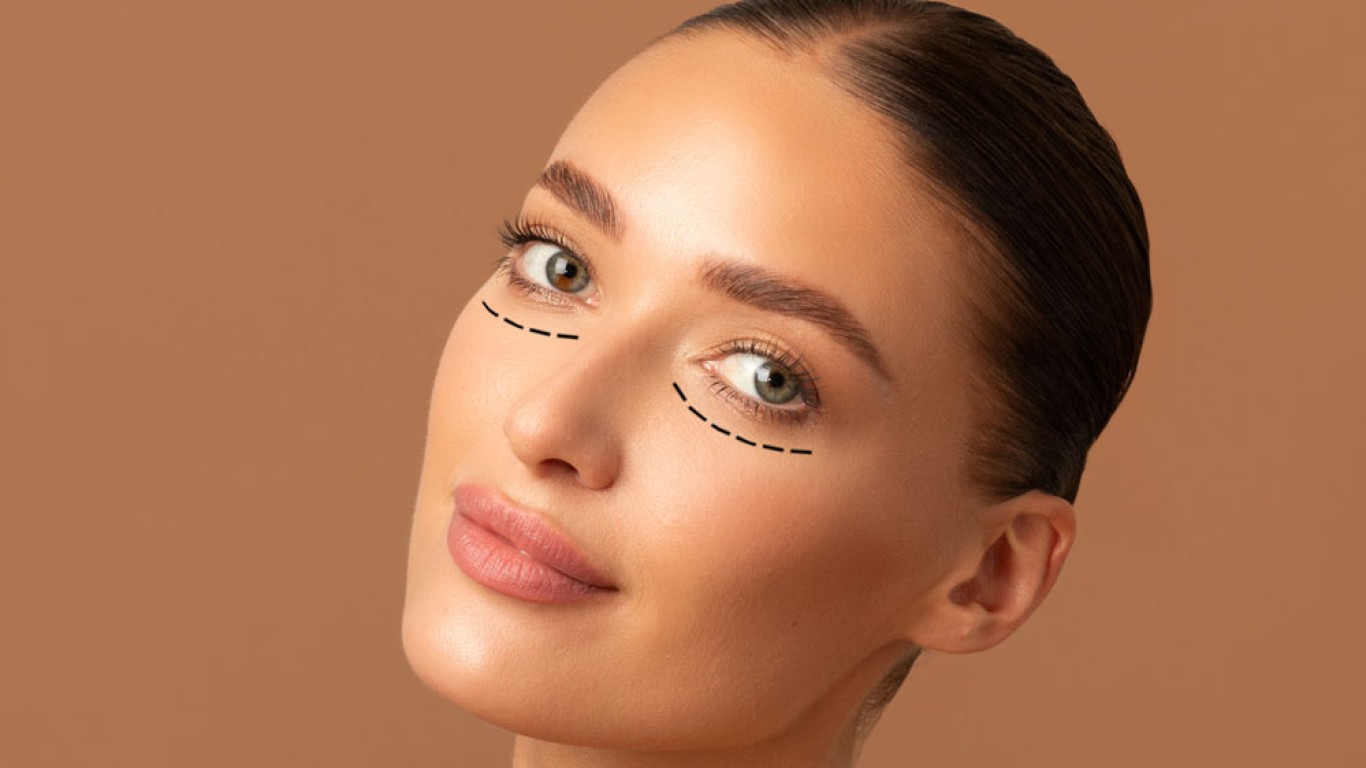
Lower eyelid surgery focuses on puffiness, lax skin, or under eye fullness. Surgeons assess lower eyelid tone carefully. Good support is essential for safe correction. Lower eyelid candidacy differs from upper eyelids. Understanding this distinction helps patients learn how to qualify for eyelid surgery correctly.
Functional Versus Cosmetic Motivation
Some patients seek eyelid surgery for functional improvement, while others pursue cosmetic enhancement. Vision obstruction can justify treatment. Cosmetic concerns are equally valid when expectations are realistic. Surgeons explore motivation carefully during consultation. Clarifying goals supports appropriate planning and clarifies how to qualify for eyelid surgery.
Emotional Readiness and Expectations
Psychological readiness is an important part of candidacy. Patients should understand that eyelid surgery refreshes appearance rather than changing identity. Realistic expectations support satisfaction. Surgeons assess emotional readiness through discussion. Emotional alignment is central to how to qualify for eyelid surgery responsibly.
Previous Facial or Eye Procedures
Previous procedures may influence eligibility. Scar tissue can affect anatomy and healing. Surgeons review surgical history carefully. Prior treatments do not automatically exclude candidacy. Technique adjustments may be required. Medical history assessment forms part of qualifying for eyelid surgery safely.
Medical Conditions Requiring Extra Assessment
Certain conditions require careful evaluation. Thyroid related eye changes may influence suitability. Chronic dry eye symptoms must be assessed. Autoimmune conditions may affect healing. Surgeons may collaborate with other specialists. These considerations influence how to qualify for eyelid surgery safely.
The Consultation Process Explained
Consultation is the most important step in determining eligibility. Surgeons examine eyelid anatomy and discuss concerns in detail. Photographs may be used for planning. Consultation establishes whether criteria for how to qualify for eyelid surgery are met. Treatment options are explained clearly.
Preparing for Your Consultation
Preparation improves consultation quality. Patients should note symptoms and functional concerns. Medical history should be available. Questions about recovery and results are encouraged. Clear communication supports accurate assessment and clarifies how to qualify for eyelid surgery.
Combining Blepharoplasty With Other Procedures
Some candidates combine eyelid surgery with other facial treatments. Brow lifting or skin procedures may enhance results. Combination planning depends on anatomy and goals. Surgeons assess suitability carefully. Combined treatment options can influence how to qualify for eyelid surgery overall.
Recovery Commitment and Expectations
Candidates must understand recovery requirements. Swelling and bruising are temporary. Time away from work may be needed. Following aftercare guidance is essential. Recovery commitment supports success and is part of qualifying for eyelid surgery realistically.
Long Term Results and Maintenance
Eyelid surgery results are long lasting, although ageing continues naturally. Healthy habits support maintained appearance. Understanding longevity helps manage expectations. Long term outlook influences decisions about qualifying for eyelid surgery thoughtfully.
Eyelid Surgery in Turkey
Turkey is a popular destination for eyelid surgery. Clinics offer experienced surgeons and modern facilities. Structured consultation benefits international patients. Comprehensive care pathways enhance the experience. Many patients explore how to qualify for eyelid surgery abroad for these reasons.
Cost Considerations and Overall Value
Cost varies based on procedure scope and complexity. Upper and lower eyelids differ in planning requirements. Surgeon expertise and aftercare influence value. Cost should be considered alongside outcomes. Financial planning supports informed decisions about qualifying for eyelid surgery.
Managing Expectations Before Surgery
Clear expectations are essential before proceeding. Eyelid surgery enhances rather than transforms appearance. Understanding limitations prevents disappointment. Professional guidance supports informed decisions and reinforces qualifying for eyelid surgery responsibly.
The Role of Eyelids in Overall Facial Balance
Another important aspect to consider is how eyelid changes affect overall facial harmony. The eyes play a central role in expression and communication. When the eyelids appear heavy or tired, the entire face may seem less alert. Improving this area can subtly enhance balance across facial features. Surgeons therefore evaluate how eyelid appearance interacts with brows, cheeks, and facial symmetry. Considering the face as a whole helps patients achieve results that feel cohesive, refined, and consistent with their natural appearance over time.
Conclusion
Understanding how to qualify for eyelid surgery involves careful assessment of anatomy, health, and personal goals. Surgeons evaluate skin quality, eye health, and readiness thoroughly. Blepharoplasty can refresh appearance and improve comfort when chosen appropriately. Preparation and realistic expectations support satisfaction. Clear consultation ensures confident decision making.
For more information and to book a consultation visit the ACIBADEM Beauty Center Webpage.
Frequently Asked Questions
Suitability depends on anatomy rather than age.
Yes, when excess skin obstructs sight.
An eye assessment may be recommended.
Most swelling settles within weeks.
A qualified surgeon makes the final decision.