Ataşehir Mah. Feza Sk. No:3 İstanbul / Türkiye
 English

Introduction
Dark circles under the eyes are one of the most common cosmetic concerns. They can make people look tired, older or unwell, even when they feel fine. Many patients search for a way to remove them permanently and avoid repeat treatments. The honest answer is that permanent removal is not always possible for every patient. Results depend on what is causing the darkness in the first place. Some causes respond well to long-lasting treatment, while others need ongoing care. This guide explains the main causes of dark circles and the treatments available for each. It also covers how long results usually last and how to keep them for longer.
What Causes Dark Circles Under Eyes?
Dark circles under eyes rarely have a single cause, even in younger patients. Most people have a combination of factors, which is why one treatment does not suit everyone.
The main causes include the following:
- Extra pigment in the skin, which is common in some families and skin tones
- Thin skin that allows blood vessels to show through
- Hollowing beneath the eye that creates a shadow, often called a tear trough
- Puffiness or fat pads that cast a shadow below them
- Ageing, which reduces collagen and fat in the area
Lifestyle factors can also make dark circles more noticeable. These include poor sleep, dehydration, allergies, rubbing the eyes and sun exposure. Smoking and high alcohol intake can also affect skin quality and make shadows appear deeper over time. In some cases, dark circles may be linked to an underlying health issue. Examples include iron deficiency and thyroid problems. A doctor can arrange simple tests if there is any concern about a medical cause.
Can Dark Circles Under Eyes Be Removed Permanently?
For some patients, treatment can deliver a very long-lasting improvement in appearance. This is most often the case when the cause is structural, such as fat bulging or significant hollowing. Surgery can correct these features with results that may last for many years. For other patients, dark circles under eyes are linked to genetics or pigmentation. In these cases, treatment can reduce darkness but may not remove it completely. Ongoing skincare and sun protection are usually needed to maintain results. The skin also continues to age, so even long-lasting results can change over time. A realistic aim is a clear and lasting improvement rather than a guaranteed permanent cure.
Treatments for Dark Circles Under Eyes Caused by Hollowing
When hollowing is the main cause, dermal fillers are a common non-surgical option. Hyaluronic acid filler is injected carefully into the tear trough area in small amounts. This smooths the shadow between the lower eyelid and the cheek. Results are visible straight away and can last around nine to eighteen months. Some patients find results last longer in this area because there is less movement. Fat transfer is another option for patients with more significant volume loss.
Fat is taken from another part of the body and injected beneath the eye. Some of the transferred fat may be reabsorbed, but the remaining fat can last for many years. The under-eye area is delicate, so treatment should only be carried out by an experienced medical practitioner. Small amounts of filler are usually used, as overfilling can cause puffiness or an unnatural appearance. Some practitioners use a blunt cannula rather than a needle to reduce the risk of bruising.

Treatments for Dark Circles Under Eyes Caused by Pigmentation
Pigmented dark circles usually look brown and may run in families. They are more common in people with medium and darker skin tones. Several treatments can help to lighten this type of darkness:
- Topical creams containing ingredients such as vitamin C, retinoids or azelaic acid
- Gentle chemical peels designed for the delicate under-eye area
- Laser treatments that target excess pigment in the skin
- Daily broad-spectrum sun protection to prevent further darkening
Treatments for Thin Skin and Visible Blood Vessels
When the skin is thin, blood vessels beneath it can create a blue or purple tone. This type of darkness is often more visible in people with fair or thin skin. Treatments that build collagen may help to thicken the skin over time. Options include certain lasers, microneedling, radiofrequency and platelet-rich plasma, known as PRP. A course of treatments is usually needed, with gradual improvement over several months. In some cases, filler can also help by adding a layer between the skin and the vessels. However, filler that sits too close to the surface can create a bluish tint. This is another reason why careful, experienced technique is so important.
Lower Eyelid Surgery for Long-Lasting Results
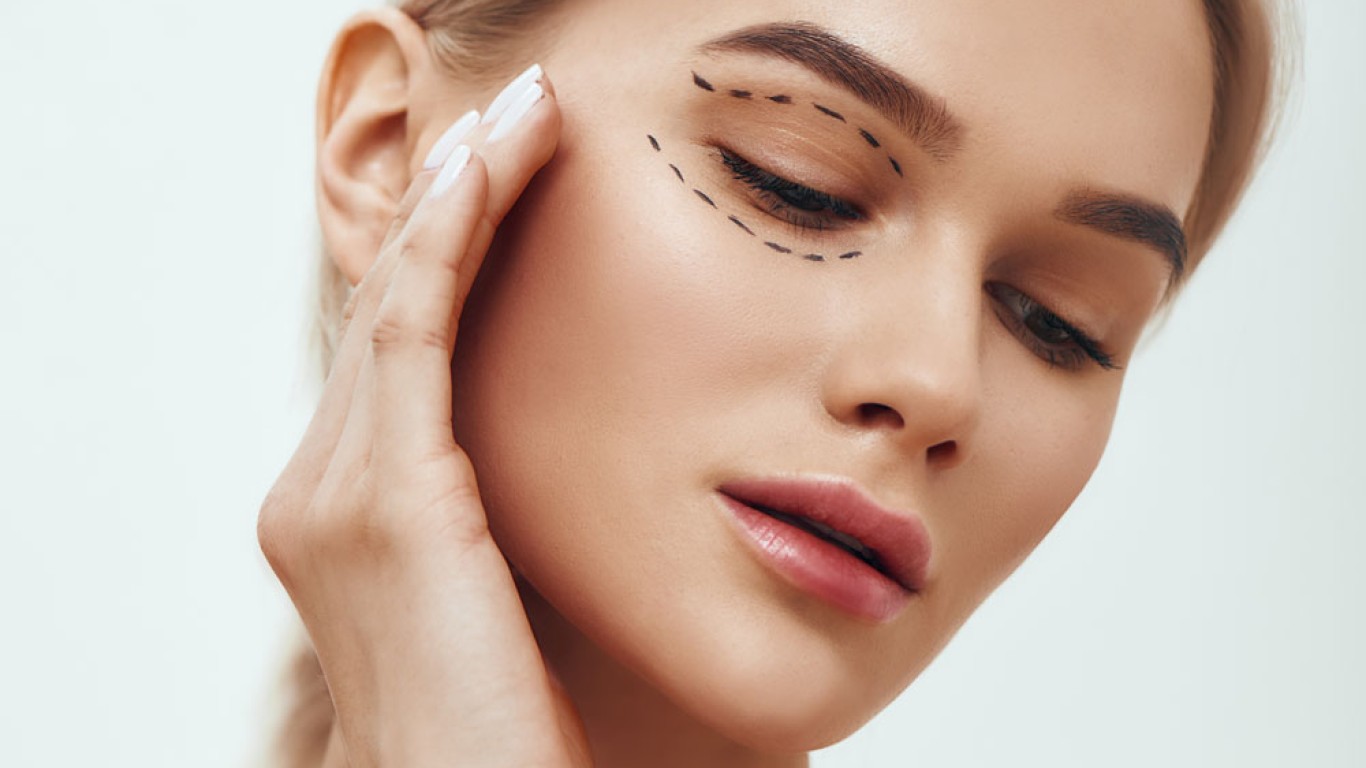
Lower eyelid surgery, known as lower blepharoplasty, is the longest-lasting option for some patients. It is usually recommended when bulging fat pads or loose skin cause shadows. During surgery, fat can be removed or repositioned to smooth the area. In some techniques, the fat is moved into the hollow beneath it. This can reduce both puffiness and hollowing at the same time in one procedure. Results from lower eyelid surgery are often long lasting. However, the face continues to age naturally after surgery. Recovery usually involves bruising and swelling for around one to two weeks. The procedure is usually performed under local anaesthetic with sedation or under general anaesthetic. Incisions are often placed inside the lower eyelid or just below the lash line. This keeps any scars well hidden. A surgeon will explain which technique suits your anatomy during the consultation.
Comparing Treatments for Dark Circles Under Eyes
The table below compares common treatments for dark circles under eyes. Durations are typical ranges and can vary considerably between individual patients.
| Treatment | Best For | Typical Sessions | How Long Results Last |
| Tear trough filler | Hollowing and shadows | 1, with possible top-up | Around 9 to 18 months |
| Fat transfer | Significant volume loss | Usually 1 | Many years for retained fat |
| Lower blepharoplasty | Fat bulging or loose skin | 1 | Often many years |
| Laser or peels | Pigmentation | Several sessions | Varies, maintenance often needed |
| Topical skincare | Mild pigmentation and thin skin | Daily use | While use continues |
Many patients benefit from combining treatments, especially when there is more than one cause.
Conclusion
Dark circles under eyes have several possible causes, and the best treatment depends on which one applies. Surgery and fat transfer can offer very long-lasting results for structural causes. Pigmentation and thin skin usually improve with ongoing treatment rather than a single permanent fix. A specialist assessment is the best way to understand what is causing your dark circles.
Explore dark circles under eyes at ACIBADEM Beauty Center to learn more about the options available.
Frequently Asked Questions
Dark circles caused by tiredness or allergies may improve with lifestyle changes. Circles caused by genetics, pigmentation or hollowing usually do not go away alone. These causes often need targeted medical or aesthetic treatment to improve.
Tear trough fillers are generally safe when performed by an experienced medical practitioner. Possible side effects include bruising, swelling and small lumps beneath the skin. Rare but serious complications can occur, so careful technique is essential.
Eye creams can help to lighten mild pigmentation and improve skin quality. However, they cannot correct hollowing or fat bulging, and results depend on long-term use.
Most patients have bruising and swelling for around one to two weeks. Many patients return to their everyday activities within this time. Final results usually become clear over several months as healing continues.
Lower eyelid surgery and fat transfer usually offer the longest-lasting results. However, they are only suitable when structural features are causing the darkness. The face will still continue to age naturally over the following years.