Ataşehir Mah. Feza Sk. No:3 İstanbul / Türkiye
 French
  English
  German
  Spanish
Introduction
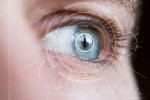
Hooded eyes are a common facial feature where excess skin on the upper eyelid folds over the crease. This creates a heavier appearance around the eyes and can make the eyelids look smaller. For some individuals, hooded eyes are a natural feature present from a young age. For others, they develop gradually as skin elasticity decreases with ageing. Upper eyelid surgery is one of the most effective treatments for correcting hooded eyes and restoring a more open eye contour. The procedure removes excess skin and sometimes repositions tissue to create a smoother eyelid surface. Understanding how the treatment works helps patients set realistic expectations.
What Causes Hooded Eyes?
Hooded eyes can develop for several reasons. Genetics play a significant role in determining eyelid shape and structure. Some individuals are born with naturally fuller upper eyelids that create a hooded appearance from an early age. Ageing is another common cause. As collagen levels decline over time, the skin loses elasticity and begins to droop. Gravity also contributes to gradual tissue descent across the upper face. Hooded eyes may become more pronounced following weight fluctuation or hormonal changes as well. In some cases, the excess skin can become heavy enough to affect peripheral vision. Understanding the cause helps specialists recommend the most appropriate treatment approach.
How Upper Eyelid Surgery Corrects Hooded Eyes
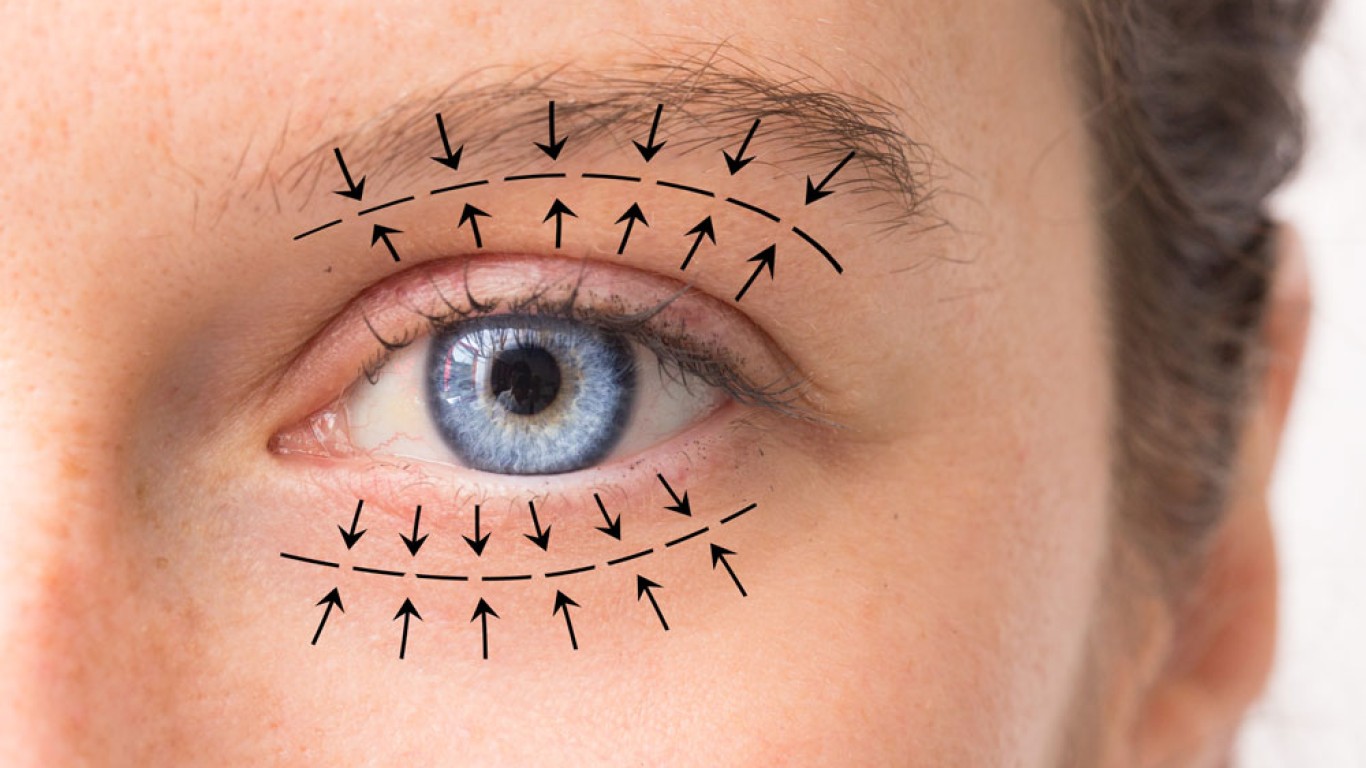
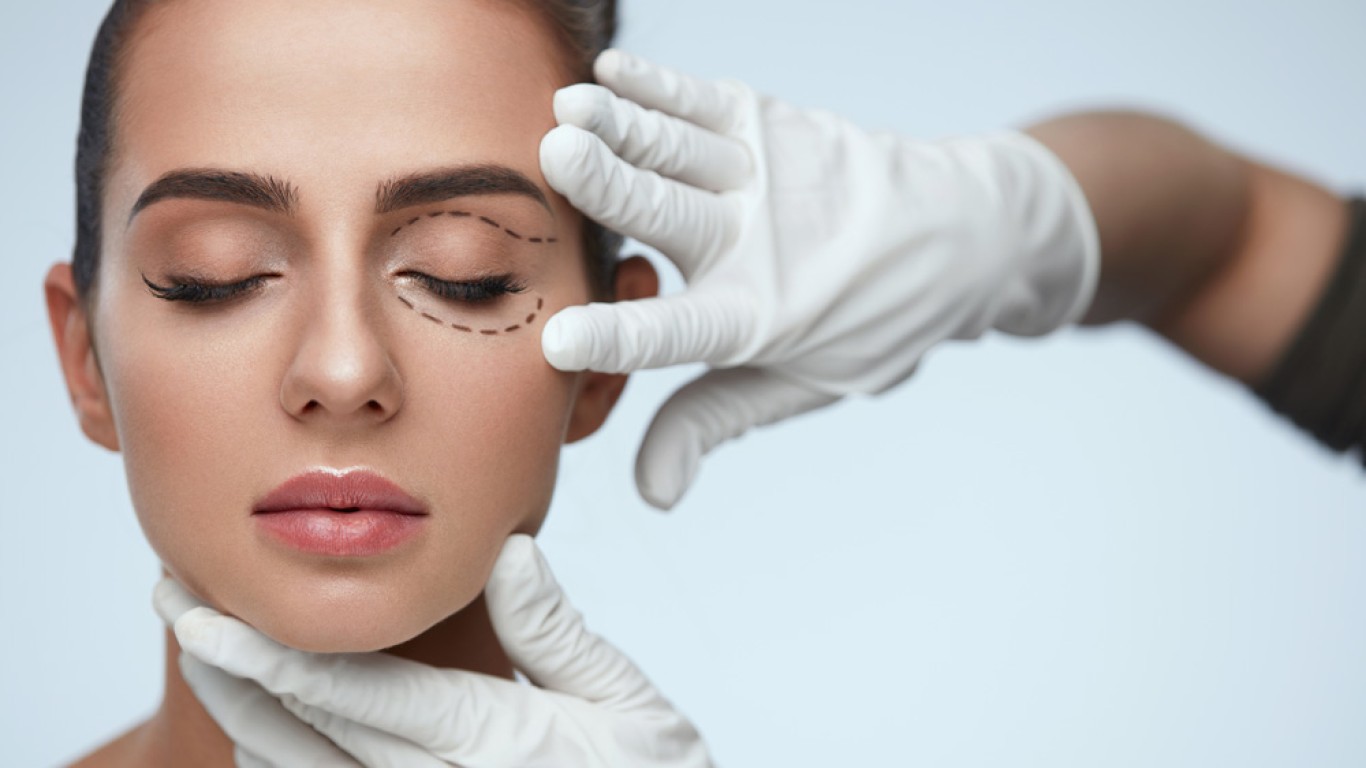
Upper eyelid surgery, also known as upper blepharoplasty, removes excess skin from the upper eyelid to correct hooded eyes. During the procedure, the surgeon creates an incision along the natural eyelid crease. Excess skin and sometimes a small amount of fat or muscle tissue are removed. The remaining skin is repositioned to create a smoother and more defined eyelid contour. The incision is closed with fine sutures that typically heal within the eyelid crease. This placement helps minimise visible scarring after recovery. The procedure creates a more open eye shape that appears refreshed and youthful.
Who Is a Good Candidate for Hooded Eyes Surgery?
Ideal candidates have excess skin on the upper eyelids that creates a hooded appearance. Hooded eyes may affect one or both eyelids depending on individual anatomy. Candidates should be in good general health. Non-smokers tend to experience better healing outcomes. Realistic expectations contribute to higher satisfaction after surgery. Some patients seek treatment primarily for cosmetic improvement. Others pursue surgery because hooded eyes interfere with their field of vision. A thorough consultation evaluates eyelid structure, skin quality and the degree of hooding present. This assessment helps determine whether surgery will achieve the desired improvement.
The Consultation Process
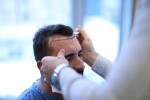
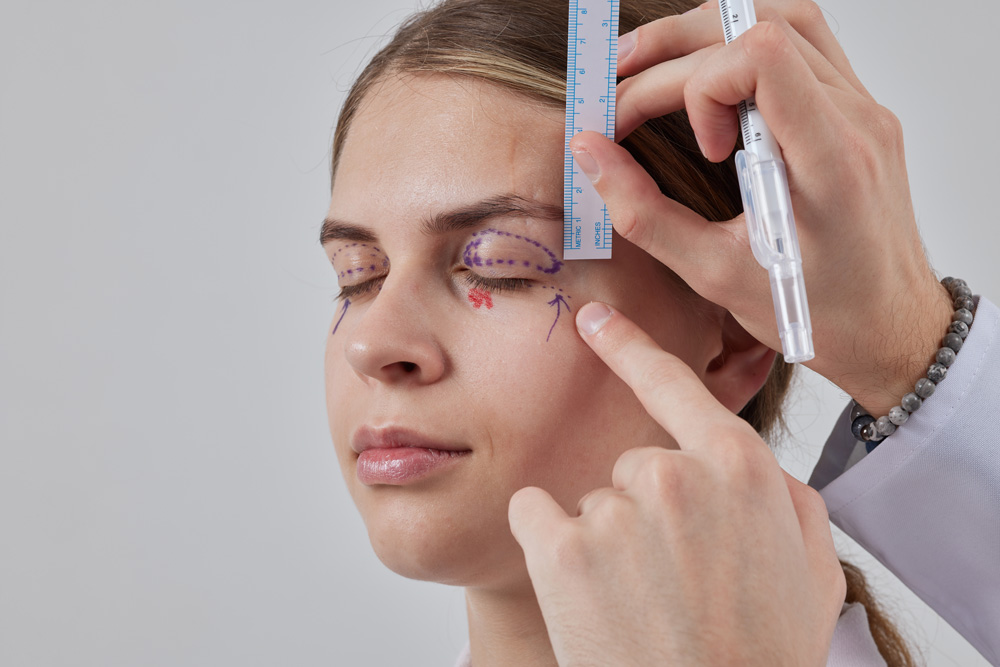
A detailed consultation is an essential first step before upper eyelid surgery. Specialists examine the eyelid anatomy and assess how much excess skin is present. The degree of hooding is evaluated from both front and side views. Photographs may be taken for treatment planning purposes.The surgeon discusses expected outcomes, incision placement and recovery timeline. Patients with hooded eyes that affect vision may require a visual field test to document functional impairment. The consultation ensures patients receive personalised guidance based on their specific anatomy. Open communication during this stage supports informed and confident decision-making.
What to Expect During Surgery
Upper eyelid surgery is typically performed as a day procedure. It can be carried out under local anaesthesia with sedation or general anaesthesia. The procedure usually takes between forty-five minutes and ninety minutes depending on complexity. Hooded eyes are corrected by removing precise amounts of excess tissue from each eyelid. The surgeon ensures symmetry between both sides during the procedure. Fine sutures close the incision within the natural eyelid crease. Most patients return home the same day. The procedure is considered one of the most straightforward facial aesthetic surgeries available.
Recovery After Surgery
Recovery from upper eyelid surgery is generally straightforward. Mild swelling and bruising around the eyes are common during the first week. Cold compresses and head elevation help manage these effects. Sutures are typically removed within five to seven days. Most patients feel comfortable returning to daily activities within one to two weeks. The correction produces visible improvement even during the early recovery stage. Final results become clearer as swelling fully resolves over the following weeks. Following aftercare instructions carefully supports smooth healing and optimal eyelid contour.
Scarring After Upper Eyelid Surgery
Scarring from upper eyelid surgery is typically minimal. The incision is placed within the natural crease of the eyelid. This positioning allows the scar to blend discreetly once healing is complete. During the first few months, the scar may appear pink or slightly raised. Over time, it fades to a fine, pale line that is difficult to detect. Silicone-based scar products can support smoother healing if recommended. Sun protection helps prevent discoloration of the healing scar. Most patients find that scarring becomes virtually invisible within twelve months.
Functional Benefits of Surgery
For some patients, hooded eyes create more than a cosmetic concern. Significant skin excess on the upper eyelid can droop low enough to obstruct peripheral vision. This can affect daily activities such as reading and driving. Upper eyelid surgery removes this obstructive tissue and restores a clearer visual field. The functional improvement can be significant for patients with severe hooding. Correcting the excess skin for functional reasons may also improve comfort by reducing heaviness. Both cosmetic and functional benefits contribute to higher patient satisfaction.
How Hooded Eyes Results Develop Over Time
Improvement is visible almost immediately after surgery as the excess skin is removed. However, the full result develops gradually as swelling subsides over several weeks. The procedure creates a more defined crease and a wider visible eyelid surface. The eyes appear more open and alert as healing progresses. Natural ageing will continue over time but at a slower visible rate. Many patients enjoy their refreshed appearance for a decade or longer.
Combining Surgery with Other Procedures
Some patients choose to combine upper eyelid surgery with other facial treatments. Brow lift surgery may be recommended if brow descent contributes to the hooded appearance. Lower eyelid surgery can address under-eye bags simultaneously. Combining procedures reduces overall recovery periods compared with separate operations. Upper eyelid surgery works well alongside other facial rejuvenation treatments when planned carefully. Surgeons assess whether combination surgery is appropriate during consultation. The treatment plan always prioritises safety and balanced aesthetic results.
Long-Term Care After Surgery
Maintaining results involves consistent skincare and sun protection habits over the long term. Using sunscreen around the eye area helps prevent premature ageing and protects the delicate eyelid skin from ultraviolet damage. Moisturising supports skin elasticity and hydration. Avoiding excessive rubbing of the eyelids protects the delicate tissue during and after the healing process. Mild recurrence may develop very gradually over many years as natural ageing continues. However, the improvement from surgery typically lasts a decade or longer. Many patients find that a healthy skincare routine helps preserve their refreshed appearance.
Hooded Eyes and Facial Harmony
The eyes play a central role in overall facial expression and balance. When excess skin obscures the eyelid crease, the face can appear heavier or more fatigued. Correcting this feature restores a more open and alert expression that enhances facial harmony and balance. The improvement often complements other facial features by drawing attention to the eyes themselves rather than the excess skin above them.
Why Patients Choose Treatment for Hooded Eyes
Patients pursue upper eyelid surgery for a variety of personal reasons. Some feel self-conscious about the heaviness of their upper eyelids and want a more refreshed appearance. Others experience functional difficulties such as restricted peripheral vision that affects daily activities. Many patients have tried non-surgical approaches without achieving satisfactory long-term improvement. Surgery offers a permanent solution that addresses the root cause rather than temporarily concealing it. The decision to undergo treatment is deeply personal and benefits from thorough consultation and realistic goal setting with an experienced specialist.
Conclusion
Upper eyelid surgery is an effective treatment for correcting this concern and restoring a more open and refreshed eye appearance. The procedure removes excess skin from the upper eyelid with minimal visible scarring. Recovery is generally straightforward with most patients returning to daily activities within two weeks. Results develop gradually and typically last many years. Both cosmetic and functional improvements contribute to high patient satisfaction. Professional consultation ensures personalised treatment planning for the best possible outcome.
For more information and to book a consultation visit the ACIBADEM Beauty Center Blepharoplasty page.
Frequently Asked Questions
They occur when excess skin on the upper eyelid folds over the crease.
Scars are placed within the eyelid crease and become virtually invisible.
Most patients return to normal activities within one to two weeks.
Yes, significant hooding can obstruct peripheral vision.
Results typically last a decade or longer.