Ataşehir Mah. Feza Sk. No:3 İstanbul / Türkiye
 English
Introduction
Acne scars can remain long after breakouts have cleared, and they are often difficult to treat. Platelet-rich plasma, known as PRP, has become a popular option for improving their appearance. It uses growth factors from your own blood to support the skin's natural repair process. PRP is not a quick fix, and it rarely works as a standalone treatment for scarring. However, research suggests it can improve results when combined with other proven treatments. This guide explains how PRP works for acne scars and which scars tend to respond. It also covers session numbers, recovery, side effects and suitability.
What Causes Acne Scars?
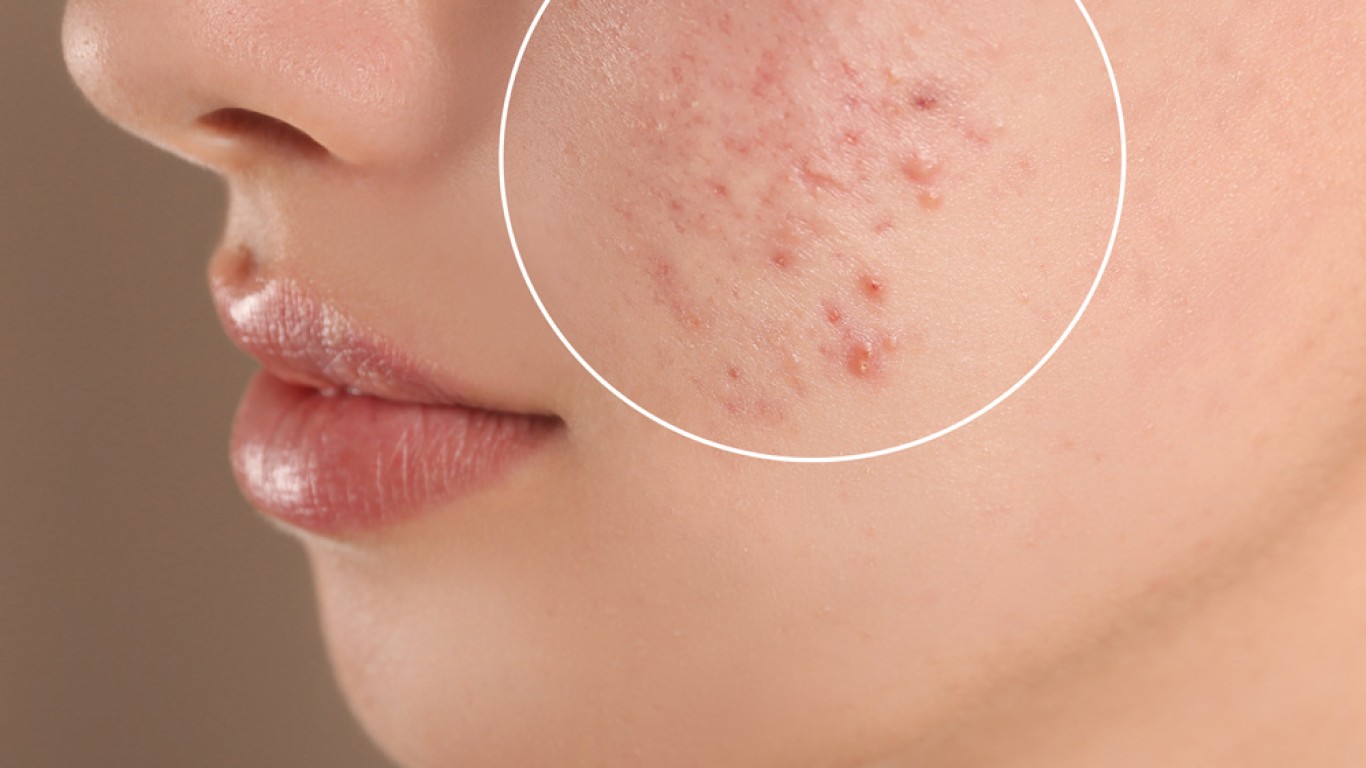
Acne scars form when inflamed breakouts damage the deeper layers of the skin. As the skin heals, it may produce too little or too much collagen. When too little collagen forms, the result is an atrophic scar that sits below the surface. These are the most common type of acne scar on the face. When too much collagen forms, raised scars can develop instead. These are more common on the chest, back and jawline. Not all marks left by acne are true scars. Flat brown or red marks are often post-inflammatory pigmentation, which usually fades over time. These marks are treated differently from scars, so an accurate assessment is an important first step.
How Does PRP for Acne Scars Work?
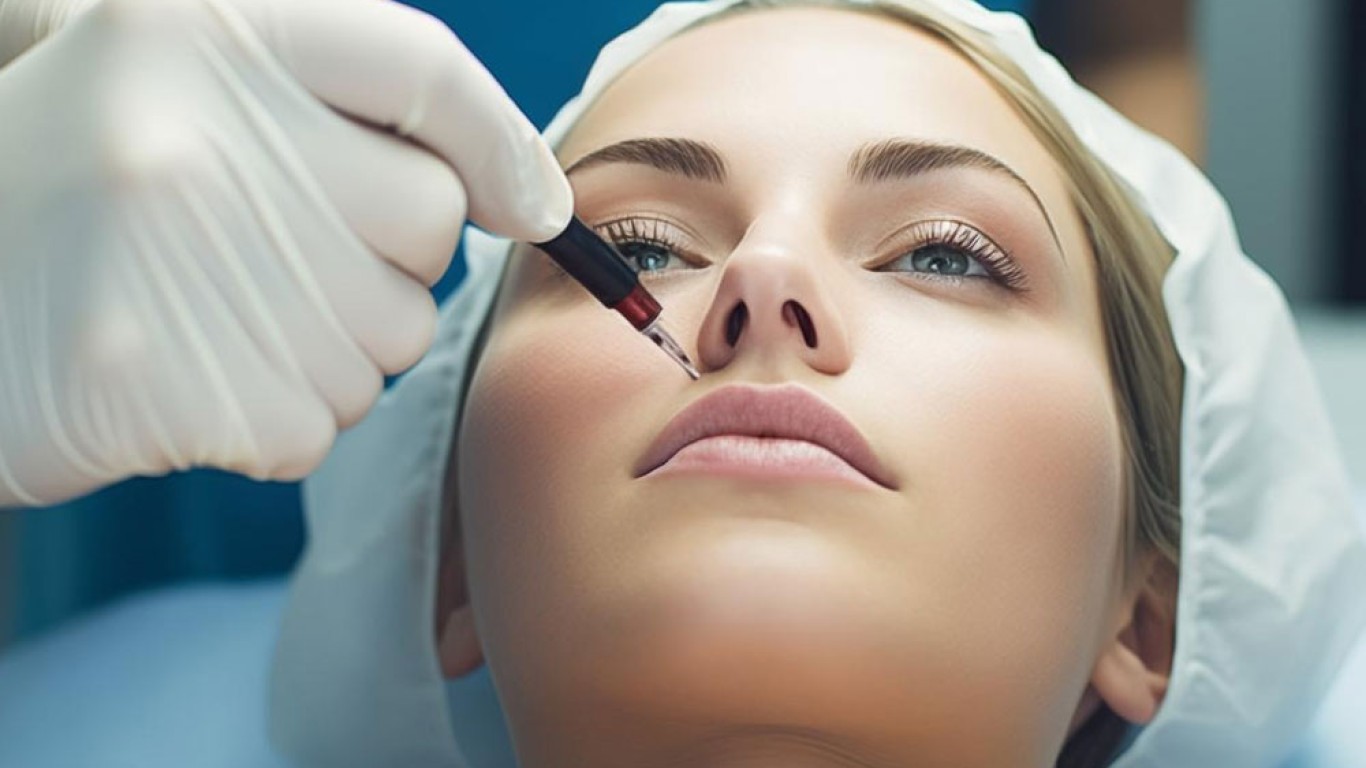
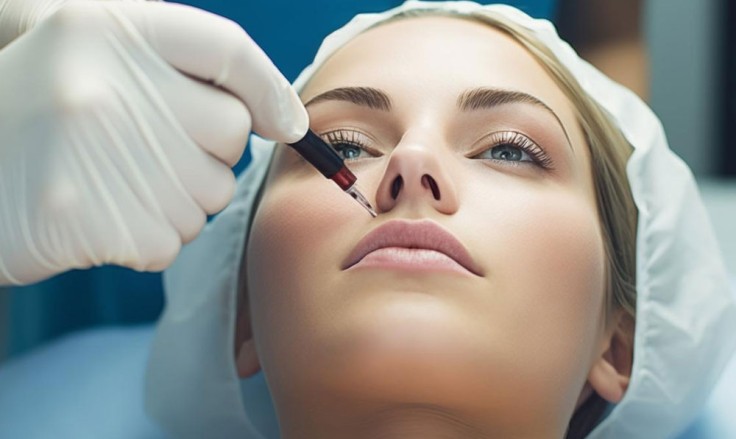
PRP treatment starts with a small blood sample, usually taken from the arm. The sample is spun in a centrifuge to separate the platelet-rich plasma. Platelets contain growth factors that help to signal tissue repair and new collagen production. When applied to scarred skin, these growth factors may encourage the skin to rebuild its structure. Over time, this can help to raise depressed scars and smooth the overall texture. PRP for acne scars is usually applied in one of two ways. It may be injected directly beneath individual scars. More commonly, it is applied to the skin during microneedling or straight after laser treatment. The whole appointment usually takes around one hour, including the blood draw and preparation. Most patients can return to everyday activities on the same day, depending on the combined treatment. Make-up is usually avoided for at least twenty-four hours to reduce the risk of irritation.
Which Scars Respond Best to PRP for Acne Scars?
PRP for acne scars tends to work best on atrophic scars, which sit below the skin's surface. Response varies according to the type and depth of each scar.
| Scar Type | Description | Likely Response to PRP Combinations |
| Rolling scars | Wide, shallow depressions with soft edges | Often good |
| Boxcar scars | Broad depressions with sharp, defined edges | Moderate to good |
| Icepick scars | Narrow, deep scars that resemble small punctures | Limited without targeted treatment |
| Raised scars | Thickened scars above the skin's surface | Not usually treated with PRP |
Deep icepick scars often need targeted procedures before resurfacing treatments can help. These may include punch techniques or focused chemical treatments applied directly to each scar.
PRP for Acne Scars With Microneedling
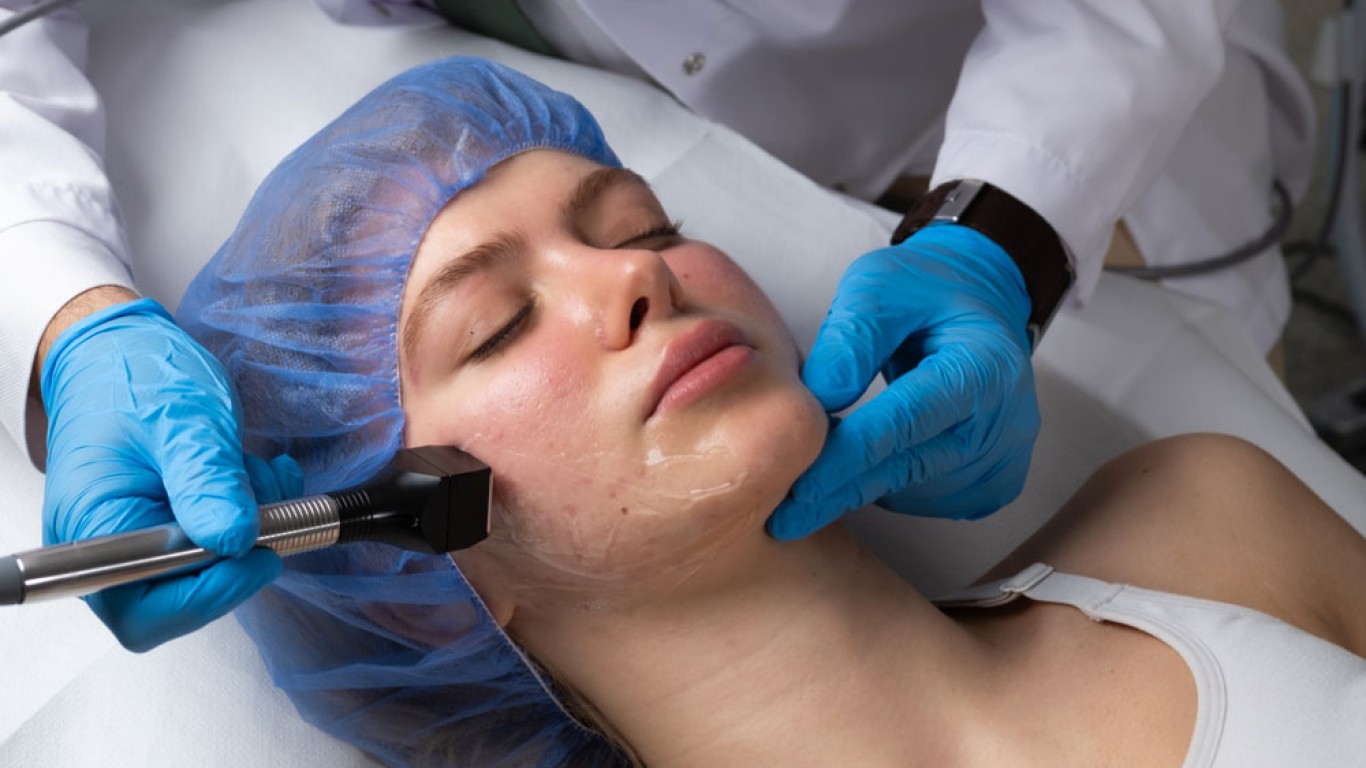
Microneedling is the treatment most often paired with PRP for acne scars. The fine needles create tiny channels in the skin, which trigger natural repair and collagen production. When PRP is applied during the session, these channels may help it reach deeper layers. Several studies suggest the combination gives better results than microneedling with saline or water alone. This approach suits many skin types, including darker skin tones, as it does not rely on heat. Downtime is usually short, with redness settling within one to three days.
PRP for Acne Scars With Laser Resurfacing
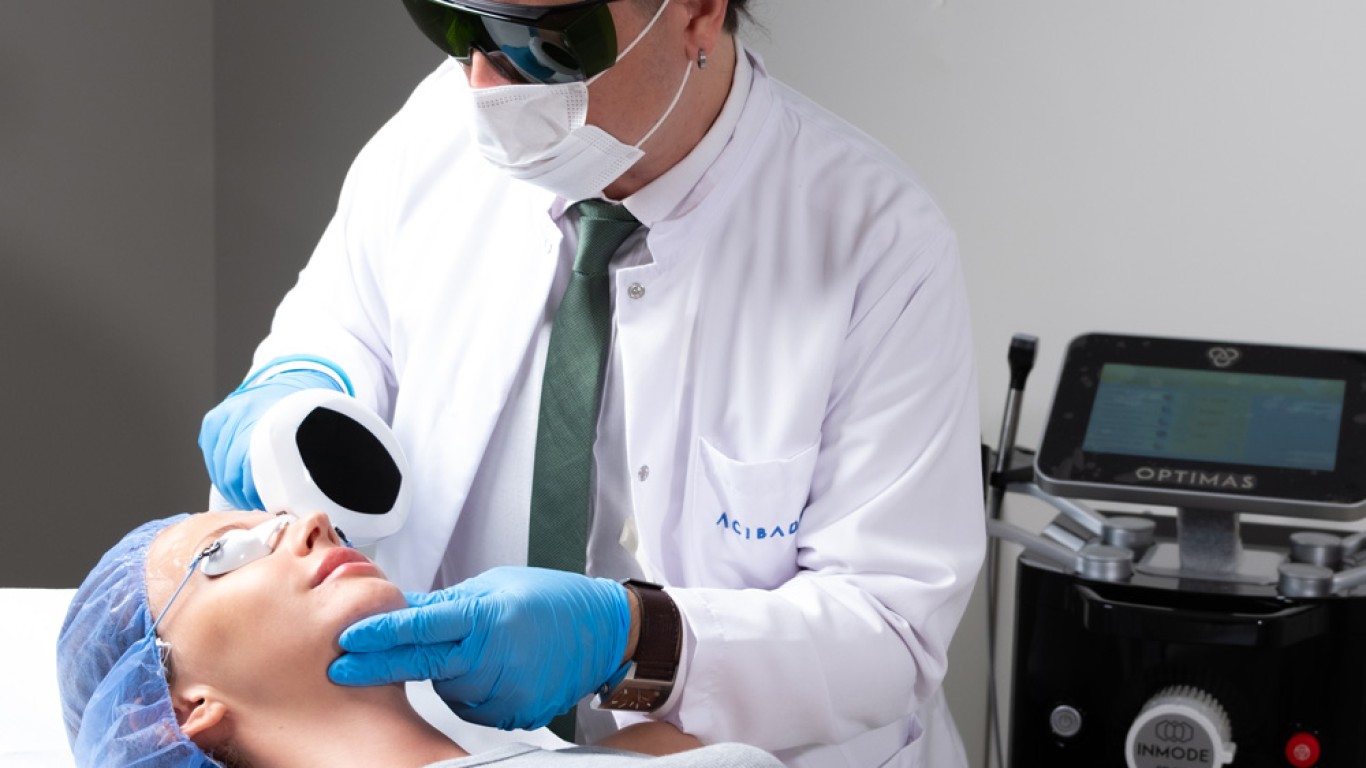
PRP is also commonly combined with fractional laser resurfacing for moderate to severe scarring. The laser creates controlled micro-injuries, and PRP is then applied to the treated skin. Some research suggests that adding PRP may help the skin recover more quickly after laser treatment. It may also reduce redness and swelling in the days that follow. Laser treatments usually involve more downtime than microneedling, often around five to ten days. They may also carry a higher risk of pigment changes for some darker skin types. A practitioner will assess your skin before recommending this option. In some plans, laser and microneedling sessions are alternated to balance results with downtime.
How Many Sessions of PRP for Acne Scars Are Needed?
Most treatment plans for PRP for acne scars involve three to six sessions in total. These are usually spaced four to six weeks apart to allow collagen to develop. Shallow rolling scars may improve with fewer sessions than deeper or more widespread scarring. Patients with long-standing scars may need a longer course to see a meaningful change. Results build gradually as collagen continues to form beneath the skin. Many patients notice the clearest improvement around three to six months after their course begins. Maintenance sessions are not always needed for scarring, but some patients choose occasional top-up treatments. Your practitioner will review progress after each session and adjust the plan where needed.
What Results Can You Realistically Expect?
PRP combination treatments can soften the depth and visibility of many atrophic acne scars. Skin texture, tone and overall smoothness often improve as well. However, it is important to have realistic expectations about what treatment can achieve. Most patients see partial improvement rather than complete removal of their scars. The degree of change varies widely between individuals and between scar types. Research into PRP is still developing, and treatment protocols differ between clinics. Taking photographs before and during treatment can help you track progress more objectively. Consistent lighting in each photograph makes changes in scar depth easier to compare.
Conclusion
PRP can help to improve acne scars, particularly when combined with microneedling or laser resurfacing. It works best on atrophic scars, such as rolling and boxcar scars, and results build gradually. Most patients need three to six sessions and should expect improvement rather than complete removal. A specialist assessment is the best way to find the right plan for your scars.
Explore skin treatments at ACIBADEM Beauty Center to learn more about acne scar treatment options.
Frequently Asked Questions
PRP is unlikely to remove acne scars completely, especially deep or long-standing scars. It can, however, soften their appearance and improve skin texture. Most patients see partial but noticeable improvement over a course of treatment.
PRP is rarely used alone for acne scarring, as evidence for this approach is limited. It is usually combined with microneedling or fractional laser resurfacing. Combination treatments tend to give more consistent results.
Results build gradually as new collagen forms beneath the skin. Some patients notice smoother skin within a few weeks of starting treatment. The clearest improvement usually appears between three and six months.
A numbing cream is usually applied before treatment to keep the procedure comfortable. Most patients describe mild discomfort or pressure rather than pain. The skin may feel warm and tender for a day or two afterwards.
PRP treatments for scarring are usually delayed until active acne is under control. Treating inflamed skin can increase the risk of infection and irritation. Your practitioner will advise on the right time to begin treatment.