Ataşehir Mah. Feza Sk. No:3 İstanbul / Türkiye
 English

Introduction
Mommy makeover safety is a key concern for anyone considering this combined procedure. A mommy makeover addresses body changes after pregnancy and breastfeeding. It usually combines several operations in one surgical session. Combining procedures offers convenience and a single recovery period. However, it also means a longer operation and more treated areas. For healthy, well-prepared patients, the procedure is generally considered safe. Safety depends on careful patient selection, surgical planning and aftercare. This article explains the main risks and how they are reduced. It also covers candidacy, hospital standards and safe recovery.
What Is a Mommy Makeover?
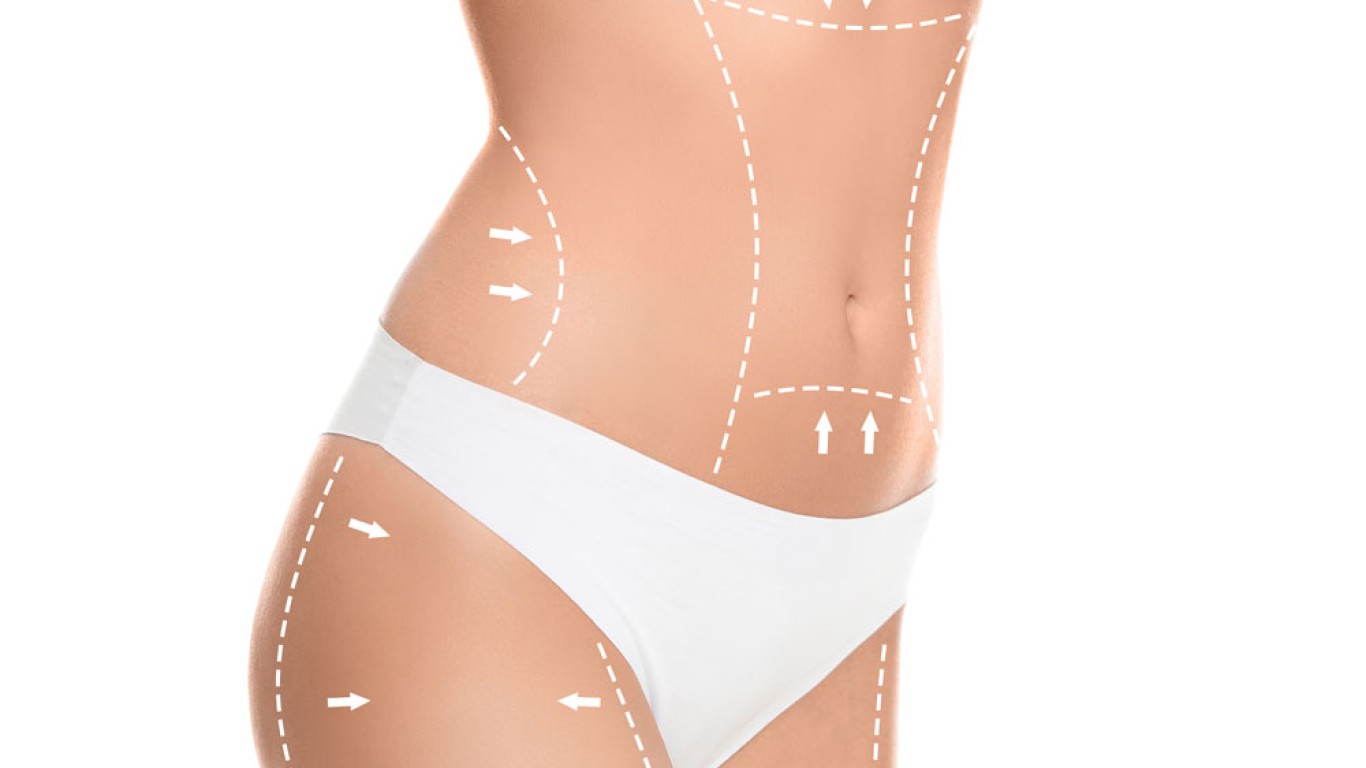
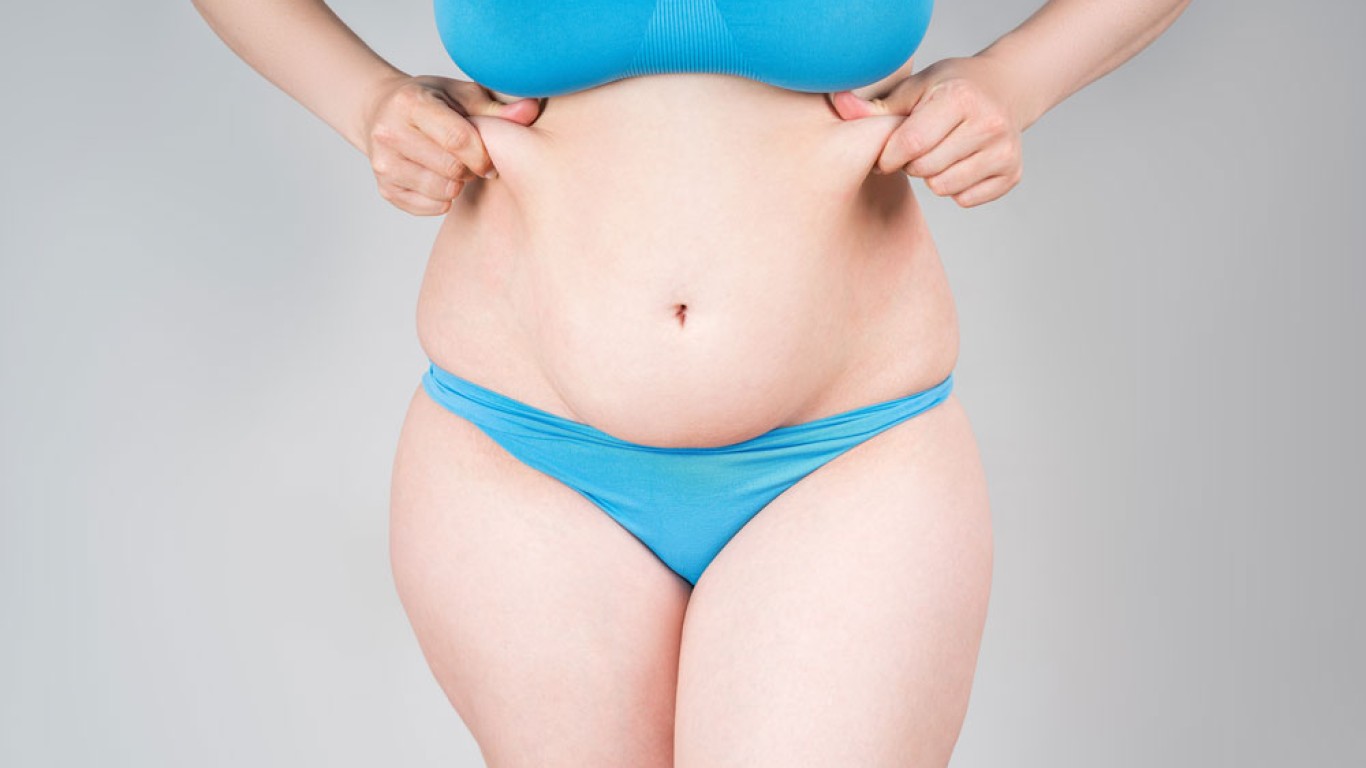
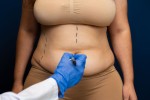
A mommy makeover is a personalised combination of body contouring procedures. Most plans include a tummy tuck to remove loose skin and repair separated muscles. A breast lift, with or without implants, restores breast shape and position. Liposuction is often added to refine the waist, flanks or thighs. The exact combination depends on each patient's goals and anatomy. Surgery is performed under general anaesthesia. It typically takes four to six hours. Most patients stay in hospital for around two nights.
Mommy Makeover Safety: The Importance of Personalised Surgical Planning
Personalised surgical planning plays an essential role in achieving successful mommy makeover results. Every patient has different body proportions, treatment goals and medical requirements. Therefore, surgeons carefully assess these factors before recommending a suitable combination of procedures. This individual approach helps prioritise mommy makeover safety while addressing specific aesthetic concerns. Furthermore, detailed consultations allow patients to understand their treatment options and expected outcomes. Surgeons can explain incision placement, body contouring techniques and anticipated recovery milestones. Regular communication also helps patients prepare for each stage of their surgical journey. Ultimately, prioritising mommy makeover safety supports informed decisions and a carefully managed treatment experience.
Mommy Makeover Safety and Operating Time
Operating time is closely linked to surgical risk. Longer operations can increase the risk of blood clots and anaesthetic complications. Body temperature can also drop during lengthy procedures. Surgeons therefore plan combined procedures carefully to keep operating time reasonable. Experienced surgical teams often work together efficiently. Some surgeons operate in pairs to shorten overall operating time. For complex cases, procedures may be split into two separate operations. This staged approach can be safer for some patients.

Common Risks and How They Are Reduced
The following table summarises the main risks and common prevention strategies.
| Risk | Why It Occurs | How It Is Reduced |
| Blood clots | Reduced movement during and after surgery | Leg compression devices, early walking, medication when appropriate |
| Seroma | Fluid collects beneath the skin | Drains, compression garments and careful technique |
| Infection | Bacteria entering incisions | Sterile technique, antibiotics and wound care |
| Wound healing problems | Tension and reduced blood supply | Non-smoking, careful planning and avoiding excess tension |
| Anaesthetic complications | Effects of long anaesthesia | Pre-operative assessment and full monitoring |
Mommy Makeover Safety: Choosing the Right Candidate
Careful patient selection is one of the most important safety measures. Good candidates are in good general health. They should be at or near a stable, healthy weight. A high body mass index can increase the risk of complications. Non-smokers heal far better and face fewer wound problems. Most surgeons recommend waiting at least six months after breastfeeding ends. Patients should have finished having children before surgery. Conditions such as diabetes or high blood pressure should be well controlled. A full medical assessment helps confirm suitability.
Pre-Operative Assessment
A thorough assessment helps identify any hidden risks before surgery. The surgeon reviews medical history, medications and previous operations. Blood tests check for anaemia and other health concerns. Some patients need heart or lung tests, depending on age and health. A breast scan may be recommended before breast surgery. The surgeon also assesses the risk of blood clots. Patients with a higher risk may receive additional preventive treatment. This careful preparation helps the surgical team plan safely.
Mommy Makeover Safety Measures in the Hospital
The hospital setting plays an important role in safety. Surgery should take place in a fully licensed and accredited hospital. Joint Commission International accreditation shows a hospital meets global standards. An experienced anaesthetist monitors the patient throughout surgery. Leg compression devices help maintain circulation during the operation. Warming systems keep body temperature stable. Intensive care support should be available if needed. Nurses monitor patients closely during the hospital stay.
Mommy Makeover Safety During Recovery
Safe recovery is just as important as safe surgery. Patients should start walking gently within hours of the operation. Early walking helps prevent blood clots. Compression garments reduce swelling and support healing tissues. Drains, if used, are usually removed within a few days. Heavy lifting, including lifting children, should be avoided for around six weeks. Patients need help at home for the first two weeks. Following wound care instructions reduces the risk of infection.
Mommy Makeover Safety: Warning Signs After Surgery
Patients should know which symptoms need urgent attention. Calf pain, swelling or redness may indicate a blood clot. Sudden breathlessness or chest pain requires emergency care. Fever, spreading redness or discharge may suggest infection. Increasing swelling on one side may indicate bleeding or fluid build-up. Wounds that open or bleed should be reported straight away. Early action helps prevent minor problems becoming serious.
Travelling for a Mommy Makeover
Patients travelling abroad need additional safety planning. Most patients stay ten to fourteen nights near the hospital. This allows time for drain removal and follow-up checks. Long flights increase the risk of blood clots after surgery. Surgeons usually provide fit-to-fly clearance before patients travel home. Compression stockings, hydration and regular walking help during the flight. Patients should arrange local follow-up after returning home.
Mommy Makeover Safety: Choosing a Surgeon and Hospital
The choice of surgeon has a major influence on safety. Patients should choose a qualified plastic surgeon experienced in combined body procedures. The surgeon should explain risks clearly and honestly. They should also explain how risks will be reduced in each case. Before-and-after photographs help patients judge the surgeon's results. Very low prices may indicate compromised safety standards. Patients should never feel pressured into combining more procedures than necessary.
Preparing for a Safe Operation
Patients can take several steps to improve their own safety. Stopping smoking at least four to six weeks before surgery is essential. Reaching a stable, healthy weight reduces surgical risk. Certain medications and supplements may need to be paused. A balanced diet supports healing and energy levels. Arranging childcare and household help reduces strain during recovery.
Emotional Wellbeing During Recovery
Recovery can be emotionally challenging as well as physical. Many patients feel tired, sore and restricted in the first weeks. Some experience low mood or frustration during recovery. Being unable to lift or care for children as usual can be difficult. Arranging help with childcare and household tasks reduces stress. Talking openly with family and friends provides valuable support. Patients should contact their doctor if low mood persists. These feelings usually improve as energy and mobility return.
Conclusion
A mommy makeover is generally safe for healthy, well-prepared patients. Risks include blood clots, seroma, infection and wound healing problems. Careful patient selection, reasonable operating time and accredited hospitals reduce these risks. Early walking, compression garments and good aftercare support a safe recovery. An experienced surgeon can recommend whether combined or staged surgery is safest.
To learn more about mommy makeover safety and to book a consultation, visit the ACIBADEM Beauty Center Mommy Makeover webpage.
Frequently Asked Questions
It is generally safe for healthy patients who are carefully selected and well prepared.
Blood clots are among the most serious risks, so prevention measures are essential.
The operation usually takes four to six hours, depending on the procedures.
Staged surgery can be safer for some patients with complex needs.
Most surgeons recommend waiting at least six months after breastfeeding ends.