Ataşehir Mah. Feza Sk. No:3 İstanbul / Türkiye
 English

Introduction
Under-eye filler has become one of the most popular non-surgical treatments for tired-looking eyes. It can soften the under-eye hollow and the shadow that makes dark circles look worse. However, filler is not the right dark circle treatment for everyone who has dark circles. It works best when hollowing is the main cause, rather than pigmentation or puffiness. This guide explains how under-eye filler works, who it suits and what to expect during treatment. It also covers recovery, risks and how long results usually last.
What Is Under-Eye Filler?
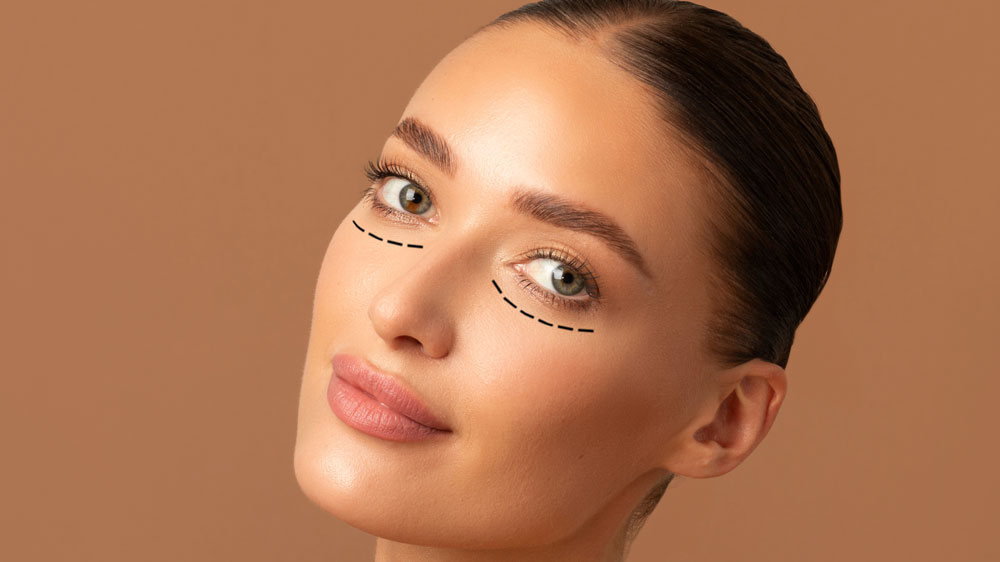
Under-eye filler is an injectable treatment that adds volume to the hollow beneath the eye. This area is often called the tear trough. Most under-eye fillers are made from hyaluronic acid, a substance found naturally in the body. Fillers used here are usually softer, to suit the thin skin. Hyaluronic acid filler can usually be dissolved with an enzyme if the result needs adjusting. This gives practitioners and patients reassurance in such a delicate part of the face.
How Under-Eye Filler Works as a Dark Circle Treatment
Many dark circles are caused or worsened by shadows rather than skin colour. With age, volume loss creates a groove between the lower eyelid and cheek. Light falls unevenly across this groove, creating a shadow that looks like a dark circle. Under-eye filler fills the groove so that light reflects more evenly across the area. This reduces the shadow and makes the under-eye area look smoother, brighter and less tired. The skin colour itself does not change, so filler works best for shadow-related darkness.
Dark Circle Treatment: Who Suits Under-Eye Filler?
Under-eye filler is most suitable for patients whose dark circles are mainly caused by hollowing. A practitioner will assess the area carefully before recommending treatment. Good candidates often share the following characteristics:
- A visible hollow or groove beneath the eye
- Dark circles that look worse in overhead lighting
- Good skin quality without significant laxity
- Minimal puffiness or fluid retention under the eyes
- Realistic expectations about what filler can achieve
Filler is less suitable for patients with large eye bags, thin skin or frequent puffiness. Age alone does not decide suitability, although skin quality often changes over time. A practitioner will look at the eye area from several angles and in different lighting before advising.
When Under-Eye Filler Is Not the Right Dark Circle Treatment
Under-eye filler cannot correct every type of dark circle, however carefully it is placed. Pigmented dark circles, which look brown, are better treated with skincare, peels or laser. Patients who retain fluid easily may find that filler makes their puffiness noticeably worse. In these cases, filler can attract water and create swelling beneath the eye. Large fat bulges or loose skin usually respond better to lower eyelid surgery. A practitioner will explain which dark circle treatment is most likely to help.
What Happens During Under-Eye Filler Treatment?
Under-eye filler treatment usually takes around thirty minutes, including numbing and assessment. The practitioner first examines the area and discusses your goals. The skin is cleaned thoroughly, and a numbing cream may be applied for comfort. Many fillers also contain a local anaesthetic to reduce discomfort. The filler is injected in small amounts, often using a blunt cannula rather than a needle. A cannula can reduce the risk of bruising and help the practitioner place filler smoothly. The result is checked throughout to ensure both sides look balanced and natural. Small amounts are added gradually, as overfilling this area can create puffiness or lumps. Most patients go home straight after treatment and return to normal activities the same day.
Dark Circle Treatment: Recovery After Under-Eye Filler
Recovery after under-eye filler is usually quick, but some swelling and bruising are common. These usually settle within a few days to two weeks.
| Stage | What to Expect |
| Immediately after | Improvement visible, with mild swelling |
| Days 1 to 3 | Swelling and possible bruising at their most noticeable |
| Weeks 1 to 2 | Swelling settles and the final result becomes clear |
| Around 2 weeks | Review appointment often offered |
| Months 9 to 18 | Filler gradually breaks down |
Aftercare advice often includes avoiding rubbing the eyes and strenuous exercise for a day or two. Sleeping with the head slightly raised can also help reduce swelling.
Dark Circle Treatment: Preparing for Under-Eye Filler
Good preparation can help reduce bruising and support a smoother recovery. Patients are often advised to avoid alcohol for a day or two before treatment. Some medicines and supplements can increase bruising, so patients should share their full medication list. Prescribed medicines should never be stopped without advice from a doctor. Patients with an important event should book treatment at least two weeks beforehand. This allows time for any swelling or bruising to settle fully.
Dark Circle Treatment: How Long Does Under-Eye Filler Last?
Under-eye filler usually lasts around nine to eighteen months, depending on the product and patient. Some patients find results last longer, as the area moves less than other parts of the face. The body gradually breaks down the filler over time. Top-up treatments can help to maintain the result once it begins to fade. Top-ups usually need less filler than the first treatment, as some support often remains. Many practitioners prefer to build results gradually rather than placing a large amount at once. A conservative approach with small amounts of filler usually gives the most natural and longest-lasting result.
Conclusion
Under-eye filler works as a dark circle treatment by filling the hollow and reducing shadows. It suits patients whose dark circles are mainly caused by hollowing rather than pigmentation or puffiness. Results usually last around nine to eighteen months, and careful technique is essential. This dark circle treatment offers a non-surgical option for patients who want a fresher, more rested appearance. By restoring lost volume beneath the eyes, filler can create a smoother transition between the lower eyelid and cheek. However, the best results depend on choosing suitable patients and using appropriate amounts of filler. Combining treatment with a suitable skincare routine can also help improve overall skin quality. Maintaining realistic expectations is important when considering any aesthetic procedure. A specialist assessment can help determine whether this dark circle treatment suits your needs and aesthetic goals.
Explore aesthetic treatments at ACIBADEM Beauty Center to learn more about dark circle treatment options.
Frequently Asked Questions
Under-eye filler reduces shadows caused by hollowing. It does not change skin colour or pigmentation. Many patients see a clear improvement rather than complete removal.
Most patients feel mild discomfort or pressure rather than pain. Numbing cream and filler containing anaesthetic help to keep treatment comfortable. Any tenderness usually settles quickly.
Some improvement is visible straight after treatment. Swelling can hide the final result for up to two weeks. The final result is usually clear after this time.
Hyaluronic acid filler can usually be dissolved with an enzyme called hyaluronidase. This can be used if the result is uneven or a complication occurs. Your practitioner will advise if needed.
Patients with large eye bags, frequent puffiness or very thin skin may be less suitable. Filler is also usually avoided during pregnancy and breastfeeding. A practitioner will assess suitability.