Ataşehir Mah. Feza Sk. No:3 İstanbul / Türkiye
 English

Introduction
As the skin ages, it gradually loses firmness, and the face can begin to look less defined. Many people notice changes along the jawline, around the cheeks and beneath the chin. There are many face tightening procedures available, from quick non-surgical treatments to full surgery. Each option suits a different degree of laxity, budget and recovery time. This guide explains the main face tightening procedures and who each one tends to suit. It also covers results, downtime and how to decide which option is right for you.
Why the Face Loses Firmness
Several changes happen in the face as it ages, and they explain why different procedures are needed. Collagen and elastin decline, which makes the skin thinner and less elastic. At the same time, fat pads and deeper tissues move downwards with age and gravity. This creates jowls, deeper folds beside the nose and a softer jawline. Sun exposure, smoking, weight changes and genetics can all speed up these changes. Hormonal changes around menopause can also lead to faster collagen loss in many women. The right procedure depends on which change is most visible in your face.
Three Main Approaches to Tightening
Face tightening procedures can be grouped into three broad categories. Each category works in a different way and suits a different degree of laxity. Non-surgical energy treatments use heat or ultrasound to stimulate collagen and firm the skin. Minimally invasive treatments, such as thread lifts, lift tissue with limited downtime. Surgical procedures, such as facelifts, reposition deeper tissue and remove excess skin. Understanding these groups makes it easier to narrow down the options before a consultation. Many patients move between categories over time as their skin and goals change.
Non-Surgical Face Tightening Procedures
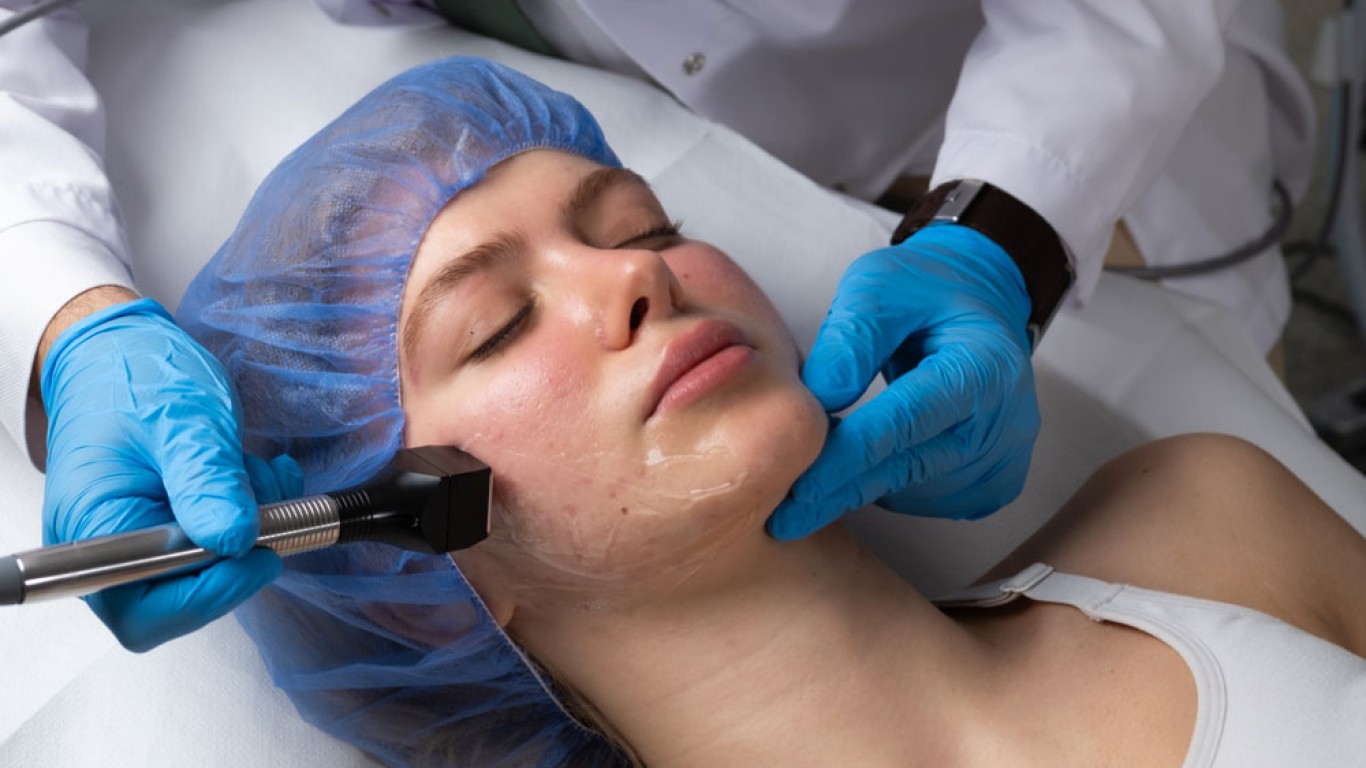
Non-surgical face tightening procedures suit patients with mild laxity who want little or no downtime. Results build gradually as new collagen forms beneath the skin. Common options include the following:
- Radiofrequency, which heats deeper layers of skin to stimulate collagen
- Radiofrequency microneedling, which combines fine needles with controlled heat
- High-intensity focused ultrasound, known as HIFU, which targets deeper supportive tissue
- Fractional laser resurfacing, which improves texture and firmness
Most of these treatments involve little downtime, with mild redness or swelling for a day or two. Radiofrequency is often carried out as a course of three to six sessions spaced several weeks apart. HIFU usually needs only one session, with a possible second treatment for stronger results. Maintenance sessions every six to twelve months can help keep the skin firmer for longer.
Minimally Invasive Face Tightening Procedures
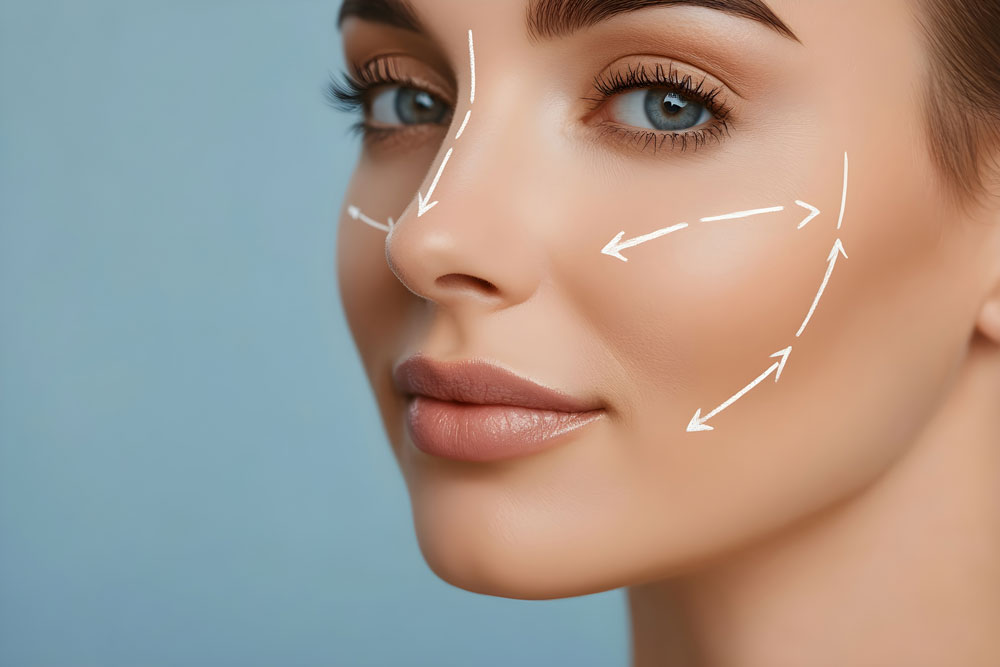
Thread lifts are the most common minimally invasive option for tightening and lifting the face. Dissolvable threads are placed beneath the skin to lift sagging tissue. A thread lift gives an immediate lift, and the threads stimulate collagen as they dissolve. Results usually last around one to two years, depending on the thread type. Recovery usually involves swelling, tightness and bruising for several days after treatment. Most patients return to work within around three to seven days. Thread lifts are often used on the cheeks, jowls, jawline and brows. They can be repeated once the effect begins to fade, usually after one to two years.
Surgical Face Tightening Procedures
Surgical options give the most significant and longest-lasting results of all face tightening approaches. They suit patients with moderate to significant sagging or loose skin. A facelift repositions deeper tissues and removes excess skin from the lower face and jawline. A neck lift tightens loose skin and muscle bands beneath the chin and along the neck. These procedures involve general anaesthesia or sedation and a recovery of two to three weeks. Surgical procedures are usually performed in a hospital, and many patients stay one night afterwards. Patients travelling abroad should plan to stay nearby for around one to two weeks after surgery. This allows the surgeon to check healing and remove any stitches before the flight home. Results can last for many years, although the face continues to age naturally.
Face Tightening Procedures Compared
The table below compares common face tightening procedures by downtime and how long results usually last. Figures are typical ranges and can vary considerably between individual patients.
| Procedure | Best Suited To | Typical Downtime | Results Last |
| Radiofrequency | Mild laxity | Little or none | Around 6 to 12 months |
| HIFU | Mild to moderate laxity | Little or none | Around 12 to 18 months |
| Thread lift | Mild to moderate sagging | Around 3 to 7 days | Around 1 to 2 years |
| Facelift | Moderate to significant sagging | Around 2 to 3 weeks | Many years |
| Neck lift | Loose neck skin and bands | Around 2 weeks | Many years |
How to Choose Between Face Tightening Procedures
The right choice depends mainly on how much laxity is present. Mild laxity often responds well to non-surgical treatments, while significant sagging usually needs surgery. Other factors also influence the decision, including the following:
- How much downtime you can take from work and social life
- How long you want results to last
- Your budget, including the cost of maintenance treatments
- Your general health and any medical conditions
- Whether you prefer gradual change or a more noticeable result
A practitioner will examine your face at rest, while smiling and in profile before advising. It can help to bring photographs from five or ten years ago to the consultation. These show how the face has changed and help the practitioner understand your goals. Clear goals make it easier to choose between gradual tightening and a more noticeable lift. Patients should also consider how they feel about the idea of surgery and anaesthesia. Some prefer to start with non-surgical options and consider surgery later if needed.
How Age and Laxity Affect the Choice
Age is not the only factor, but it often reflects the degree of laxity. Many people in their thirties and early forties start with non-surgical treatments. In the forties and fifties, thread lifts or a combination of treatments may be considered. Patients with more significant sagging often benefit most from a facelift or neck lift. Skin quality, weight history and genetics mean two people of the same age may need different approaches.
Conclusion
The right face tightening procedure depends on the degree of laxity, recovery time and goals. Radiofrequency and HIFU suit mild laxity, thread lifts suit mild to moderate sagging, and surgery suits significant sagging. Many patients combine face tightening procedures over time for a natural result. A specialist consultation is the best way to choose the right option for your face.
Explore aesthetic treatments at ACIBADEM Beauty Center to learn more about face tightening procedures.
Frequently Asked Questions
A facelift usually gives the most significant and longest-lasting result. Non-surgical treatments suit milder laxity with less downtime. The best option depends on your face, skin quality and goals.
Radiofrequency and HIFU usually involve little or no downtime. Mild redness or swelling may last a day or two. Most patients return to work and normal activities straight away.
Non-surgical treatments cannot replace a facelift for significant sagging. They work best for mild laxity and the early signs of ageing. They can delay the need for surgery in some patients.
Non-surgical results usually last six to eighteen months. Thread lift results often last one to two years. Facelift results can last many years, although the face continues to age.
There is no single right age to start face tightening treatment. Many people begin with non-surgical treatments in their thirties or forties. A practitioner can advise when treatment is likely to make a difference.