Ataşehir Mah. Feza Sk. No:3 İstanbul / Türkiye
 French
  English
  German
  Spanish
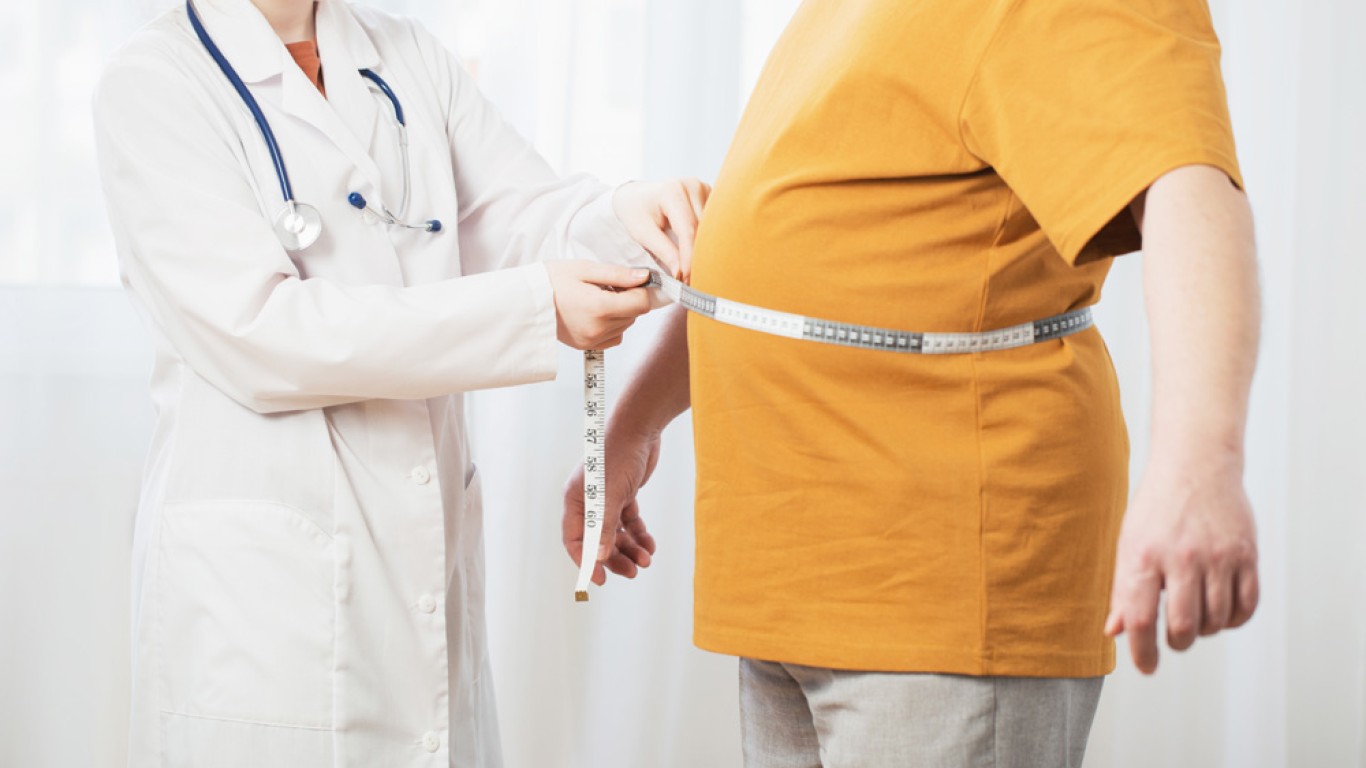
Bariatric surgery is no longer only for younger patients. Today, many over 50 are choosing it too. Improved techniques and medical advancements make the procedure safer than ever before. Additionally, weight loss after 50 can improve mobility, reduce medication and enhance quality of life. Are you in your 50s or beyond? Do you wonder if bariatric surgery is still a viable option? This article explains the benefits, expectations and reasons many older adults undergo weight loss surgery.
Why Bariatric Surgery Appeals to Over-50s
People over 50 often face challenges with weight that diet and exercise cannot fix. Hormonal changes, slower metabolism and lifestyle factors make long-term weight loss difficult. For many, bariatric surgery offers a life-changing solution. It not only promotes weight loss but also improves overall health. Additionally, the procedure supports better control of conditions like diabetes, sleep apnoea and hypertension. Many people over 50 want more energy, longer mobility and reduced medication. Bariatric surgery helps achieve these goals effectively.
Is Bariatric Surgery Safe After 50?
Yes, bariatric surgery is generally safe after 50 when patients are carefully assessed. Pre-surgical screening is crucial to ensure you're a suitable candidate. Surgeons evaluate your medical history, organ function and lifestyle readiness. While age can slightly increase recovery time, many studies show no major difference in outcomes. If you’re healthy enough to undergo general anaesthesia, you may be a strong candidate. Ultimately, your safety depends more on overall health than age alone.
Types of Bariatric Surgery Available
There are several bariatric surgery procedures available for patients over 50. Each has specific advantages, depending on your health goals and needs:
- Gastric Sleeve: Removes a portion of the stomach, limiting food intake and hunger. This option is common for over-50s.
- Gastric Bypass: Alters digestion by rerouting the stomach and intestines. It offers strong results, especially for diabetes.
- Gastric Balloon: A non-surgical option involving a temporary balloon to create fullness. It’s less invasive with faster recovery.
Surgeons will help determine which type suits your lifestyle and health profile best.
Health Benefits of Bariatric Surgery After 50
The benefits of bariatric surgery after 50 are significant and often life-changing. Firstly, patients typically lose a large percentage of excess weight. This reduces strain on joints, improves sleep and boosts confidence. Secondly, many report lower blood pressure and better cholesterol. Thirdly, Type 2 diabetes often improves or resolves altogether. Additionally, mental health improves through increased activity, self-esteem and independence. In essence, weight loss can lead to a longer, more active and enjoyable life.
Recovery Expectations for Older Adults
Recovery after bariatric surgery varies, but age does not always mean slower healing. Patients in their 50s and beyond can recover well with good support. You'll likely stay in hospital for 1–3 days, depending on the type of procedure. Post-surgery, you’ll follow a liquid diet before gradually returning to solids. Energy may dip at first, but strength returns quickly with regular movement. Follow-up appointments and support groups can help older adults adjust to lifestyle changes smoothly.
Preparing for Bariatric Surgery in Later Life
Bariatric surgery preparation is essential for success, regardless of age. Older adults should focus on building healthy habits before surgery. This includes quitting smoking, reducing alcohol and following a prescribed diet. You may be advised to lose some weight pre-surgery. Physical activity, even light walking, will help build stamina and ease recovery. Additionally, preparing your home for post-op comfort—easy meals, rest areas and help with chores—is important.
Long-Term Lifestyle Changes After Bariatric Surgery
Bariatric surgery is not a quick fix. Rather, it’s the start of long-term transformation. Older adults may find new energy and motivation post-surgery. However, permanent changes to diet and lifestyle are needed to maintain results. You’ll need to eat smaller portions, take vitamin supplements and avoid high-sugar foods. Regular exercise is key to keeping weight off and maintaining health. Fortunately, many over-50s report improved energy and mood, helping them stay active after bariatric surgery.
Support Systems and Emotional Readiness
If you’re over 50 and considering surgery, strong support will make a big difference. Family, friends or support groups can help with motivation, meal prep and emotional wellness. Emotional readiness is crucial. Older adults may feel nervous about surgery or lifestyle change. Counselling and consultations help set realistic expectations. Furthermore, hearing from others who’ve succeeded post-surgery can boost confidence.
Why Age Shouldn’t Stop Bariatric Surgery
Ultimately, age alone shouldn’t hold you back. Thousands of patients over 50 undergo bariatric surgery each year. Most enjoy meaningful improvements in health, energy and quality of life. If you’re motivated and medically fit, you can benefit from surgery just as someone younger. Remember, it’s about your health, not just a number.
Conclusion
Bariatric surgery after your 50s is a viable, often life-enhancing option. It provides sustained weight loss, improved health and a better quality of life. While age brings unique considerations, it’s not a barrier to success. With medical screening, preparation and support, many older adults thrive after surgery. If you’re considering this path, speak to a specialist to explore your options.
For more information and to book a consultation visit the ACIBADEM Beauty Center Obesity Surgery webpage.
Frequently Asked Questions
Yes. With proper medical screening, bariatric surgery is generally safe and effective for older adults.
Gastric sleeve is popular due to its simplicity, low risk and effective long-term results.
Not always. With good support and health, many over-50s recover at the same rate as younger patients.
Yes. Exercise is encouraged and plays a big role in maintaining weight loss and boosting energy.
Smaller meals, more energy, better health and a new focus on balanced living.