Ataşehir Mah. Feza Sk. No:3 İstanbul / Türkiye
 English
  German
  Spanish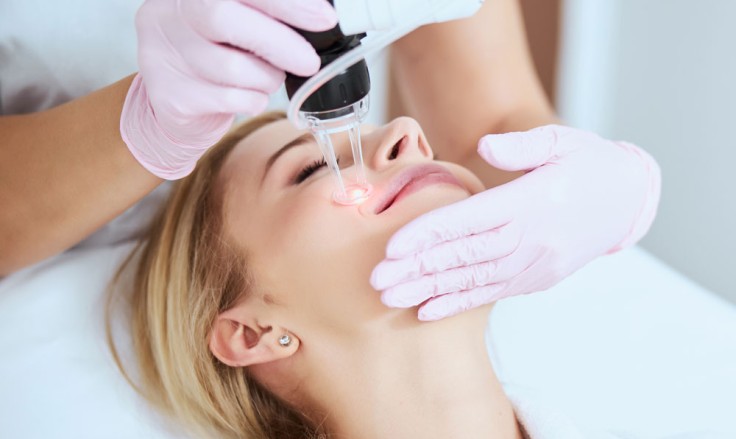
Introduction
Freckles are small, flat pigmented spots on the skin. They are caused by clusters of concentrated melanin. Many people find freckles charming. Others want them reduced or removed for a more even complexion. Laser freckle removal is one of the most effective treatments available. It uses targeted light energy to break down the pigment within each freckle. A common question patients ask is whether the results are permanent. The answer involves understanding how freckles form and how the skin responds to treatment. This article explains how laser freckle removal works, what affects permanence and what patients should expect.
What Causes Freckles?
Understanding freckle formation helps explain treatment permanence. Freckles develop when melanocytes produce excess melanin in response to UV exposure. Melanocytes are the cells responsible for skin pigmentation. Some people have a genetic predisposition to freckling. Fair skin, light hair and certain gene variants increase susceptibility. Sun exposure activates the melanocytes. They produce concentrated melanin deposits. Laser freckle removal targets these deposits directly. However, the melanocytes themselves remain in the skin. They retain the ability to produce melanin again when stimulated by UV light. This biological reality is central to understanding whether laser freckle removal results last permanently. The treatment removes existing pigment. It does not change the skin's underlying tendency to produce freckles.
How Laser Freckle Removal Works
Laser freckle removal uses a specific wavelength of light energy. The wavelength is absorbed selectively by melanin pigment. Surrounding tissue is largely unaffected. The laser energy breaks the pigment into tiny particles. The body's immune system then clears these fragments naturally over the following days and weeks. Laser freckle removal produces visible lightening after each session. The treated freckle darkens initially. It then flakes off over five to ten days. The skin beneath appears clearer and more even. Multiple laser types can treat freckles effectively. Q-switched lasers are among the most commonly used. IPL, intense pulsed light, also treats freckles across larger areas. The practitioner selects the most appropriate technology based on freckle distribution, skin type and treatment goals.
Is Laser Freckle Removal Permanent?
The treated freckles are effectively removed. The pigment is destroyed and cleared by the body. In that sense, the specific freckles treated do not return. However, laser freckle removal does not prevent new freckles from forming. The melanocytes remain in the skin. They will produce new pigment if the skin is exposed to UV light without protection. Freckles may reappear in the same areas over months or years. This is new pigment production rather than treated freckles returning. Laser freckle removal is therefore permanent for each treated spot. It is not permanent in preventing future freckling. Sun protection is the single most important factor in maintaining results long term. Patients who protect their skin consistently after treatment enjoy longer-lasting clearance.
Factors That Affect How Long Laser Freckle Removal Lasts
Several factors influence result duration. Sun exposure is the most significant. UV light reactivates melanocytes. Without consistent SPF use, freckles will reappear. Laser freckle removal results last longest in patients who commit to daily sun protection. Skin type affects the tendency to repigment. Fair-skinned patients with strong freckling tendencies may see new freckles develop more quickly. Genetics determine how reactive the melanocytes are. Geographic location and lifestyle play a role. Patients living in sunny climates face higher UV exposure. Outdoor hobbies and occupations increase exposure further. Laser removal longevity is directly proportional to sun protection commitment. Patients in high-UV environments must be especially diligent. Using SPF fifty daily, wearing hats and seeking shade all extend the duration of results significantly.
Laser Freckle Removal: Treatment Course
Most patients require one to three sessions for satisfactory clearance. Some freckles clear after a single treatment. Others require repeat sessions for complete removal. Laser freckle removal sessions are spaced four to six weeks apart. This allows the skin to heal fully between treatments. Lighter freckles may respond faster than darker, more concentrated spots. The practitioner assesses the freckle characteristics during consultation. Treatment parameters are adjusted for each session based on the response from previous treatments. Most patients see significant improvement after the first session. The treated freckles darken and flake off within seven to ten days. Clearer skin is visible beneath. Each subsequent session addresses any remaining pigment. A maintenance session once or twice a year may help manage new freckle formation for patients with strong freckling tendencies.
Recovery After Laser Freckle Removal
Recovery is straightforward. The treated freckles darken immediately after the session. This is expected and indicates the laser has reached the pigment effectively. The darkened spots form micro-crusts over the following days. These flake off naturally within seven to ten days. The skin beneath appears pink and then normalises over one to two weeks. Laser freckle removal recovery requires gentle skincare during this period. Avoid touching or picking at the treated areas. Apply prescribed ointment or gentle moisturiser as directed. Sun protection is essential from day one. SPF fifty should be applied daily throughout the healing period and beyond. Makeup can usually be applied from the day after treatment if the skin is not broken. Most patients resume normal activities immediately. There is no significant downtime.
Laser Freckle Removal: Safety and Skin Type Considerations
The treatment is safe for most patients when performed by qualified practitioners. Fair to medium skin tones respond most predictably. Laser freckle removal on darker skin types requires careful wavelength and energy selection. Higher melanin content in the surrounding skin increases the risk of unwanted pigmentation changes. Hypopigmentation, where the treated area becomes lighter than surrounding skin, is possible. Hyperpigmentation, where the area darkens temporarily, can also occur. Laser removal on darker skin should be performed by experienced practitioners with appropriate equipment. Test patches are recommended for higher-risk skin types. The practitioner evaluates skin tone during consultation and advises on the most appropriate approach. Side effects in suitable candidates are generally mild. Temporary redness and darkening resolve within one to two weeks. Blistering is rare with correct settings.
Maintaining Laser Freckle Removal Results
Long-term maintenance determines how lasting the results appear. Daily SPF application is the most important habit. Broad-spectrum SPF fifty protects against both UVA and UVB rays. Reapply every two hours during extended outdoor time. Laser freckle removal results are best maintained by patients who integrate sun protection into their daily routine permanently. Physical sun protection adds further benefit. Wide-brimmed hats shade the face effectively. Sunglasses protect the eye area. Seeking shade during peak UV hours reduces exposure significantly. Antioxidant serums containing vitamin C support skin health and may help suppress excess melanin production. Patients who combine consistent sun protection with good skincare maintain their laser freckle removal results for the longest period. Annual maintenance sessions address any new freckles that develop despite protective measures.
Laser Freckle Removal: Cost and Availability
The treatment is available at dermatology and aesthetic clinics. UK pricing typically ranges from one hundred to three hundred pounds per session depending on the treatment area size. Larger areas cost more. Multiple freckles treated in a single session may be priced at a package rate. Turkey offers laser removal at competitive pricing. Turkish dermatology clinics use modern laser platforms. Experienced practitioners perform the treatment at accredited facilities. Laser removal can be combined with other skin treatments during a visit. All-inclusive packages simplify the experience for international patients. The treatment requires no recovery downtime. Patients continue normal activities immediately. Professional consultation confirms suitability and determines the most appropriate laser technology for individual freckle characteristics and skin type.
Conclusion
Laser freckle removal effectively destroys the pigment within treated freckles. The treated spots do not return. However, new freckles can form if the skin is exposed to UV light without protection. Laser removal is permanent for each treated freckle. It is not permanent in preventing future freckling. Sun protection is essential for maintaining results long term. One to three sessions produce significant clearance for most patients. Recovery is minimal. The treatment is safe for appropriate skin types when performed by qualified practitioners. Professional consultation ensures the right approach for individual skin concerns. Turkey offers laser freckle removal at competitive pricing with experienced dermatology practitioners.
For more information about laser removal and to book a consultation visit the ACIBADEM Beauty Center Skin Treatments page.
Frequently Asked Questions
Treated freckles are permanently removed. New freckles can form without sun protection.
One to three sessions spaced four to six weeks apart.
Minimal. Darkened spots flake off within seven to ten days. Normal activities continue.
Caution is needed. Experienced practitioners adjust settings for darker skin types.
Daily SPF fifty application is essential. Hats and shade extend result duration further.