Ataşehir Mah. Feza Sk. No:3 İstanbul / Türkiye
 French
  English
  German
  Spanish
Introduction
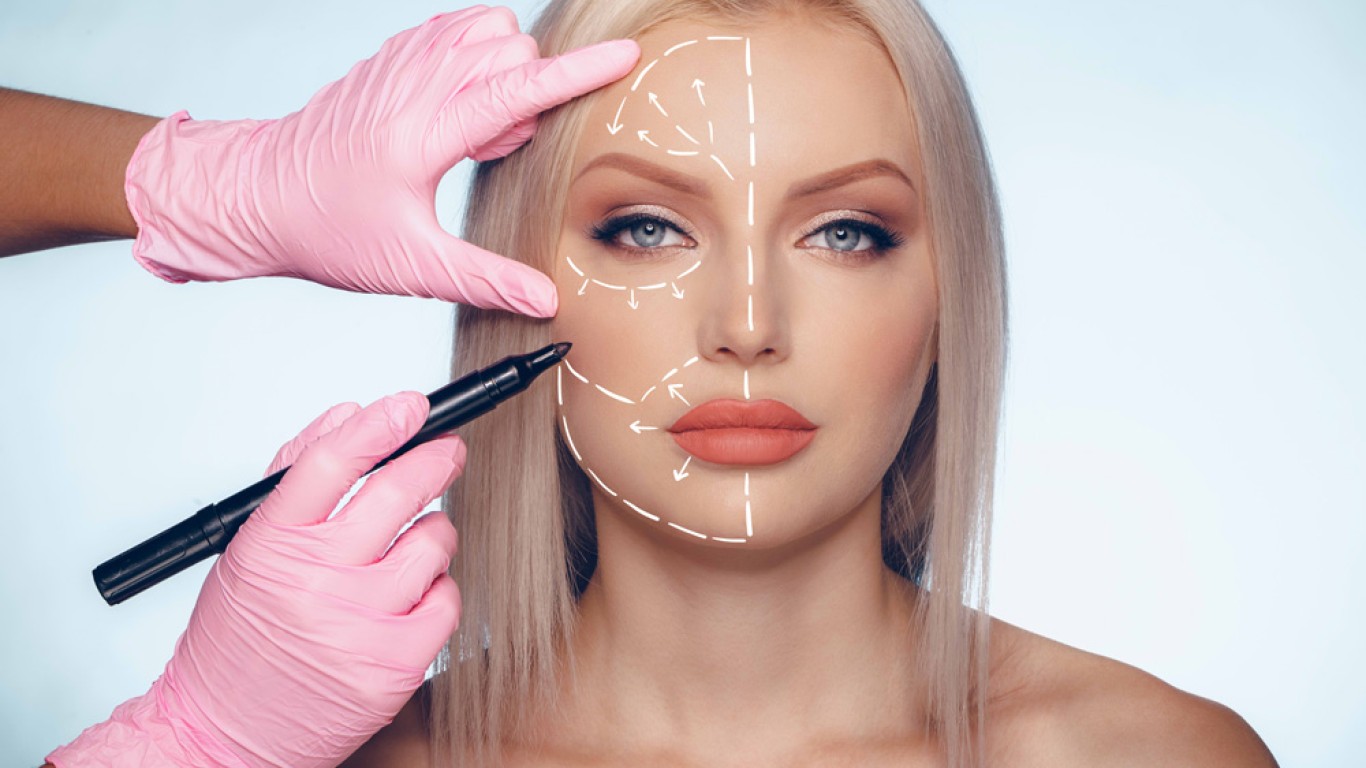
Technology continues to transform how cosmetic procedures are planned and communicated between surgeons and patients. One of the most significant developments in recent years is the integration of artificial intelligence into the consultation process. AI facial analysis cosmetic surgery tools use advanced algorithms to assess facial proportions, identify asymmetries and suggest treatment approaches. These systems support more precise planning. They help patients understand potential outcomes before treatment begins. Understanding how AI facial analysis cosmetic surgery technology works helps patients appreciate the value it adds to the modern consultation experience.
What Is AI Facial Analysis?
AI facial analysis uses computer algorithms to map and measure facial features with high precision. The technology captures detailed measurements of facial proportions, symmetry and structural relationships. Software analyses these measurements against established aesthetic principles. These applications translate this data into actionable insights for surgical planning. The technology identifies subtle asymmetries that may not be visible to the naked eye. It calculates precise measurements of distances and angles between facial landmarks. This objective data complements the surgeon's clinical experience and artistic judgment.
How AI Facial Analysis Cosmetic Surgery Tools Support Planning
AI facial analysis cosmetic surgery tools support planning in several important ways. The technology provides objective measurements for surgical decisions. It identifies the specific areas where adjustment would create the most harmonious improvement. AI systems can simulate potential outcomes based on the planned procedure. This allows surgeons to refine their approach before entering the operating theatre. This approach reduces guesswork and supports more predictable results. The technology also helps surgeons communicate their recommendations to patients more clearly using visual data rather than verbal descriptions alone.
AI Facial Analysis Cosmetic Surgery: Procedures That Benefit
Several cosmetic procedures benefit significantly from AI facial analysis technology. Common applications include:
- Rhinoplasty planning, where precise nasal measurements guide reshaping decisions.
- Facelift planning, where tissue repositioning targets are identified through analysis.
- Chin and jaw augmentation, where projection and balance are calculated precisely.
- Blepharoplasty, where eyelid measurements support symmetrical correction.
- Facial contouring procedures that require balanced proportional adjustment.
AI facial analysis cosmetic surgery tools are particularly valuable for procedures where millimetre-level precision influences the final aesthetic result.
How AI Improves the Consultation Experience
AI facial analysis cosmetic surgery technology significantly improves the patient consultation experience. Patients can see objective data about their facial proportions displayed on screen during the appointment. This visual approach helps patients understand why specific procedures are recommended. Simulated before-and-after images demonstrate potential outcomes in a tangible and accessible way. Patients feel more informed and confident when they can visualise the expected result. AI-enhanced consultations reduce misunderstandings between patient expectations and surgical possibilities. The technology creates a shared visual language between surgeon and patient.

Limitations of AI Facial Analysis Cosmetic Surgery Tools
While AI provides valuable support, it has important limitations that patients should understand. AI facial analysis cosmetic surgery tools offer predictions based on algorithms and data patterns. They cannot guarantee specific outcomes because individual healing and tissue response vary. The technology analyses static proportions but cannot fully account for how tissues move dynamically during expression. AI recommendations should be considered alongside the surgeon's clinical experience. AI facial analysis cosmetic surgery is a planning tool rather than a replacement for professional judgment. The most effective approach combines technological precision with experienced surgical artistry.
AI and Symmetry Assessment
Facial symmetry is an important component of aesthetic balance. AI systems measure facial symmetry with exceptional precision. They identify differences between the left and right sides of the face that may be too subtle for visual assessment alone. This objective measurement helps surgeons plan corrections that improve balance. Perfect symmetry is neither natural nor desirable. The goal is harmonious proportion rather than mathematical perfection. AI facial analysis cosmetic surgery tools help surgeons understand the baseline symmetry and plan adjustments that create a more balanced and aesthetically pleasing result.
Data-Driven Recommendations
AI systems analyse facial measurements against large databases of aesthetic outcomes. This data-driven approach identifies which adjustments are most likely to produce harmonious results for each individual face. Recommendations are based on patterns observed across thousands of cases. The technology suggests treatment approaches that align with established aesthetic principles and proportional guidelines. Surgeons review these recommendations and apply their own expertise to create a personalised plan. The combination of data analysis and clinical judgment produces more refined treatment strategies than either approach alone.
Patient Privacy and Data Security
Facial analysis involves capturing detailed images and measurements. AI facial analysis cosmetic surgery systems must handle this sensitive data responsibly. Reputable clinics use secure systems that protect patient information. Images and measurements should be stored according to data protection regulations. Patients have the right to understand how their data is used and stored. Clinics should explain their data handling practices during consultation. Choosing a clinic with clear privacy policies and secure technology infrastructure provides reassurance about the safety of personal information.
The Future of AI Facial Analysis Cosmetic Surgery
AI technology in cosmetic surgery continues to advance rapidly. Machine learning algorithms are becoming more sophisticated as they process larger datasets. AI facial analysis cosmetic surgery tools are expected to offer increasingly accurate outcome predictions. Integration with augmented reality may allow patients to view simulated results in real time. As the technology evolves, treatment planning will become even more precise and personalised. However, the human element of surgical skill and artistic judgment will remain essential. AI will continue to serve as a powerful support tool rather than a replacement for experienced practitioners.
How Patients Can Prepare for AI-Assisted Consultation
Patients can prepare for an AI facial analysis cosmetic surgery consultation by considering their goals in advance. Thinking about which features they would like to improve helps focus the discussion. Bringing reference photographs may support communication. Patients should arrive with clean skin and no heavy makeup for accurate imaging. Being open to the objective assessment that AI provides helps patients understand their facial proportions from a new perspective. The consultation is a collaborative process where AI data, surgeon expertise and patient preferences combine to create an optimal treatment plan.
Integration with Modern Clinic Technology
AI facial analysis cosmetic surgery tools integrate with other clinic technologies to create a seamless planning experience. Digital imaging systems capture high-resolution photographs that feed directly into analysis software. Results can be displayed on large screens during consultation for easy viewing. Some systems link to surgical planning software that translates simulation data into operative guidance. This integrated approach streamlines the workflow from consultation through to the operating theatre. AI facial analysis cosmetic surgery technology is becoming a standard feature in leading clinics that prioritise precision and patient communication.
Cost and Accessibility
The cost of AI-assisted consultation varies between clinics. Some include facial analysis as part of the standard consultation fee. Others may charge an additional fee for detailed simulation work. As the technology becomes more widespread, costs are decreasing. Many leading clinics now offer AI-enhanced consultations as standard for surgical procedures. The investment in this technology reflects the clinic's commitment to precision and patient care. Patients should ask whether AI analysis is included when booking a consultation. The value it adds to treatment planning often justifies any additional cost.
Conclusion
AI facial analysis cosmetic surgery represents a significant advancement in treatment planning and patient communication. The technology provides objective measurements, identifies asymmetries and simulates potential outcomes. It supports more precise surgical planning and helps patients visualise expected results. While AI has limitations, its combination with clinical expertise produces superior treatment strategies. The technology continues to evolve and will play an increasingly important role in cosmetic surgery. Professional consultation ensures that AI tools are used effectively alongside experienced surgical judgment. As ethical considerations, data privacy and algorithm accuracy continue to be refined, the integration of AI will become more reliable and widely accepted. Ultimately, this innovation enhances both patient confidence and surgical outcomes, shaping the future of personalised aesthetic medicine.
For more information and to book a consultation visit the ACIBADEM Beauty Center Aesthetics webpage.
Frequently Asked Questions
It measures facial proportions, symmetry, angles and structural relationships.
No, AI supports planning but cannot guarantee specific outcomes.
Rhinoplasty, facelifts and facial contouring procedures benefit significantly.
Reputable clinics use secure systems compliant with data protection regulations.
No, AI is a planning tool that complements clinical expertise.