Ataşehir Mah. Feza Sk. No:3 İstanbul / Türkiye
 English
  German
  Spanish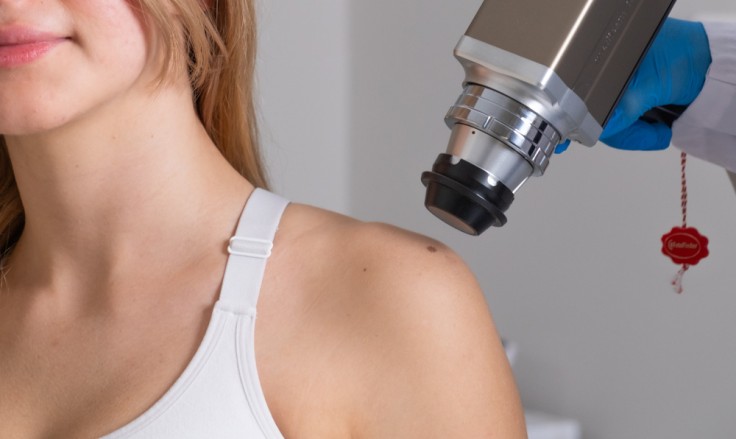
Introduction
Mole removal is one of the most common dermatological procedures. Many patients seek treatment for cosmetic reasons. Others want moles removed because of irritation or discomfort. Laser mole removal has become an increasingly popular option. It offers a non-surgical approach with minimal scarring. The technique uses focused light energy to break down mole tissue. Understanding how the procedure works helps patients decide whether it suits their needs. This article explains the process, recovery and realistic expectations. It also covers who is a suitable candidate for laser treatment.
What Is Laser Mole Removal?
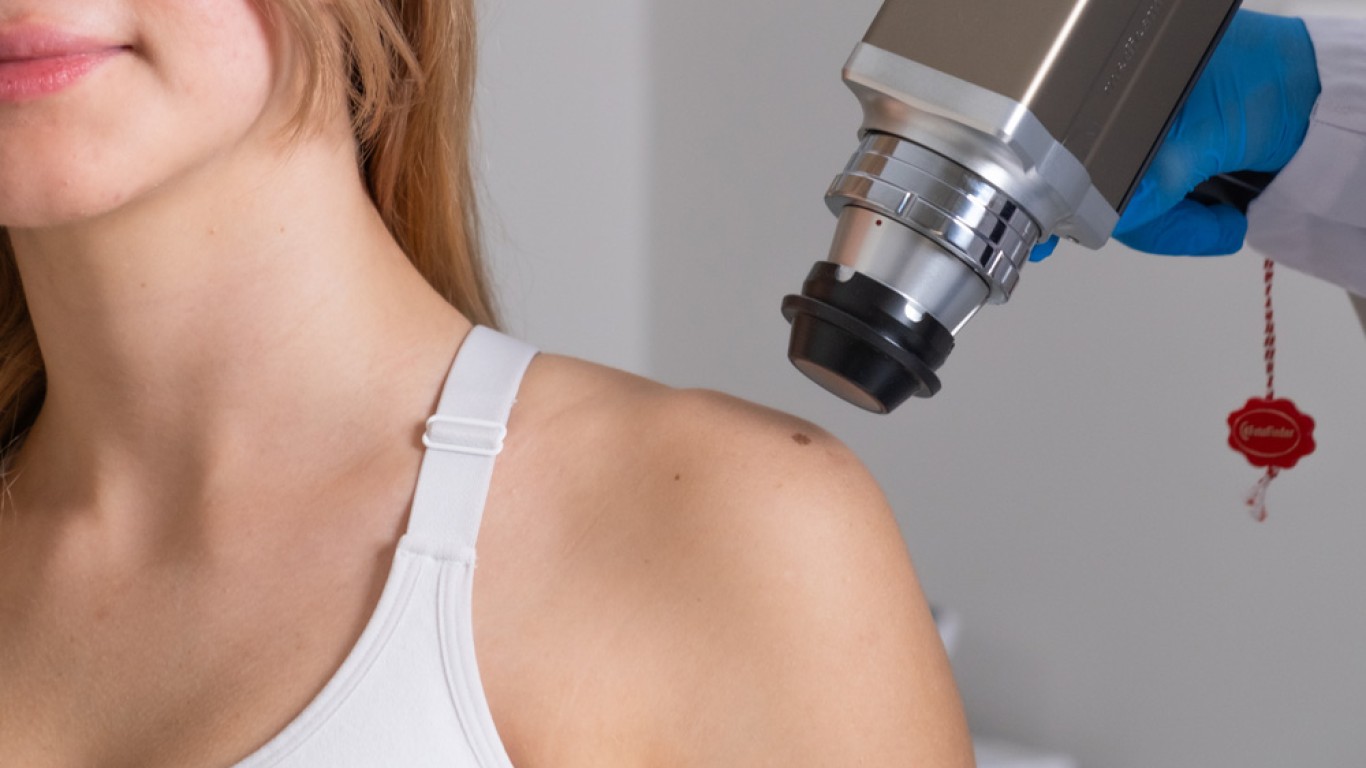
Laser mole removal uses concentrated light energy to destroy mole cells. The laser targets the pigmented tissue within the mole. The energy breaks down the cells without cutting the skin. No scalpel or stitches are involved. Laser mole removal is a non-invasive procedure. It suits superficial, non-cancerous moles on the skin surface. The laser can be adjusted to target different depths - this allows the practitioner to treat the mole precisely. Surrounding skin remains largely unaffected. The body's healing process then removes the treated tissue naturally. The procedure leaves minimal visible marking compared with surgical excision.
How Laser Mole Removal Works
The procedure uses a specific wavelength of light energy. This wavelength is absorbed by the pigment within the mole. The energy converts to heat within the targeted cells, and the heat destroys the mole tissue in a controlled manner. Laser removal typically uses CO2 or erbium lasers. CO2 lasers vaporise tissue layer by layer. Erbium lasers offer more precise tissue removal with less thermal damage. The practitioner selects the most appropriate laser based on the mole characteristics. Multiple passes may be needed for deeper moles. The procedure is performed in a clinical setting. Protective eyewear is worn by both patient and practitioner. A local or topical anaesthetic numbs the area before treatment begins.
Laser Mole Removal Procedure
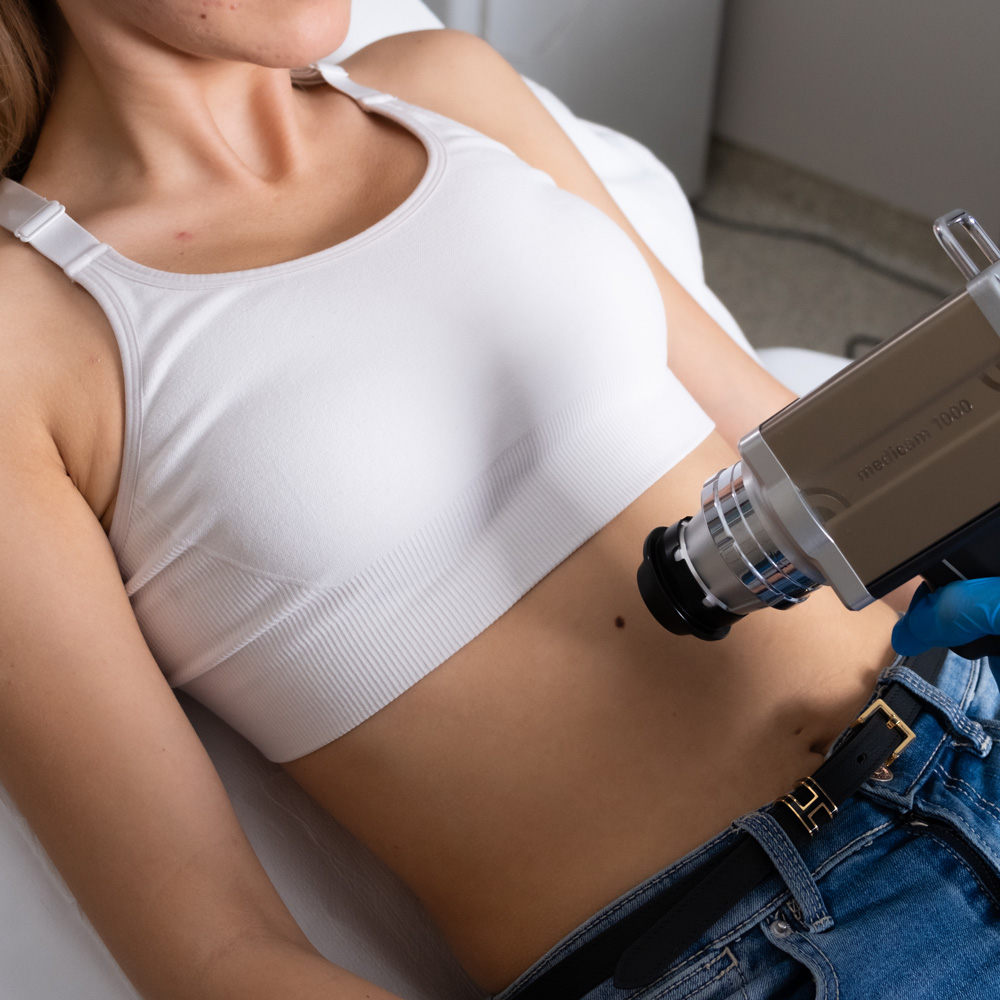
The procedure is quick and straightforward. The skin is cleansed before treatment. Anaesthetic cream or a local injection numbs the mole area. The practitioner positions the laser precisely over the mole. Laser mole removal takes approximately ten to thirty minutes depending on the number of moles being treated. Each mole requires several seconds to minutes of laser application. The practitioner works layer by layer. They monitor the depth carefully throughout. A slight burning smell may be noticed during treatment, which is normal. Most patients describe mild warmth or tingling during the procedure. Discomfort is minimal due to the anaesthetic. Once complete, the treated area appears as a shallow wound. An antibiotic ointment and dressing are applied immediately.
Who Is Suitable for Laser Mole Removal?
Laser mole removal suits patients with specific mole types. Flat or slightly raised moles respond well. Superficial moles with consistent colour are ideal candidates. The mole must be confirmed as non-cancerous before laser treatment. Laser removal does not allow tissue to be sent for histological examination. The mole is destroyed rather than excised intact - this means suspicious moles must be surgically removed instead. Patients with very deep or large moles may not be suitable for laser treatment. The practitioner assesses each mole individually during consultation. Patients with very dark skin may carry higher risk of pigmentation changes after treatment. A thorough skin assessment determines the most appropriate removal method.
Laser Mole Removal vs Surgical Excision
Patients often compare laser treatment with surgical removal.
| Feature | Laser Mole Removal | Surgical Excision |
| Incision | None | Yes |
| Anaesthesia | Topical or local | Local |
| Procedure time | Ten to thirty minutes | Fifteen to forty-five minutes |
| Scarring | Minimal | Linear scar |
| Suitable for deep moles | No | Yes |
| Histology possible | No | Yes |
| Recovery | Three to seven days | Seven to fourteen days |
Laser removal suits cosmetic removal of small, superficial, non-suspicious moles, while surgical excision is necessary when histology is required. Any mole that appears irregular, has changed recently or causes clinical concern should be surgically excised and examined. The practitioner recommends the appropriate method during assessment. Patient preference and mole characteristics both guide the decision.
Laser Mole Removal Recovery
Recovery after laser removal is straightforward. The treated area forms a shallow wound. A scab develops within one to two days, which should be left to fall off naturally. Picking or scratching delays healing and increases scarring risk. Laser removal recovery takes approximately five to ten days for the scab to separate. The skin beneath appears pink or red initially. This colour fades over the following weeks. Keeping the wound clean and moist supports healing. Antibiotic ointment is applied as directed. Sun protection is essential during healing. UV exposure can cause permanent darkening of the treated area. A broad-spectrum SPF should be applied daily for at least three months. Most patients resume normal activities immediately after treatment.
Scarring After Laser Mole Removal
Scarring is typically minimal after laser treatment. The absence of incisions means no linear scar forms. Laser mole removal produces a flat, circular mark at the treatment site. This mark fades progressively over several months. Most patients find the scar significantly less visible than the original mole. Skin texture may differ slightly at the treated site. Some patients develop a flat, pale mark. Others may experience mild hyperpigmentation in the short term. Silicone-based scar products help improve texture and colour. Sun protection prevents darkening during healing. Laser removal scarring compares favourably with surgical excision scarring in most cases. The cosmetic outcome is often one of the primary reasons patients choose laser treatment.
Can Moles Return After Laser Mole Removal?
Mole recurrence is possible after laser treatment. The laser destroys visible mole cells, however deeper cells may remain beneath the treatment depth. Laser mole removal has a higher recurrence rate than surgical excision for this reason. Surgical excision removes the entire mole including deeper tissue. If a mole returns after laser treatment, repeat treatment is usually possible. The recurrence is typically lighter and smaller. Some patients require two or three laser sessions for complete removal. The practitioner discusses recurrence risk during consultation. Deeper moles carry higher recurrence risk. Setting realistic expectations about the possibility of repeat treatment supports patient satisfaction.
Laser Mole Removal: Cost and Availability
Laser mole removal is available at dermatology and aesthetic clinics. UK pricing typically ranges from £100-£400 per mole. Multiple moles treated in a single session may be priced at a lower rate per mole. Turkey offers laser removal at competitive pricing. Turkish dermatology clinics use modern laser equipment. Experienced practitioners perform the treatment at high volume. All-inclusive packages simplify the experience for international patients. Laser removal can be combined with other skin treatments during the same visit. The treatment requires no recovery downtime. Patients can continue normal activities the same day. Remote consultation before travel confirms suitability and treatment planning.
Safety Considerations
Safety requires proper assessment before treatment. Every mole must be evaluated for signs of irregularity. Asymmetry, border irregularity, colour variation and diameter changes require investigation. Laser mole removal should never be performed on a suspicious mole. Destroying a potentially cancerous mole without histological examination is unsafe. The practitioner uses dermoscopy to assess mole features before treatment. This magnified examination identifies concerning features that require surgical biopsy instead. Patients with a personal or family history of skin cancer should discuss this during consultation. The safety of laser removal depends entirely on accurate pre-treatment assessment. Choosing a qualified dermatologist ensures appropriate screening before any mole is treated.
Conclusion
Laser mole removal is a non-invasive option for cosmetic mole removal. It uses focused light energy to destroy superficial mole tissue. The procedure is quick with minimal downtime. Recovery takes five to ten days. Scarring is typically minimal. Laser removal suits flat or slightly raised non-cancerous moles. Suspicious moles must be surgically excised for histological examination. Recurrence is possible and may require repeat treatment. Professional assessment before treatment ensures safety and suitability. Turkey offers laser removal at competitive pricing with experienced dermatology practitioners.
Interested in finding out more about mole removal in Turkey? Visit the ACIBADEM Beauty Center Skin Treatments page.
Frequently Asked Questions
Discomfort is minimal. Topical or local anaesthetic numbs the area before treatment.
The scab separates within five to ten days. Full healing takes several weeks.
Recurrence is possible. Repeat treatment can address any returning pigmentation.
Only non-suspicious moles are suitable. Irregular moles require surgical excision and biopsy.
Pricing varies but is significantly lower than UK equivalents at accredited Turkish clinics.