Ataşehir Mah. Feza Sk. No:3 İstanbul / Türkiye
 English
  German
  Spanish
Introduction
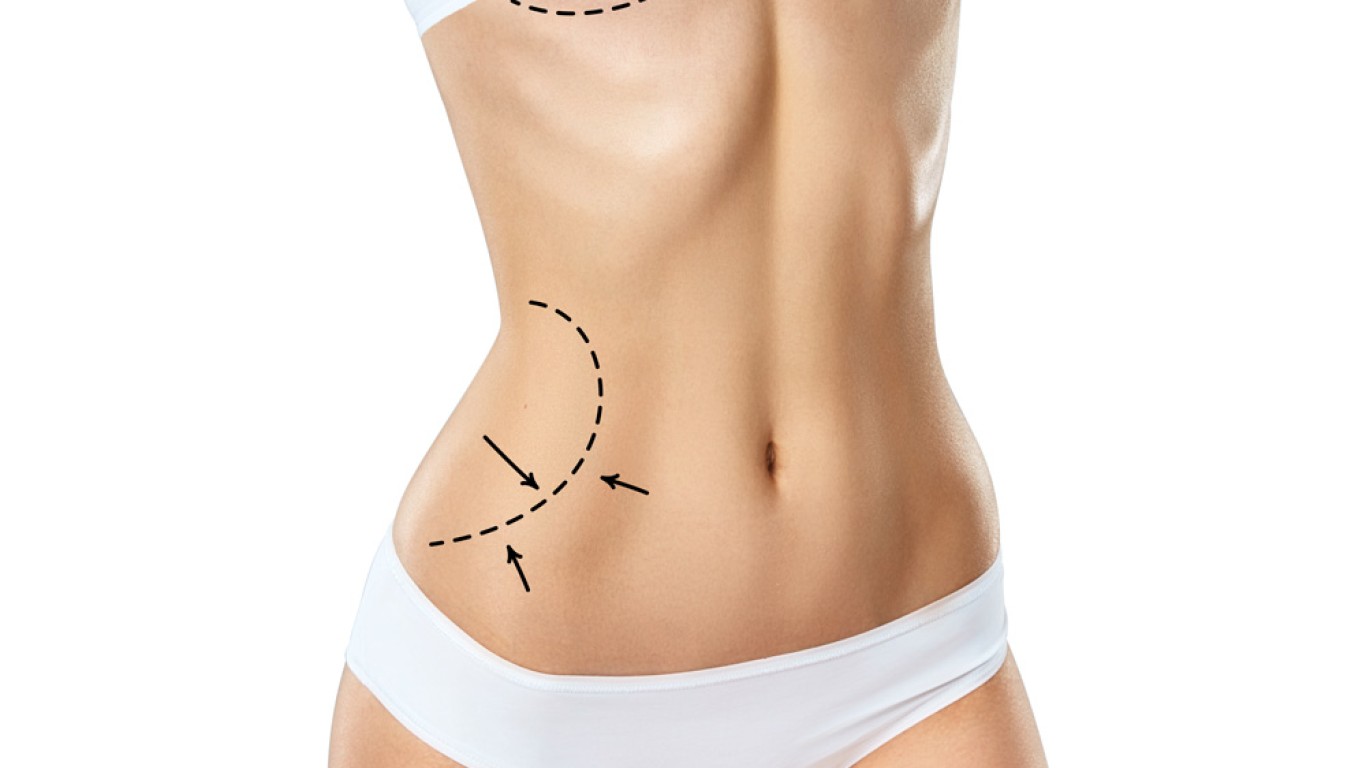
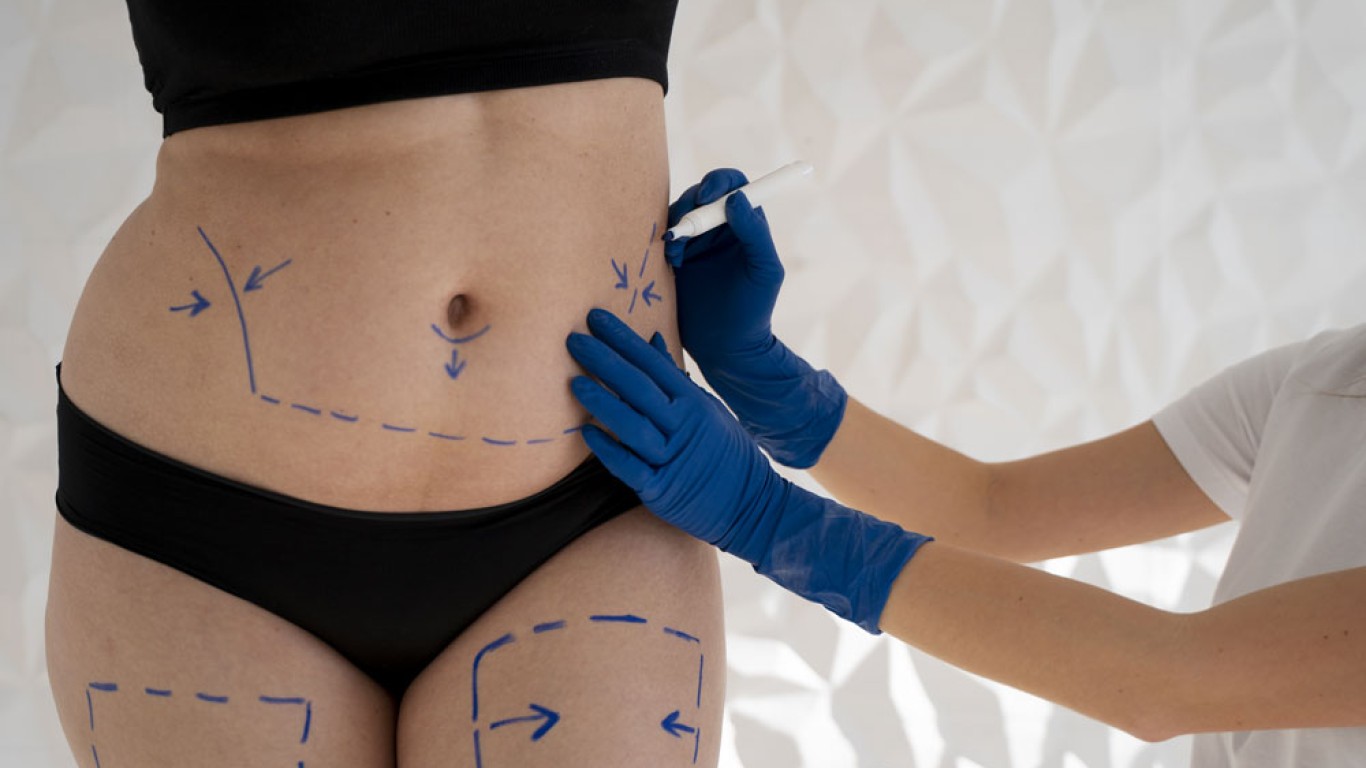
Liposuction is one of the most commonly performed body contouring procedures worldwide. The surgery itself is well understood. However, many patients underestimate the recovery. Liposuction recovery involves more swelling, bruising and discomfort than patients typically expect. Understanding the day-by-day progression helps patients prepare realistically. Knowledge of what is normal at each stage reduces anxiety and supports compliance with aftercare instructions. This article provides a detailed day-by-day liposuction recovery guide based on current 2026 techniques and protocols.
Liposuction Recovery: Day One
Day one involves rest and adjustment. Liposuction recovery begins in the clinic or hospital. The compression garment is already fitted. Pain medication is administered. Most patients go home on day one. Soreness is moderate. The treated areas feel tender and tight. The compression garment applies constant pressure. Liposuction recovery day one often involves fluid drainage from the incision sites. Tumescent fluid used during the procedure seeps through the small incisions. This is normal and expected. Placing absorbent pads beneath the garment protects clothing and bedding. Liposuction recovery day one activity involves light walking only. Short walks to the bathroom and around the home support circulation. Pain medication should be taken on schedule. Liposuction recovery day one sets the pattern for the first week. Rest, gentle movement and medication compliance are the priorities.
Liposuction Recovery: Days Two to Three
Swelling peaks during this period. Liposuction recovery at day two to three shows the most significant swelling. The treated areas appear larger than before surgery. This is alarming for many patients. The swelling is entirely normal. It does not represent the final result. Liposuction recovery swelling is the body's inflammatory response to the fat removal process. Bruising becomes visible. Yellow, purple and blue discolouration spreads across the treated areas. This looks worse than it feels. Liposuction recovery during this period involves continued light walking. Increase walk duration gradually. Ten to fifteen minutes several times daily supports circulation. The compression garment must be worn continuously. It controls swelling and supports the tissue. Liposuction recovery pain is well managed with prescribed medication. Moving positions produces the most discomfort. Getting up from sitting or lying requires care. Gentle movements reduce the intensity.
Liposuction Recovery: Days Four to Seven
Gradual improvement begins. Recovery during the remainder of the first week shows daily progress. Swelling remains significant but begins stabilising. Soreness reduces day by day. Mobility increases. Liposuction recovery walking extends to twenty to thirty minutes by end of week one. Most patients can manage light household tasks. Driving is not yet recommended. Fluid drainage from incisions reduces. The incision sites begin closing. Liposuction recovery during this period requires continued compression garment wear. Some patients find the garment increasingly comfortable as swelling reduces. Others feel the garment becomes looser. Adjustment or sizing changes may be needed. Liposuction recovery nutrition matters. Protein supports tissue repair. Anti-inflammatory foods reduce swelling. Salt intake should be minimised. Sodium increases fluid retention and worsens swelling. Liposuction recovery during the first week is the most challenging. Most patients feel significantly better by day seven compared with day two.
Liposuction Recovery: Week Two
Visible improvement accelerates. Recovery during week two shows bruising fading from purple to yellow and green. Swelling reduces noticeably. The treated areas begin to show improved contour. Liposuction recovery at this stage allows most patients to return to desk work. Energy levels improve. Walking increases to normal distances. Light daily activities resume comfortably. Recovery week two still requires the compression garment. Most surgeons recommend continuous wear for four to six weeks total. Some transition to daytime-only wear during week two. The surgeon advises based on individual healing progress. Recovery during week two is when patients begin to feel more like themselves. The initial discomfort has largely passed. The daily improvement is encouraging. However, significant swelling remains beneath the surface. The final contour is not yet visible. Recovery patience remains important. The body is still processing and healing.
Liposuction Recovery: Weeks Three to Four
Most patients feel substantially recovered. Recovery during weeks three to four shows continued swelling reduction. The contour becomes more apparent. Bruising has largely resolved. Most patients return to work if they have not already. Liposuction recovery physical comfort improves significantly. Normal daily activities are comfortable. Light exercise may begin at week four. Walking at a brisk pace is appropriate. A stationary bike at low resistance is acceptable. Liposuction recovery during this period still involves the compression garment. Consistent wear supports the best contouring outcome. The tissue is still settling into its new shape. Compression guides this process. Recovery at four weeks represents the transition from active recovery to gradual improvement. The rest of the healing process is less disruptive to daily life. Patients resume their routines while the body continues refining beneath the surface.
Liposuction Recovery: Months Two to Three
Swelling continues resolving gradually. Recovery between months two and three shows progressive contour improvement. The treated areas become slimmer week by week. The shape becomes more defined. Residual swelling at two months is subtle. Most observers would not notice it. Only the patient and surgeon can detect the remaining fullness. Compression garment wear typically ends during this period. The surgeon confirms when it is safe to stop. Liposuction recovery exercise return progresses. Moderate exercise is appropriate. Light weightlifting resumes. Most patients feel comfortable at the gym. Recovery at three months shows approximately eighty to ninety percent of the final result. The improvement from the pre-surgical appearance is clearly visible. Clothing fits differently. The body feels lighter and more proportionate. Most patients report significant satisfaction at this stage even though the final result has not fully developed.
Final Result
The final contour develops at three to six months. Recovery reaches its conclusion when all residual swelling has resolved. The treated areas show their definitive shape. The body contour reflects the surgeon's work without any inflammation obscuring it. Liposuction final results may take longer for larger treatment areas. Patients who had multiple areas treated simultaneously may notice some zones refine faster than others. The final assessment is made at six months. Liposuction results are permanent when body weight remains stable. The removed fat cells do not regenerate. The treated areas maintain their improved contour. Weight gain after liposuction can affect untreated areas disproportionately. Maintaining a healthy weight and regular exercise preserves the result indefinitely.
Conclusion
Liposuction recovery progresses from rest and swelling management in the first week through gradual activity return over four to six weeks. The final contour develops at three to six months. Day one involves light walking and fluid drainage management. Peak swelling occurs at days two to three. Bruising resolves over two weeks. Most patients return to work within two to three weeks. Compression garment wear continues for four to six weeks. The result is permanent when body weight remains stable. Professional guidance supports the smoothest recovery. Turkey offers liposuction at competitive pricing with experienced surgeons and comprehensive aftercare.
For more information about liposuction and to book a consultation visit the ACIBADEM Beauty Center Aesthetics page.
Frequently Asked Questions
Social recovery takes two to three weeks. Final results develop at three to six months.
Days two to three after surgery. Swelling reduces gradually over the following weeks.
Light walking from day one. Gym return at four to six weeks. Full activity at six to eight weeks.
Four to six weeks for most patients. The surgeon advises based on individual healing.
Three to six months after surgery once all residual swelling has resolved.