Ataşehir Mah. Feza Sk. No:3 İstanbul / Türkiye
 English
  German
  Spanish
Introduction
Mole removal is a straightforward and commonly performed procedure. However, every surgical method leaves some degree of scarring. The appearance of the mole removal scar depends on several factors. These include the removal method, mole location, skin type and how closely aftercare is followed. Many patients want to know how to minimise the scar left after removal. Understanding what causes mole removal scars and how to treat them supports the best cosmetic outcome. This article covers everything patients need to know about mole removal scar healing and reduction.
What Causes a Mole Removal Scar?
This type of scar forms as part of the body's natural healing response. When skin is cut or damaged, the body produces collagen to repair the tissue. This repair collagen is laid down rapidly and in a less organised pattern than normal skin collagen. The result is scar tissue. The type and visibility of the resulting scar depends on the removal method used. Surgical excision, which cuts around the mole and closes the wound with sutures, leaves a linear scar. Shave removal can leave a slightly pitted or flat circular mark at the site. Laser removal may leave a flat pale area. Each method produces a different type of mark. All scars improve with time and appropriate aftercare.
How Long Does a Mole Removal Scar Take to Heal?
The healing timeline follows a predictable pattern. During the first two weeks, the wound closes and the initial scar forms. The scar appears red, raised and firm during this phase. Between weeks two and three months, the scar matures. It may become more raised and darker before it begins to soften. This is the active remodelling phase. From three to twelve months, the scar gradually flattens and lightens. Most mole removal scars reach their final appearance at twelve to eighteen months. The scar will not continue to improve beyond this point without treatment intervention. Individual healing varies significantly based on genetics, skin tone, age and the site of the mole removal.
Mole Removal Scar Aftercare: What Makes a Real Difference
Following aftercare instructions carefully has the greatest impact on scar appearance. Keeping the wound moist during early healing is important. Dry, scabbing wounds produce more prominent scars. Petroleum jelly or wound healing ointment applied daily keeps the wound environment optimal. Once the wound is closed, silicone gel or sheets are the most evidence-backed scar treatments available. Silicone works by hydrating the scar tissue and regulating collagen production. It should be applied for at least eight to twelve weeks to achieve meaningful improvement. Sun protection on the scar site is essential. UV exposure causes scars to darken permanently. A high-SPF sunscreen applied daily prevents this. Starting scar care early produces the best results.
Silicone Gel and Sheets for Mole Removal Scars
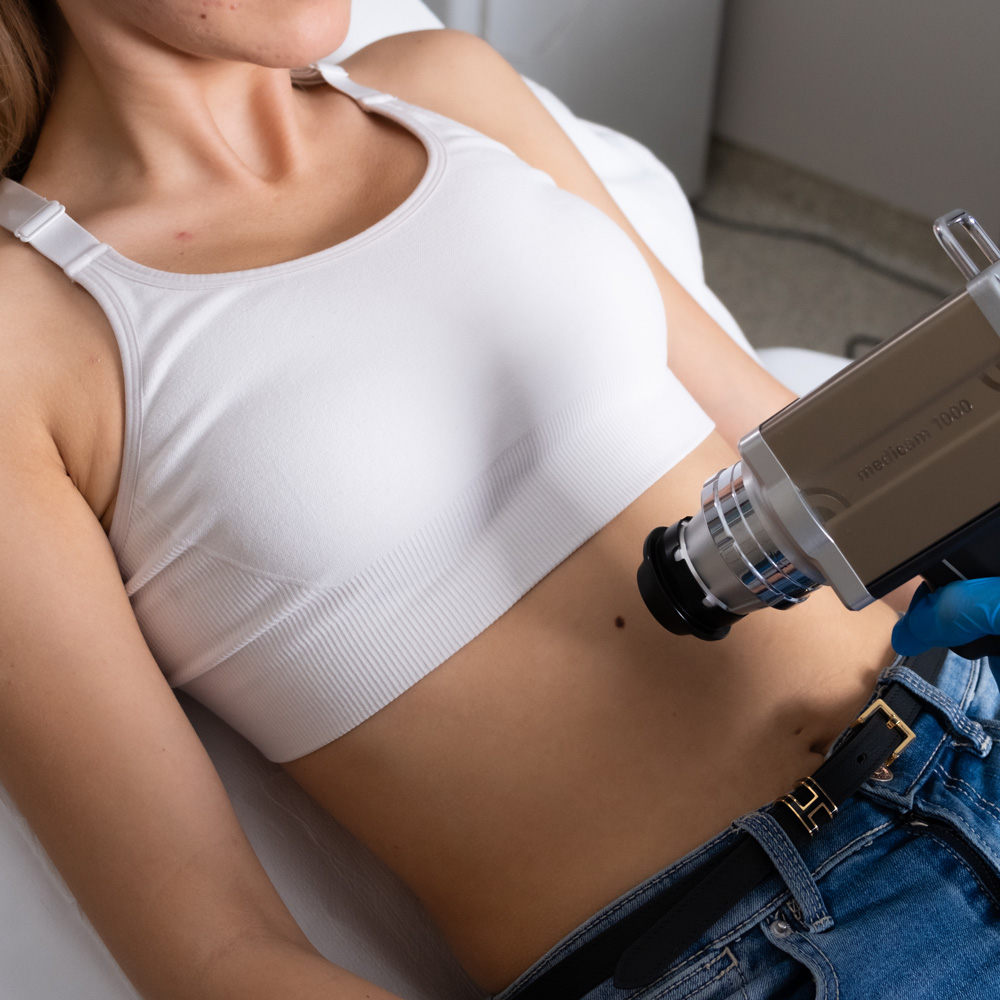
Silicone gel and sheets are the most widely recommended treatments for these scars. They have an extensive evidence base supporting their effectiveness. Silicone sheets are worn directly over the scar. They work by maintaining hydration and applying gentle pressure. Both effects support better collagen organisation during healing. Silicone gel is applied as a thin layer that dries to form a breathable film. It suits scars in areas where sheets are difficult to apply, such as the face. Both forms are available over the counter and from dermatology clinics. Consistent daily use over at least two to three months is necessary to see a meaningful difference. Starting treatment as soon as the wound is fully closed maximises the benefit.
Mole Removal Scar Treatments When Silicone Is Not Enough
When a mole removal scar remains raised, thickened or discoloured despite basic aftercare, professional treatments can help. Corticosteroid injections are one of the most effective treatments for raised or hypertrophic scars. The injection softens the scar and reduces the activity of overactive collagen-producing cells. Multiple injections spaced four to six weeks apart are typically needed. Pulsed dye laser and fractional laser reduce redness, improve texture and flatten raised scars effectively. Laser is particularly useful for scars that remain pink or red at twelve months. Microneedling stimulates collagen remodelling and can improve the texture and appearance of flat or indented scars. Dermal filler can elevate indented or pitted scars caused by shave removal.
Keloid and Hypertrophic Mole Removal Scars
Some patients develop keloid or hypertrophic scars after removal. Both types involve excessive collagen production. A hypertrophic scar remains within the boundary of the original wound. It is raised and firm but does not spread beyond the edges. A keloid scar extends beyond the original wound boundary and continues to grow. Keloids are most common on the chest, shoulders, upper back and earlobes. Patients with darker skin tones have a higher risk of developing keloids. A history of keloid scarring should be discussed with the surgeon before mole removal. Keloid treatment options include steroid injections, silicone and laser therapy. Surgical excision with preventive measures reduces recurrence risk.
When to Seek Professional Help for a Mole Removal Scar
Some scars require professional assessment and treatment. A scar that continues to grow or thickens beyond three months warrants review. Any sign of infection including increasing redness, warmth, discharge or pain needs prompt attention. A scar that causes itching, pain or tethering of the surrounding skin should be evaluated. Patients dissatisfied with their scar at twelve months can explore treatment options with a dermatologist or plastic surgeon. Early intervention for concerning scars consistently produces better outcomes than waiting. A qualified practitioner assesses the scar type and recommends the most appropriate treatment combination for each individual case.
Professional Scar Revision Options
When basic aftercare is not enough, professional scar revision options are available. Laser resurfacing improves surface texture and colour. Pulsed dye laser is particularly effective for reducing redness in pink or red scars. Ablative laser resurfacing resurfaces the skin for more significant textural improvement. Microneedling with radiofrequency improves scar texture and colour simultaneously. It is well-tolerated and suits most skin types. Dermal filler raises indented or pitted scars caused by shave removal. Chemical peels improve surface pigmentation and skin texture around the scar. Surgical scar revision is occasionally considered for very visible or wide scars. The surgeon excises the old scar and closes the wound with a finer, neater technique. A combination approach using multiple modalities often produces the most comprehensive mole removal scar improvement.
Conclusion
Scarring is an expected outcome of any mole removal procedure. Its appearance depends on the method used, the location, individual skin characteristics and aftercare quality. Early, consistent scar care produces the most satisfying long-term result. A dermatologist or surgeon can advise on the best approach for each individual scar type. Most scars improve significantly over twelve to eighteen months. Silicone gel or sheets applied consistently from wound closure onwards provide the most evidence-based support. Sun protection is essential throughout healing. Professional treatments including corticosteroid injections and laser are available for stubborn or raised scars. Patients with a history of keloid formation should discuss this before treatment. Starting scar care early and following professional aftercare guidance consistently produces the most satisfying long-term outcome.
For more information and to book a consultation visit the ACIBADEM Beauty Center Mole Removal page.
Frequently Asked Questions
Most scars reach their final appearance at twelve to eighteen months. Active improvement occurs during the first year with appropriate aftercare.
Silicone gel or sheets applied consistently from wound closure are the most evidence-backed treatments. Professional options include laser and steroid injections for raised or persistent scars.
Scars cannot be eliminated entirely but can be significantly improved. With good aftercare and professional treatment, most scars become minimal and difficult to notice.
Yes. UV exposure causes scars to darken permanently. Daily SPF application on the scar site throughout healing is essential to prevent pigmentation.
Raised or hypertrophic scars result from excessive collagen production during healing. They are more common in certain skin types and on the chest, shoulders and upper back.