Ataşehir Mah. Feza Sk. No:3 İstanbul / Türkiye
 French
  English
  German
  Spanish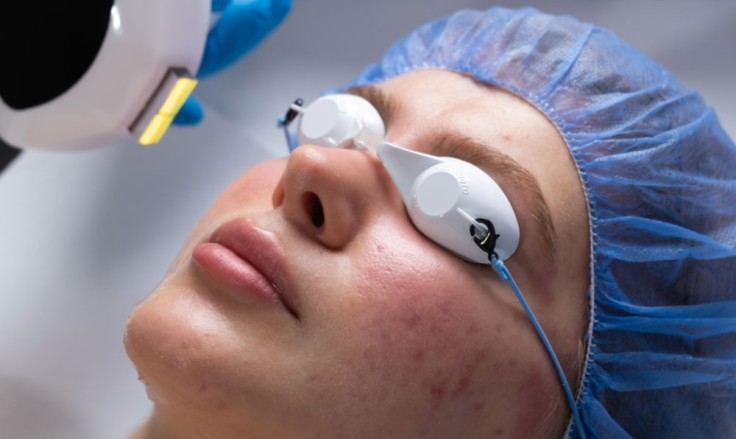
Introduction
Uneven skin tone and dark spots are among the most common aesthetic concerns affecting both men and women. Sun damage, hormonal changes, post-inflammatory marks and natural ageing all contribute to pigmentation issues. Laser treatment for pigmentation has become an effective and precise way to address these concerns. Modern laser technologies target melanin in the skin with great accuracy. This cannot be replicated by topical creams and chemical peels. Understanding how laser treatment for pigmentation works is a vital first step. You should know which technology suits which condition and what to expect from the process. This article covers everything patients need to know before pursuing laser treatment for pigmentation.
What Causes Skin Pigmentation?
Skin pigmentation results from the overproduction or uneven distribution of melanin. This is the pigment that gives skin its colour. Several factors trigger excess melanin production. Sun exposure is the most common cause. It produces flat brown spots known as solar lentigines or age spots. Melasma is a form of pigmentation driven by hormonal changes. This commonly appears during pregnancy or when using contraceptive medication. Post-inflammatory hyperpigmentation follows skin injury, acne, eczema or other inflammatory conditions. Freckles are genetically determined melanin concentrations. Understanding the specific type of pigmentation present guides treatment selection. Laser treatment for pigmentation works differently across these conditions, with some types responding more readily than others to specific wavelengths and technologies.
How Laser Treatment for Pigmentation Works
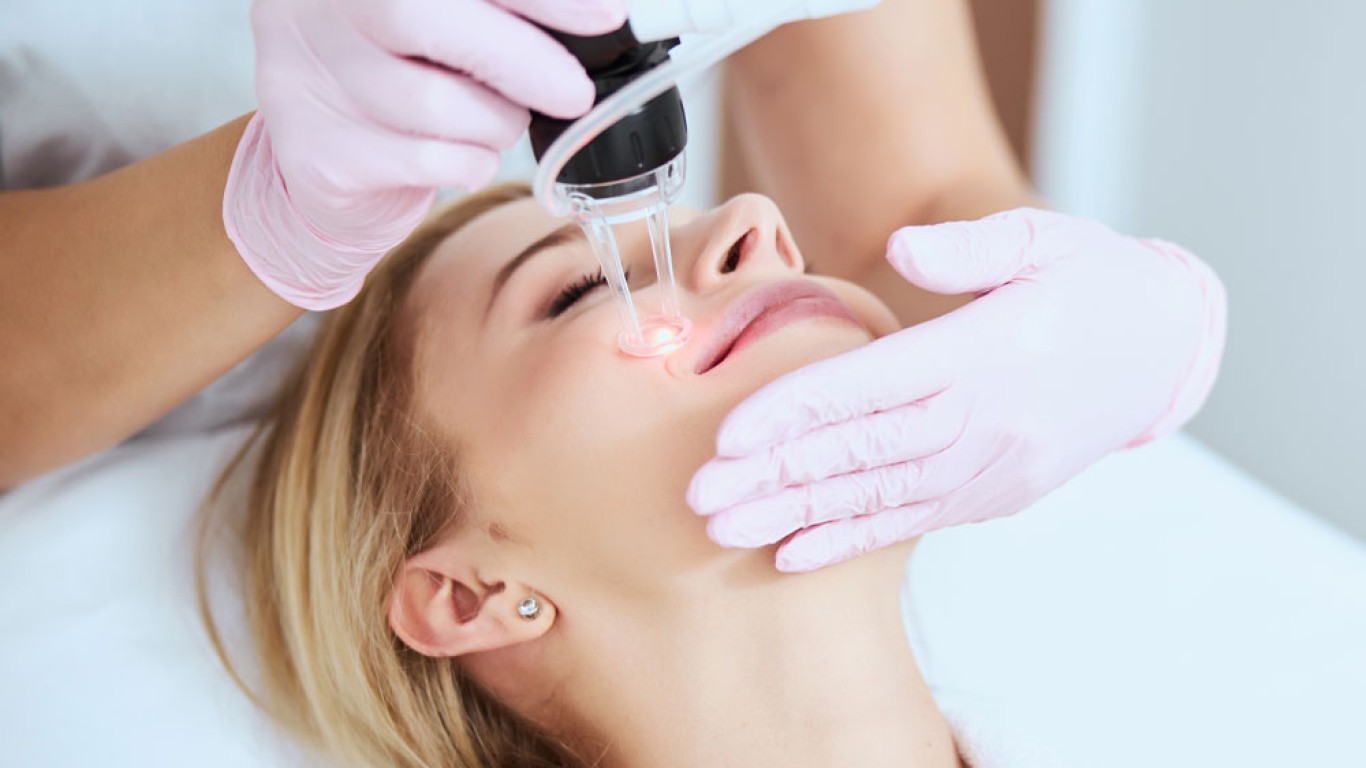
Laser treatment for pigmentation works through selective photothermolysis. The laser emits light at a wavelength that melanin absorbs more readily than surrounding tissue. This targeted absorption converts light into heat, breaking down the melanin deposits within the skin. The fragmented melanin particles are then processed and eliminated by the body's natural immune response. The surrounding skin remains largely unaffected because the wavelength is matched to melanin's absorption characteristics. Different lasers use different wavelengths to match different depths of pigmentation and different skin tones. The precision of modern laser technology makes it substantially more effective than broad-spectrum light treatments or chemical approaches for addressing established pigmentation.
Types of Laser Treatment for Pigmentation
Several laser types are used for pigmentation treatment. Each is suited to different conditions and skin tones. Q-switched Nd:YAG lasers are among the most widely used, offering dual wavelengths for both superficial and deeper pigmentation. Fractional lasers create microscopic treatment zones while leaving surrounding tissue intact, reducing downtime. Intense Pulsed Light uses broad-spectrum light to address superficial pigmentation and redness simultaneously. Picosecond lasers deliver energy in short pulses, shattering pigment more efficiently with less thermal damage. Ruby and alexandrite lasers target specific pigmentation types effectively. The choice of laser treatment for pigmentation depends on the depth and type of pigmentation. It also depends on the patient's skin tone and the level of downtime they can accept.
| Laser Type | Best For | Skin Tone Suitability | Downtime |
| Q-switched Nd:YAG | Sun spots, melasma, tattoos | All skin tones | Minimal |
| Picosecond laser | Stubborn pigmentation, melasma | Most skin tones | Minimal to mild |
| Fractional laser | Diffuse pigmentation, texture | Light to medium | Moderate |
| IPL | Superficial sun damage, redness | Light to medium | Minimal |
| Ruby / Alexandrite | Freckles, age spots | Lighter skin tones | Minimal to mild |
Which Pigmentation Conditions Respond to Laser Treatment?
Different pigmentation conditions respond to laser treatment with varying degrees of success. Solar lentigines, commonly called sun spots, typically respond very well to a single treatment session. Freckles also respond quickly though they may return with further sun exposure. Post-inflammatory hyperpigmentation responds well but requires patience as multiple sessions are often needed. Melasma is the most complex condition to treat with a laser. This is because it involves deeper and more diffuse melanin activity. Melasma requires careful laser selection, conservative settings and a combination approach often including topical treatments alongside laser sessions. Patients should understand realistic expectations for their specific condition before beginning laser treatment for pigmentation.
What to Expect During Laser Treatment for Pigmentation
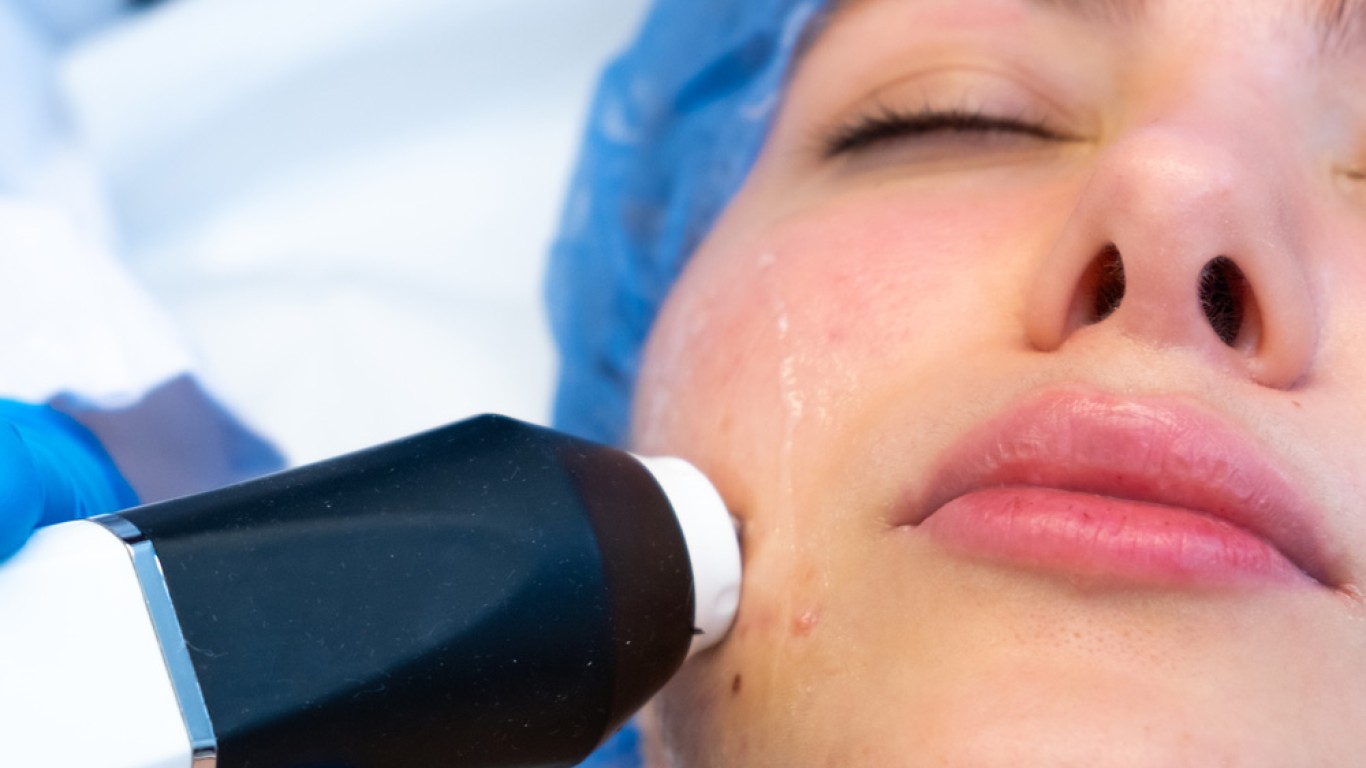
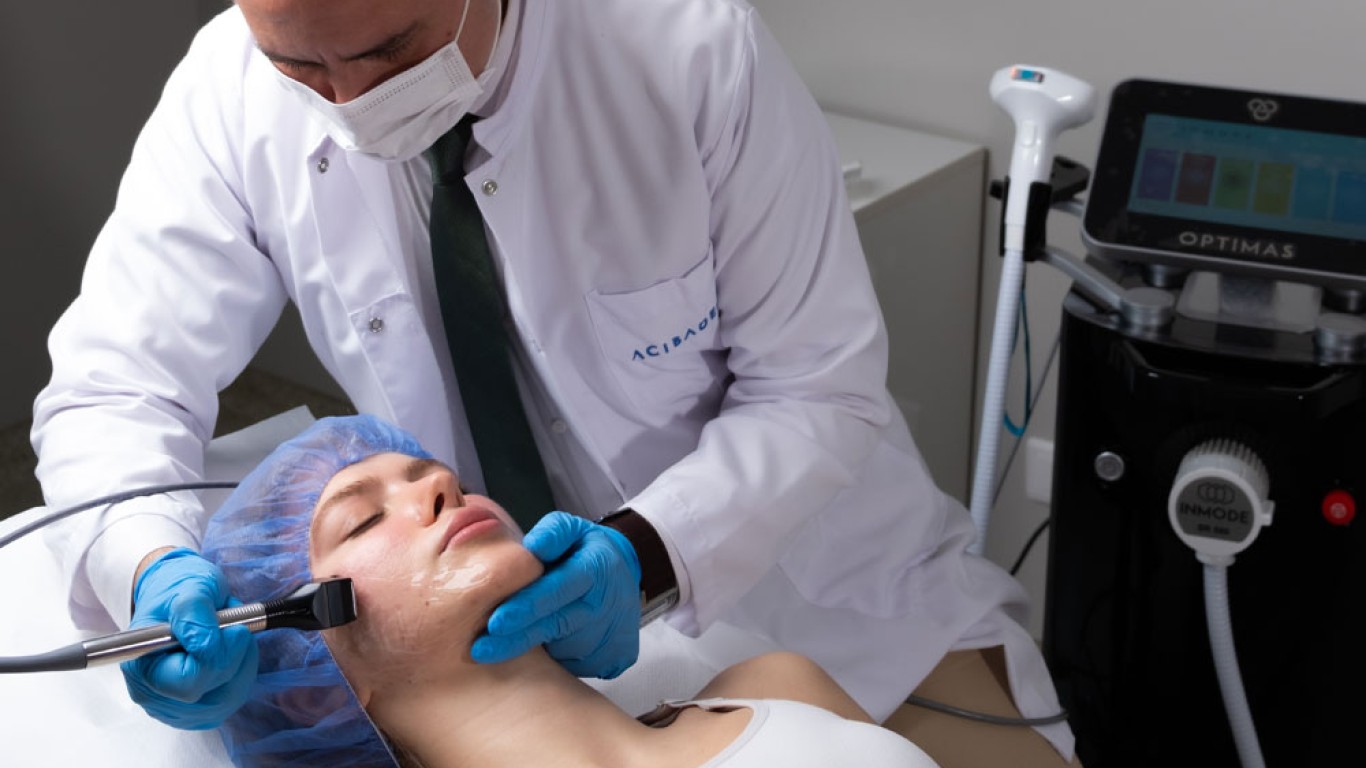
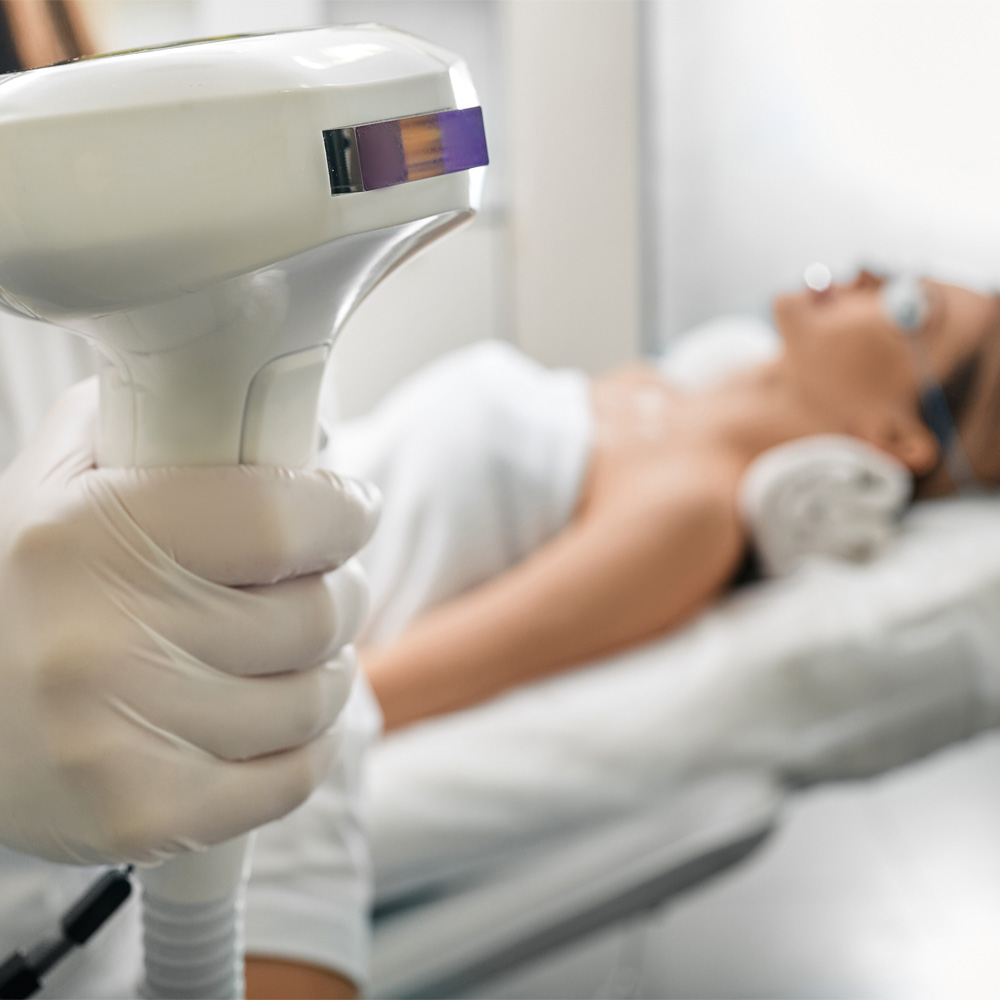
The treatment experience varies depending on the laser technology used. A consultation and skin assessment always precede treatment. The practitioner evaluates the type, depth and extent of pigmentation, skin tone and medical history. A topical anaesthetic cream may be applied thirty to sixty minutes before the session. During treatment, most patients experience a warm stinging or snapping sensation with each laser pulse. The session typically lasts twenty to forty-five minutes depending on the treatment area. Immediately after laser treatment for pigmentation, the skin may appear red and slightly raised. This is a normal response indicating that the melanin deposits have been targeted. Cold compresses are applied after the session to calm the skin.
Results and Recovery After Laser Pigmentation Treatment
Recovery from laser treatment for pigmentation is typically straightforward. After treatment, targeted spots darken initially before flaking away over seven to fourteen days. This darkening is called oxidation, indicating the melanin is rising to the surface before shedding. The skin beneath appears clearer. Redness typically resolves within a few days. Sun protection is essential during and after recovery to prevent stimulating further melanin production. Treated areas are more sensitive to UV exposure than untreated skin. Foundation can usually be applied after forty-eight to seventy-two hours. Most patients see clear improvement after one to three sessions for superficial pigmentation. Melasma typically requires more sessions and ongoing maintenance. The final result develops progressively over several weeks as the skin renews.
How Many Sessions Are Needed?
The number of sessions required varies significantly between patients and pigmentation types. Superficial sun spots and freckles often respond within one to two sessions. Post-inflammatory hyperpigmentation typically requires three to six sessions spaced four to six weeks apart. Melasma treatment involves an extended programme of six or more sessions combined with topical treatments. Deeper dermal pigmentation requires more sessions regardless of the laser used. Age and skin condition also influence the number of treatments needed. The practitioner assesses response after each session and adjusts the programme accordingly. Regular maintenance sessions may be recommended for conditions prone to recurrence. Patients should commit to the full recommended programme for laser treatment for pigmentation to achieve optimal results.
Who Is a Good Candidate for Laser Pigmentation Treatment?
Good candidates for laser treatment for pigmentation share several characteristics. They have clearly identified pigmentation concerns that have been assessed by a qualified practitioner. Their skin tone is compatible with the laser technology being used. This is because certain lasers carry higher risks on darker skin tones. They are not pregnant, and have not used isotretinoin within the previous six months. There should be commitment to consistent sun protection before and after treatment. There should be an understanding that results depend on pigmentation type, possibly requiring multiple sessions. Ideal candidates are not seeking laser treatment for pigmentation during active skin inflammation or infection. A thorough consultation ensures each patient is assessed individually and the most appropriate laser technology is selected for their specific concerns and skin type.
Laser Pigmentation Treatment at ACIBADEM
ACIBADEM Beauty Center offers advanced laser treatment for pigmentation using state-of-the-art technology and experienced specialists. Each patient receives a thorough skin assessment before any laser treatment begins. The clinic uses multiple laser platforms to match the most appropriate technology to each patient's specific pigmentation type and skin tone. Treatment plans are personalised rather than standardised. Patients receive detailed aftercare guidance and sun protection recommendations.
Conclusion
Laser treatment for pigmentation is one of the most effective ways to address sun damage, age spots, melasma and post-inflammatory marks. Modern laser technologies target melanin precisely, delivering results that topical treatments alone cannot achieve. The choice of laser depends on the type and depth of pigmentation. It’s also vital to consider the patient's skin tone and the desired recovery time. Results develop progressively over several weeks and multiple sessions are often required. Sun protection is essential throughout the treatment programme. Realistic expectations based on the specific pigmentation condition guide a satisfying outcome. Professional consultation with an experienced dermatology practitioner is the essential first step toward clearer, more even skin through laser treatment for pigmentation.
For more information and to book a consultation visit the ACIBADEM Beauty Center Aesthetics page.
Frequently Asked Questions
It uses targeted light energy to break down melanin deposits, which the body then naturally eliminates.
One to two for superficial spots; three to six or more for melasma and deeper pigmentation.
Some lasers are safer than others on darker tones; the practitioner selects the appropriate technology after assessment.
Treated spots darken and flake over seven to fourteen days; redness resolves within a few days.
Consistent sun protection and avoiding active sun exposure are essential throughout the treatment period.