Ataşehir Mah. Feza Sk. No:3 İstanbul / Türkiye
 French
  English
  German
  Spanish
Introduction
The button nose is one of the most consistently requested shapes in rhinoplasty consultations worldwide. The shape is characterised by its small, rounded tip and compact overall proportions. It sits neatly at the centre of the face without drawing excessive attention. Many patients describe it as delicate, youthful and feminine. It appears regularly in the inspiration photographs patients bring to surgical consultations. Understanding what defines this particular nose shape helps patients communicate their goals more effectively with their surgeon. This article explains the key features of a button nose and what surgical and non-surgical options exist for patients seeking this popular aesthetic outcome.
What Defines a Button Nose?
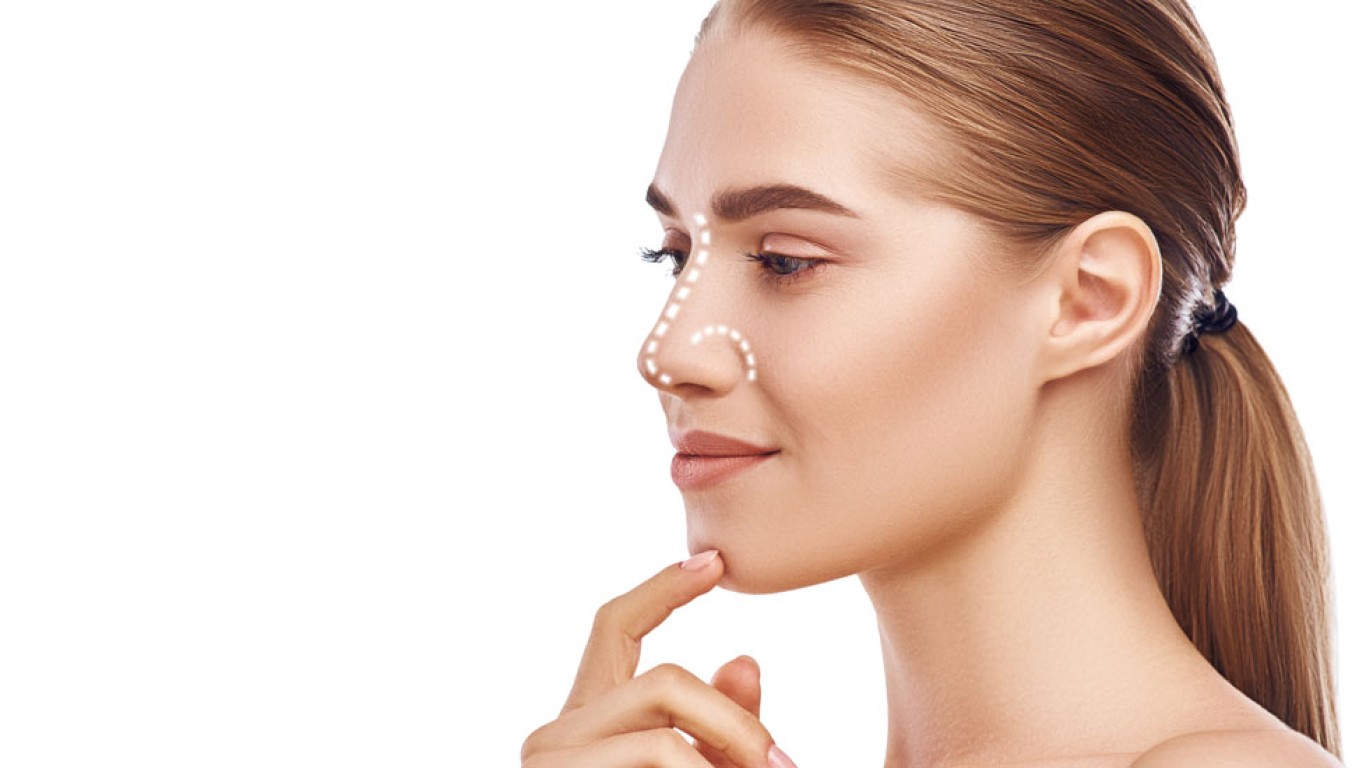
A button nose is a small, rounded nose with a slightly upturned or straight tip. Ideally it sits proportionally on the face without projecting prominently. The term comes from the nose's resemblance to a small, neat fastening. The nostrils are compact rather than wide. Bridge is typically low to medium in height with no prominent hump. The tip is well-defined yet soft, creating a rounded impression rather than a sharp or angular one. The overall size is smaller relative to the face than average. A button nose tends to suit finer facial features. It also creates a sense of youthful facial harmony. It is one of the most cited reference shapes during rhinoplasty planning conversations.
Button Nose Characteristics: Key Features at a Glance
Several specific features distinguish this nose shape from other types. The tip is rounded and gently upturned rather than drooping downward or projecting sharply forward. Nasal bridge is either straight or softly sloped. The nostrils are symmetrical and compact. The columella, which is the tissue strip between the nostrils, sits at a natural angle rather than sagging. Overall length from bridge to tip is shorter than average. The nose does not draw the eye across the face. Instead, it blends quietly into the overall facial composition. These combined features produce the characteristic neatness and delicacy that define the shape. Achieving all of them simultaneously through surgery requires a thorough pre-operative plan. Patients should seek a surgeon with strong experience in tip refinement and proportional balancing.
| Feature | Button Nose | Aquiline Nose | Snub Nose |
| Tip shape | Rounded, soft, upturned | Defined, forward-projecting | Upturned, broader |
| Bridge height | Low to medium, no hump | High with downward curve | Low, flat |
| Overall size | Small and compact | Larger and prominent | Small |
| Common association | Feminine, youthful | Strong, classical | Casual, relaxed |
Why Is a Button Nose Considered Attractive?
The appeal of this nose shape is rooted in its relationship to the surrounding face. A compact, rounded nose does not dominate the face. This allows the eyes, lips and cheekbones to take centre stage. This quality of visual restraint is widely associated with facial harmony and balance. The upturned tip adds a sense of lightness and youth. Many people associate a button nose with approachability and softness rather than severity. Cultural influences including celebrity appearances have reinforced its popularity across different ethnicities and age groups. Its subtlety is perhaps its greatest asset. Unlike more prominent shapes, it enhances the overall face rather than competing with other features. This makes it one of the most universally appealing shapes across a wide range of facial types and structures.
Button Nose Rhinoplasty: What the Surgery Involves
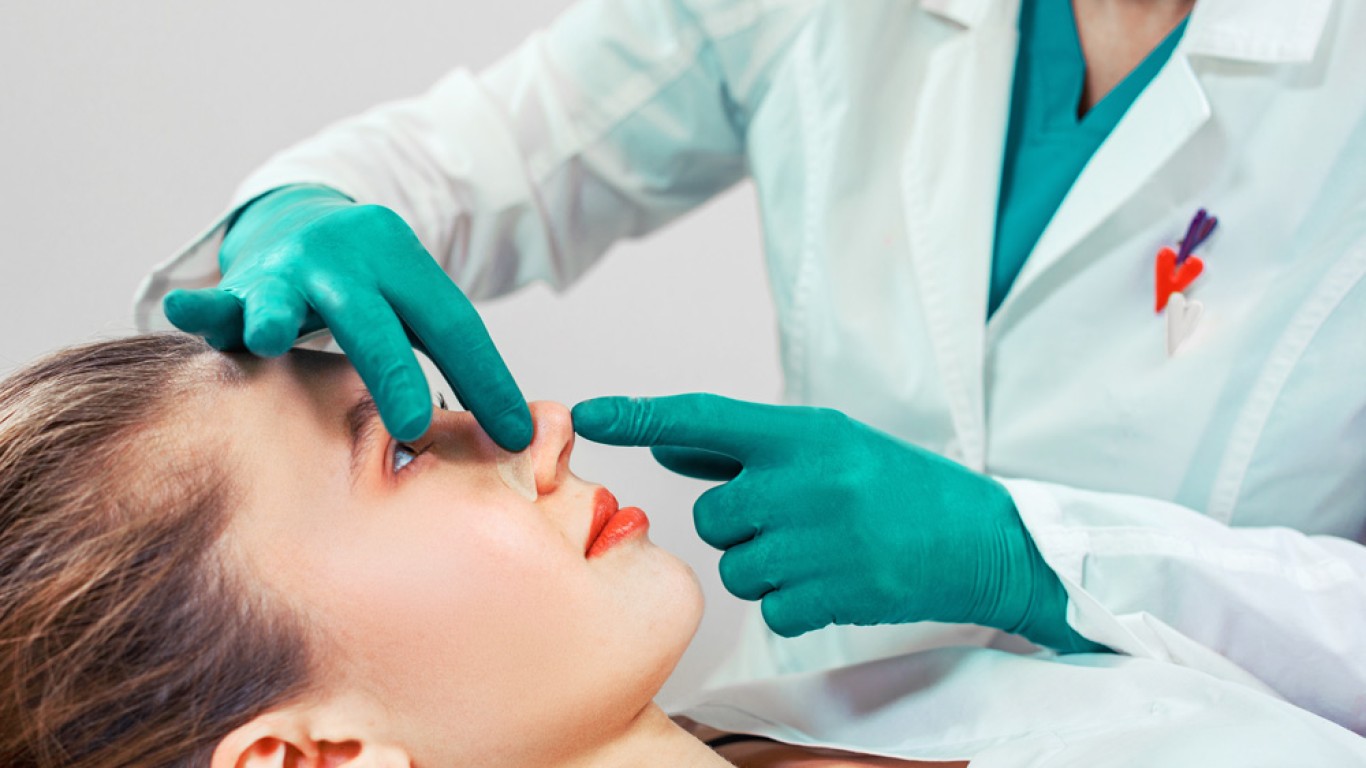
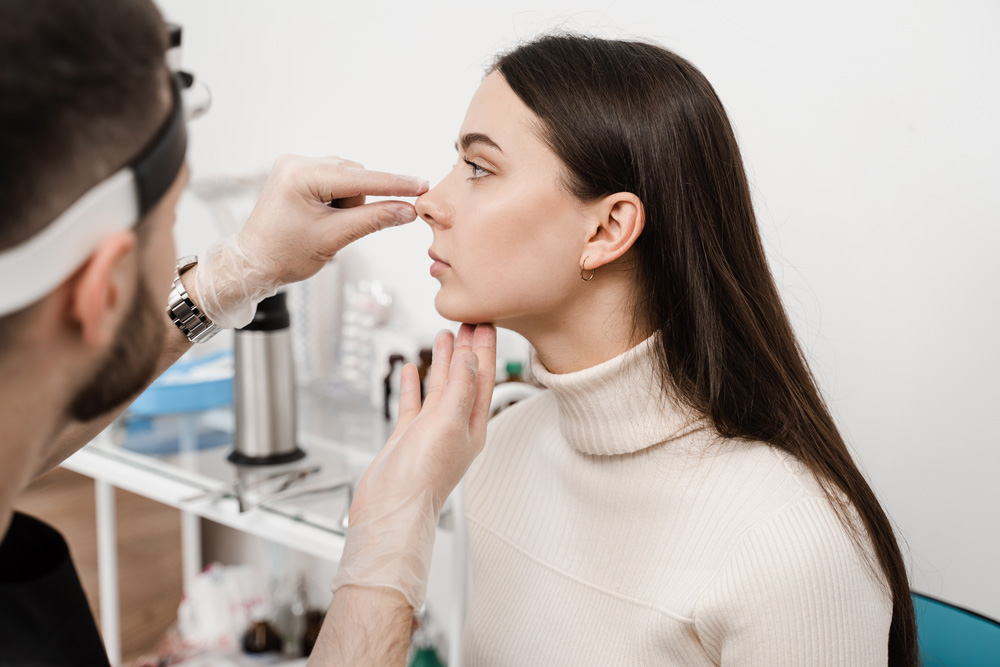
Rhinoplasty to achieve this nose shape typically centres on tip refinement. The surgeon reshapes the cartilage at the nasal tip. This creates the characteristic rounded, slightly upturned appearance. If the nose is too long, the surgeon may shorten it by adjusting the lower cartilages. If the bridge carries a hump, this is reduced through rasping or osteotomy. The nostrils may be narrowed if they are wider than the desired outcome. Closed rhinoplasty using internal incisions may suit less complex cases. Open rhinoplasty provides greater access for more significant reshaping work. The procedure typically takes one to three hours under general anaesthesia. Most patients stay one night in the facility before discharge. Recovery follows a predictable pattern over several weeks, with final results developing gradually over twelve to eighteen months.
Who Is a Suitable Candidate?
Good candidates for this procedure share several characteristics. They have realistic expectations about what surgery can achieve based on their individual nasal anatomy. They should not expect a perfect replica of another person's button nose. Their nose is fully developed, which typically means they are at least 17-18 years old. Ideal patients are in good overall health without conditions that significantly impair healing. You should be a non-smoker or willing to stop well before and after surgery. Also, you should be making the decision for yourself rather than due to external pressures. Patients with larger, wider or more projected noses can achieve meaningful improvement through rhinoplasty. However, starting anatomy, skin thickness and ethnic nasal characteristics all influence how closely a surgical result can approximate any reference shape, including this one.
Natural vs Surgically Achieved Button Nose Results
There are meaningful differences between a naturally occurring button nose and one achieved through surgery. A naturally occurring version develops as part of the overall facial structure. It tends to blend seamlessly with surrounding features. Surgery aims to replicate these characteristics but must work within each patient's existing anatomy. Skin thickness has a significant impact on how refined the tip appears after surgery. Thicker skin softens and obscures cartilage definition, while thinner skin reveals it more clearly. Patients with thicker skin may find that their result appears less sharply refined than the reference photographs they brought to consultation. This is not a failure of technique but a biological reality. Discussing these factors openly during consultation leads to more realistic expectations.
Recovery and What to Expect
Recovery from rhinoplasty follows a predictable timeline regardless of the specific goals. The first week involves the most visible swelling and bruising. A nasal splint is worn throughout this period and removed at approximately the one-week mark. Most patients take seven to ten days off work. By the second week, significant improvement is visible and light social activities can usually resume. Weeks three to four see swelling reduce further. The nose looks dramatically better at one month even though refinement continues. Sun protection and avoiding impact activities for six weeks are important aftercare considerations. Final results develop gradually over twelve to eighteen months as deep swelling resolves completely. The nasal tip is typically the last area to fully refine and soften into its final shape.
Choosing the Right Surgeon for Button Nose Surgery
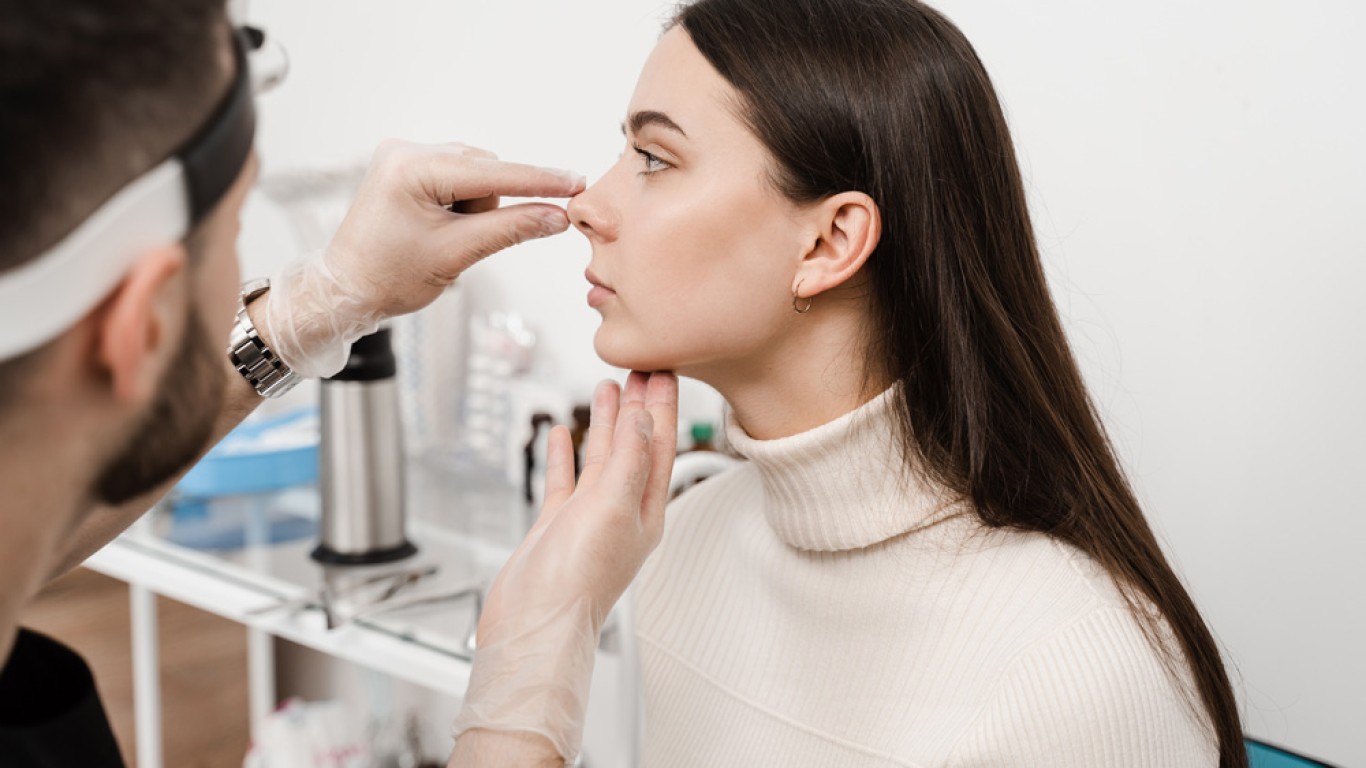
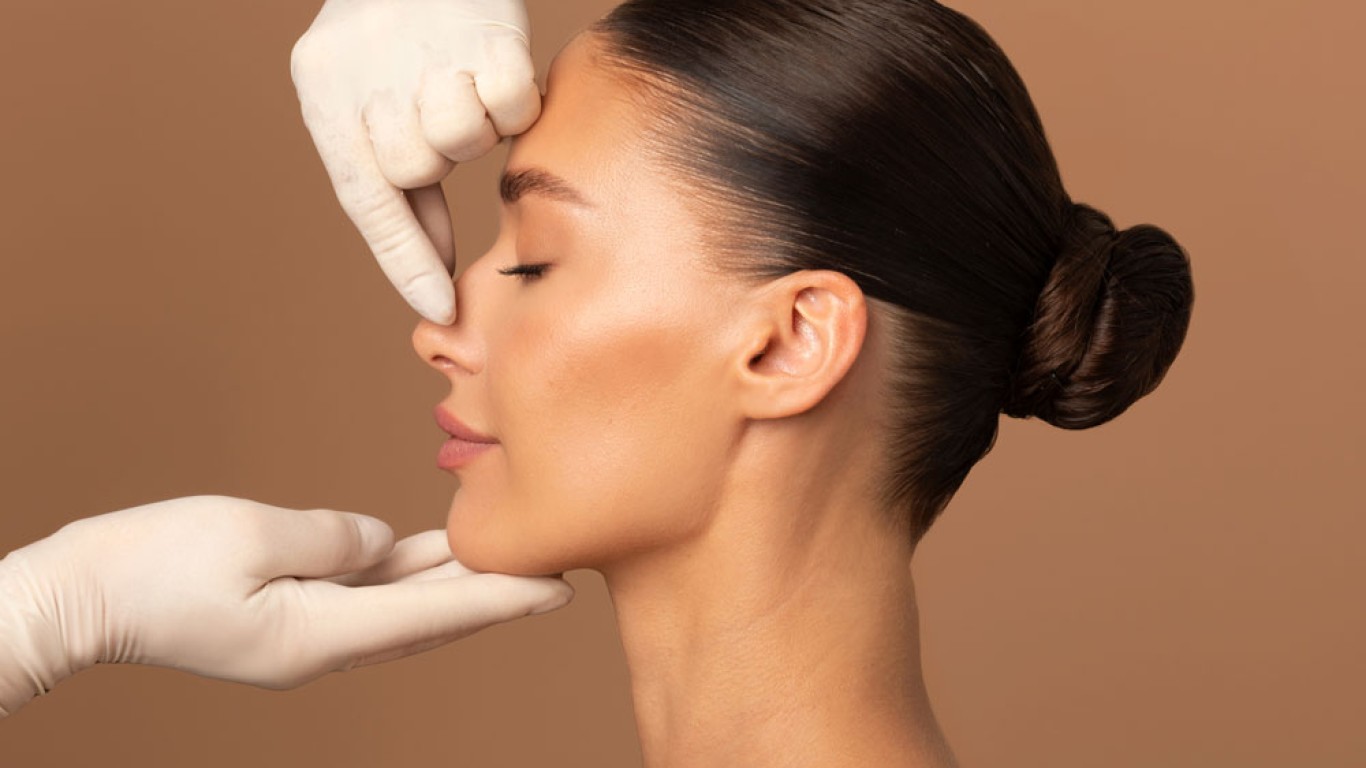
Selecting the right surgeon is the most important decision in this process. The surgeon should hold appropriate board certification in surgery with specific rhinoplasty experience. Before and after photographs of previous patients should demonstrate consistent skill in tip refinement. The consultation should feel thorough, with the surgeon explaining clearly what is and is not achievable based on the individual's anatomy. Three-dimensional simulation imaging helps patients visualise likely outcomes before committing to surgery. The surgeon should be honest about limitations rather than agreeing to deliver any requested shape.
Conclusion
The button nose is defined by its small, rounded, gently upturned tip and compact proportions. It is widely considered attractive because it creates facial harmony without competing with other features. Rhinoplasty can help patients move toward this shape. However, results always depend on individual anatomy, skin thickness and the skill of the surgeon. Good candidates understand that the goal is a nose that suits their unique face rather than a copy of a specific reference image. Recovery follows a predictable timeline, with final results visible at twelve to eighteen months. Choosing an experienced rhinoplasty surgeon with a proven aesthetic track record is the most important step.
For more information and to book a consultation visit the ACIBADEM Beauty Center Rhinoplasty page.
Frequently Asked Questions
A button nose is a small, compact, rounded nose with a slightly upturned or straight tip that creates a sense of neatness and facial harmony.
Yes, rhinoplasty can reshape the tip cartilage and overall nasal structure to move toward this shape, though results depend on the individual's starting anatomy.
Yes. Thicker skin can limit how defined and refined the tip appears, while thinner skin allows more cartilage detail to show through after surgery.
Initial recovery takes seven to ten days. Swelling continues to reduce over several months, with final results fully visible at twelve to eighteen months.
Patients who are fully developed, in good health and non-smokers.