Ataşehir Mah. Feza Sk. No:3 İstanbul / Türkiye
 French
  English
  German
  Spanish
Introduction
The barbie nose vs snub nose comparison has become increasingly popular as patients research rhinoplasty options. Both shapes are frequently requested during nose surgery consultations. Each has distinctive characteristics that create different aesthetic effects. Social media has amplified interest in specific nose shapes. Today, patients often bring reference images to their appointments. Understanding the differences between a barbie nose vs snub nose helps patients communicate their goals. This article explains what defines each nose shape, how rhinoplasty creates them and what factors surgeons consider when recommending one over the other based on individual facial anatomy and proportions.
What Defines a Barbie Nose?
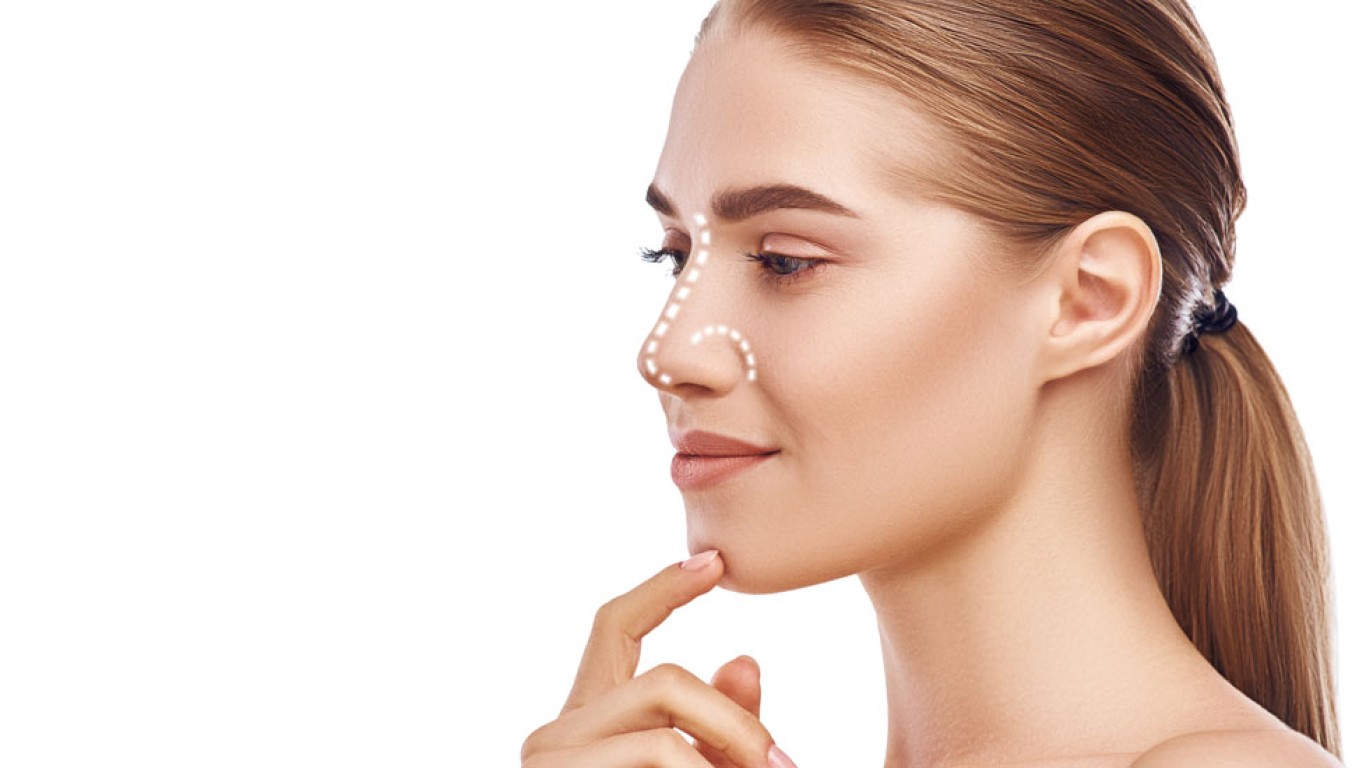
Barbie nose features a specific set of characteristics that create a delicate, refined appearance. The bridge is narrow, straight and smooth without any bumps or irregularities. The tip is small, slightly upturned and sharply defined. Overall size is petite relative to the face. The nostrils are narrow and symmetrical. The profile shows a gentle slope with a slight upturn at the tip. Barbie nose vs snub nose distinction begins with this level of definition. The barbie nose is named for the idealised proportions associated with the classic doll. The shape is characterised by precision and symmetry. It creates a polished, refined facial appearance that many patients find attractive. The barbie nose represents one end of the rhinoplasty aesthetic spectrum.
What Defines a Snub Nose?
A snub nose features a shorter, upturned profile with softer characteristics than the barbie nose. The bridge is short and may curve gently inward creating a slight concavity. The tip is rounded and turned upward more prominently than a barbie nose. Overall appearance is cute and youthful rather than sharp and defined. The nostrils may be slightly more visible due to the upturned position. Barbie nose vs snub nose comparison highlights these fundamental differences in definition and angle. The snub nose creates a softer, more approachable aesthetic. The shape is naturally occurring for many and is associated with youthful, friendly facial characteristics. Some patients seek the snub nose specifically for its less sculpted, more natural appearance.
Barbie Nose vs Snub Nose: Visual Differences
Barbie nose vs snub nose comparison reveals several key visual differences. The barbie nose bridge is straight and narrow while the snub nose bridge is shorter and may have a gentle curve. Barbie nose tip is sharply defined and only slightly upturned. The snub nose tip is rounder and more prominently upturned. Barbie nose creates a more angular, polished profile. The snub nose creates a softer, more casual profile. From the front, the barbie nose appears narrow and symmetrical. The snub nose appears wider at the tip with more nostril visibility. The barbie nose vs snub nose visual comparison helps patients identify which aesthetic they prefer. Reference photographs ensure the surgeon understands the specific version of either shape the patient desires.
How Rhinoplasty Creates a Barbie Nose
Creating a barbie nose through rhinoplasty requires precise surgical techniques. The bridge must be narrowed and straightened to create the clean, defined line. Any humps or bumps are removed through careful bone and cartilage reduction. The tip cartilages are refined extensively to create the small, defined, slightly upturned tip characteristic of the barbie nose. Suture techniques narrow and project the tip precisely. The nostrils may be narrowed through alar base reduction. Barbie nose vs snub nose surgery differs most significantly in the degree of tip refinement. The barbie nose demands greater precision because the sharp definition must look natural, not pinched. Over-refinement risks creating an obviously surgical appearance. Achieving the barbie nose requires a surgeon with strong aesthetic judgement alongside technical skill.

How Rhinoplasty Creates a Snub Nose
Creating a snub nose through rhinoplasty involves different techniques than the barbie nose. The bridge may be shortened or depressed slightly to create the characteristic gentle curve. The tip is rotated upward more significantly than for a barbie nose. Cartilages are adjusted to maintain a rounded rather than sharply defined shape. Surgeons preserve more of the natural tip fullness rather than extensively refining it. The barbie nose vs snub nose creation process differs primarily in the degree of tip rotation and the balance between definition and softness. Creating a natural-looking snub nose requires restraint in refinement. Over-rotation of the tip creates an unnatural piggy nose appearance. The surgeon must achieve the upturned position while maintaining harmony of facial proportions.
Barbie Nose vs Snub Nose: Facial Suitability
Facial suitability is the most important consideration in the barbie nose vs snub nose decision. The barbie nose tends to complement faces with defined, angular features. Strong cheekbones, a defined jawline and balanced facial proportions harmonise well with the precise lines of the barbie nose. Longer faces often suit the narrow barbie nose bridge well. The snub nose tends to complement softer, rounder facial features. Heart-shaped and round faces often harmonise with the gentle curves of the snub nose. Petite facial structures can carry the shorter snub nose proportionally well. The barbie nose vs snub nose suitability assessment requires careful evaluation during consultation. The surgeon analyses facial proportions to advise which shape will create the most harmonious overall appearance . They do not simply look at the nose in isolation.
Barbie Nose vs Snub Nose: Skin Type Considerations
Skin type significantly influences the achievability of each shape in the barbie nose vs snub nose comparison. Thin skin drapes closely over reshaped cartilage, revealing fine details clearly. Both barbie nose and snub nose shapes can be achieved with precision in thin-skinned patients. The sharp definition of the barbie nose shows particularly well through thin skin. Thicker skin is more challenging for both shapes but affects the barbie nose more significantly. The fine tip definition required for the barbie nose may be obscured by thick skin. This can produce a softer result than intended. Snub nose is less affected by thick skin because the rounded shape is more forgiving. The surgeon assesses skin thickness during consultation. Barbie nose vs snub nose recommendations often depend partly on how well the individual’s skin will display the intended shape.
Recovery and Results
Recovery is similar regardless of whether a barbie nose or snub nose is the goal. The rhinoplasty recovery timeline follows the same predictable stages. Swelling and bruising peak during the first week. The nasal splint is removed at approximately day seven. Most patients return to work within ten to fourteen days. Residual swelling continues to resolve over several months. The tip is the last area to settle for both barbie nose vs snub nose outcomes. Final results develop between twelve and eighteen months. The tip refinement required for the barbie nose may take slightly longer to reveal its final definition as the last swelling resolves. Both shapes refine progressively throughout the healing period. Patience during recovery is essential for satisfaction with either barbie nose vs snub nose rhinoplasty results.
Choosing a Surgeon for Barbie or Snub Nose Rhinoplasty
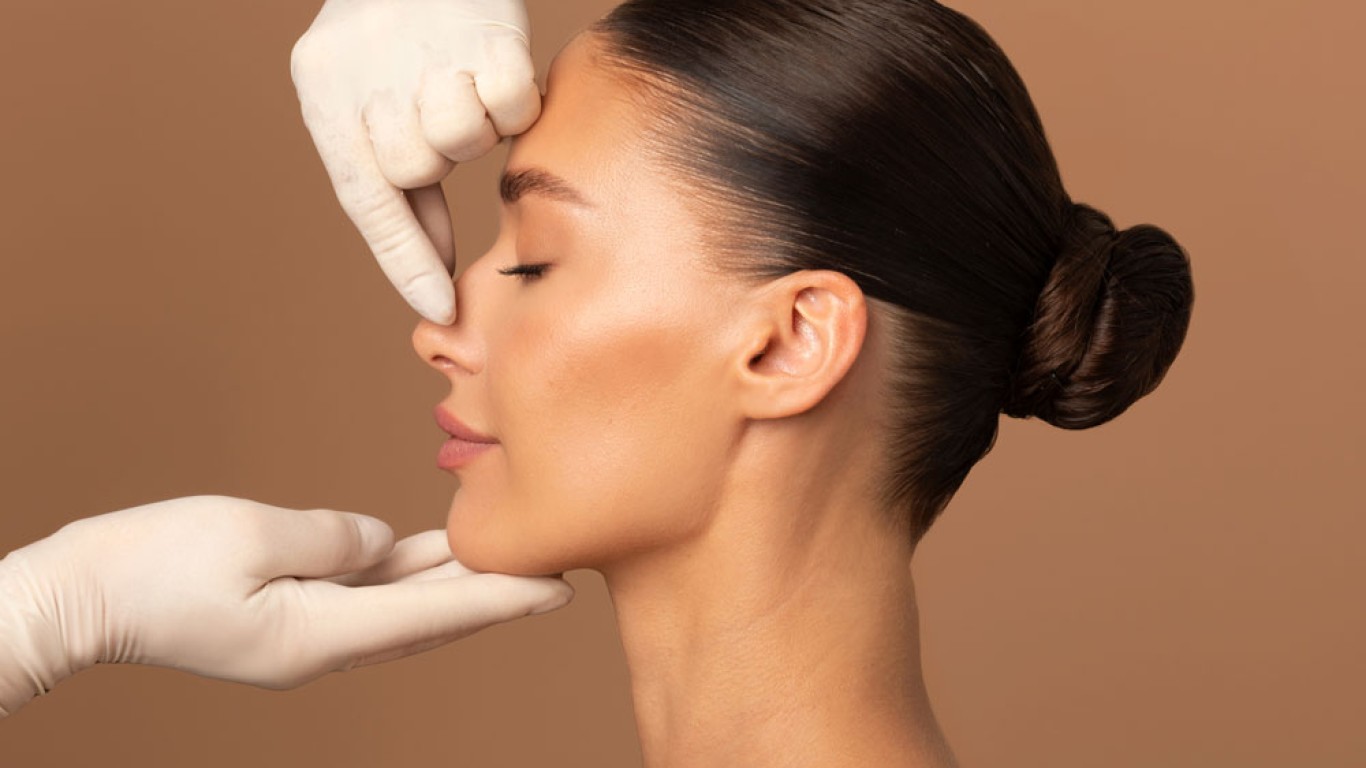
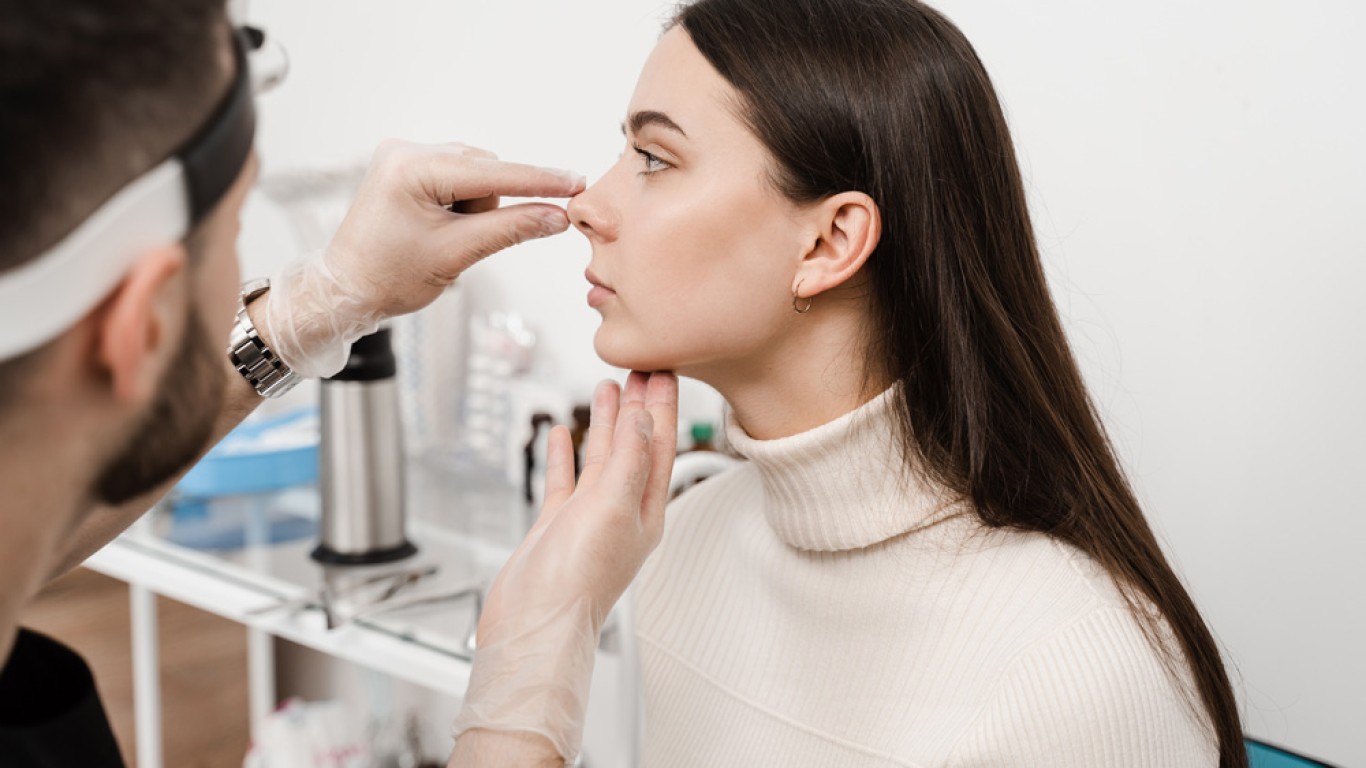
Choosing the right surgeon is essential for achieving either barbie nose vs snub nose goals. The surgeon should be board certified in plastic surgery with extensive rhinoplasty experience. Before and after photographs should demonstrate natural-looking results for the specific shape desired. A surgeon whose portfolio shows consistent barbie nose results may not be the best choice for a snub nose and vice versa. The consultation should evaluate facial proportions carefully and provide honest guidance about which shape suits the individual. Digital imaging can preview both options.
Conclusion
The barbie nose vs snub nose comparison highlights two popular rhinoplasty aesthetics with distinct characteristics. The barbie nose offers a narrow, defined, slightly upturned profile while the snub nose provides a shorter, rounder, more prominently upturned appearance. Each suits different facial types and personal preferences. Rhinoplasty can create either shape through specific surgical techniques. Skin thickness, existing anatomy and facial proportions all influence what is achievable. Realistic expectations based on individual anatomy rather than filtered social media images support the most satisfying outcomes. Professional consultation determines which shape harmonises best with individual facial features. The barbie nose vs snub nose decision benefits from experienced surgical guidance for the most natural and balanced rhinoplasty result.
For more information on rhinoplasty and to book a consultation visit the ACIBADEM Beauty Center website.
Frequently Asked Questions
Barbie nose is narrow and sharply defined; snub nose is shorter and rounded with more upturn.
Facial proportions determine suitability; a surgeon evaluates this during consultation.
Yes, thicker skin may limit the fine definition achievable for a barbie nose.
Final rhinoplasty results develop over twelve to eighteen months.
Anatomy limits what is achievable; the surgeon advises on realistic options.