Ataşehir Mah. Feza Sk. No:3 İstanbul / Türkiye
 French
  English
  German
  Spanish
Introduction
Body contouring continues to evolve with both surgical and non-invasive options available. Many patients compare liposuction with non-surgical fat reduction before deciding. Both approaches aim to refine stubborn areas that resist diet and exercise. However, their techniques, timelines and visible outcomes differ significantly. Understanding these differences helps set realistic expectations and supports confident decision making.
How Liposuction Removes Fat Cells
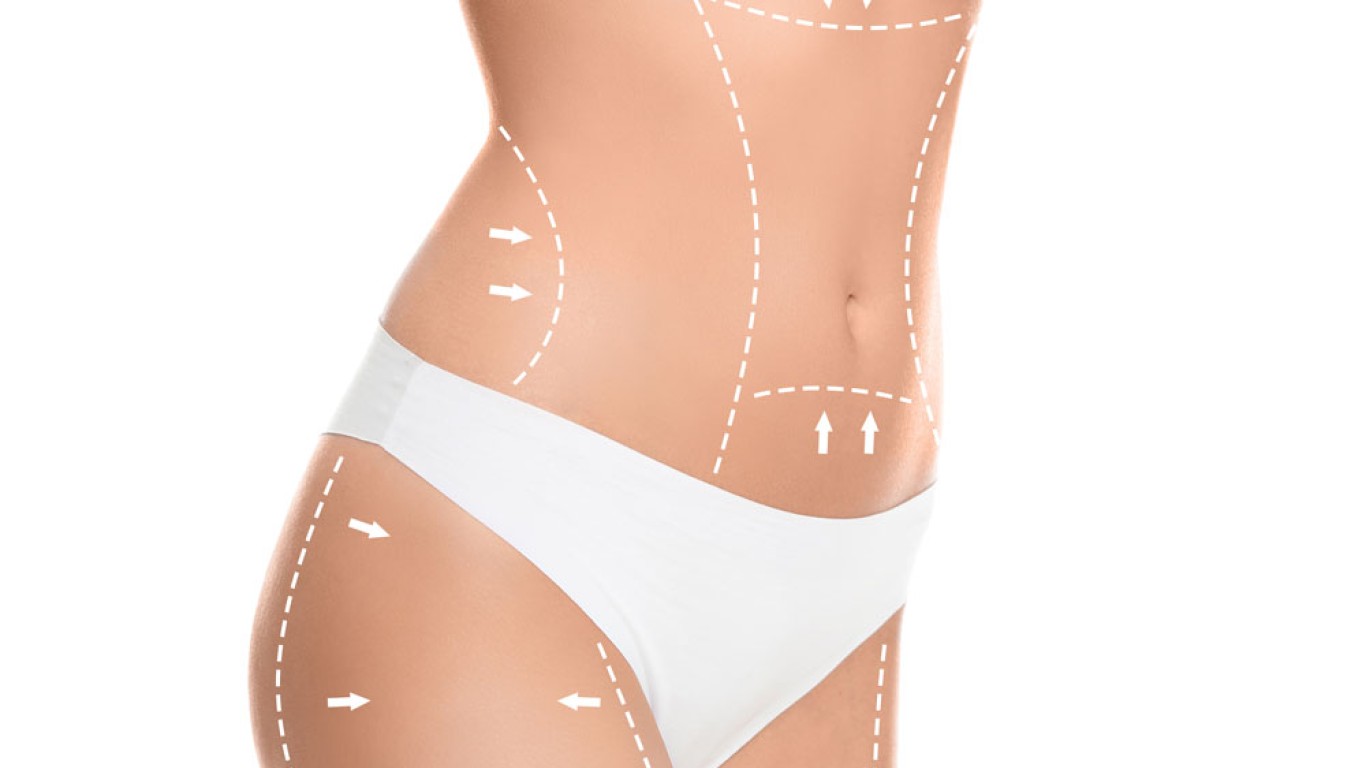
Liposuction is a surgical procedure designed to remove fat directly. Small incisions allow insertion of a thin cannula beneath the skin. The surgeon loosens and suctions fat from targeted areas. Because fat cells are physically extracted, contour change is immediate. Swelling may initially obscure definition, but volume reduction is visible once healing progresses. Liposuction can address moderate to larger fat deposits effectively. It is particularly suited for reshaping the abdomen, flanks and thighs with precision.
How Non-Surgical Fat Reduction Works
Non-surgical fat reduction relies on energy-based technologies rather than incisions. Methods may use cooling, heat or ultrasound to disrupt fat cells selectively. The treated cells gradually break down and are processed naturally by the body. Non-surgical fat reduction does not remove fat instantly. Instead, results develop gradually over several weeks. This approach suits individuals with smaller, localised pockets rather than significant volume concerns. The improvement is typically subtle and progressive.
Liposuction vs Non-Surgical Fat Reduction: Comparing Immediate Versus Gradual Results
One major distinction between treatments is the speed of visible change. Liposuction produces structural reduction immediately, even though swelling must resolve before final definition appears. Non-surgical fat reduction requires patience. The body needs time to eliminate treated fat cells. Visible contour refinement usually appears between six and twelve weeks. Patients seeking quicker transformation may prefer surgical intervention, while those comfortable with gradual improvement often choose non-invasive options.
Liposuction vs Non-Surgical Fat Reduction: Degree of Contour Change
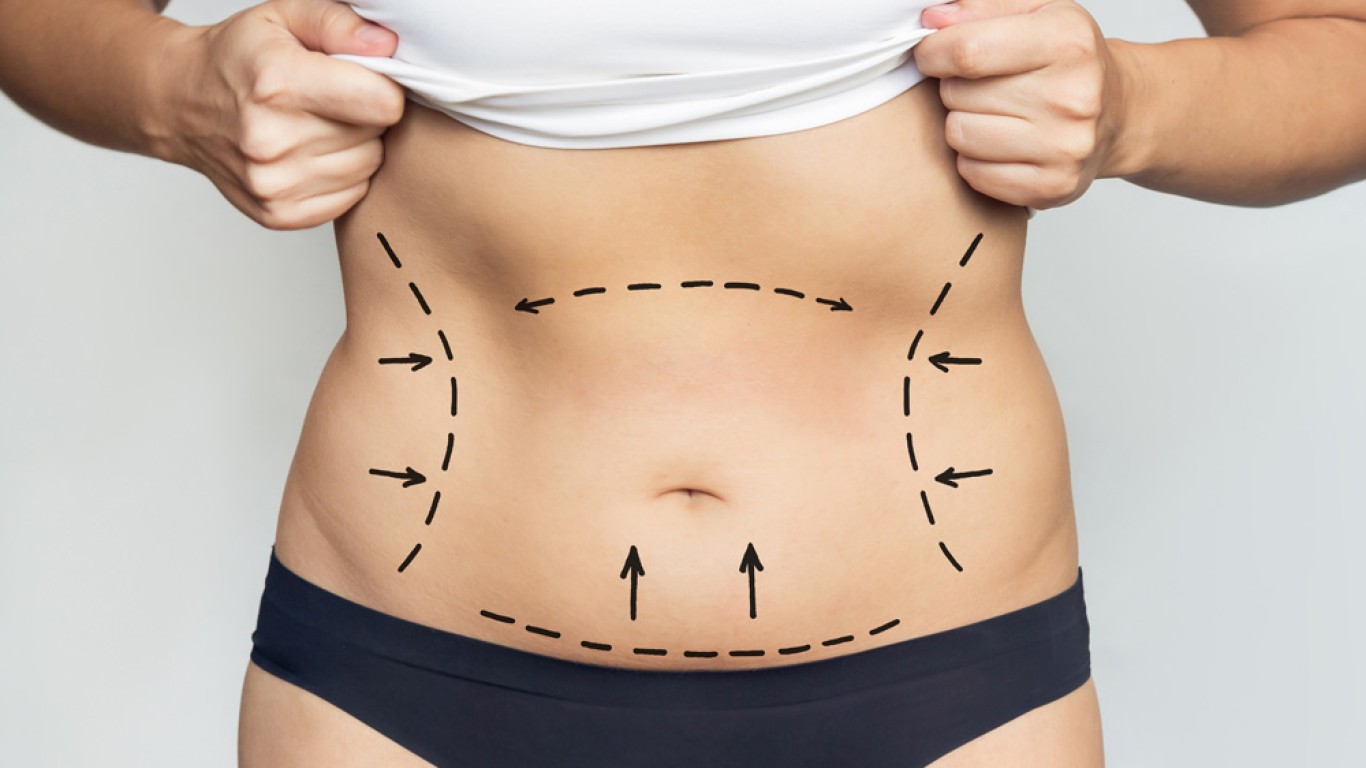
Liposuction can remove a larger volume of fat in one session. This makes it suitable for reshaping broader zones and creating more dramatic contour improvement. Skilled technique ensures smooth transitions between treated and untreated areas. Non-surgical fat reduction typically produces milder changes. Each session reduces a percentage of fat cells in the treated area. Multiple sessions may be required for noticeable improvement. The outcome is often refinement rather than reshaping.

Liposuction vs Non-Surgical Fat Reduction: Recovery and Downtime Differences
Recovery expectations differ significantly. Liposuction involves swelling, compression garment use and short term activity restrictions. Most patients resume normal routines within weeks, but healing continues internally for months. Non-surgical fat reduction usually requires little to no downtime. Mild redness or tenderness may occur temporarily. Many patients return to work the same day. The convenience of minimal recovery appeals to those with busy schedules.
Liposuction vs Non-Surgical Fat Reduction: Skin Tightening and Surface Effects
Liposuction primarily removes fat but does not significantly tighten skin. Skin retraction depends on natural elasticity. Younger patients with firmer skin often experience smoother adaptation. Some non-surgical fat reduction technologies combine fat disruption with collagen stimulation. This can improve mild skin laxity. Patients concerned about both volume and firmness may benefit from discussing combination strategies during consultation.
Liposuction vs Non-Surgical Fat Reduction: Long Term Stability of Results
Both procedures target fat cells directly. Once removed or eliminated, these specific cells do not regenerate. Maintaining stable weight supports long term contour consistency. However, remaining fat cells can enlarge with weight gain. Long term success depends on lifestyle balance. Patients who maintain healthy habits typically preserve improved proportions after either treatment.
Liposuction vs Non-Surgical Fat Reduction: Suitability and Patient Selection
Liposuction is often recommended for individuals with moderate localised fat and good skin tone. It provides structured reshaping with precise control. Non-surgical fat reduction suits patients with smaller deposits who prefer avoiding surgery. It offers gradual change with minimal disruption. A personalised assessment ensures that treatment aligns with anatomy, goals and expectations.
Why Many Patients Choose Turkey for Body Contouring
Turkey has become a leading destination for aesthetic body procedures. Clinics offer advanced surgical techniques and modern non-invasive technologies. Patients benefit from detailed consultations and tailored planning. Whether choosing liposuction or non-surgical fat reduction, emphasis remains on proportion and natural contour. Structured care pathways support predictable and refined outcomes.
Treatment Precision and Sculpting Capability
One of the most important differences between surgical and energy based contouring lies in sculpting precision. Surgical removal allows the practitioner to physically reshape the treated area in real time. The surgeon can assess symmetry, depth and surface smoothness during the procedure. This hands on control supports detailed contouring, especially around the waistline, abdomen and flanks. Energy based treatments, by contrast, reduce fat more uniformly within the treated zone. While applicator placement can be adjusted carefully, the technology works across a defined surface area. Patients seeking highly defined shaping often prefer surgical refinement.
Number of Sessions Required
Treatment frequency varies significantly between approaches. Surgical contouring is usually completed in a single session. Although healing continues for weeks, the structural change occurs during that one procedure. Energy based technologies may require multiple appointments. Each session reduces a percentage of fat cells within the area. Gradual improvement builds over time rather than appearing all at once. For patients who prefer staged refinement without surgery, this progressive method can feel more manageable.
Impact on Larger Versus Smaller Fat Deposits
The volume of fat present strongly influences treatment suitability. Larger, more established deposits respond predictably to surgical removal because volume can be directly extracted. This makes it appropriate for areas such as the lower abdomen or hips where contour reshaping is significant. Smaller accumulations often respond well to non-invasive technologies. These methods are particularly effective when the goal is modest reduction rather than reshaping. Treatment planning depends on both size and distribution of the deposit.
Anaesthesia and Comfort Considerations
Comfort levels differ between the two options. Surgical contouring is performed under anaesthesia, which may be local with sedation or general depending on the extent of treatment. This ensures patient comfort during fat removal. Energy based procedures do not require anaesthesia in most cases. Sensations such as cooling pressure or mild heat may be felt during treatment. Discomfort is generally temporary and well tolerated. The absence of surgical preparation appeals to individuals who wish to avoid operating theatre settings.
Conclusion
Liposuction and non-surgical fat reduction both address stubborn fat, yet they differ in intensity and timeline. Liposuction delivers more immediate and pronounced contour change. Non-surgical fat reduction provides gradual refinement with minimal recovery. The most suitable option depends on desired results, tolerance for downtime and overall body goals. Careful consultation ensures a tailored approach that balances expectations with achievable outcomes.
For more information and to book a consultation visit the ACIBADEM Beauty Center.
Frequently Asked Questions
Liposuction shows structural change sooner, while non-surgical fat reduction develops gradually.
The treated fat cells are eliminated, but weight stability remains important.
Skin tightening depends largely on natural elasticity rather than the procedure itself.
It is best suited for smaller localised pockets.
Consultation helps determine which method aligns with your body composition and goals.