Ataşehir Mah. Feza Sk. No:3 İstanbul / Türkiye
 French
  English
  German
  Spanish
Introduction
Semaglutide has transformed how many people approach weight loss and metabolic health. Significant weight reduction often brings visible changes beyond the scale. While health benefits are prioritised, changes in body shape can raise new questions. Body contouring after semaglutide has become a common topic as patients notice loose skin or altered proportions. These changes are not unexpected but reflect how the body adapts to fat loss. Understanding what to expect helps people plan next steps confidently. This article explores common post-weight loss changes and how contouring fits into long-term goals.
How Semaglutide Changes Body Fat Distribution
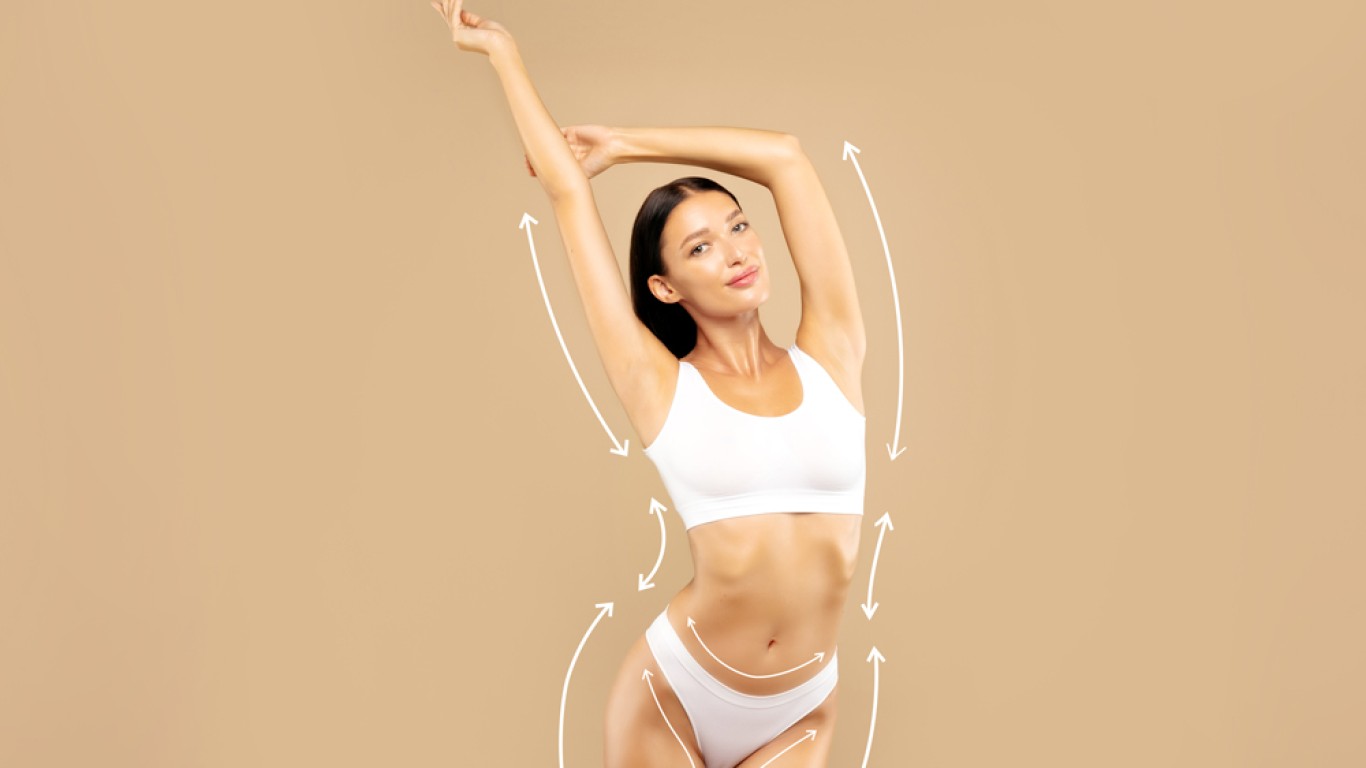
Semaglutide supports weight loss by reducing appetite and improving metabolic regulation. Fat loss occurs throughout the body rather than in targeted areas. Some regions respond faster than others. This uneven response can affect overall shape. Areas such as the abdomen, arms and thighs often lose volume quickly. The skin may not retract at the same pace. Body contouring after semaglutide often addresses these changes. The goal is not further weight loss but shape refinement. Fat distribution patterns influence which areas are most affected.
Why Loose Skin Can Appear After Weight Loss
Skin stretches over time as weight increases. When weight reduces rapidly, the skin may struggle to adjust. Elasticity varies between individuals - age, genetics, and lifestyle all play roles. After semaglutide-related weight loss, loose skin is a common concern. Body contouring after semaglutide focuses on improving firmness and proportion. Loose skin does not indicate poor results, it reflects natural tissue response. Understanding this reduces unnecessary concern.
Differences Between Fat Loss and Skin Redundancy
Fat loss and skin redundancy are related but separate issues. Semaglutide reduces fat volume effectively, but skin does not always shrink at the same rate. This mismatch creates folds or laxity. Body sculpting after semaglutide addresses skin excess rather than fat. Treatments are chosen based on tissue quality. Recognising this distinction helps clarify expectations. Fat reduction alone does not resolve skin looseness. Accurate assessment guides appropriate solutions.
Common Areas Patients Seek Body Contouring After Semaglutide
The abdomen is one of the most frequently discussed areas. Skin laxity can affect comfort and clothing fit. Arms may also appear looser, especially the upper arms. Thighs can show reduced firmness. Some patients notice changes in the chest or back. Body contouring after semaglutide is tailored to these individual concerns. Treatment planning focuses on restoring balance, and each area requires a different approach. Personal assessment guides priority areas.
Why Some Areas Respond Better Than Others
Not all body areas react equally to weight loss. The abdomen often shows the most change. Arms and thighs may retain laxity longer. Skin thickness varies by region. Body contouring after semaglutide prioritises areas with limited natural retraction. Regional differences guide treatment sequencing. Some zones adapt well without intervention while others require support. Area-specific planning improves balance.
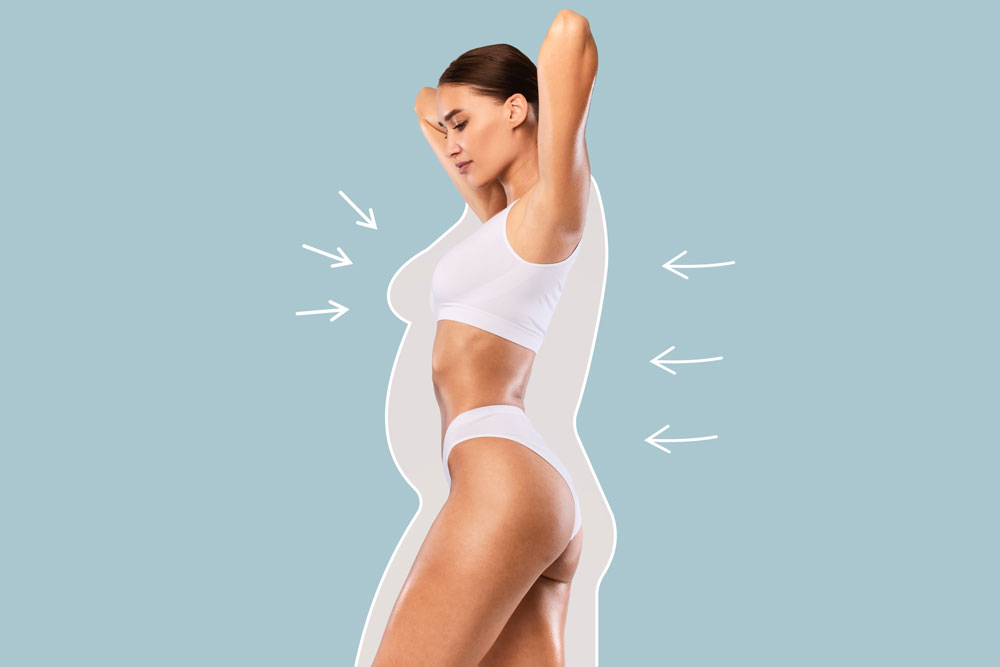
Timing Body Contouring After Semaglutide
Timing is an important consideration. Most practitioners recommend waiting until weight stabilises - this allows the body to adjust naturally. Stable weight supports predictable outcomes. Body contouring after semaglutide is typically planned several months after reaching target weight. This prevents further changes that could affect results. Patience during this phase is beneficial. Clear timing expectations support planning confidence.
How Rate of Weight Loss Influences Contouring Needs
The speed at which weight is lost can shape post-treatment body changes. Semaglutide often leads to steady but significant reduction. Faster loss gives skin less time to retract naturally, which can increase the likelihood of loose skin. Patients who lose weight gradually may notice fewer contour concerns. Those with more rapid changes often seek contouring earlier. Body contouring after semaglutide is influenced by this timeline. Understanding the rate of change helps predict needs. Pace plays a meaningful role in planning.
What About Non-Surgical Body Contouring Options?
Non-surgical treatments may suit mild to moderate changes. These approaches focus on skin tightening and texture improvement; they do not remove significant excess skin. Instead, they support gradual refinement. Body contouring after semaglutide often begins with non-surgical options. These treatments can improve firmness and appearance, and are usually spaced across sessions. Professional assessment determines individual suitability for non-surgical options.
Surgical Body Contouring After Semaglutide
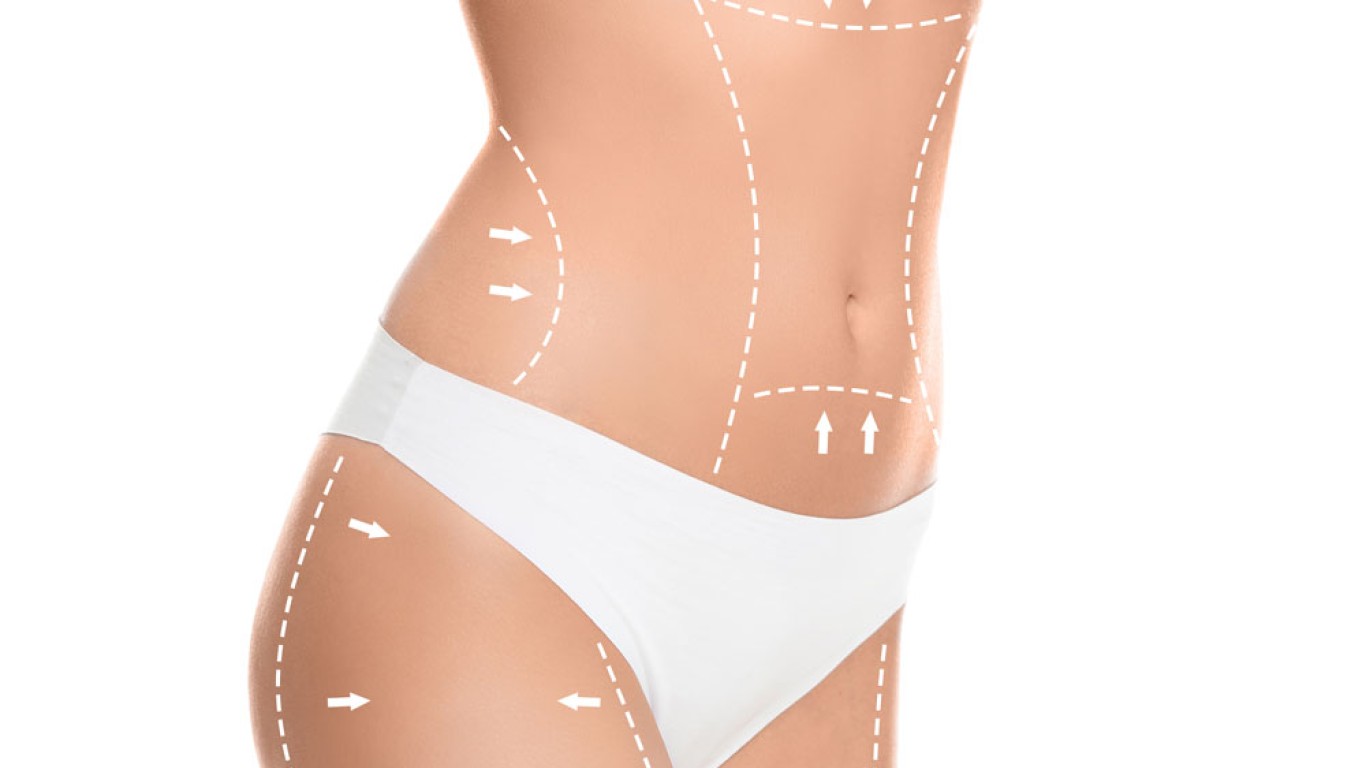
When skin laxity is more pronounced, surgical options may be considered. These procedures focus on removing excess skin and reshaping contours, and the approach will vary by body area. Body contouring after semaglutide may include procedures for the abdomen, arms, or thighs. Surgery is planned carefully to match anatomy. Long-term balance is prioritised and weight stability is essential before surgery. Individualised planning supports consistency.
How Muscle Tone Influences Post-Weight Loss Shape
Muscle tone plays a key role in appearance after weight loss. Reduced fat can reveal underlying muscle definition, however weakened muscle tone may affect contour. Body contouring after semaglutide often considers muscle support. In some areas, muscle tightening procedures may be discussed. In others, targeted exercise supports results. Understanding muscle involvement helps set realistic expectations.
The Role of Genetics in Post-Semaglutide Body Shape
Genetics influence how skin and connective tissue respond to weight loss. Some individuals retain elasticity better than others, and family history often predicts skin behaviour. These traits affect contour outcomes. After semaglutide-related weight loss, genetic factors become more visible. Body contouring after semaglutide must account for this variability. Comparing results between individuals can be misleading. Personal biology shapes response and tailored planning respects genetic differences.
Lifestyle Factors That Affect Body Contouring After Semaglutide
Lifestyle habits continue influencing appearance after weight loss. Nutrition supports skin and tissue quality. Protein intake is particularly important and hydration affects skin elasticity. Sleep and stress management also matter. Body contouring after semaglutide benefits from consistent lifestyle support- these factors do not replace treatment but they do enhance results. Long-term habits influence durability. Balanced routines support harmony.
Setting Realistic Expectations for Body Contouring After Semaglutide
Body contouring refines shape rather than transforming it completely. Expectations should align with anatomy and tissue quality. Dramatic change is not always achievable - subtle improvement is more common. Body contouring after semaglutide focuses on proportion and balance. Results develop gradually. Understanding limitations reduces disappointment. Clear communication supports satisfaction and realistic goals guide success.
Psychological Adjustment to Body Changes
Adjusting to a new body shape can take time. Rapid changes may feel unfamiliar, and clothing fit and self-image evolve gradually. This adjustment period is normal. Body contouring after semaglutide is often part of this adaptation. It supports alignment between physical changes and personal expectations. Education and patience help during this phase, because a true understanding of the process helps reduce pressure.
Body Contouring After Semaglutide in Turkey
Turkey continues to attract patients seeking specialist care following significant weight loss. Clinics place strong emphasis on evaluating how the body has adapted after treatment rather than offering standardised solutions. Consultations are designed to review contour changes carefully before any recommendations are made. At leading healthcare clinics, planning focuses on understanding individual weight trajectories and current tissue quality. Treatment decisions are shaped by how the skin and underlying structures have responded over time. International patients often appreciate the clearly organised treatment process. This methodical approach supports consistent outcomes and a smoother overall experience.
Can You Combine Multiple Contouring Areas?
Some patients choose to address more than one area. Combining treatments can improve overall balance but planning must consider recovery and procedure scope. Combination approaches are carefully assessed. Body contouring after semaglutide may involve staged or combined treatments. The approach depends on individual needs. Combining areas can improve efficiency. Clear planning supports realistic expectations. Safety and proportion guide decisions.
Long-Term Maintenance After Contouring
Body contouring does not replace lifestyle management. Maintaining weight stability supports lasting results and skin quality will continue to evolve with age. Long-term care focuses on preservation. Body contouring after semaglutide fits into a broader maintenance strategy. Follow-up assessments help monitor changes. Some patients use supportive treatments later. Long-term thinking supports satisfaction. Maintenance matters as much as initial treatment.
Conclusion
Body contouring after semaglutide addresses the physical changes that can follow significant medical weight loss. Loose skin, altered proportions and shape changes are natural responses to fat reduction. Timing, treatment selection and individual anatomy all influence outcomes. Both non-surgical and surgical options can support improved balance once weight stabilises. Understanding what to expect helps patients plan confidently. With informed guidance and realistic expectations, body contouring can complement long-term weight management effectively.
For more information about body contouring after semaglutide, visit the ACIBADEM Beauty Center website.
Frequently Asked Questions
Most practitioners recommend waiting until weight has stabilised.
Mild laxity may improve, but significant loose skin often remains.
They can help mild to moderate concerns, depending on skin quality.
Yes, maintaining stable weight supports long-term outcomes.
No, some patients are satisfied without additional treatment.