Ataşehir Mah. Feza Sk. No:3 İstanbul / Türkiye
 French
  English
  German
  Spanish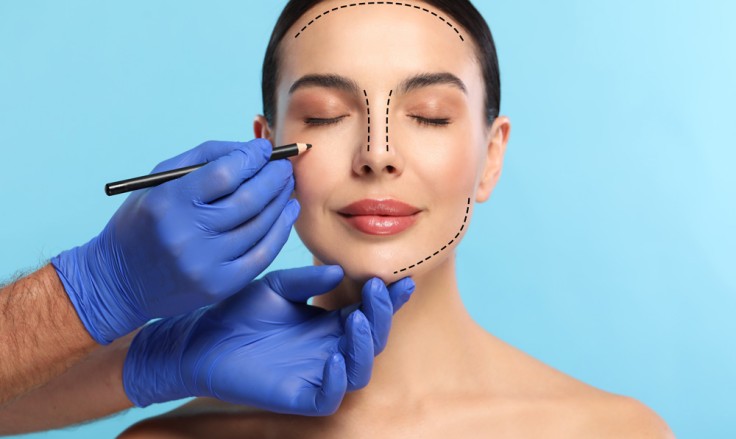
Introduction
The liquid facelift has become one of the most popular non-surgical alternatives to traditional facelift surgery. The treatment uses dermal fillers and other injectables to restore facial volume, smooth wrinkles and lift sagging tissue. Many patients seek this approach as a way to refresh their appearance without committing to surgery. The procedure offers immediate results with minimal downtime. Understanding what a liquid facelift involves helps patients evaluate whether the treatment suits their goals. This article explains how the procedure works, who it suits and how it compares to surgical facelift options for patients considering facial rejuvenation.
What Is a Liquid Facelift?
A liquid facelift is a non-surgical procedure that uses injectable treatments to rejuvenate the face. Dermal fillers are the primary tool used in the treatment. These typically contain hyaluronic acid in various formulations. Botulinum toxin may also be incorporated to relax dynamic wrinkles. The practitioner strategically places the products to restore lost volume and lift sagging tissue. The treatment addresses multiple signs of facial ageing in a single session. Common targets include the cheeks, temples, jawline, nasolabial folds and lips. The procedure does not involve incisions, anaesthesia or extended recovery time. Results are immediate and progressive over the following weeks.
How a Liquid Facelift Works
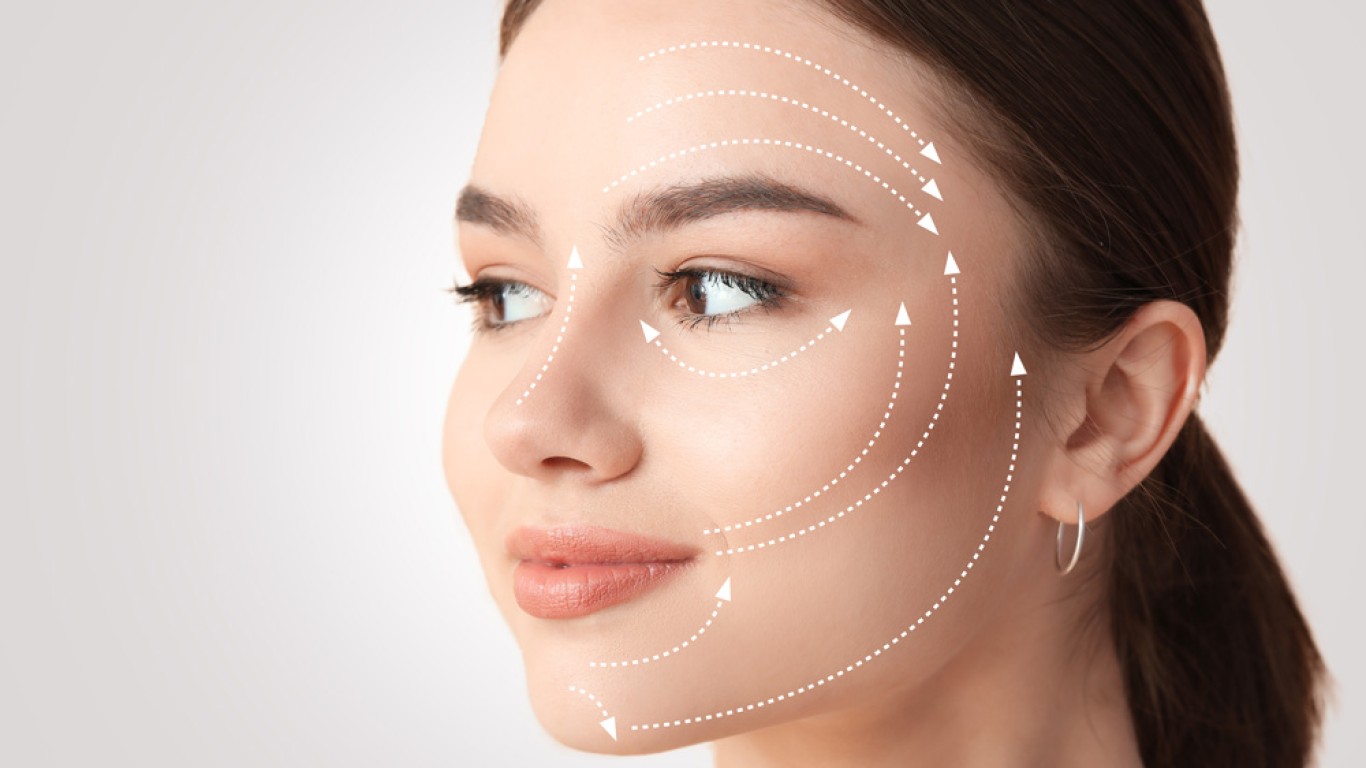
A liquid facelift works through strategic placement of fillers in key facial areas. The cheeks are typically restored first to provide structural support to the midface. This volume replacement lifts the lower face and softens nasolabial folds. The temples and jawline may also be treated to enhance facial definition. Fillers placed deep in the tissue support overlying skin and create a lifted appearance. Botulinum toxin injections can complement the filler work by relaxing forehead lines and crow’s feet. The combined approach addresses multiple signs of ageing simultaneously. The practitioner plans each treatment carefully to achieve balanced and natural-looking results across the face.
Liquid Facelift vs Surgical Facelift
The liquid facelift and surgical facelift differ in several important ways. A surgical facelift involves incisions, tissue repositioning and extended recovery. The liquid facelift uses only injections with minimal downtime. Surgical results are more dramatic and longer lasting. Liquid facelift results are subtler and last between six and eighteen months depending on the products used. Surgical facelifts suit patients with significant skin laxity and deeper facial concerns. The liquid alternative suits those with mild to moderate ageing signs. The cost of a liquid facelift is typically lower than surgical alternatives. Many patients use the non-surgical approach as a stepping stone before considering surgery later.
Areas Treated with a Liquid Facelift
A liquid facelift can address multiple facial areas in a single session. The cheeks are commonly treated to restore lost volume. This creates an immediate lifting effect across the midface. The temples often hollow with age and benefit from filler placement. The jawline can be enhanced for improved definition. Marionette lines and nasolabial folds soften with strategic filler placement. The lips may be subtly enhanced as part of the overall rejuvenation. Under-eye hollows can be addressed with specific filler products. Each area is assessed during consultation. The practitioner develops a personalised treatment plan based on the patient’s concerns and aesthetic goals.

Who Is Suited to a Liquid Facelift?
A liquid facelift suits patients with mild to moderate signs of facial ageing. Those in their thirties, forties and early fifties often achieve excellent results. The treatment particularly suits patients who have lost facial volume. Mild skin laxity also responds well. Patients with significant sagging may benefit more from surgical options. Good general health supports safe treatment. Realistic expectations are essential. The liquid facelift produces noticeable but subtle improvement rather than dramatic transformation. The procedure suits patients who want results without surgical downtime. A consultation evaluates each patient’s individual anatomy and goals. The practitioner advises whether the approach is appropriate.
The Treatment Process
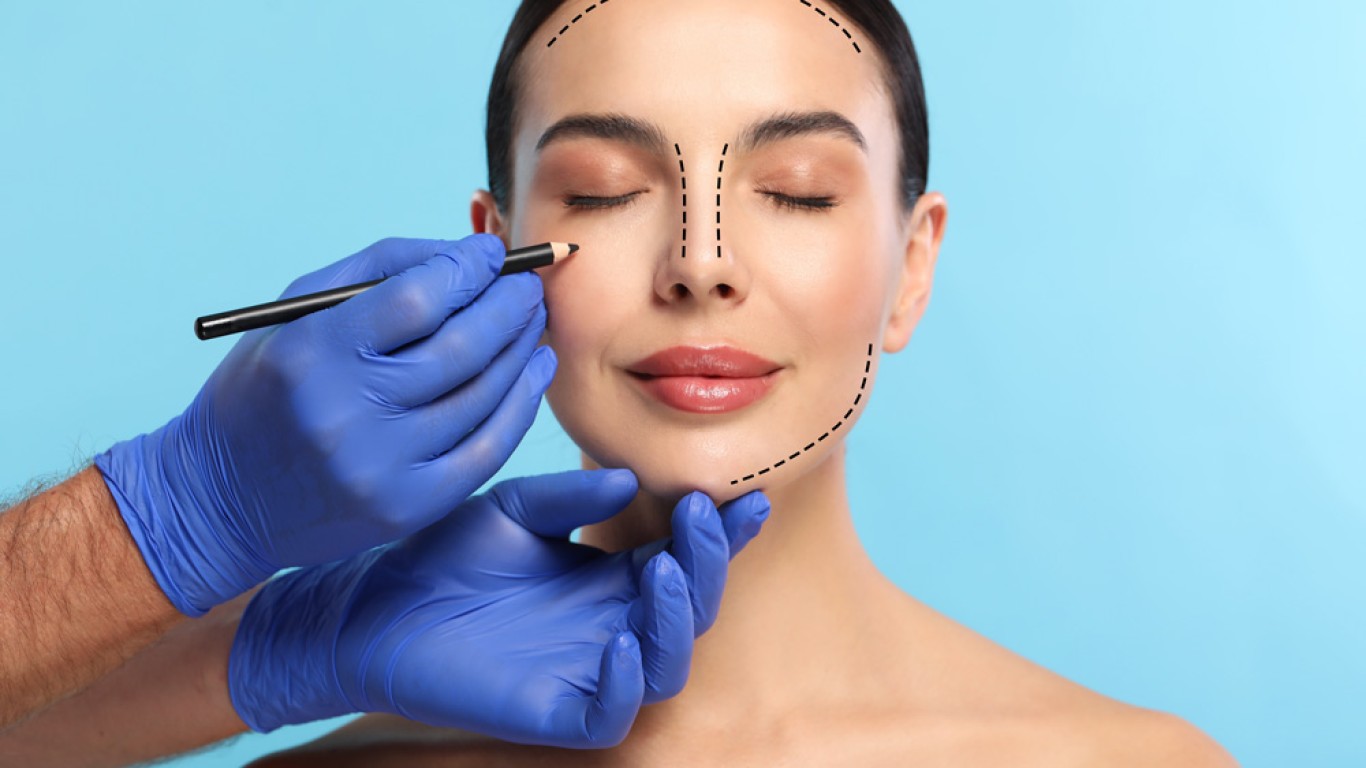
Liquid facelift treatment process is straightforward and well tolerated. The face is cleansed thoroughly. Topical anaesthetic cream is applied to ensure comfort. The practitioner marks the planned injection points. Most fillers also contain a local anaesthetic for additional comfort. The injections are placed at carefully chosen depths and locations. The entire procedure typically takes thirty to sixty minutes. Patients can see immediate results once the treatment is complete. Mild swelling and small bumps may be visible initially. These typically settle within twenty-four to forty-eight hours. Most patients return to work and social activities the same day or the following day.
Results from a Liquid Facelift
A liquid facelift produces both immediate and progressive results. The lifting effect is visible immediately after treatment. The face appears more rejuvenated and refreshed. Mild swelling may temporarily affect the initial appearance. Results refine over the following days as the products settle. The full effect is typically apparent within two weeks. Most patients enjoy results for six to eighteen months depending on the products used. Hyaluronic acid fillers gradually break down over time. Touch-up treatments can extend the benefits. Some longer-lasting fillers maintain results for two years or more. Maintenance treatments are recommended to sustain the rejuvenated appearance.
Recovery After a Liquid Facelift
Recovery from a liquid facelift is straightforward compared with surgical alternatives. Most patients return to normal activities within twenty-four hours. Mild swelling and bruising at injection sites are common. These effects typically resolve within a few days. Patients should avoid extreme temperatures and intense exercise for the first day. Sleeping with the head elevated helps reduce swelling. Touching or massaging the treated areas should be avoided initially. Makeup can typically be applied after several hours. Following gentle aftercare supports the best results. The minimal recovery time is one of the most appealing aspects of the liquid facelift compared with surgical options.
Risks and Considerations
A liquid facelift is generally well tolerated when performed by qualified practitioners. Common side effects include swelling, bruising and tenderness at injection sites. These typically resolve within days. Less common issues include lumps, asymmetry or product migration. Vascular complications are rare but possible. Choosing an experienced injector significantly reduces these risks. The practitioner should have detailed knowledge of facial anatomy. Hyaluronic acid fillers can be dissolved if needed using hyaluronidase. This provides reassurance for patients new to the treatment. Following aftercare instructions carefully supports the best outcomes from the procedure. Patients should avoid touching or massaging the treated areas unless advised.
Avoiding strenuous activity and excessive heat exposure during the first few days can support optimal recovery. Regular follow-up appointments allow the practitioner to assess results and make small adjustments if necessary. Careful technique and patient selection remain essential for achieving safe and natural-looking outcomes.
Choosing Between Liquid and Surgical Options
The choice between a liquid facelift and surgical alternatives depends on several factors. The degree of facial aging is the most important consideration. Mild to moderate concerns respond well to non-surgical options. Significant skin laxity often requires surgical treatment for comprehensive results. Recovery preferences also matter. Patients who cannot take time off work often prefer the liquid approach. Cost considerations play a role too. Long-term value comparisons should account for the duration of results.
Some patients combine both approaches over time. They start with non-surgical treatments and progress to surgery when necessary. Professional consultation supports informed decision-making for each individual. Lifestyle, skin quality and long-term aesthetic goals should also be discussed during consultation. Patients should consider how subtle or dramatic they want their results to appear. A personalised approach ensures that treatment aligns with expectations while maintaining natural facial harmony over time.
Conclusion
A liquid facelift offers an effective non-surgical approach to facial rejuvenation through strategic dermal filler placement. The treatment addresses multiple signs of ageing in a single session. Results are immediate and last between six and eighteen months depending on the products used. Recovery is minimal compared with surgical alternatives. The approach suits patients with mild to moderate concerns who prefer to avoid surgery. Realistic expectations support the best satisfaction with results. Professional consultation ensures personalised planning for each patient seeking facial rejuvenation. Patients who maintain a consistent skincare routine and healthy lifestyle may prolong their results. Periodic maintenance treatments can help sustain the refreshed appearance. A well-planned treatment approach supports gradual, natural-looking improvement while preserving individual facial characteristics over time.
For more information and to book a consultation visit the ACIBADEM Beauty Center Facelift page.
Frequently Asked Questions
A non-surgical procedure that uses dermal fillers to rejuvenate the face.
Results typically last six to eighteen months depending on the products used.
Topical and product anaesthetics ensure the treatment is comfortable.
Most patients return to normal activities within twenty-four hours.
It suits mild to moderate concerns; significant laxity may need surgical treatment.