Ataşehir Mah. Feza Sk. No:3 İstanbul / Türkiye
 French
  English
  German
  Spanish
Introduction
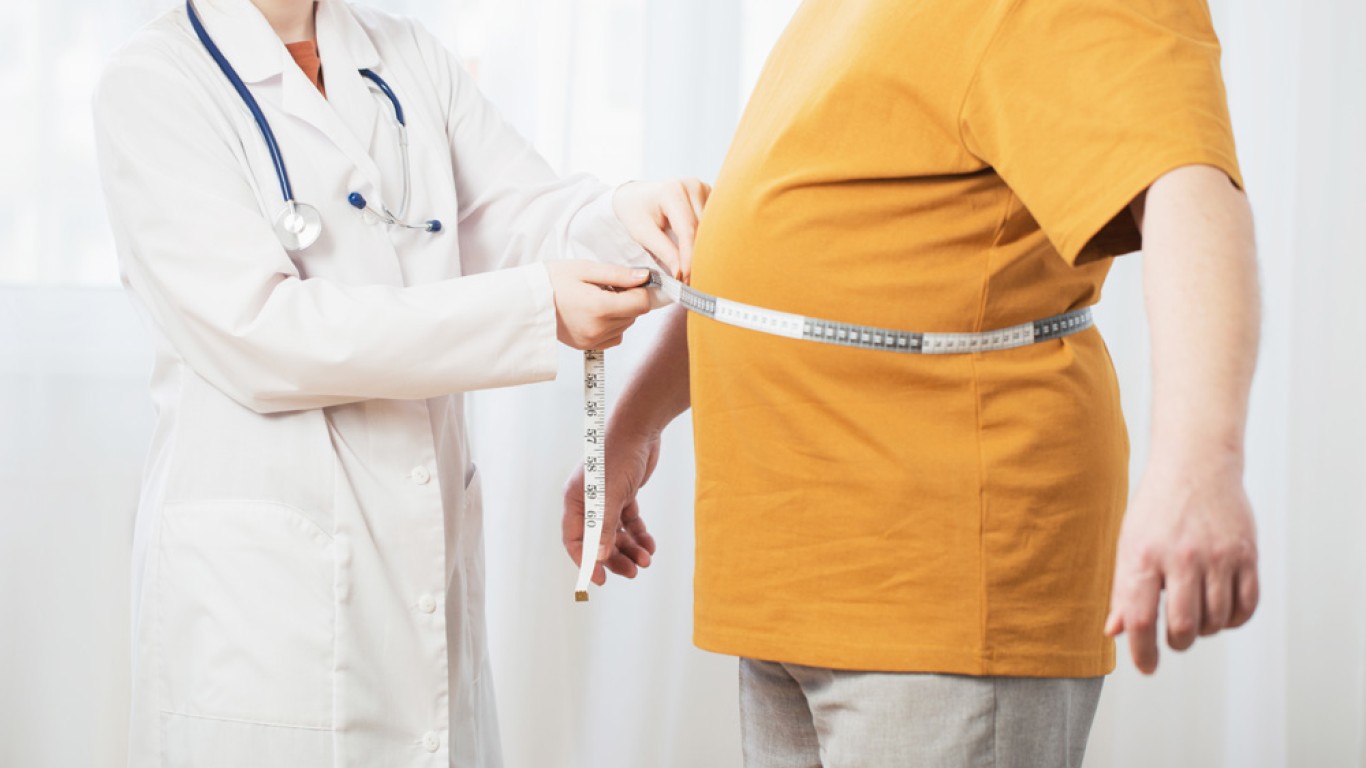
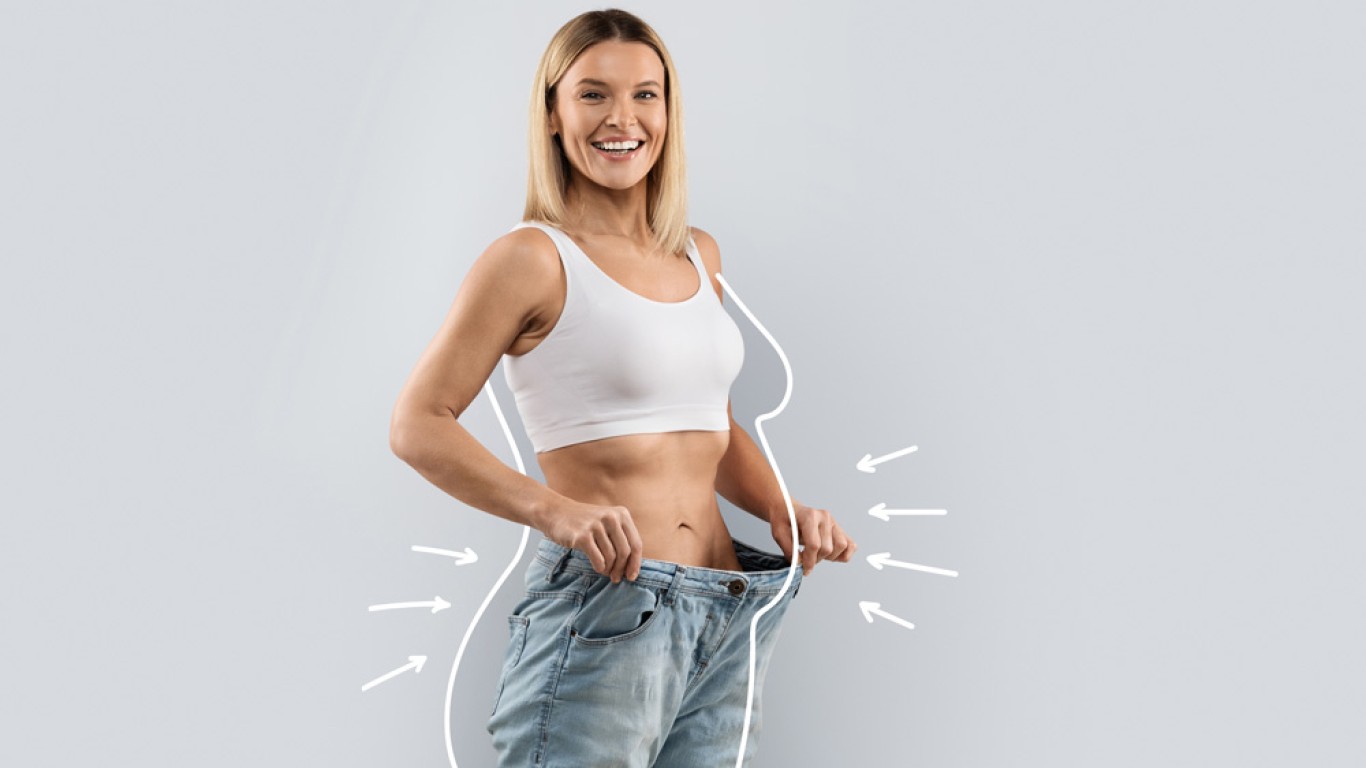
Achieving significant weight reduction can improve overall health, mobility and metabolic balance. Many individuals who undergo medical weight loss experience meaningful transformation in energy levels and physical comfort. However, changes in body shape may also include visible skin laxity. Loose skin after medical weight loss is a common and understandable concern. The skin may not fully retract following substantial volume reduction. This is particularly noticeable after large or rapid weight changes. Understanding why this happens supports realistic expectations and informed decisions about next steps. Appreciating the biological limits of skin contraction helps individuals plan appropriately.
Why Loose Skin Occurs After Medical Weight Loss
Skin stretches gradually as body weight increases over time. Collagen and elastin fibres allow expansion to accommodate growing fat deposits. After medical weight loss, these fibres may not contract completely. Rapid reduction can leave excess tissue behind because the dermal structure cannot rebound immediately. Age, genetics and the duration of previous weight gain influence elasticity significantly. The greater and longer the stretch, the more noticeable laxity may appear. Skin that has been stretched for many years may have reduced resilience. Individual healing capacity also affects the outcome.
The Role of Collagen and Elastin
Collagen provides structural strength within the dermis, while elastin allows stretch and recoil. During medical weight loss, reduced fat volume decreases the internal support that previously filled stretched tissue. If collagen levels are low, contraction is limited and sagging may remain visible. Age-related collagen decline further affects firmness and recovery. Hydration, adequate protein intake and micronutrients such as vitamin C support fibre health. However, biological repair remains gradual. Understanding these structural changes clarifies why tightening does not happen instantly.
The Impact of Previous Weight Duration
The length of time a person carries excess weight plays an important role in skin response. Skin that has been stretched for many years adapts structurally to that expanded state. Prolonged stretching weakens elastic fibres gradually. After substantial reduction, long-term expansion may limit the skin’s ability to retract fully. Individuals who experienced weight gain over a shorter period may notice better contraction. Duration therefore influences realistic expectations following transformation from medical weight loss.
Body Mass Index and Degree of Change
The starting body mass index often correlates with the degree of skin laxity. Larger volume reduction after medical weight loss typically creates more visible excess tissue. A person who loses twenty kilograms may experience different results compared to someone who loses fifty. The magnitude of change affects tissue behaviour. Medical supervision during reduction supports controlled pacing. Understanding proportional change helps determine whether supportive treatments may be required.

The Role of Genetics in Skin Quality
Genetic predisposition influences collagen density and fibre resilience. Some individuals naturally produce stronger connective tissue. Others may inherit thinner dermal structure. These biological differences affect contraction capacity after weight reduction. Family history can provide insight into likely skin behaviour. While lifestyle factors remain important, genetic variation explains differing outcomes between individuals with similar weight changes.
Areas Most Commonly Affected After Medical Weight Loss
- The abdomen is frequently affected due to prolonged stretching.
- Upper arms and inner thighs may also show laxity because these areas contain softer tissue.
- The chest, lower back and buttocks can develop folds after major reduction.
Medical weight loss often leads to overall body transformation, making multiple areas noticeable at once. Distribution depends on previous fat accumulation patterns and individual body composition. Some individuals experience mild looseness, while others notice more significant excess. Comprehensive assessment identifies the most affected zones.
The Impact of Medical Weight Loss Speed
Gradual weight reduction allows the skin more time to adapt to changing body size. Rapid medical weight loss, especially following bariatric treatment, may increase visible laxity. Structured programmes often aim for steady and controlled progress. Slow reduction supports improved tissue adjustment and collagen response. Maintaining muscle mass during weight loss also improves contour. Balanced pacing benefits both health outcomes and aesthetic recovery. Stable weight for several months allows clearer evaluation of final skin condition.
Strength Training and Muscle Support
Building lean muscle can improve overall body shape after weight reduction. Muscle fills some of the space beneath the skin, reducing sagging appearance slightly. Medical weight loss combined with resistance training supports firmer contour and improved posture. Strength exercises also stimulate circulation and enhance tissue tone. While muscle development does not remove excess skin, it can improve how the body appears in clothing. Structured fitness plans complement aesthetic goals.
Non-Surgical Tightening Options After Medical Weight Loss
Radiofrequency and ultrasound treatments stimulate collagen production gradually. These technologies heat deeper tissue layers in a controlled manner. Following medical weight loss, such treatments may improve mild to moderate laxity over time. Results develop progressively over several months as collagen remodels. Multiple sessions are often required for visible improvement. Non-invasive methods are suitable for patients with good baseline elasticity. Consultation ensures expectations align with realistic outcomes.
When Surgery May Be Considered After Medical Weight Loss
In cases of significant excess tissue, surgical contouring may be considered. Procedures such as abdominoplasty or body lift remove redundant skin directly. After major medical weight loss, surgery reshapes affected areas to restore proportion. Comprehensive evaluation ensures suitability and stable body weight, and surgery is typically recommended only after weight has stabilised for several months. Structured postoperative care supports healing and long-term contour stability.
Psychological Adjustment After Transformation
Body changes after weight reduction can influence emotional wellbeing. Some individuals feel conflicted when loose skin remains after achieving health goals. Medical weight loss improves metabolic outcomes substantially, yet aesthetic adjustment may take time. Emotional support and counselling can assist adaptation to a new body image. Recognising achievements beyond appearance supports confidence. Balanced expectations improve long-term satisfaction and self-perception.
Maintaining Results After Medical Weight Loss
Maintaining a stable weight supports skin condition and prevents further stretching. Adequate hydration and balanced nutrition protect collagen production. Medical weight loss should be followed by consistent lifestyle habits to preserve overall transformation. Avoiding repeated weight fluctuations reduces additional stress on tissue. Long-term planning enhances durability of results. Structured follow-up reinforces sustainable health behaviours.
Post-Medical Weight Loss Skin Care Routine
A structured skin care routine supports surface quality during adjustment. Gentle exfoliation promotes cell renewal and improves texture. Consistent moisturisation maintains hydration and elasticity. Topical products containing retinoids may encourage collagen activity under professional guidance. Sun protection prevents further collagen breakdown. Protecting the skin barrier helps optimise appearance even when laxity remains.
Hydration and Circulation Support
Adequate water intake contributes to overall tissue health. Proper hydration supports cellular function and dermal resilience. Improved circulation enhances oxygen delivery to the skin. Light massage and movement can encourage blood flow. These supportive measures don’t eliminate excess tissue but improve overall skin quality. Holistic care strengthens long-term maintenance.
Why Many Patients Choose Turkey for Body Refinement
Turkey offers comprehensive body contouring options following significant weight reduction. Multidisciplinary teams assess skin condition, metabolic health and overall suitability for treatment. Medical weight loss patients receive personalised planning tailored to their transformation journey. Modern facilities support both non-surgical tightening and surgical contouring procedures. Structured care pathways enhance reassurance for international patients. Coordinated consultation improves clarity and confidence.
Setting Realistic Expectations After Medical Weight Loss
Understanding the biological limits of contraction is essential. Skin rarely returns to its original pre-weight state after major change. Improvement may occur gradually but not completely. Accepting natural variation supports healthier body image. Consultation with experienced professionals clarifies achievable outcomes. Balanced perspective ensures decisions align with personal goals. Overall, loose skin after medical weight loss reflects a complex interaction of duration, genetics, age and magnitude of change. While supportive strategies can enhance firmness and texture, individual biology ultimately determines contraction potential. Personalised planning and realistic expectations guide appropriate next steps.
Conclusion
Loose skin after medical weight loss is influenced by collagen levels, age, genetics and reduction speed. Gradual weight loss, strength training and balanced nutrition support natural contraction over time. Non-surgical tightening may assist mild cases, while surgery addresses more significant excess. With personalised assessment and structured care, individuals can achieve improved contour and confidence following major transformation.
For more guidance on dealing with loose skin after medical weight loss visit the ACIBADEM Beauty Center website.
Frequently Asked Questions
Because collagen and elastin fibres may not fully contract after significant stretching.
Some tightening can occur gradually, especially with stable weight and good nutrition.
Exercise improves muscle tone but does not eliminate significant excess tissue.
Weight should remain stable for several months before surgical planning.
They may improve mild to moderate laxity but are not suitable for severe excess.