Ataşehir Mah. Feza Sk. No:3 İstanbul / Türkiye
 French
  English
  German
  Spanish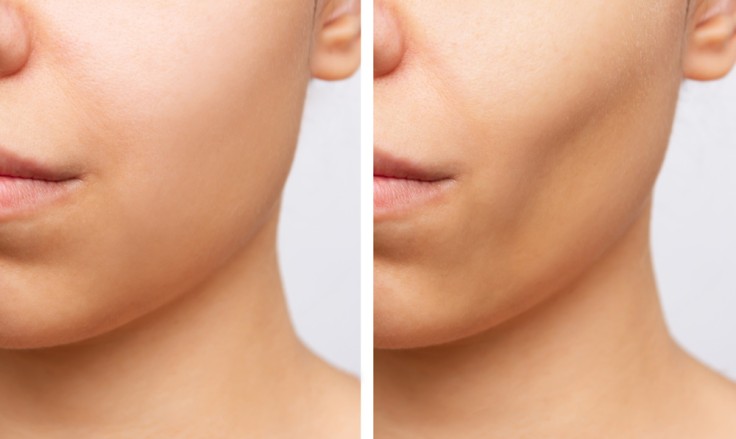
Introduction
People often judge facial contouring by early photos and quick changes. However, long term outcomes usually matter more than first impressions. That is why many patients research jawline buccal fat removal 10 years later before booking. They want to know if definition lasts as the face matures. They also want to understand how ageing reshapes cheeks and jawlines over time. In addition, they want results that still feel like them. This guide explains the benefits of jawline buccal fat removal with a realistic decade long view.
What Buccal Fat Really Does in the Face
Buccal fat pads sit deep inside the lower cheek area. They add softness to the mid face and lower cheek region. Some people have naturally larger pads due to genetics. Others keep fuller cheeks even with low body fat. When the pads are prominent, the lower face can appear rounder. As a result, jawline angles may appear less defined. Buccal fat reduction aims to reduce this fullness carefully. It does not change bone shape, yet it can reveal structure.
Why Jawline Definition Changes Over Ten Years
Faces change in layers, not in one simple way. Skin gradually loses elasticity and collagen support. Fat compartments in the face may shrink or shift position. In addition, the facial skeleton can change subtly with age. These changes occur whether surgery happens or not. Therefore, patients asking about jawline buccal fat removal 10 years later are asking a smart question. They are really asking how surgical contouring blends with natural ageing.
What Early Results Usually Look Like
Early results often appear gradually rather than overnight. Swelling can mask definition in the first weeks. After that, the lower cheeks usually look less full. The jawline often appears clearer as the face settles. Some people describe a more athletic or structured look. However, early definition can look sharper than later years. This is normal because faces soften with time. Comparing early results to those likely to be experienced 10 years later helps set realistic expectations.
The Most Important Factor: Conservative Technique
The best long term outcomes usually come from conservative planning. Surgeons typically remove only a controlled portion of fat. This preserves support and avoids an overly hollow appearance. In addition, conservative shaping tends to age more naturally. A decade later, the face often looks balanced rather than harsh. Patients who research jawline buccal fat removal 10 years later should focus on this principle. The aim is refinement, not extreme slimming.
Jawline Buccal Fat Removal 10 Years Later and Facial Volume
One major topic is how facial volume changes with age. The removed buccal fat does not return in the same way. However, other facial areas may lose volume gradually. This can make the face look leaner across the decade. With careful planning, that leanness still looks harmonious. If too much volume was removed initially, the face can appear overly slim later. Therefore, jawline buccal fat removal 10 years later depends strongly on the first surgical plan.

Skin Quality and How It Affects Long Term Definition
Skin elasticity influences how contours hold their shape over time. Elastic skin adapts better to gradual volume changes. It also tends to look smoother as the years pass. Less elastic skin may show softness around the lower cheeks later. Even then, the overall shape can remain improved. When patients consider jawline buccal fat removal 10 years later, they should consider skin quality early. Surgeons often assess this carefully during consultation.
Does the Jawline Stay Defined After Ten Years
Many patients still see clearer jawline lines than before surgery. However, the jawline may look softer than at peak results. That softening is often due to normal ageing processes. Even so, reduced cheek fullness may continue to support definition. The lower face can look lighter, cleaner, and more structured. In practice, jawline buccal fat removal 10 years later often means “still improved, yet naturally matured.” That is a healthy expectation.
How Weight Changes Influence the Decade Long Look
Weight gain and weight loss can change facial balance. Weight gain may add fullness to areas not treated. Weight loss may make the face look more angular overall. Since buccal fat was reduced, changes might show elsewhere first. That can slightly shift proportions over time. Therefore, stable weight supports stable appearance. Patients thinking about jawline buccal fat removal 10 years later should consider lifestyle consistency. Predictable habits usually support predictable outcomes.
Facial Balance Matters More Than a Sharp Cheek
A good result looks balanced across the full face. The cheeks, jawline, chin, and neck all interact visually. If one area becomes too slim, the face can look uneven. Therefore, surgeons often assess the whole facial framework. They may consider chin projection and jaw width during planning. This is also why photos can mislead without context. When discussing jawline buccal fat removal 10 years later, balance should remain the main goal. A natural look usually wins over time.
What People Often Feel Ten Years Later
Long term satisfaction often depends on original expectations. People who wanted subtle refinement often remain pleased. They may notice better definition in photos and profiles. They often feel their face looks more “clean” around the jawline. Importantly, they still recognise themselves in the mirror. Those who wanted dramatic change may feel less satisfied later. This is why jawline buccal fat removal 10 years later is strongly linked to mindset. A realistic goal supports a lasting positive feeling.
Can the Effect Be Adjusted Years Later
Buccal fat removal is generally a permanent change. The removed fat does not regrow in the same area. Over time, people may choose supportive cosmetic treatments. These can focus on skin quality or overall facial freshness. Such treatments often address natural ageing rather than surgery. When patients ask about jawline buccal fat removal 10 years later, they often ask about options too. The best approach is usually prevention through conservative planning. After that, maintenance can be tailored gently.
Men and Women: Different Ageing Patterns
Men often keep stronger jaw structure for longer. Women may experience different soft tissue shifts with age. These patterns can influence the decade long appearance. Therefore, surgeons plan based on individual structure, not trends. A balanced removal can support definition in both sexes. However, expectations should match facial anatomy and ageing style. Understanding what jawline buccal fat removal will look like after 10 years requires this personalised lens. One face does not predict another face.
Lifestyle Choices That Shape the Ten Year Outcome
Daily habits can influence facial ageing significantly. Sun exposure can reduce skin quality over time. Hydration and sleep support healthier looking skin and tone. Consistent training can improve posture and overall appearance. These factors do not replace surgical structure. However, they can improve how the face presents long term. People asking about jawline buccal fat removal 10 years later should include lifestyle in the equation. Small choices can shape long term appearance.
Why Today’s Surgeons Emphasise Moderation
Surgeons increasingly emphasise moderation in facial contouring. They consider how faces will age across decades. They also aim to preserve natural facial character and softness. This approach supports longevity and satisfaction. It also helps avoid results that look too trend driven. The growing discussion about jawline buccal fat removal 10 years later has influenced this shift. Patients now ask better questions and expect thoughtful answers. That improves outcomes for everyone.
Jawline Buccal Fat Removal 10 Years Later in Turkey
Turkey has become a popular destination for facial procedures and aftercare. Many clinics treat international patients with structured consultation pathways. High procedure volume can support refined planning and technique. Patients also appreciate combined travel and treatment convenience. If you consider treatment abroad, research remains essential. Looking at jawline buccal fat removal 10 years later can help guide your questions. A strong consultation process matters more than marketing claims. Long term thinking should remain the priority.
How to Prepare for a Decade Long Mindset
It helps to plan with the next ten years in mind. Think about your natural ageing patterns in your family. Consider your weight stability and lifestyle habits. Discuss your goals using clear examples and honest language. Ask for conservative planning and natural outcomes. If you want strength, ask for balance, not hollowing. This approach supports satisfaction with jawline buccal fat removal 10 years later. The best decision is usually the one that fits your future self.
How Facial Trends Influence Perception Over Time
Facial aesthetics trends change significantly over the years, shaping how results are perceived long after treatment. What feels fashionable today may appear subtle or even conservative a decade later. This shift can work in favour of patients who chose restrained contouring rather than dramatic alteration. As beauty standards move toward natural balance, softer definitions often age more gracefully. Understanding that perception evolves helps patients feel reassured about long term outcomes.
Conclusion
A decade after treatment, most faces look different than they did at the start. However, careful contouring can still look natural as time passes. The strongest outcomes usually come from conservative removal and balanced planning. Skin quality, ageing style, and lifestyle habits shape the long term result. For many patients, jawline buccal fat removal 10 years later means softer than year one, yet still improved. Thoughtful consultation helps ensure your goals match realistic decade long change.
For more information and to book a consultation visit the ACIBADEM Beauty Center website.
Frequently Asked Questions
No, the removed fat does not return in the same way.
Ageing softens features, although definition often remains improved.
Yes, weight gain can affect overall facial balance and fullness.
No, outcomes depend on anatomy, skin quality, and planning approach.
Ask about conservative removal, balance, and how your face may age.