Ataşehir Mah. Feza Sk. No:3 İstanbul / Türkiye
 French
  English
  German
  Spanish
Introduction
PRP injections for hair loss have become one of the most widely used regenerative treatments in hair restoration. The therapy uses the patient's own blood to stimulate follicle activity. Platelet-rich plasma contains concentrated growth factors that encourage tissue repair. Research shows positive effects on hair density and thickness consistently. The treatment suits patients with early to moderate thinning. PRP injections are minimally invasive with no significant downtime required after sessions. Understanding how the treatment works helps patients decide whether it suits their individual needs and expectations. This article explains the science, the procedure and realistic results.
What Is PRP Therapy?
PRP stands for platelet-rich plasma. Platelets are blood cells central to healing and tissue regeneration. They contain growth factors, cytokines and proteins that promote repair. PRP therapy concentrates these platelets from a small blood sample. The concentrated plasma is then injected into the treatment area. PRP injections for hair loss deliver these growth factors to the scalp and follicle environment directly. The biological signals encourage dormant follicles to resume activity. Because the treatment uses material from the patient's own body, the risk of allergic reaction is essentially eliminated. PRP has been used in medicine for wound healing for many years. Its application in hair restoration is newer but supported by growing evidence. The treatment is now offered at clinics worldwide including Turkey.
How PRP Injections for Hair Loss Work
PRP injections for hair loss work through several complementary biological mechanisms. Growth factors such as VEGF and PDGF stimulate new blood vessel formation around hair follicles. This improved blood supply delivers more nutrients and oxygen. Signalling molecules encourage dormant follicles to re-enter the active growth phase of the hair cycle. The growth phase is extended so each hair grows for longer before shedding. Anti-inflammatory components reduce scalp inflammation that contributes to progressive thinning over time. PRP injections for hair loss essentially reactivate underperforming follicles. The treatment supports the natural hair growth cycle rather than replacing it. Results depend on the presence of viable follicles in the area. Follicles that have been permanently lost cannot be regenerated.
The PRP Injections for Hair Loss Procedure
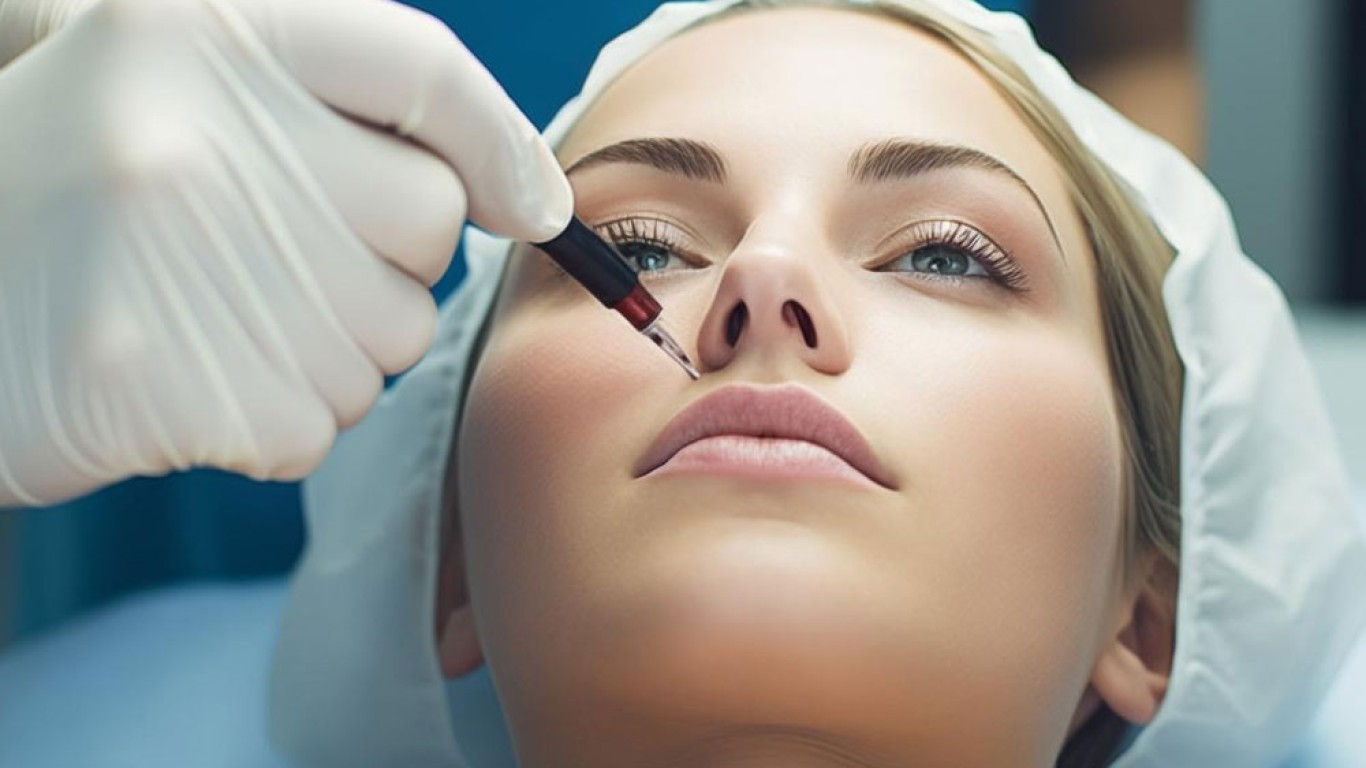
The procedure begins with a standard blood draw from the patient's arm. Approximately ten to sixty millilitres of blood is collected. The blood sample is placed in a centrifuge that spins rapidly to separate components by density. Platelet-rich plasma is isolated after approximately ten minutes. PRP injections for hair loss are then administered across the thinning areas of the scalp using a fine needle. The scalp may be numbed with local anaesthetic beforehand. The practitioner places injections at approximately one hundred points. Entire procedure takes around thirty to sixty minutes. Most patients describe mild discomfort that is well tolerated throughout the session. No significant downtime is required after the session.
PRP Injections for Hair Loss: Treatment Course
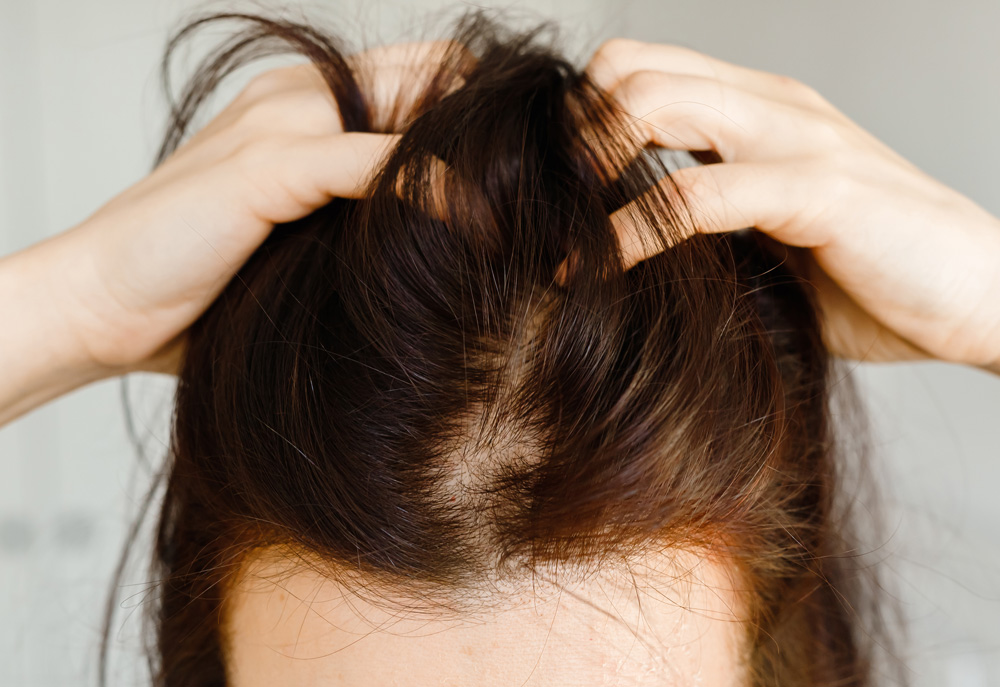
Most patients require a course of three to six sessions for optimal results. Sessions are typically spaced four to six weeks apart. Each session builds on the growth factor response from previous treatments. PRP injections for hair loss produce cumulative results that become more visible across the full course. Some patients notice reduced shedding after the first few sessions. Visible improvement in density develops over three to six months. Maintenance sessions every three to six months help sustain the benefits once the initial course is complete. The practitioner recommends the course based on individual hair loss severity and pattern. Patients with early thinning may respond more quickly than those with advanced loss. Commitment to the full recommended course supports the best outcomes. Stopping treatment prematurely may reduce the overall benefit.
What Results to Expect from PRP Injections for Hair Loss
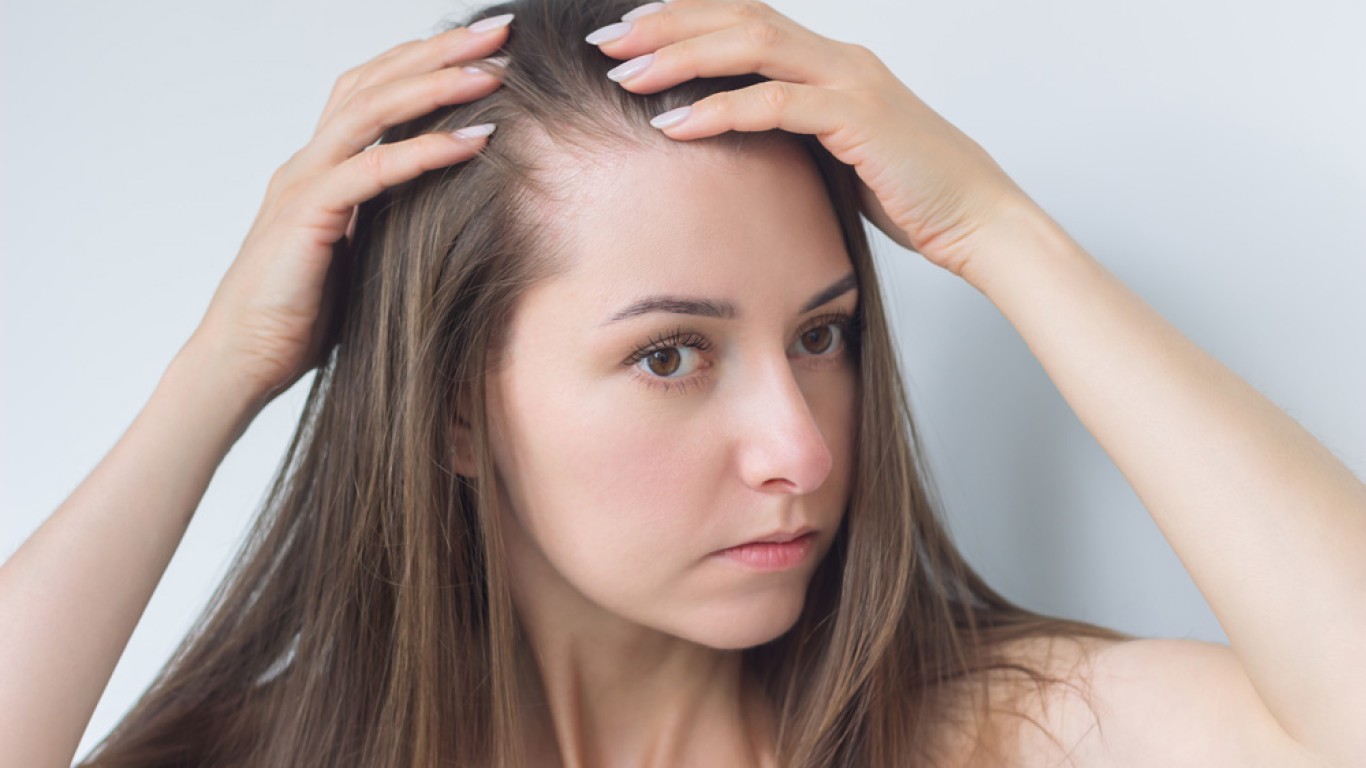
Results from PRP injections for loss develop gradually over several months rather than appearing immediately. Research shows positive outcomes in approximately eighty-four percent of published studies on the treatment. Hair density typically increases measurably over the course. Hair thickness may also improve as follicles produce stronger strands. Shedding rates often decrease within the first few sessions. The most significant visible improvement usually appears between three and six months. Results are not permanent and require maintenance to sustain. PRP injections work best for early to moderate thinning where follicles remain viable. Advanced baldness responds less favourably to the treatment. Realistic expectations support patient satisfaction overall. Before and after photographs help track progress objectively.
PRP Injections for Hair Loss: Who Is Suited?
PRP injections for hair loss suit specific patient profiles most effectively. Those with early to moderate androgenetic alopecia are the strongest candidates for treatment. Patients experiencing diffuse thinning rather than complete baldness respond well. Women with female pattern hair loss benefit from PRP significantly. Patients wanting a non-surgical approach to supporting hair quality are good candidates for this treatment. Those complementing a hair transplant with regenerative support may also benefit from the added stimulus. PRP injections for hair loss are less effective for advanced baldness. Completely bald areas lack the viable follicles that PRP needs. Medical causes of hair loss should be investigated first. Consultation evaluates suitability based on loss pattern and goals.
Safety Profile
PRP injections for hair loss have a well-established and favourable safety profile overall. The treatment uses the patient's own blood, which significantly reduces the risk of adverse reactions or rejection. No foreign substances or synthetic materials are introduced. Side effects are generally mild and limited to the injection process. Temporary soreness at injection sites is the most common experience. Mild swelling or redness on the scalp may occur briefly. Headache is occasionally reported but resolves within twenty-four hours. Infection risk is very low in a sterile clinical environment. PRP injections are considered a low-risk regenerative treatment. Choosing a qualified practitioner ensures the safest treatment experience.
Combining PRP with Other Hair Loss Treatments
PRP injections for hair loss combine well with other approaches for more comprehensive results overall. Medical treatments such as finasteride and minoxidil provide a pharmaceutical foundation for hair preservation. PRP adds a regenerative stimulus that complements these therapies. Hair transplant patients may use PRP to support graft survival and improve non-transplanted hair health. Exosome therapy can be alternated with PRP sessions for enhanced effect. Low-level laser therapy supports scalp circulation alongside PRP. Combining PRP injections with complementary treatments often produces results exceeding any single approach alone. The practitioner develops a personalised plan sequencing therapies for the best outcome. This integrative approach represents current best practice in hair restoration.
Conclusion
PRP injections for hair loss use concentrated growth factors from the patient's own blood to stimulate follicle activity. The treatment supports natural hair growth through a well-understood biological mechanism. Three to six sessions produce the best results for most patients. Improvement develops over three to six months with maintenance recommended to sustain the outcome. The treatment suits early to moderate thinning where follicles remain viable and responsive. Safety is favourable because the procedure uses the patient's own blood throughout. PRP injections for hair loss complement other approaches including transplantation and medical therapy effectively. Professional consultation determines suitability based on hair loss pattern and individual goals. Turkey offers PRP treatment at competitive pricing with experienced practitioners.
For more information about PRP injections for thinning hair visit the ACIBADEM Beauty Center Hair Transplant page.
Frequently Asked Questions
Regenerative therapy using concentrated platelets from your own blood to stimulate follicles.
Three to six sessions spaced four to six weeks apart.
Visible improvement typically develops over three to six months.
Yes, it uses your own blood and has a favourable safety profile.
No, but it complements transplant results and supports non-transplanted hair.