Ataşehir Mah. Feza Sk. No:3 İstanbul / Türkiye
 French
  English
  German
  Spanish
Introduction
Abdominal contouring procedures have evolved to address different patterns of skin laxity and fat distribution. While the traditional tummy tuck remains widely known, alternative techniques are increasingly discussed. One such option is reverse abdominoplasty, also known as reverse tummy tuck, which targets specific concerns in the upper abdomen. Patients often compare these two approaches when planning surgery. Understanding how they differ helps set realistic expectations. Each technique is designed for particular anatomical needs rather than general weight loss. This article compares the reverse procedure with traditional tummy tuck surgery, focusing on results, planning, and suitability.
What Is Reverse Abdominoplasty
Reverse abdominoplasty is a specialised abdominal contouring procedure. It focuses on excess skin and laxity in the upper abdomen. Unlike traditional techniques, tissue is lifted upward rather than downward. The incision is usually placed beneath the breast fold. This approach is particularly useful for patients with loose skin above the navel. It is often considered after significant weight changes. Reverse tummy tuck reshapes the upper torso area. The goal is smoother contour and improved skin tension. Understanding its purpose helps clarify comparisons.
What Is a Traditional Tummy Tuck
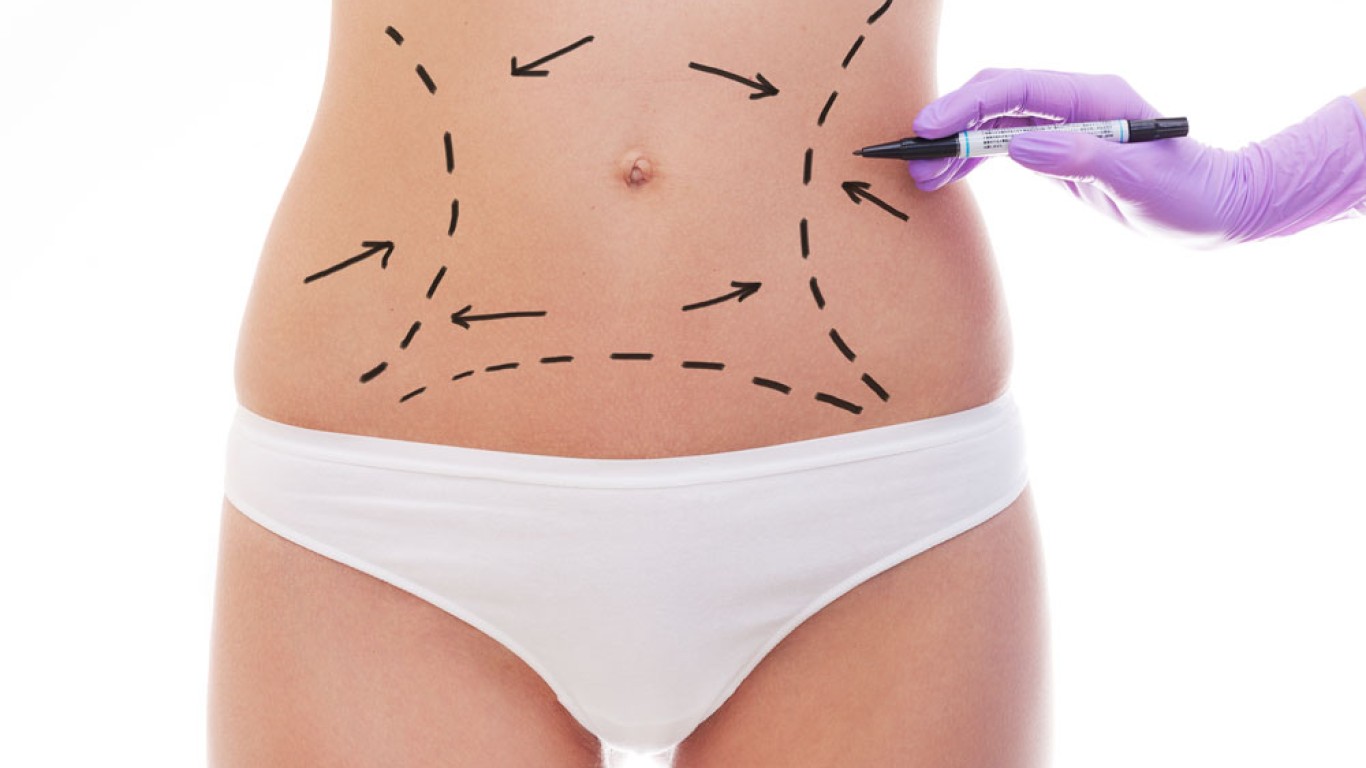
A traditional tummy tuck, also known as abdominoplasty, addresses the lower and central abdomen. Excess skin and tissue are removed from the lower belly. The remaining skin is repositioned downward. The incision is typically placed along the lower abdomen. This procedure often reshapes the entire midsection. It may include repositioning of the navel. Traditional tummy tuck surgery suits patients with lower abdominal laxity. It creates a flatter overall profile. The approach is widely recognised and versatile.
Key Differences in Surgical Technique
The main technical difference lies in the direction of skin repositioning. Reverse abdominoplasty lifts skin upward toward the chest. Traditional tummy tuck pulls skin downward toward the pubic area. This directional difference defines their indications. Incision placement also differs significantly. In the reverse procedure incisions are hidden beneath the breast crease. Traditional tummy tuck incisions sit low on the abdomen. Each technique prioritises concealment differently. Surgical planning reflects the area of concern. Technique choice depends on anatomy.
Areas of the Abdomen Each Procedure Targets
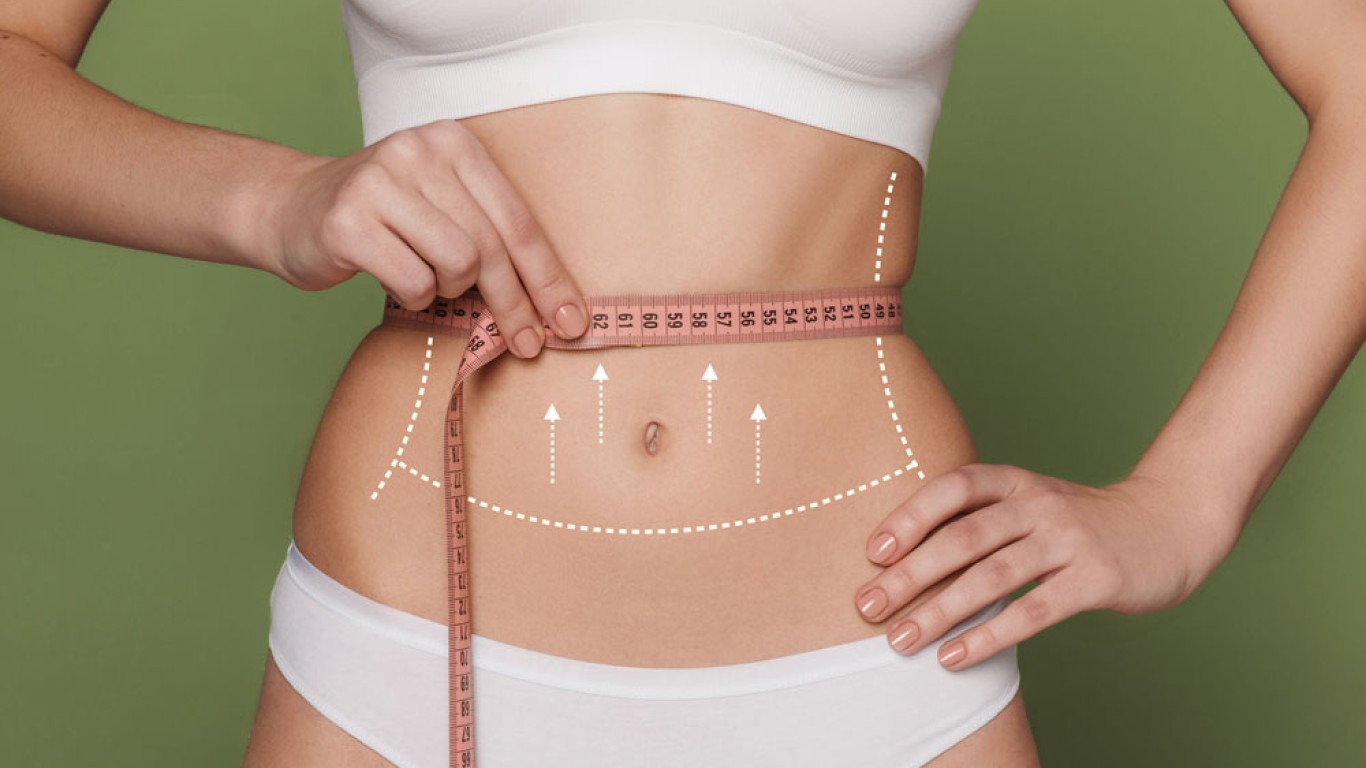
Reverse tummy tuck focuses on the upper abdomen. It addresses loose skin between the ribcage and navel. This area is often overlooked by traditional methods. Upper abdominal laxity may persist after weight loss. Traditional tummy tuck targets the lower abdomen more effectively. It improves skin laxity below the navel. It also addresses central abdominal fullness. For some patients, this is the primary concern. Target area determines suitability.

Who Is a Suitable Candidate for Reverse Abdominoplasty
Reverse abdominoplasty suits patients with isolated upper abdominal skin laxity. These individuals may have minimal concerns in the lower abdomen. Weight stability is important for predictable outcomes. Skin quality also influences suitability. Patients who have undergone massive weight loss may consider this option. It is sometimes chosen following previous abdominal surgery. Reverse abdominoplasty is not intended for everyone. Careful consultation determines appropriateness. Personal anatomy guides recommendations.
Who Benefits Most from a Traditional Tummy Tuck
Traditional tummy tuck surgery benefits patients with lower abdominal skin excess. It is commonly chosen after pregnancy or weight changes. Central abdominal laxity is often present. This procedure addresses broader contour concerns. Patients seeking overall abdominal flattening often prefer this approach. It provides comprehensive reshaping. Traditional tummy tuck surgery suits a wider range of body types. Surgeon assessment guides suitability.
Scar Placement and Visibility Comparison
Scar placement differs notably between the two procedures. Reverse tummy tuck scars are placed beneath the breast fold. This can make them less visible in certain clothing. Concealment depends on anatomy and garment choice. Traditional tummy tuck scars are positioned low on the abdomen. They are usually hidden by underwear or swimwear. Both approaches aim for discreet placement. Scar location may influence patient preference - understanding this difference is important.
Impact on Body Proportions and Silhouette
Reverse abdominoplasty can enhance the upper torso contour. It creates smoother lines between the chest and abdomen. This can improve the appearance of the waistline from above. Proportional balance is often enhanced. Traditional tummy tuck surgery reshapes the lower torso. It creates a flatter lower abdomen and improved waist definition. The silhouette appears more streamlined. Each procedure affects proportions differently.
Combining Reverse Abdominoplasty with Other Procedures
Reverse abdominoplasty is sometimes combined with other procedures. It may be paired with breast surgery for harmonious results. This allows coordinated incision placement. Combined planning can improve overall balance. Traditional tummy tuck is also frequently combined with other body contouring procedures. These combinations depend on patient goals. Strategic planning ensures cohesive results. Combined approaches may enhance efficiency.
Recovery Experience and Postoperative Expectations
Recovery experiences vary between procedures. Reverse abdominoplasty recovery often focuses on upper torso comfort. Movement restrictions may differ slightly. Patients usually notice gradual improvement in contour. Traditional tummy tuck recovery involves lower abdominal healing. Support garments are commonly used. Recovery timelines are discussed during consultation. Both procedures require patience. Understanding recovery supports preparation.
Choosing Between Reverse Abdominoplasty and Traditional Tummy Tuck
Choosing between these procedures depends on individual anatomy and goals. The reverse procedure suits upper abdominal concerns. Traditional tummy tuck addresses lower and central laxity. Understanding these distinctions supports informed decisions. Consultation plays a vital role in selection. Surgeons assess skin distribution carefully. Honest discussion clarifies expectations. Both procedures offer effective contouring when appropriately chosen. Personalised planning ensures satisfaction.
Long-Term Results and Maintenance Considerations
Long-term results depend on weight stability and lifestyle. Both procedures provide lasting contour improvement. Natural ageing continues to influence skin quality. However, results are generally durable. Maintenance focuses on healthy routines. Regular activity supports muscle tone. Balanced nutrition helps maintain shape. Long-term planning supports satisfaction. Results reflect both surgery and lifestyle.
How Upper Abdominal Laxity Develops Over Time
Upper abdominal skin laxity often develops differently from lower abdominal looseness. Weight fluctuations can stretch skin unevenly across the torso. Age-related changes in elasticity also affect the upper abdomen earlier for some patients. This can leave excess skin that traditional tummy tuck techniques may not fully address. Reverse abdominoplasty was developed to target this specific pattern. By lifting skin upward, it directly corrects laxity near the ribcage. Patients with isolated upper abdominal concerns often notice improved contour. Understanding how laxity develops helps explain why this approach exists.
Navel Position Considerations Between Procedures
Navel positioning is an important difference between reverse tummy tuck and traditional tummy tuck surgery. In reverse tummy tuck, the navel is usually left untouched. This preserves its natural placement and avoids repositioning. Traditional tummy tuck surgery often involves reshaping or repositioning the navel. This is necessary when excess lower abdominal skin is removed. Patients sometimes consider this aspect carefully. Preference around navel alteration can influence procedure choice.
How Skin Quality Influences Technique Selection
Skin thickness and elasticity play a key role in deciding which procedure is most suitable. Firm, elastic skin may respond well to the reverse procedure in the upper abdomen. Thinner skin may require more comprehensive reshaping. Traditional tummy tuck surgery can address broader skin laxity patterns. Surgeons assess skin response carefully during consultation. This evaluation helps predict contour outcomes. Matching technique to skin quality improves satisfaction.
Revision Surgery and Secondary Procedures
Some patients consider reverse tummy tuck after previous abdominal surgery. It may be used to refine upper abdominal contours left untreated initially. This makes it a valuable option in secondary contouring cases. Traditional tummy tuck revision may also be performed for lower abdominal concerns. Surgeons assess existing scars and tissue behaviour. Revision planning requires careful consideration. Secondary procedures focus on refinement rather than major change.
Psychological Comfort with Scar Location
Scar location can influence patient comfort and confidence. Some patients prefer scars hidden beneath the breast fold. Others are more comfortable with low abdominal scars covered by clothing. Reverse abdominoplasty offers an alternative scar location. Traditional tummy tuck provides a familiar placement. Understanding scar positioning helps patients feel prepared. Visualising outcomes supports comfort. Choice often reflects lifestyle and clothing preferences.
Conclusion
Reverse abdominoplasty and traditional tummy tuck surgery address different abdominal concerns. Reverse tummy tuck targets upper abdominal laxity, while traditional tummy tuck focuses on lower and central areas. Each technique has distinct advantages depending on anatomy. Scar placement, contour results, and suitability vary. Understanding these differences helps patients make informed choices. Careful consultation ensures appropriate selection. When matched correctly, both procedures can deliver refined, natural-looking abdominal contours.
For more information and to book a consultation visit the ACIBADEM Beauty Center tummy tuck page.
Frequently Asked Questions
It addresses loose skin in the upper abdomen.
No, it targets a different area and uses a different technique.
In some cases, surgeons may combine approaches based on anatomy.
Traditional tummy tuck places scars on the lower abdomen.
Turkey offers experienced specialists and organised care pathways.