Ataşehir Mah. Feza Sk. No:3 İstanbul / Türkiye
 French
  English
  German
  Spanish
Introduction
Abdominal contouring is one of the most requested aesthetic goals worldwide. Accordingly, many patients compare liposuction vs tummy tuck results when exploring ways to improve their midsection. Both procedures aim to enhance abdominal appearance, yet they work in very different ways. Choosing the right option depends on anatomy, skin quality, and personal expectations. Understanding what results look like after each procedure is essential. This article explains how outcomes differ, what each treatment can realistically achieve, and how to decide which approach aligns best with individual goals.
What Liposuction Is Designed to Achieve
Liposuction focuses on removing localised fat deposits from the abdomen. It is designed to refine contour rather than address loose skin. Fat is removed through small incisions using fine cannulas. The underlying muscle structure remains unchanged. Liposuction vs tummy tuck results differ significantly because liposuction relies on skin elasticity to adapt after fat removal. Patients with firm, elastic skin often achieve smoother outcomes. The procedure works best for shaping rather than tightening.
What a Tummy Tuck Is Designed to Achieve
A tummy tuck, also known as abdominoplasty, addresses excess skin and muscle laxity. The procedure removes loose skin from the lower abdomen. It also tightens underlying abdominal muscles when needed. This creates a flatter, firmer appearance. When comparing the results of both procedures, tummy tuck outcomes tend to be more dramatic. This procedure is often chosen after pregnancy or significant weight loss.
Key Differences in Liposuction vs Tummy Tuck Appearance Results
The final appearance differs clearly between procedures. Liposuction results focus on smoother fat distribution and improved shape. A tummy tuck produces a tighter, flatter abdominal surface. Results vary based on skin condition and muscle tone. Liposuction enhances contours subtly. A tummy tuck reshapes the abdominal wall more comprehensively. Understanding these differences prevents unrealistic expectations.
Skin Tightening and Elasticity
Skin elasticity plays a crucial role in determining results. Liposuction relies on the skin’s ability to retract naturally. Poor elasticity may limit visible improvement for the patient. A tummy tuck physically removes excess skin instead. This distinction strongly affects liposuction vs tummy tuck results. Patients with loose or stretched skin often benefit more from a tummy tuck. Overall, elastic skin supports better liposuction outcomes.
Muscle Separation and Core Appearance
Muscle separation can affect abdominal shape significantly. Liposuction does not correct muscle laxity. A tummy tuck can tighten separated abdominal muscles. This improves core firmness and posture. When comparing liposuction vs tummy tuck results, muscle repair is a key differentiator. Patients with weakened abdominal muscles often achieve better definition with a tummy tuck.
Scarring and Incision Placement
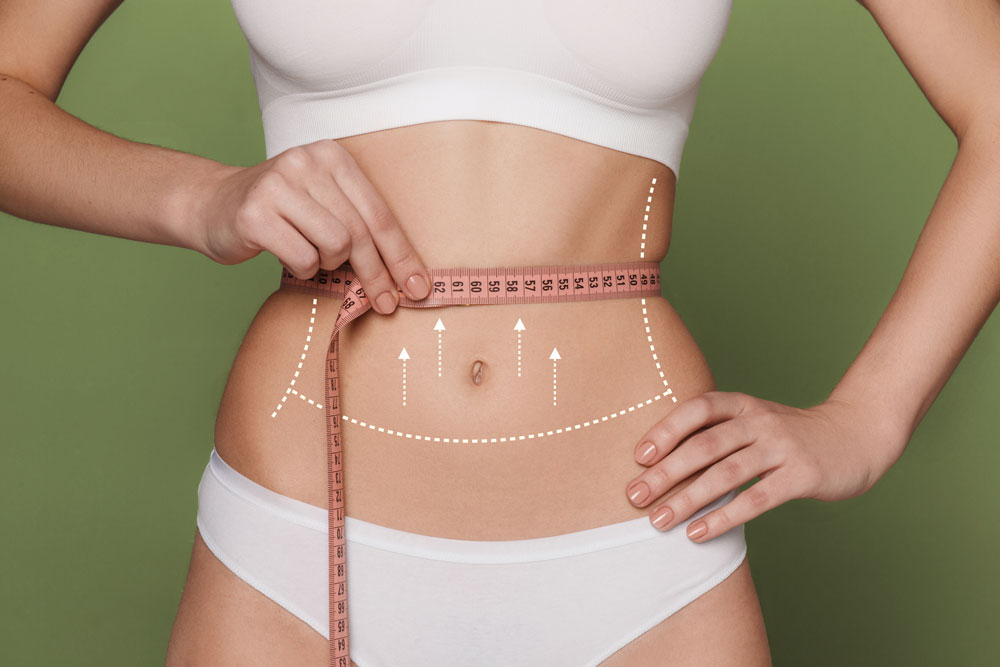
Scarring differs between procedures. Liposuction involves very small incisions that fade over time. A tummy tuck requires a longer incision across the lower abdomen. This scar is placed low to be concealed by clothing. Liposuction vs tummy tuck results include different trade offs between scarring and tightening. Scar acceptance is an important part of decision making.
Recovery Time and Healing Experience of Tummy Tuck vs Liposuction
Recovery experiences vary notably. Liposuction usually involves shorter downtime. Swelling and bruising resolve gradually over weeks. A tummy tuck involves longer recovery due to muscle repair and skin removal. Liposuction vs tummy tuck results should be considered alongside recovery commitment. Healing timelines influence lifestyle planning significantly.
Changes in Body Proportion
Both procedures can improve body proportion differently. Liposuction refines waistline contours. A tummy tuck reshapes the entire abdominal profile. Liposuction vs tummy tuck results affect how clothing fits and how the torso appears from the side. Proportion improvement depends on the chosen procedure and anatomy.
Suitability Based on Body Type
Body type strongly influences suitability. Liposuction suits individuals close to their ideal weight. A tummy tuck suits those with loose skin or muscle laxity. Comparing liposuction vs tummy tuck results requires honest assessment of body condition. Consultation helps match procedure to anatomy accurately.
Weight Stability and Long Term Outcomes for Abdominal Procedures
Stable weight supports lasting results for both procedures. Removed fat does not return to treated areas. However, weight gain can affect remaining fat and skin. Liposuction vs tummy tuck results are maintained best with healthy habits. Long term planning protects outcomes.
Visual Differences in Before and After Results
Before and after images highlight key distinctions. Liposuction results show smoother contours. Tummy tuck results show flatter, tighter abdomens. Liposuction vs tummy tuckresults differ in visible skin tightness. Reviewing images during consultation supports realistic expectations.
Combining Liposuction and Tummy Tuck
Some patients benefit from combining both procedures. Liposuction refines contours while a tummy tuck tightens skin. This combination creates comprehensive results. Liposuction vs tummy tuck results can overlap when procedures are combined. Surgeon planning determines suitability for combination treatment.
Impact on Confidence and Comfort
Abdominal contouring can influence confidence significantly. Improved shape often enhances clothing comfort. Reduced skin folds improve daily movement. Liposuction vs tummy tuck results both offer psychological benefits. Emotional readiness supports satisfaction with either choice.
Tummy Tuck vs Liposuction Results Timeline and Final Outcome
Initial results appear as swelling subsides. Final refinement takes several months. Tummy tuck results may feel tight initially. Liposuction results gradually smooth out. Liposuction vs tummy tuck results require patience to fully appreciate. Understanding timelines prevents unnecessary concern.
Results After Pregnancy or Weight Loss
Pregnancy and weight loss affect the abdomen differently. Liposuction addresses fat but not stretched skin. A tummy tuck restores abdominal firmness. Liposuction vs tummy tuck results differ notably in these situations. Post pregnancy patients often prefer a tummy tuck.
Longevity of Procedure Results Over Time
Results are long lasting with stable lifestyle habits. Ageing continues naturally. Skin and muscle tone change gradually. Liposuction vs tummy tuck results age differently depending on skin quality. Conservative planning supports longevity.
Choosing Based on Personal Goals
Personal goals guide the final decision. Subtle contour improvement suits some individuals. Dramatic tightening suits others. Comparing results of liposuction vs tummy tuck helps clarify priorities. Professional guidance ensures appropriate selection.
Abdominal Contouring in Turkey
Turkey has become a destination for abdominal procedures. Clinics offer experienced surgeons and modern facilities. Structured consultation supports personalised planning. International patients value comprehensive care pathways. Interest in both liposuction and tummy tuck procedures continue to grow globally.
Managing Expectations Before Surgery
Clear expectations are essential before treatment. Neither procedure will fully replace healthy lifestyle habits. Understanding limitations prevents disappointment later down the line. Thorough education supports informed decisions. Liposuction vs tummy tuck results should align with realistic goals.
How Lifestyle Habits Influence Abdominal Appearance After Surgery
Daily lifestyle habits play a meaningful role in how abdominal results are maintained over time. Consistent physical activity supports muscle tone and posture, which can enhance visual outcomes. Nutrition affects fat distribution and skin quality long term. Hydration supports skin elasticity and overall tissue health. Poor habits may gradually diminish the appearance of refinement achieved through surgery. Patients who maintain balanced routines often feel their results remain more stable. Long term success is closely linked to lifestyle consistency rather than the procedure alone.
The Importance of Posture and Core Engagement
Posture can significantly influence how the abdomen appears after contouring procedures. Slouching may exaggerate lower abdominal fullness visually. Engaging core muscles regularly supports a flatter appearance. Improved posture also enhances how results look in clothing. Surgeons often encourage gentle core awareness once healing allows. While posture does not change surgical outcomes, it complements them effectively. Conscious posture habits contribute to a more confident and balanced overall silhouette.
Emotional Readiness and Decision Making Before Abdominal Procedures
Emotional readiness is an important yet often overlooked part of surgical planning. Patients benefit from reflecting on their motivations and expectations beforehand. Understanding what surgery can and cannot achieve helps prevent disappointment. External pressure should not drive decisions. Feeling mentally prepared supports smoother recovery and greater satisfaction. Surgeons encourage open discussion during consultation to clarify goals. Emotional alignment with the decision often enhances long term confidence and overall experience.
Conclusion
Liposuction vs tummy tuck results differ in approach, appearance, and recovery. Liposuction refines fat contours, while a tummy tuck procedure tightens skin and muscles. Understanding anatomy, skin quality, and goals supports the right choice. Both procedures offer meaningful improvement when selected appropriately. Long term satisfaction depends on realistic expectations and healthy habits.
For more information and to book a consultation visit the ACIBADEM Beauty Center Liposuction or Tummy Tuck webpage.
Frequently Asked Questions
A tummy tuck usually provides greater tightening.
It works best when skin elasticity is good.
Yes, combination treatment may be suitable for some patients.
Results are long lasting with stable weight.
A qualified surgeon should assess and recommend the most suitable approach.