Ataşehir Mah. Feza Sk. No:3 İstanbul / Türkiye
 French
  English
  German
  Spanish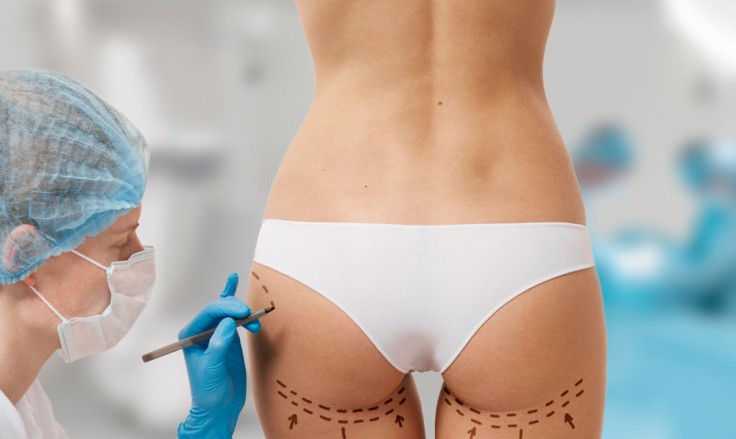
Introduction
Body contouring preferences have shifted toward more personalised outcomes in recent years. Rather than a single ideal shape, patients now seek results that suit their unique proportions. This shift has brought greater attention to BBL vs skinny BBL comparisons. Both procedures aim to enhance the buttocks, yet they deliver different silhouettes. Understanding how each option interacts with body shape is essential. Individual anatomy plays a defining role in final results. This article explains how different body types benefit from each approach.
Understanding the Traditional BBL Concept
A traditional Brazilian Butt Lift focuses on noticeable volume enhancement. Fat is transferred to create fuller projection and roundness - this approach often emphasises curves and dramatic change. The goal is a pronounced lower body contour. Patients with sufficient donor fat typically suit this technique. It allows shaping across multiple zones, and the hips and waist are often refined simultaneously. The result highlights contrast between the torso and lower body. This style suits certain proportions more naturally.
What Defines a Skinny BBL?
A ‘skinny BBL’ uses smaller fat volumes to create subtle enhancement. It focuses on contour refinement rather than dramatic size increase, and the aim is balance rather than bold projection. Results appear understated and natural. This approach suits patients with limited donor fat. It enhances shape without altering body identity. Emphasis is placed on smoothing transitions. A skinny BBL can still improve symmetry and definition but the technique is defined by subtlety.
Key Differences Between BBL vs Skinny BBL
The primary difference lies in volume and visual impact.
- A traditional BBL creates more noticeable curves.
- A skinny BBL delivers restrained enhancement.
- Both rely on fat transfer but use different strategies.
BBL vs skinny BBL decisions often reflect personal style preferences. Some patients want visible transformation while others prefer refinement that blends seamlessly. Understanding these differences clarifies expectations. The choice is not about better or worse - it is about suitability.
Body Shapes That Suit a Traditional BBL
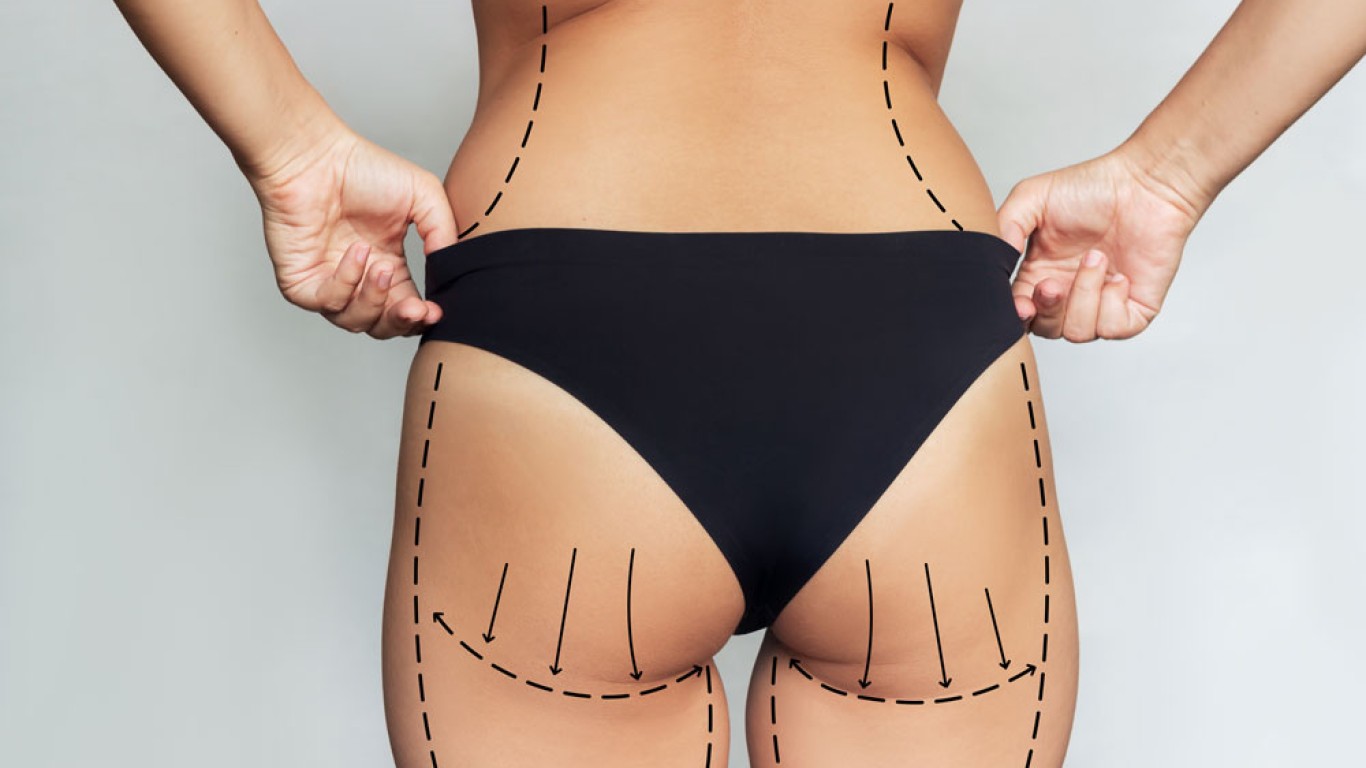
Patients with wider frames often benefit from a traditional BBL. Natural curves provide a foundation for added volume and additional projection enhances existing proportions. The result appears harmonious rather than exaggerated. Individuals with pear-shaped or athletic builds may also suit this approach. Adequate donor fat supports sculpting flexibility. Waist-to-hip contrast becomes more pronounced, and this can create an hourglass effect. Body balance improves when volume matches frame size.
Body Shapes That Benefit From a Skinny BBL
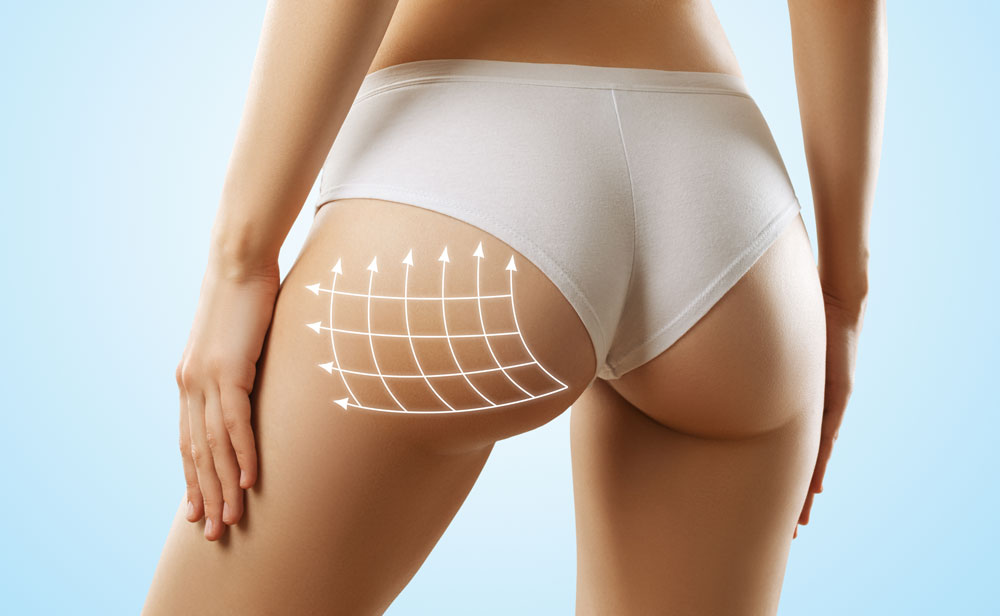
Slimmer body types often suit a skinny BBL. Narrow frames benefit from subtle contour enhancement because excessive volume could overwhelm proportions. Controlled fat placement avoids this issue. Petite patients frequently choose this option as it enhances shape without drastic size change. Hip dips may be softened gently and the overall silhouette remains delicate. Skinny BBL results align well with minimalistic aesthetics.
BBL vs Skinny BBL: The Role of Donor Fat Availability
Donor fat availability strongly influences procedure choice.
- Traditional BBL requires adequate fat reserves.
- Areas such as the abdomen or thighs are commonly used.
- Limited donor fat may restrict volume options.
- A skinny BBL works well when fat supply is modest.
- It maximises efficiency through careful placement.
- Surgeons distribute fat strategically - this ensures visible improvement despite smaller volumes.
BBL vs Skinny BBL: Waist, Hip, and Buttock Proportions
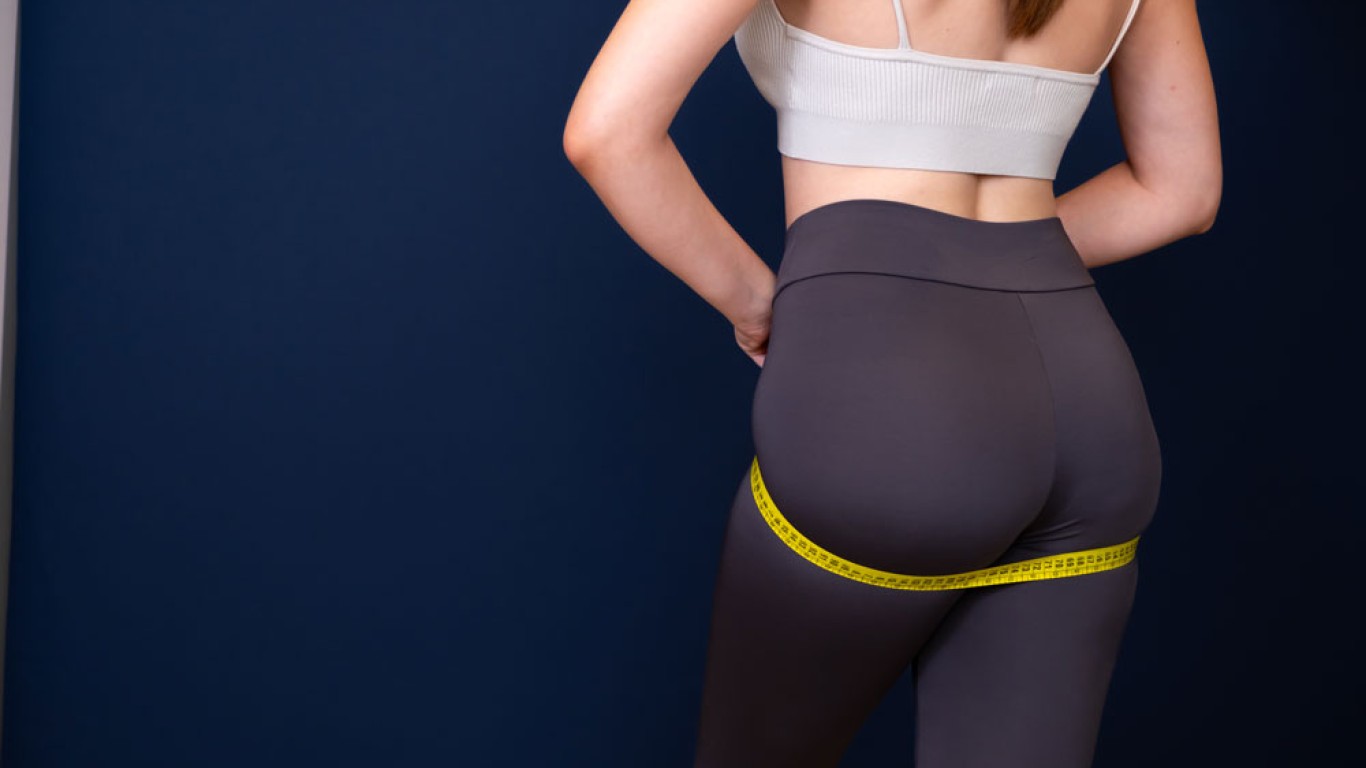
Proportions matter more than simply volume alone. For example, buttock enhancement must complement waist width and hip structure. Treating these areas together creates balanced results. Ignoring proportion can disrupt harmony. In BBL vs skinny BBL planning, surgeons assess overall contour. Waist sculpting often enhances buttock appearance while hip shaping supports smoother transitions. Proportion-focused planning avoids unnatural outcomes. Balance defines success.
Hip Dip Correction Differences Between Both Approaches
Hip dips influence how buttock enhancement appears from the front and side. A traditional BBL often allows more comprehensive hip dip filling. Larger fat volumes can smooth deeper indentations, and this creates a rounder outer silhouette. With a skinny BBL, hip dip correction is more conservative. Surgeons focus on softening transitions rather than full correction. This suits patients seeking subtle contouring. The outcome appears natural and understated. Hip anatomy guides realistic expectations.
Lifestyle and Aesthetic Preferences
Lifestyle influences aesthetic choices significantly. Some patients prefer bold curves that stand out and others want subtle enhancement suitable for everyday wear. These preferences shape procedure selection. BBL vs skinny BBL decisions often reflect clothing style and activity level. Athletes may prefer lighter enhancement. Fashion preferences also play a role and understanding lifestyle choices supports satisfaction. Alignment between results and daily life matters.
Athletic Builds and Glute Muscle Definition
Patients with athletic builds often want to prioritise muscle definition. A skinny BBL can complement visible glute muscles. Fat placement enhances shape without masking definition, maintaining a toned appearance. A traditional BBL may soften muscle lines more noticeably. Some athletic patients prefer this fuller look but others prefer minimal change. BBL vs skinny BBL planning considers muscle prominence carefully. Balance between fat and muscle matters greatly.
Clothing Fit and Everyday Proportions
Different approaches affect how clothing fits. A traditional BBL may change trouser sizing and fit while curvier silhouettes influence waist-to-hip ratios. Some patients enjoy this transformation. A skinny BBL often improves fit without major wardrobe changes. Subtle enhancement enhances shape within existing clothing styles so patients preferring discreet changes may favour this. BBL vs skinny BBL choices often reflect fashion preferences. Lifestyle alignment supports satisfaction.
Long-Term Weight Stability Considerations
Weight stability influences long-term results for both procedures. Transferred fat responds to weight changes naturally. Larger volume transfers may show more visible fluctuation. Smaller transfers tend to change less dramatically. Patients with variable weight patterns may prefer conservative enhancement. A skinny BBL may adapt more subtly over time. Surgeons discuss personal lifestyle factors during planning in order to prioritise long-term harmony. Stability supports consistent outcomes.
Revision Flexibility and Future Adjustments
Some patients consider the potential for future refinement. A skinny BBL may allow easier secondary enhancement later where additional volume can be added if desired. This staged approach appeals to cautious patients. Traditional BBL patients may already achieve desired volume initially. Revision planning depends on goals and donor availability. BBL vs skinny BBL discussions often include long-term planning - flexibility influences initial choice. Thoughtful planning supports peace of mind.
BBL vs Skinny BBL: How Results Age With the Body
Fat transfer results evolve naturally over time because transferred fat behaves like natural tissue. Weight changes can affect volume distribution - this applies to both approaches. A traditional BBL may show more visible changes with weight fluctuation whereas a skinny BBL often ages more subtly. Both can remain harmonious with stable weight. Surgeons consider long-term appearance during planning. Future changes are anticipated.
Surgical Precision and Technique
Technique influences outcomes as much as volume choice. Precise placement supports fat survival while layered injection improves integration. This applies to both procedures. BBL vs skinny BBL outcomes depend on surgeon expertise. Conservative handling of fat supports natural contours, plus overfilling is avoided. Precision ensures smooth results.
BBL vs Skinny BBL: Recovery Experience and Visual Subtlety
Recovery experiences are broadly similar for both approaches, however visual subtlety differs. A skinny BBL may attract less immediate attention and changes appear more gradual. Some patients prefer discreet transformation while others welcome noticeable change. Recovery comfort often depends on adherence to aftercare and an understanding of expected visibility supports preparation. Recovery then aligns more closely with aesthetic goals.
Choosing the Right Option Through Consultation
Consultation is essential for choosing between BBL vs skinny BBL. Surgeons assess anatomy, personal goals and expectations, and visual examples may support discussion. Honest feedback guides decision-making. Patients benefit from understanding limitations and possibilities. Not every body suits both options equally so professional guidance clarifies suitability. Personalised planning leads to greater satisfaction.
Conclusion
BBL vs skinny BBL comparisons highlight the importance of body shape and personal goals. Neither option suits everyone equally. Traditional BBL benefits fuller frames seeking dramatic curves whereas skinny BBL supports slimmer bodies seeking subtle refinement. Donor fat, proportions, and lifestyle all influence suitability. Precision planning ensures balanced, successful outcomes. Understanding these differences helps patients choose confidently.
Want to find out more about BBL techniques? Visit the ACIBADEM Beauty Center Brazilian Butt Lift page.
Frequently Asked Questions
The main difference is the amount of fat transferred and the level of enhancement.
It depends on donor fat availability and body proportions.
Yes, it is designed to create subtle, natural-looking contours.
They assess anatomy, donor fat, and aesthetic goals during consultation.
Turkey offers experienced surgeons and structured aesthetic care.