Ataşehir Mah. Feza Sk. No:3 İstanbul / Türkiye
 French
  English
  German
  Spanish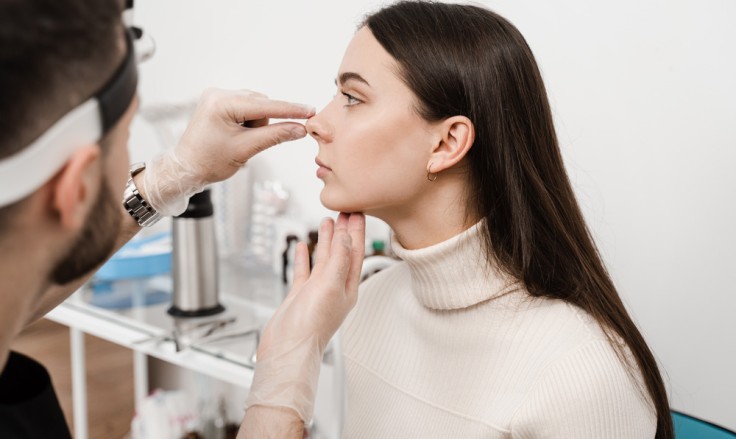
Introduction
Turkey has become one of the leading global destinations for rhinoplasty. Thousands of international patients travel to Istanbul and other cities for nose surgery each year. The combination of experienced surgeons, modern facilities and competitive pricing makes Turkey an attractive option. Planning the journey requires careful preparation. International patients benefit from understanding the full process. This article outlines each stage of the rhinoplasty experience in Turkey. It covers consultation, travel logistics, surgery, recovery and aftercare. The goal is to help patients feel informed and confident as they plan their procedure.
Why International Patients Choose Rhinoplasty in Turkey
Several factors make Turkey a popular rhinoplasty destination. Pricing is significantly lower than in the UK, USA and much of Europe. Surgeons in Turkey perform nose surgery at high volume. This regularity refines technique and supports consistent results. Many Turkish surgeons hold international credentials. Hospitals and clinics meet recognised accreditation standards. Nose surgery in Turkey offers strong overall value. All-inclusive packages simplify planning for patients travelling from abroad. The country's location between Europe and Asia makes it accessible from many regions. Istanbul in particular serves as a major international travel hub with frequent direct flights.
The Initial Consultation
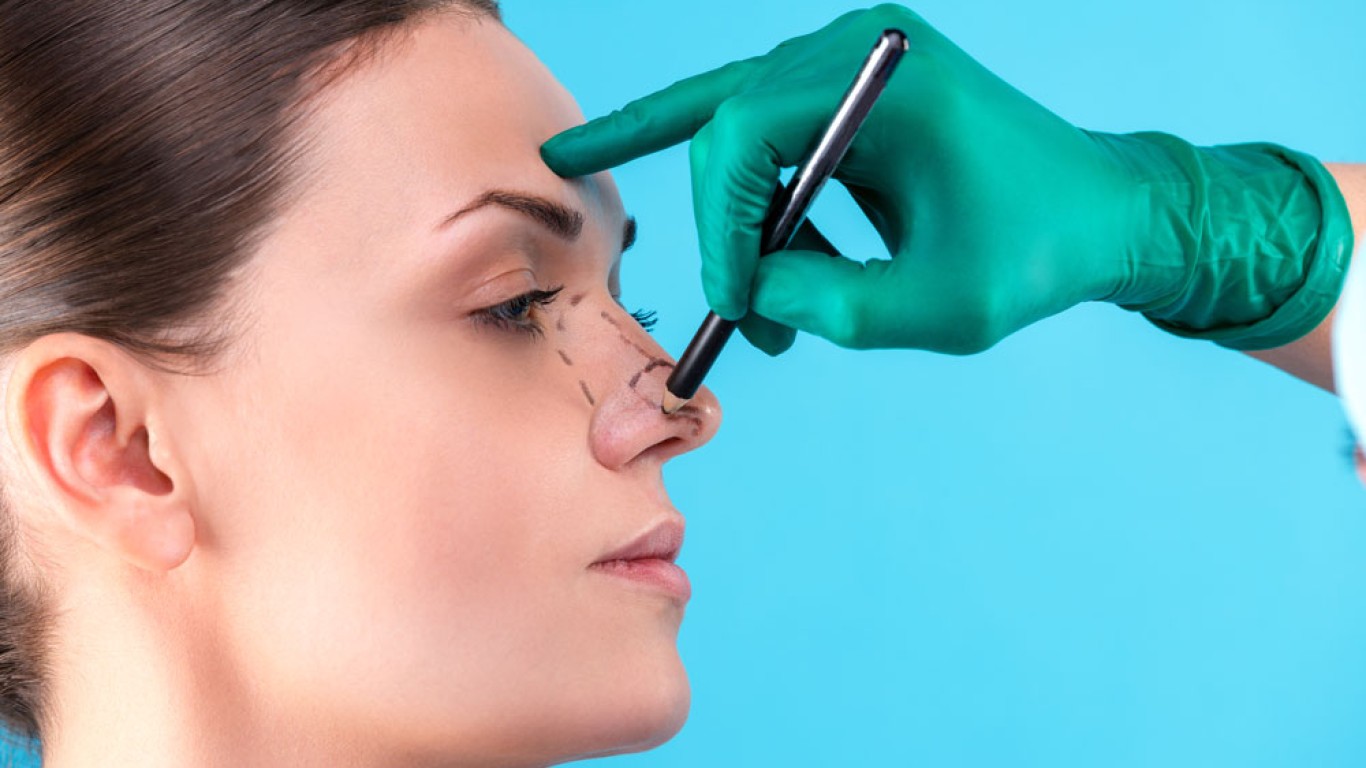
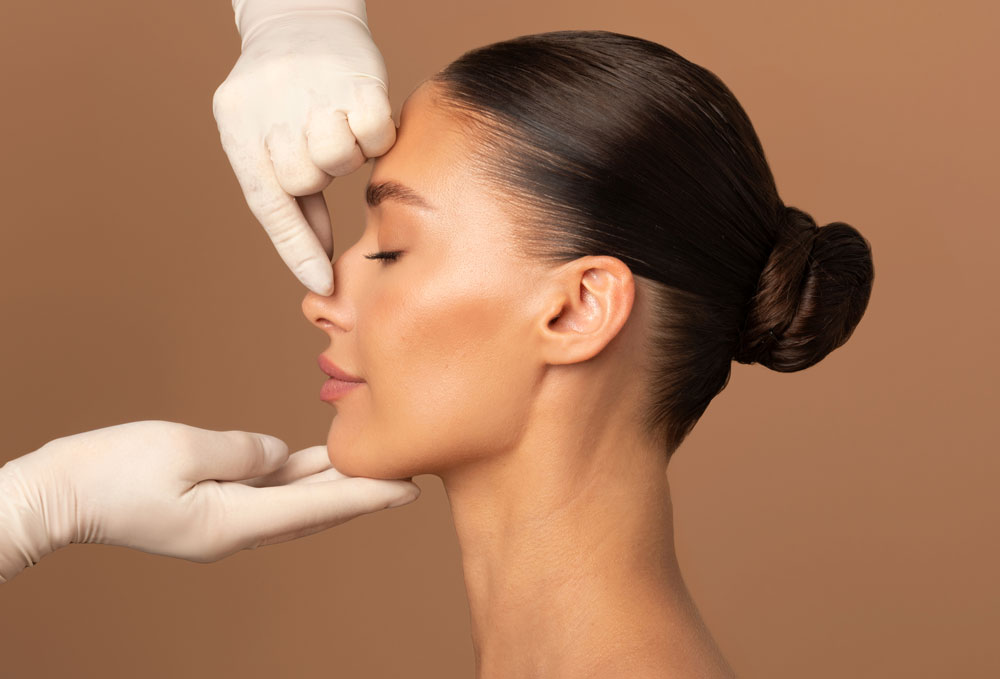
The rhinoplasty journey begins with an initial consultation. Many clinics offer remote consultations via video call. Patients share detailed photographs of their nose from multiple angles to support the remote assessment. The surgeon assesses nasal anatomy and discusses the patient's goals during this initial appointment. Planning considers bridge shape, tip definition and nostril width. Functional concerns such as breathing are also evaluated. Digital imaging may preview potential outcomes. The consultation establishes whether the patient is suitable for the procedure. It also creates a shared understanding of the expected result. Patients receive a treatment plan and pricing before committing to travel.
Choosing the Right Surgeon in Turkey
Selecting a surgeon is one of the most important decisions in the process. Patients should review qualifications, training and experience. Before-and-after photographs provide insight into the surgeon's style. Results vary between surgeons. Some specialise in natural refinement while others pursue more defined structural changes that create a noticeably different profile. Others focus on more dramatic changes. Patients should look for surgeons who regularly perform rhinoplasty rather than general cosmetic practitioners. Reading patient reviews offers additional perspective. Asking about revision rates provides useful quality information. A surgeon who communicates clearly and listens to goals is essential for a positive experience.
Planning the Rhinoplasty Trip
Travel planning is an important part of the rhinoplasty journey. Most patients stay in Turkey for seven to ten days. This allows adequate time for the pre-operative consultation, the surgical procedure itself and the initial recovery period before flying home. Flights to Istanbul are widely available from major cities. Many clinics arrange airport transfers and hotel accommodation as part of their comprehensive treatment packages.. Treatment packages often include these logistics as standard. Patients should plan their travel dates well in advance to ensure availability at their chosen clinic. They also need to consider the appropriate flight scheduling. Booking flexibility helps accommodate any scheduling adjustments. Packing comfortable clothing and a button-front shirt avoids pulling garments over the face. Travel insurance that covers medical procedures abroad is recommended.
Arrival and Pre-Operative Assessment
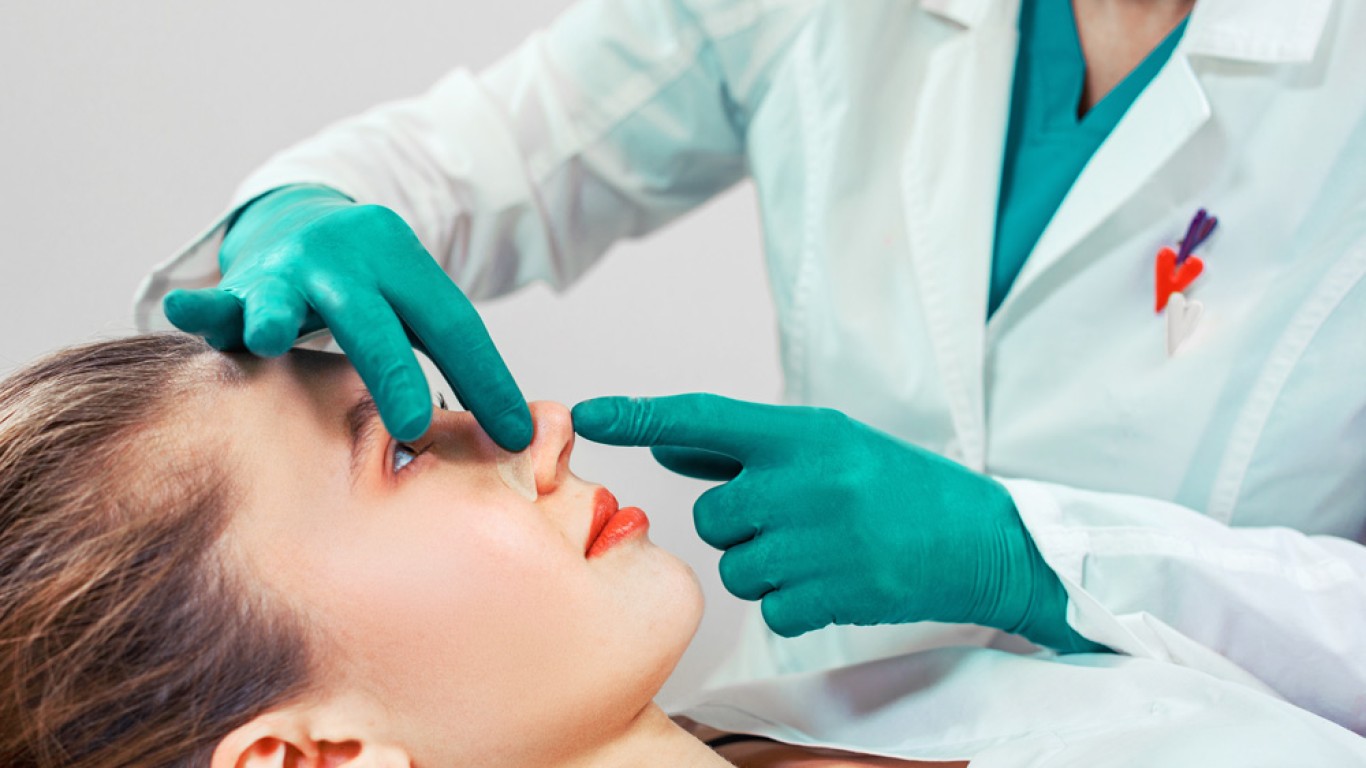
Upon arrival in Turkey, patients attend an in-person consultation. The surgeon examines the nose directly. Blood tests, cardiac assessment and other comprehensive pre-operative evaluations are conducted to confirm surgical fitness. These ensure the patient is fit for surgery. The surgical plan is finalised during this appointment. Any remaining questions are addressed. 3D simulation may be used to confirm the planned result. Patients meet the clinical team and tour the facility. Pre-operative instructions are provided. These typically include fasting requirements and medication guidance. The appointment usually takes place one to two days before the scheduled surgery date.
Surgical Procedure
The procedure is performed under general anaesthesia. The procedure typically takes two to three hours. Open or closed technique may be used depending on the surgical plan. Open rhinoplasty involves a small incision across the columella. Closed rhinoplasty uses incisions inside the nostrils only. The surgeon reshapes bone and cartilage according to the agreed plan. A nasal splint is applied at the end of the procedure. Patients wake in the recovery room and are monitored for several hours. Most patients stay in the hospital overnight. Some procedures allow same-day discharge, depending on clinical assessment.
Rhinoplasty Recovery in Turkey
The first few days after rhinoplasty involve rest and careful aftercare. Swelling and bruising around the eyes are common. Cold compresses applied gently around the eye area help manage the swelling. This can typically develop during the first few days. Pain is typically mild and managed with prescribed medication. The nasal splint remains in place for approximately one week. Breathing through the mouth is necessary during this period. Patients should keep the head elevated during rest. Light walking is encouraged to support circulation. Most patients feel comfortable attending a follow-up appointment within the first week. The splint is carefully removed and the surgeon assesses the healing progress before clearing the patient to travel home.
What to Expect at the Follow-Up Rhinoplasty Appointment
The follow-up appointment typically occurs five to seven days after surgery. The surgeon removes the nasal splint and any internal packing. Nose is examined to assess healing progress. Early results become visible once the splint is removed. Swelling remains present but the improved shape is apparent. Patients receive detailed aftercare instructions for the journey home. Guidance covers activity restrictions, sleeping position and skincare. Many clinics provide direct contact details for post-operative queries after the patient returns home. Remote follow-up consultations may be scheduled for the weeks and months ahead.
Flying Home After Rhinoplasty
Most patients fly home between seven and ten days after surgery. Flying is generally safe once the splint has been removed. Cabin pressure changes may cause mild discomfort. Saline nasal spray can help keep the nasal passages moist during the flight. Patients should avoid blowing the nose for several weeks after surgery. Wearing glasses should be avoided as they rest on the healing nasal bridge. Clip-on alternatives or taping glasses to the forehead provide temporary solutions. The journey home is usually comfortable for most patients at this stage of recovery.
Long-Term Recovery After Returning Home
Recovery continues for several months after returning home. Swelling decreases gradually over the following weeks. The nasal tip is typically the last area to refine. Most social swelling resolves within four to six weeks. Results continue to develop for twelve to eighteen months. Patients should protect the nose from sun exposure during this period. Avoiding contact sports and activities that risk nasal impact is important. Regular follow-up with the treating surgeon may continue remotely. Many Turkish clinics offer video consultations for international patients during the extended healing period.
Aftercare and Ongoing Support
Quality clinics provide ongoing support after patients return home. Aftercare includes remote consultations and photograph reviews. Patients send progress images at agreed intervals. The surgeon monitors healing and identifies any concerns early. This ongoing relationship supports the best long-term results. Many patients appreciate the accessibility of their Turkish surgical team even after returning to their home country. Clear communication channels provide reassurance during the months of gradual improvement. Patients who engage with aftercare consistently report higher satisfaction with their final results.
Cost and Value of Nose Job in Turkey
Nose surgery in Turkey typically costs a fraction of equivalent treatment in the UK or USA. Comprehensive packages often include surgeon fees, hospital stay, accommodation and transfers. This transparent pricing simplifies financial planning. Even after including flights, the total investment is often significantly lower than domestic surgery. The value proposition extends beyond price. High surgical volume, modern technology and experienced practitioners contribute to quality outcomes. Treatment in Turkey offers patients access to specialist expertise at accessible pricing. Comparing package inclusions between clinics ensures patients understand exactly what their investment covers.
Conclusion
The journey involves careful planning from initial consultation through to long-term recovery at home. Experienced surgeons, comprehensive packages and competitive pricing attract thousands of international patients each year. The process is well structured with remote consultations, coordinated travel logistics and ongoing aftercare support. Understanding each stage helps patients feel prepared and confident. Professional guidance ensures personalised planning for every individual.
For more information and to book a consultation visit the ACIBADEM Beauty Center Rhinoplasty page.
Frequently Asked Questions
Most patients stay seven to ten days.
Yes, many clinics offer video consultations before travel.
Most patients fly home seven to ten days after the procedure.
Final results typically develop over twelve to eighteen months.
Yes, most clinics offer video follow-up for international patients.